

Sea freight is a popular choice for transporting goods from China to other countries, but understanding its costs can be tricky. Knowing what affects these costs can help you make informed decisions.
Sea freight from China is often the cheapest option for shipments over 500 kg. For smaller loads, air or express services may be more affordable.1
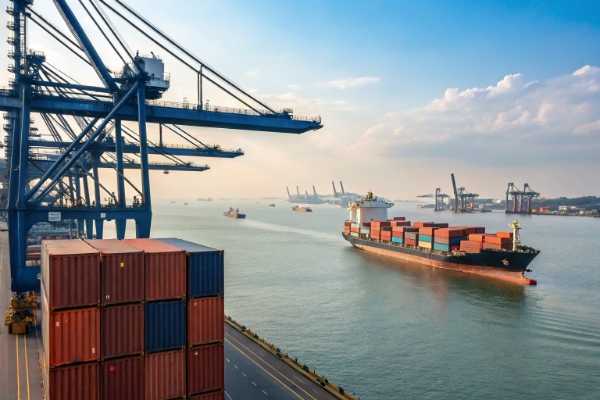
Sea freight pricing can vary widely based on several factors. It is essential to understand these factors to avoid unexpected costs.
What Factors Affect Sea Freight Costs from China?
Shipping costs depend on many things. The type of goods, the destination, and the shipping method all play a role. For example, bulky or heavy items can cost more than smaller, lighter goods. The shipping route you choose also affects costs. Some routes are more direct and quicker, while others are longer and may require additional handling.
Another important factor is the shipping season. Costs can spike during peak seasons like the holidays when demand for shipping increases.2 This increased demand can lead to capacity constraints, driving up prices. Understanding these factors helps you plan your shipments better.

How Is Sea Freight Pricing Calculated?
Sea freight pricing can be complex. Generally, two pricing methods exist: Full Container Load (FCL) and Less-than-Container Load (LCL).3
FCL shipping has fixed pricing per container. This means that whether you fill it halfway or all the way, the cost remains similar. On the other hand, LCL shipping is based on cubic meters. You pay for the space your goods occupy. This pricing method includes additional handling for consolidation and deconsolidation.
It’s also crucial to note that additional charges can apply, such as documentation fees and customs brokerage. These charges can lead to significant differences in what you expect to pay versus the final bill.
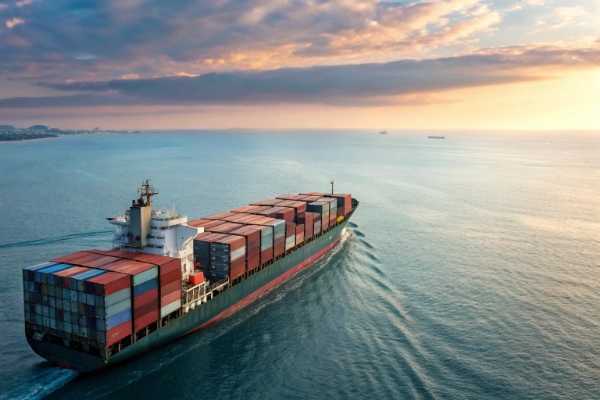
How Much Does FCL Shipping Cost from China?
When shipping FCL, costs can vary based on the container size. As of July 2026, the price for a 20-foot container ranges from $5,400 to $6,600.4 The larger 40-foot container typically costs between $6,075 and $7,425. These prices can change based on the shipping route and demand, so it's best to check for current rates.
FCL is generally a good option for larger shipments. Because you pay a fixed cost, the per-unit cost can decrease as you fill the container more. This method allows for more efficient shipping for bulk products.
How Much Does LCL Shipping Cost from China?
LCL shipping is suitable for smaller shipments. In July 2026, costs are around $130 per cubic meter.5 This method adds the complexity of consolidation and deconsolidation, which can lead to additional handling fees.
Since LCL shipping prices are based on the space your goods take up, it is vital to measure your cargo accurately. You don’t want to overestimate your cargo space, as this can inflate your costs.

What Additional Charges Should Importers Consider?
Extra charges can inflate your sea freight costs. These can include origin and destination handling fees, documentation, customs brokerage, and drayage. Each of these costs adds up, so it’s essential to account for them in your budget.
Understanding these charges helps you prepare better. Ask for a detailed breakdown of all potential expenses before confirming your shipping arrangements. Knowing about these charges upfront can prevent surprises later.
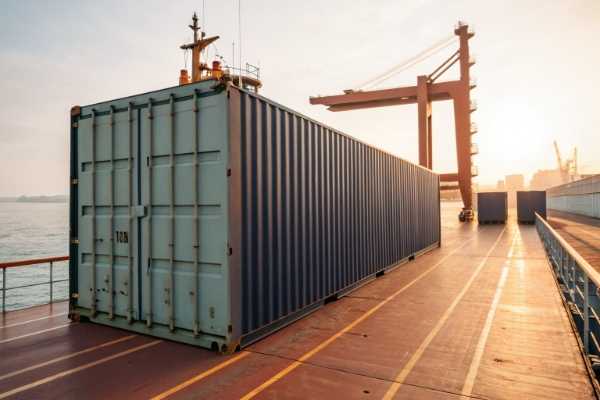
How Do Shipping Routes Affect Sea Freight Costs?
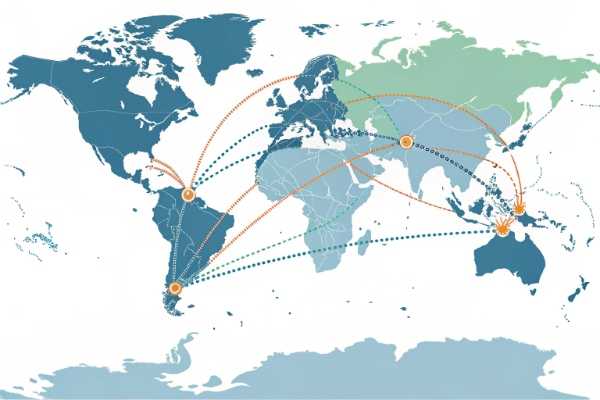
Shipping routes are vital in determining sea freight costs. Factors like origin, destination, and cargo type can materially affect your quotes. Some routes may be more direct and cost-effective, while others can be longer and involve additional handling.
For example, shipping from major ports typically offers better rates due to competition among shipping lines.6 In contrast, routes to remote locations may incur higher costs due to limited options. It’s crucial to research and select the best shipping route for your needs.
How Can Importers Reduce Sea Freight Costs?
Reducing sea freight costs requires planning and strategy. One way to save is by consolidating shipments. This allows you to use FCL rates instead of LCL, which can be more cost-effective for larger shipments.
Also, consider the timing of your shipments. Planning around peak seasons can help you avoid inflated prices. Always compare rates from different shipping companies to find the best deal.
Another strategy is to work with a reliable sourcing partner. A partner like Toncentlink can help you navigate these complexities and find solutions that meet your budget.
How Can You Get an Accurate Sea Freight Quote from China?
Getting an accurate sea freight quote involves clear communication with your shipping provider. Provide detailed information about your shipment, including dimensions, weight, and any special handling needs.
Ask for a comprehensive quote that includes all potential additional charges. This will give you a better understanding of the total cost involved. Don’t hesitate to ask questions if anything seems unclear.
An accurate quote helps you budget properly and avoid unexpected costs down the line.
Conclusion
Knowing sea freight costs from China involves understanding various factors and potential charges, allowing for better planning and budgeting.
Shipping to the US? Get the full cost picture in our guide to 40ft container shipping costs from China to the USA.
"Examining the Value of Travel Time Reliability for Freight ...", https://utc.gatech.edu/sites/default/files/u63/ExaminingtheValueofTravelTimeReliabilityforFreightTransportationtoSupportFreightPlanningandDecisionMaking_XiaJin.pdf. A comparative logistics cost source should substantiate the approximate shipment-size threshold at which ocean freight becomes cheaper than air or express freight; because break-even points vary by route, commodity, service level, and surcharges, the threshold should be read as contextual rather than universal. Evidence role: general_support; source type: other. Supports: Sea freight from China is often the cheapest option for shipments over 500 kg, while air or express may be cheaper for smaller loads.. Scope note: The 500 kg threshold is route- and service-dependent and may not hold for all origins, destinations, or cargo types. ↩
"Review of Maritime Transport 2025: Staying the course in turbulent waters", https://unctad.org/publication/review-maritime-transport-2025. A shipping-market report or institutional analysis documenting seasonal demand and freight-rate volatility would support the claim that peak periods can raise ocean freight prices; the evidence is contextual because actual spikes depend on lane capacity and market conditions in a given year. Evidence role: general_support; source type: institution. Supports: Sea freight costs can spike during holiday peak seasons as shipping demand increases.. Scope note: Seasonal demand does not guarantee a rate spike on every trade lane or in every year. ↩
"Ocean Freight Terminology", http://www.great-way.com/index.php?m=content&c=index&a=lists&catid=15. A logistics glossary or transport-institution source defining FCL and LCL would support the distinction between container-exclusive shipments and consolidated partial-container shipments. Evidence role: definition; source type: institution. Supports: Sea freight commonly uses Full Container Load and Less-than-Container Load pricing methods.. ↩
"Containerized Freight Index - Price - Chart - Historical Data", https://tradingeconomics.com/commodity/containerized-freight-index. A July 2026 route-specific container freight index or market-rate dataset would be needed to support the quoted 20-foot container range; because container prices are lane-specific, the evidence should identify the origin, destination, service basis, and whether surcharges are included. Evidence role: statistic; source type: research. Supports: As of July 2026, a 20-foot container from China costs between $5,400 and $6,600.. Scope note: Without a specified route and charge basis, the range cannot be treated as a general China-to-worldwide FCL price. ↩
"LCL Shipping Freight Rates for Containers: Complete 2026 Guide", https://www.freightamigo.com/en/blog/logistics/lcl-shipping-freight-rates-for-containers-complete-2026-guide/. A July 2026 LCL rate sheet or neutral freight-rate benchmark for a specified China export lane would support the approximate $130 per cubic meter figure; the support is limited because LCL pricing varies with destination, minimum charges, density, and local handling fees. Evidence role: statistic; source type: other. Supports: In July 2026, LCL shipping from China costs around $130 per cubic meter.. Scope note: A single CBM figure cannot represent all China-origin LCL shipments without route and service details. ↩
"liner shipping connectivity index (LSCI) - Glossary | DataBank", https://databank.worldbank.org/metadataglossary/world-development-indicators/series/IS.SHP.GCNW.XQ. A maritime economics or port-competition source should support the relationship between port connectivity, carrier competition, and freight costs; the evidence is contextual because actual rates also depend on vessel capacity, trade imbalance, and surcharges. Evidence role: expert_consensus; source type: research. Supports: Shipping from major ports can offer better rates because of competition among shipping lines.. Scope note: Major-port competition can influence rates, but it does not guarantee lower prices on every route or at every point in the cycle. ↩