
LCL shipping offers a practical solution for businesses needing to transport smaller shipments without the cost of a full container. It’s a smart choice for many importers.
LCL shipping allows multiple shippers to share a container, making it ideal for smaller cargo loads. This option is cost-effective for shipments that don’t require an entire container.
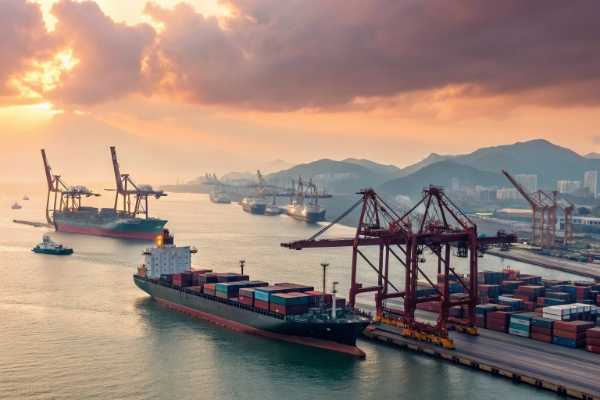
LCL shipping can seem confusing at first. But once you understand how it works, you might find it’s the best choice for your needs. Let’s dive into what LCL shipping means and how it operates.
What Does LCL Shipping Mean?
LCL stands for Less Than Container Load.1 This term refers to a shipping method where cargo from multiple shippers is consolidated into a single shipping container2. Each shipper pays only for the space their cargo occupies.3 This means you can save money when your shipment is too small for a full container.4
LCL shipping is an excellent option for businesses that do not have enough cargo to fill a container. It allows you to share container space, thus reducing your shipping costs.
LCL shipping is particularly useful for small businesses or those with variable inventory needs.5 It offers flexibility and can help prevent inventory shortages.
How Does LCL Shipping Work from China?
The process of LCL shipping starts with a logistics provider who consolidates cargo from different shippers at the origin port. Once the container is full, it is sealed and shipped to the destination port. Upon arrival, the container is then deconsolidated, and each shipper receives their cargo.6
In LCL shipping, a logistics provider manages the entire process. They ensure that your cargo is grouped with other shipments and transported efficiently.
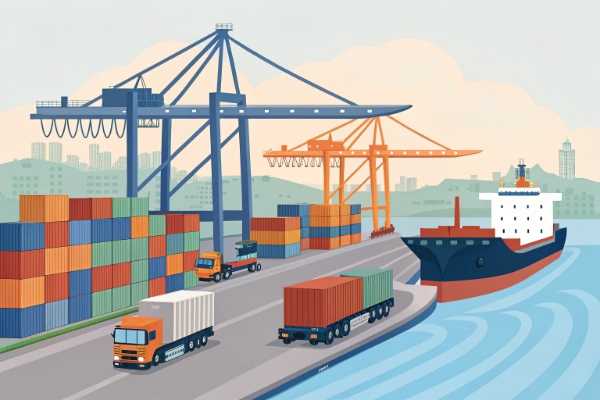
This process allows shippers to benefit from lower costs while still ensuring their goods arrive on time. It is a streamlined way to handle smaller shipments.
What Is the Difference Between LCL and FCL Shipping?
FCL stands for Full Container Load.7 Unlike LCL, FCL involves one shipper using the entire container for their cargo.8 This means that if you have enough goods to fill a container, FCL can often be more efficient. However, if your shipment is small, paying for a full container may not be cost-effective.
The key difference between LCL and FCL shipping is the amount of cargo in the container. FCL is for single shippers, while LCL is shared among multiple shippers.
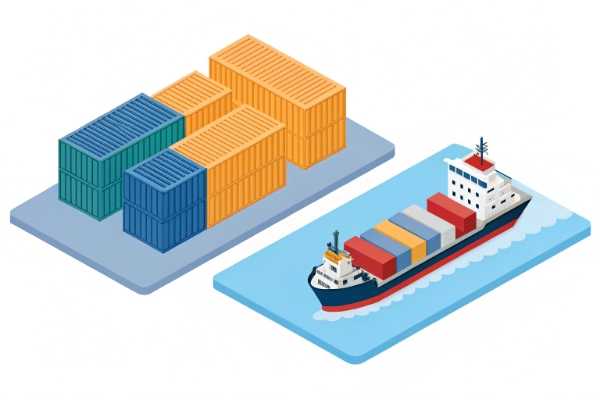
Choosing between LCL and FCL often comes down to the size and frequency of your shipments. Understanding the differences can help you make the best choice for your business.
When Should Importers Choose LCL Shipping?
Importers should choose LCL shipping when their shipment volume is below full-container scale. It’s ideal for small, infrequent shipments or when businesses have fluctuating demand. LCL allows companies to maintain flexibility in their shipping schedules without the need to wait for larger cargo loads.
If you’re shipping items that do not fill a container, or if your shipping needs change frequently, LCL is a smart choice.
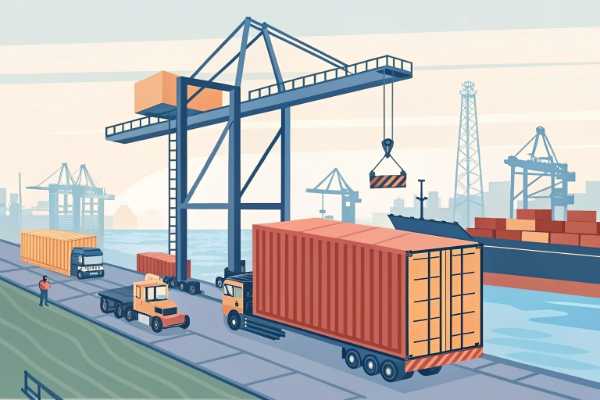
LCL shipping is particularly effective for businesses that prioritize cost control and efficiency while managing inventory.
What Are the Advantages and Disadvantages of LCL Shipping?
LCL shipping has several advantages. It is generally more cost-effective for smaller shipments. Shippers only pay for the space they use, which can lower overall shipping costs. Additionally, LCL offers flexibility, allowing businesses to ship smaller quantities without waiting for a full container.
However, there are disadvantages as well. LCL shipments tend to have longer transit times due to the consolidation and deconsolidation processes. Cargo in LCL shipments also faces more handling risks compared to FCL shipments, which can lead to increased chances of damage.
LCL shipping is a balance between cost and speed. It suits businesses that need to manage smaller, less frequent shipments.
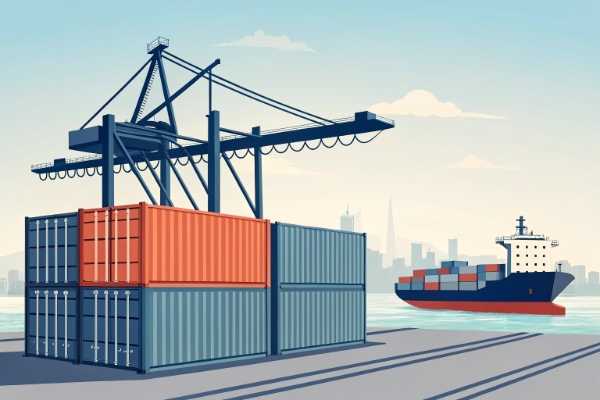
Understanding the pros and cons of LCL shipping can help you make informed decisions that align with your business needs.
How Is LCL Shipping Cost Calculated?
The cost of LCL shipping is primarily calculated based on the cargo’s volume or weight, whichever is greater. This is often measured in cubic meters or weight-based units. Additional costs may include handling fees, customs duties, and insurance.
Knowing how costs are calculated can help you budget for your shipments effectively. Paying attention to volume and weight can save you money.
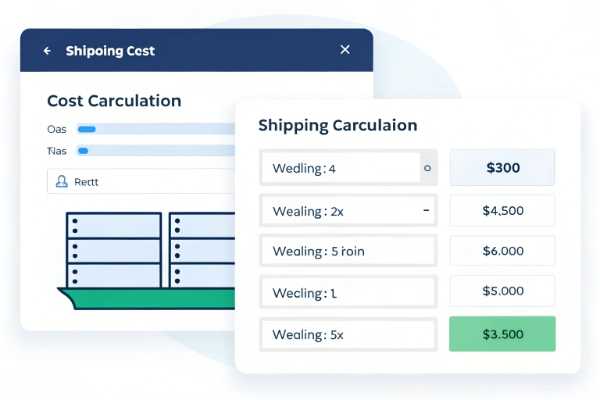
Understanding the pricing structure of LCL shipping is crucial for managing your logistics costs effectively.
How Long Does LCL Shipping Take from China?
LCL shipping times can vary depending on several factors. Generally, LCL shipments take longer than FCL due to the time needed for consolidation at the origin and deconsolidation at the destination. On average, LCL shipping from China can take anywhere from two to six weeks, depending on the destination and shipping route.
While LCL shipping may be slower than FCL, it offers flexibility for smaller shipments that don’t require a full container.
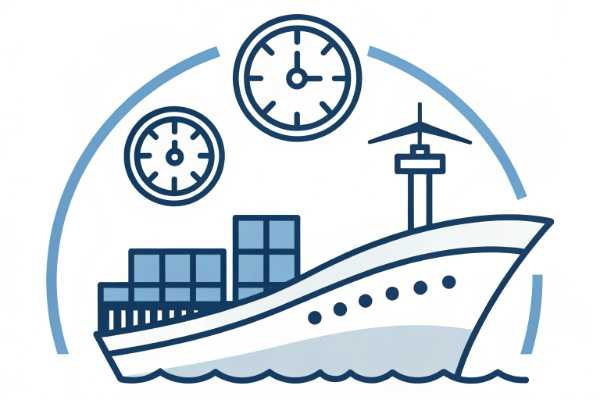
Being aware of the transit times can help you plan better and ensure your products arrive when needed.
What Are the Common Challenges of LCL Shipping?
LCL shipping does come with its challenges. One of the main issues is the handling risk. Since LCL shipments involve multiple shippers, there is a higher likelihood of cargo being moved around more often. This can lead to damage or loss.
Another challenge is the longer transit times, which can affect your supply chain if you’re not prepared. Coordination and communication with your logistics provider are vital to overcoming these challenges.
While LCL shipping is a great option for smaller shipments, it’s important to be aware of the potential risks and challenges involved.
Understanding these challenges can help you mitigate risks and ensure a smoother shipping process.
Conclusion
LCL shipping is an efficient and cost-effective option for smaller shipments from China. Understanding its nuances can enhance your logistics strategy.
"ETCA - Export Trade Certificate - Shipping", https://legacy.trade.gov/mas/ian/etca/tg_ian_002138.asp. A shipping glossary or transport reference defines LCL as “less than container load,” a containerized ocean-freight arrangement used when cargo does not occupy a full container. Evidence role: definition; source type: institution. Supports: LCL stands for Less Than Container Load.. ↩
"World Bank Document", https://unctad.org/meetings/en/Contribution/dtltlbts-AhEM2018d4_WorldBank_en.pdf. Neutral freight-forwarding or maritime-transport references describe LCL service as consolidation of consignments from different shippers into one container for ocean transport. Evidence role: definition; source type: institution. Supports: LCL shipping involves cargo from multiple shippers being consolidated into a single shipping container.. Scope note: The source may describe the standard operating model rather than verify a specific shipment or provider’s process. ↩
"How to Calculate Ocean Freight Charges (FCL & LCL)", https://www.icontainers.com/help/how-to-calculate-ocean-freight-charges/. Freight-rate guidance commonly explains that LCL charges are assessed on the shipment’s occupied volume or chargeable weight rather than on an exclusive full-container rate. Evidence role: mechanism; source type: institution. Supports: In LCL shipping, each shipper generally pays according to the space or chargeable measure used by their cargo.. Scope note: Actual invoices may include minimum charges and destination, handling, documentation, customs, or security fees beyond occupied space. ↩
"2021–2024 Quadrennial Supply Chain Review", https://www.trade.gov/sites/default/files/2025-01/20212024-Quadrennial-Supply-Chain-Review.pdf. Transport and logistics references note that LCL can be less expensive than booking an entire container when shipment volume is insufficient to use most container capacity. Evidence role: general_support; source type: institution. Supports: LCL can save money compared with FCL for shipments too small to justify a full container.. Scope note: Cost savings depend on route, minimum charges, accessorial fees, cargo density, and the FCL rate available at the time of shipment. ↩
"San Jose Business Service Providers", https://www.trade.gov/san-jose-business-service-providers. Small-business import guidance and logistics education materials identify LCL as a common option for smaller or irregular shipment volumes because it avoids waiting until enough goods accumulate for a full container. Evidence role: general_support; source type: government. Supports: LCL shipping is particularly useful for small businesses or companies with variable inventory needs.. Scope note: Usefulness varies by product value, lead-time tolerance, inventory strategy, and route-specific freight costs. ↩
"Container Freight Station (CFS): Meaning, Charges ...", https://www.freightos.com/freight-resources/container-freight-station-cfs/. LCL process references explain that after arrival the consolidated container is unloaded at destination and individual consignments are separated for delivery or pickup. Evidence role: mechanism; source type: institution. Supports: At destination, an LCL container is deconsolidated and the individual shippers’ cargo is released or delivered separately.. Scope note: The source supports the standard destination deconsolidation process, not the timing or reliability of any individual shipment. ↩
"ETCA - Export Trade Certificate - Shipping", https://legacy.trade.gov/mas/ian/etca/tg_ian_002138.asp. Maritime and freight references define FCL as “full container load,” meaning a container booked for one shipper’s cargo rather than consolidated LCL cargo. Evidence role: definition; source type: institution. Supports: FCL stands for Full Container Load.. ↩
"MGN 534 (M+F)", https://assets.publishing.service.gov.uk/media/5eafe325e90e0723bad30a01/MGN534_Complete.pdf. Freight and maritime-transport references distinguish FCL from LCL by noting that a full container load is used for a single shipper’s consignment and is not consolidated with other shippers’ cargo. Evidence role: definition; source type: institution. Supports: FCL generally involves one shipper or consignment using the full container rather than sharing it with other shippers.. Scope note: In practice, a buyer, seller, or freight forwarder may book the container, but the defining feature is exclusive use for one consignment rather than shared LCL consolidation. ↩