
Sea freight from China can be a bit of a mystery for many importers. It is essential to understand the different factors that influence transit times.
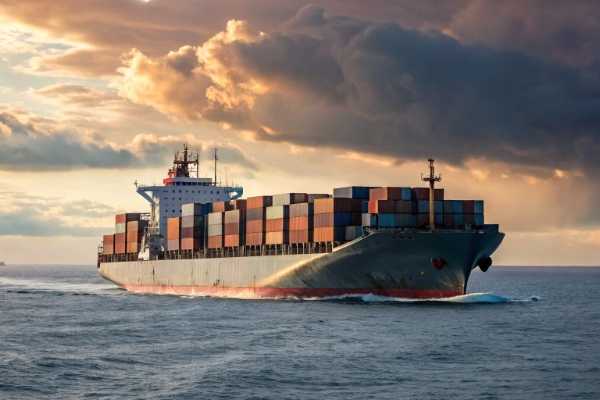
Sea freight from China usually takes about 15 to 40 days1, depending on the destination and service level.
Timing is crucial in international trade. Delays can affect your inventory management and sales. Knowing how long your shipment will take can help you plan better.
LOOP START
What Is the Average Sea Freight Transit Time from China?
Sea freight is the go-to shipping method for many businesses. The average transit time varies, but it typically ranges from 15 to 40 days.
West Coast U.S. shipments are typically faster, often around 3 to 4 weeks port-to-port.

On the other hand, deliveries to the East Coast can take longer, often around 4 to 6 weeks door-to-door2. Express sea freight services can reduce total door-to-door time to roughly 15 to 22 days.
These times give you a good starting point to plan your logistics. However, remember that these figures can change due to various factors.
LOOP END
How Long Does Sea Freight Take from China to Different Regions?
Shipping times vary greatly depending on where you are sending your goods. For example, shipments to the West Coast of the U.S. typically take 30 to 40 days via standard ocean service.
All-water routes to the U.S. East Coast often run about 45 to 60 days door-to-door.
If you're shipping to Europe or other regions, times will also differ. It’s important to understand the specific needs of your market.
By knowing the average times for different regions, you can better coordinate with suppliers and customers. This helps in ensuring that products arrive when needed.
What Factors Affect Sea Freight Delivery Time?
Several factors can impact delivery times. The origin and destination ports play a significant role. Vessel schedules also affect how quickly your shipment moves.
Real-world transit can be longer during congestion, bad weather, holidays, or slow-steaming vessel operations3.
Other factors include the nature of your shipment, such as whether you’re using Full Container Load (FCL) or Less than Container Load (LCL) shipping. Each method has its own timelines and considerations.
Understanding these factors can help you avoid unpleasant surprises. Planning around these elements makes your shipping process smoother.
How Do Port Congestion and Customs Clearance Affect Transit Time?
Port congestion is a common issue that can delay shipments. Busy ports can slow down the loading and unloading of containers.
Inland pickup, customs clearance, and delivery can add several days or weeks.
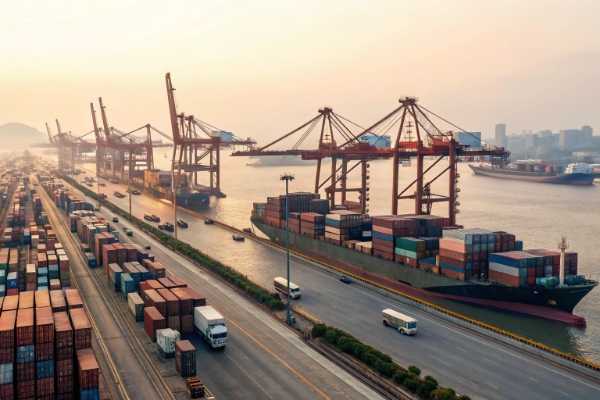
Customs clearance is another critical step. If your paperwork is not in order, it can lead to significant delays.
Knowing the right documentation and requirements can make a big difference. Make sure you understand what is needed to clear customs quickly.
How Long Does FCL Shipping Take Compared with LCL Shipping?
When comparing FCL and LCL shipping, FCL often offers faster transit times. FCL means you have a whole container to yourself, which reduces handling times.
LCL shipments often take longer than FCL shipments because consolidation and deconsolidation add handling time.
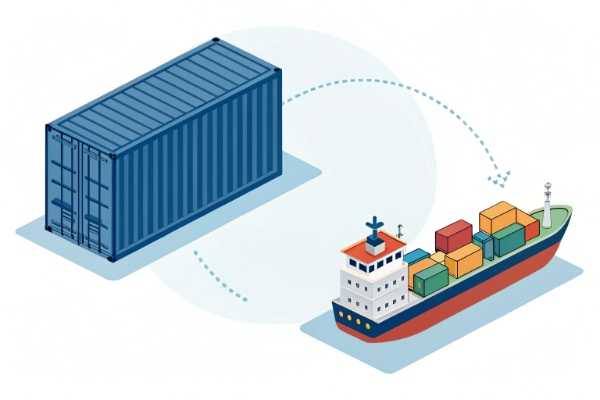
In LCL shipping, your goods are combined with other shipments. This can slow down the process as each shipment needs to be handled separately.
Understanding the differences can help you choose the best shipping method for your needs. It’s vital to weigh speed against cost and volume to make the right decision.
How Can Importers Reduce Sea Freight Delays?
To minimize delays, plan your shipments well in advance. Proper documentation is crucial for smooth customs clearance.
Clear communication with your freight forwarder can also make a difference.

Consider shipping during off-peak times. This can help avoid congestion at ports. Using reliable carriers with good track records can also help ensure timely delivery.
Keeping a close eye on your shipment's progress allows you to react quickly to any issues. By being proactive, you can often navigate challenges effectively.
How Should You Plan Your Shipping Schedule from China?
When planning your shipping schedule, factor in the average transit time. Allow extra time for potential delays, especially during peak seasons.
Shipment timing is strongly affected by the origin and destination ports, vessel schedules, and routing choices.
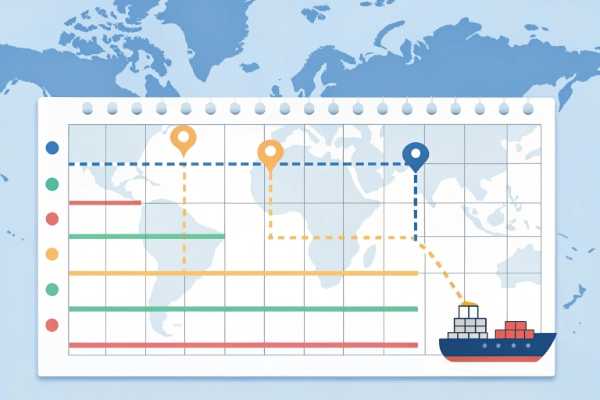
Create a timeline that includes all steps, from production to delivery. This helps you visualize the entire process.
By being organized, you can better manage your inventory and avoid stock shortages. Having a clear plan helps you meet customer expectations and ensure smooth operations.
Conclusion
Understanding sea freight transit times is vital for effective planning and operations.
"Special Documents", https://www.trade.gov/special-documents. A neutral logistics or institutional source should document typical ocean-container transit-time ranges from Chinese ports to major global destination regions, supporting the stated range as a planning estimate rather than a guaranteed schedule. Evidence role: statistic; source type: institution. Supports: Sea freight from China usually takes about 15 to 40 days, depending on destination and service level.. Scope note: Transit times vary by port pair, carrier schedule, routing, customs processing, and whether the figure is port-to-port or door-to-door. ↩
"Shipping From China to US [Updated July 2026 ]", https://www.freightos.com/shipping-routes/shipping-from-china-to-the-united-states/. A neutral logistics reference or institutional shipping guide should indicate that China-to-U.S. East Coast movements generally require longer end-to-end transit than West Coast routes, with multi-week door-to-door timelines commonly reported. Evidence role: statistic; source type: institution. Supports: Deliveries from China to the U.S. East Coast can take longer, often around 4 to 6 weeks door-to-door.. Scope note: Door-to-door timing includes inland drayage, customs, and delivery variables that are not captured in port-to-port sailing schedules. ↩
"Assessing the macroeconomic and social impacts of slow ...", https://pmc.ncbi.nlm.nih.gov/articles/PMC9968635/. Academic or institutional maritime-transport sources should explain that port congestion, weather disruption, holiday closures, and slow steaming can lengthen container shipping transit times by reducing vessel speed or increasing waiting and handling time. Evidence role: mechanism; source type: paper. Supports: Real-world sea freight transit can be longer during congestion, bad weather, holidays, or slow-steaming vessel operations.. Scope note: Such sources may establish the causal mechanisms generally rather than quantify the delay for China-origin shipments specifically. ↩