

FCL shipping is essential for global trade. It allows businesses to transport larger shipments efficiently while minimizing risks.
FCL shipping means one shipper books and uses an entire shipping container, even if the container is not completely full.1 This method is often preferred when the shipment volume justifies the use of a full container.
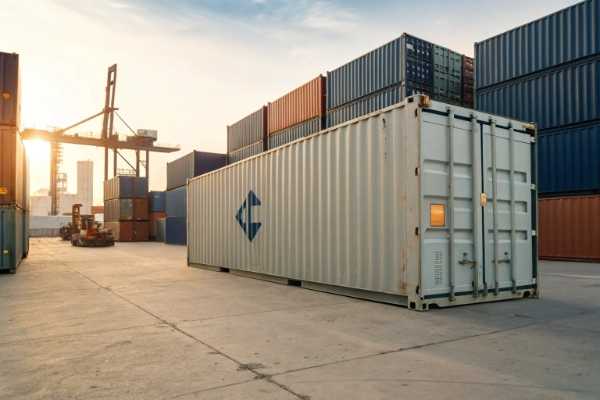
When diving into FCL shipping, it's important to understand its nuances. It is not just about filling a container. FCL shipping offers a range of benefits, especially for larger shipments. However, it's not always the best choice for every situation.
What Does FCL Shipping Mean?
FCL shipping refers to a method where a single shipper reserves an entire container. This approach ensures that the cargo remains intact from the moment it leaves the original location until it arrives at its destination2. The shipper pays for the whole container, which means that even if they don't fill it completely, they still bear the cost. This method suits businesses that need to move larger quantities of goods without sharing space with other shippers.
In essence, FCL shipping provides a dedicated space that minimizes the risk of damage or loss compared to shared shipping methods3.

FCL can simplify the shipping process as the cargo remains sealed until it reaches its destination. This reduces handling and the risk of tampering.4 Additionally, FCL shipments typically move faster since they can bypass the delays associated with consolidating smaller loads from multiple shippers.5
How Does FCL Shipping Work from China?
FCL shipping from China involves several steps. Initially, the shipper needs to book a container with a freight forwarder or shipping line. This booking should specify the container size needed, which is usually a 20-foot or 40-foot container.6 Once booked, the shipper prepares the cargo, ensuring it meets all regulations for export.
The container is loaded at the origin, sealed, and transported directly to the destination port.7 This direct route helps maintain the integrity of the shipment.
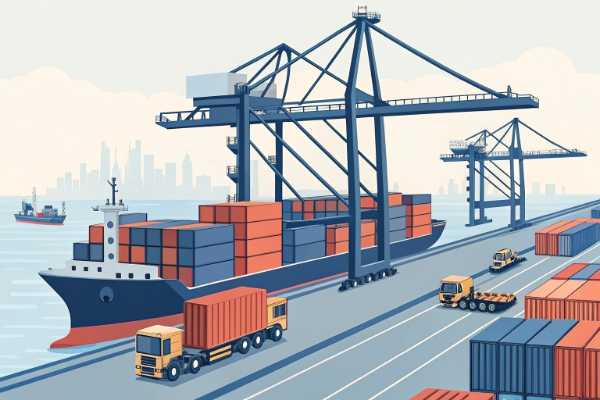
Upon arrival at the destination port, the container is unloaded, and the cargo is cleared through customs. It's important to have all necessary documentation prepared in advance to avoid delays. Once cleared, the container can be delivered to its final destination.
What Is the Difference Between FCL and LCL Shipping?
FCL and LCL are two contrasting shipping methods. FCL, as mentioned, involves the use of an entire container by a single shipper. In contrast, LCL (Less than Container Load) allows multiple shippers to share a container. This means that cargo from different businesses will be consolidated into one shipment.
The main difference lies in the cost and handling. FCL offers faster transit times and less handling, while LCL can be more economical for smaller shipments.8
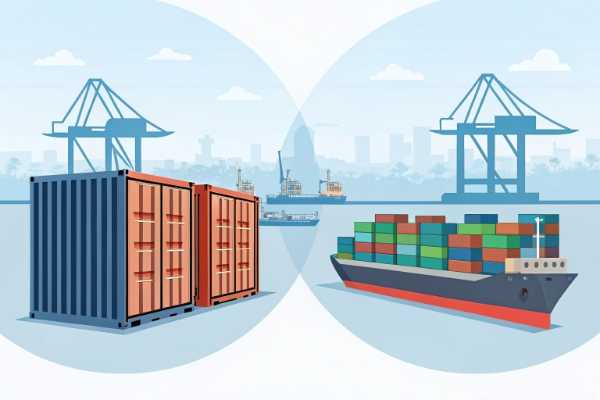
Another key point is the risk factor. FCL tends to have lower risks of damage or loss since the cargo remains in a sealed container. LCL shipments, however, face more handling as goods are consolidated and deconsolidated, increasing the chances of issues arising.
When Should Importers Choose FCL Shipping?
Choosing FCL shipping is ideal for specific scenarios. Importers should consider FCL when they have enough cargo volume that justifies a full container. This is especially true for those shipping time-sensitive or high-value items.
FCL is also a good choice for fragile goods that require more control during transportation.9
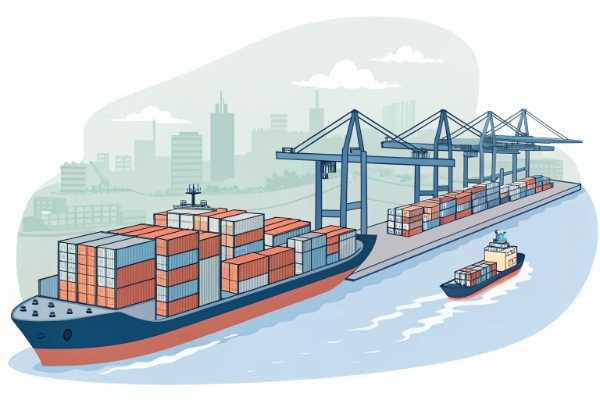
Additionally, companies that have regular shipments often prefer FCL to maintain consistency and reliability. On the other hand, smaller shipments or those that do not meet the volume requirement are often better suited for LCL.
What Are the Advantages of FCL Shipping?
FCL shipping offers several advantages. One of the main benefits is the reduced risk of damage or loss, as the cargo is sealed and remains in one container. This method also provides faster transit times since there are fewer handling steps involved.
Moreover, FCL usually results in lower unit shipping costs when the cargo volume is sufficient to fill most of the container space.10
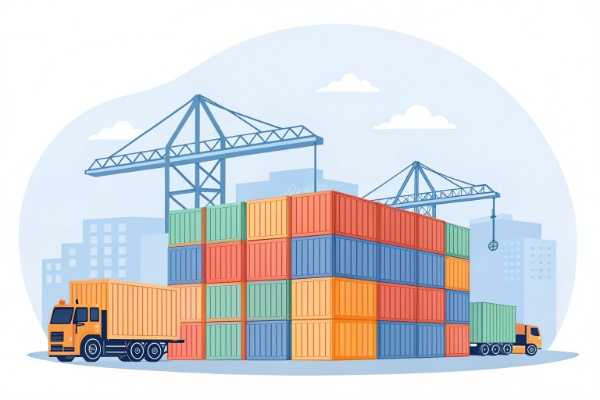
FCL allows for more direct control over container loading, routing, and scheduling. This level of control is important for businesses that need to ensure timely deliveries. Lastly, FCL can simplify documentation and coordination, making the shipping process more efficient.
What Are the Disadvantages of FCL Shipping?
While FCL has many advantages, it also has some drawbacks. One of the main issues is cost. Shippers pay for the entire container, even if they don't utilize all the space. This can lead to inefficiencies, especially for smaller shipments.
Additionally, FCL requires sufficient cargo volume to be cost-effective, making it unsuitable for low-volume shipments.11
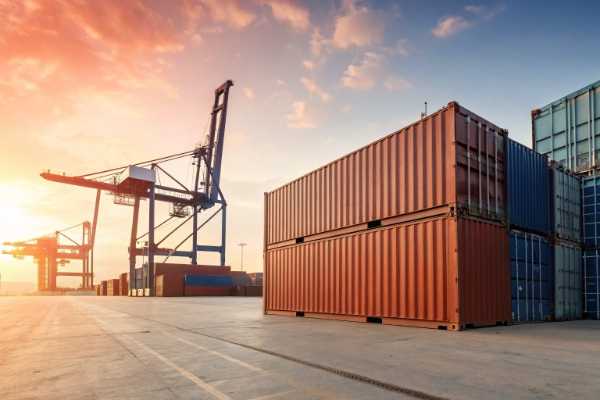
Another disadvantage is that FCL shipments may require advanced planning. Businesses need to have their cargo ready in large enough quantities to justify the container booking. If not managed well, this could lead to wasted space and increased costs.
How Much Does FCL Shipping Cost from China?
The cost of FCL shipping from China varies based on several factors. These include the destination port, shipping line, and current market rates.
Generally, FCL shipping offers lower unit costs as the volume increases. However, shippers must still account for additional costs like customs duties, handling fees, and insurance.
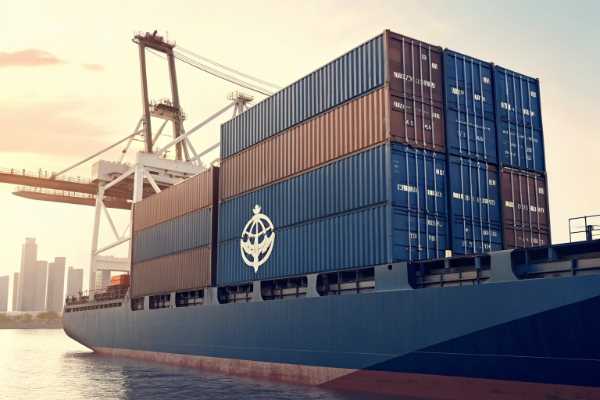
It is essential to compare different freight forwarders to get the best rates. Many forwarders provide quotes based on specific cargo details, including weight and dimensions. By understanding all cost components, shippers can make informed decisions.
How Long Does FCL Shipping Take from China?
The transit time for FCL shipping from China to various destinations can differ. Typically, shipments might take anywhere from a few weeks to over a month, depending on the route and shipping line used.
FCL shipments tend to be faster than LCL due to less handling and direct routing.
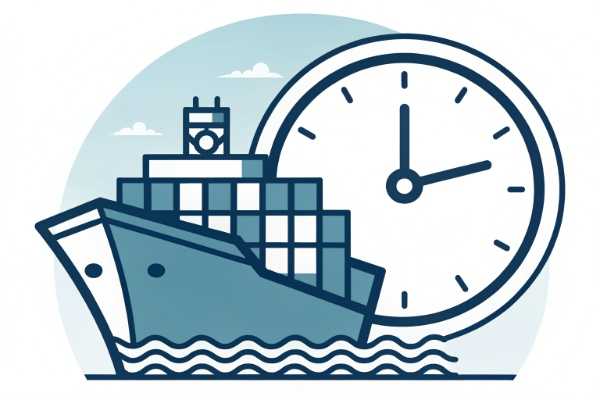
Timely communication with the freight forwarder can help track the shipment and ensure it arrives on schedule. Factors like port congestion and customs clearance can affect overall delivery times, so planning ahead is crucial.
What Types of Goods Are Suitable for FCL Shipping?
FCL shipping is suitable for a variety of goods. It is particularly ideal for larger shipments of products that need to be transported together.
Common items include machinery, electronics, and bulk goods.
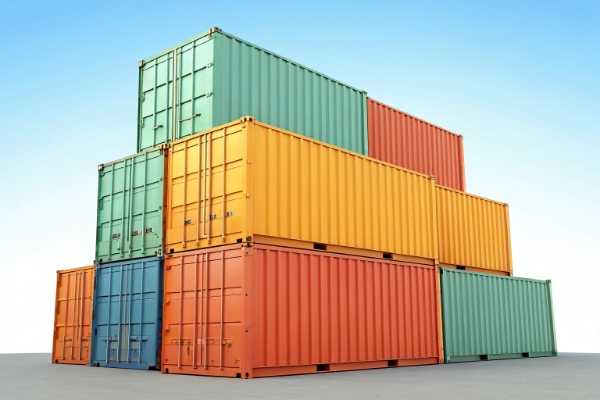
Fragile items or high-value products also benefit from FCL due to the reduced handling and increased control. However, it’s important to assess the cargo volume to determine if FCL is the best option.
How Do You Choose the Right Container Size for FCL Shipping?
Choosing the right container size is crucial for FCL shipping. The two most common sizes are 20-foot and 40-foot containers. The decision usually depends on the cargo volume and weight.
20-foot containers are suitable for smaller shipments, while 40-foot containers are better for larger loads.
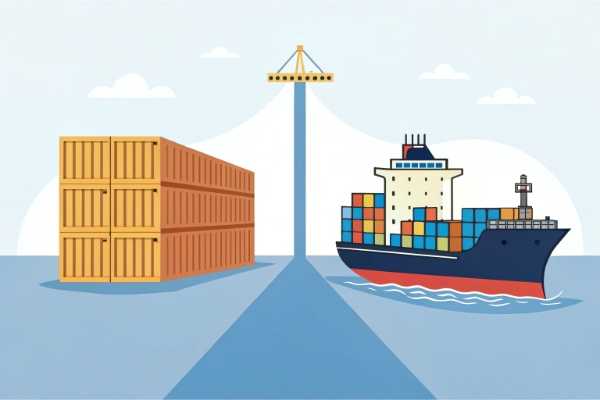
It's essential to accurately measure the dimensions and weight of the goods. This ensures that the chosen container meets shipping regulations and maximizes space utilization. Consulting with a freight forwarder can provide valuable insights into the best container size for your needs.
Conclusion
FCL shipping is an efficient method for transporting larger shipments directly from China. It offers several advantages but also requires careful planning to ensure cost-effectiveness.
"Containerization", https://en.wikipedia.org/wiki/Containerization. A logistics or maritime transport reference defines full-container-load service as a shipment in which one consignor uses the capacity of a container rather than sharing it with other consignors. Evidence role: definition; source type: institution. Supports: FCL shipping means one shipper books and uses an entire shipping container, even if the container is not completely full.. ↩
"Containerization", https://en.wikipedia.org/wiki/Containerization. A containerization reference explains that sealed intermodal containers allow goods to remain in the same unit across transport modes, supporting the general claim that containerized cargo can stay intact during transit. Evidence role: mechanism; source type: encyclopedia. Supports: FCL shipping helps cargo remain intact from origin to destination.. Scope note: This supports the containerization mechanism generally; individual shipments may still be opened for inspection, transloading, or regulatory reasons. ↩
"THE SHIPPER'S RIGHT TO RECOVER UNDER COGSA ...", https://bclawreview.bc.edu/articles/1911/files/63d0b843a50e3.pdf. Logistics literature on containerization and consolidation describes how fewer transfer and consolidation steps can reduce exposure to damage, loss, and misrouting compared with multi-shipper consolidated cargo. Evidence role: mechanism; source type: paper. Supports: FCL shipping provides dedicated space that minimizes the risk of damage or loss compared to shared shipping methods.. Scope note: The source would support a risk-reduction mechanism, not guarantee that FCL is always safer for every cargo type or route. ↩
"Security Profile", https://www.cbp.gov/sites/default/files/documents/3pl_sec_overview_3.pdf. Containerization references note that standardized, sealed containers reduce cargo handling between origin and destination, which provides contextual support for reduced opportunities for tampering. Evidence role: mechanism; source type: research. Supports: Sealed FCL cargo reduces handling and the risk of tampering.. Scope note: Reduced handling is directly supported; lower tampering risk is a contextual inference unless the source specifically measures security incidents. ↩
"The Intermodal Movement of LCL Freight: The Problem Areas", https://digitalcommons.du.edu/cgi/viewcontent.cgi?article=1617&context=tlj. A freight transport or logistics source explains that LCL cargo commonly requires consolidation and deconsolidation, supporting the claim that FCL can avoid these process steps and may have shorter transit times. Evidence role: mechanism; source type: education. Supports: FCL shipments typically move faster because they bypass consolidation delays associated with smaller loads from multiple shippers.. Scope note: The evidence supports the process-based reason for possible time savings; actual transit time also depends on sailing schedules, port congestion, customs, and inland transport. ↩
"Intermodal container", https://en.wikipedia.org/wiki/Intermodal_container. International container standards and maritime references identify 20-foot and 40-foot ISO containers as standard container lengths widely used in intermodal shipping. Evidence role: definition; source type: institution. Supports: FCL bookings usually specify a container size, commonly 20-foot or 40-foot.. Scope note: This supports the common standard sizes; specialized containers and other lengths also exist in some trades. ↩
"The Advent of the Modern-Day Shipping Container", https://oceanservice.noaa.gov/economy/shipping.html. Maritime shipping guidance describes a container movement process in which cargo is stuffed into a container, sealed, and carried by ocean transport to the destination port, supporting the general sequence described for FCL shipments. Evidence role: general_support; source type: institution. Supports: In FCL shipping, the container is loaded at origin, sealed, and transported to the destination port.. Scope note: The source would support the usual process; “directly” may not exclude vessel transshipment, rail moves, or regulatory inspection during the journey. ↩
"7+ Guide: Ship to Honolulu from LA - How Much?", https://bigblue.atlantisuniversity.edu/ship-to-honolulu-from-la-how-much/. A logistics textbook or educational source comparing FCL and LCL supports that LCL spreads container costs across multiple shippers for smaller consignments, while FCL avoids consolidation handling that may add time. Evidence role: expert_consensus; source type: education. Supports: FCL generally offers faster transit and less handling, while LCL may be more economical for smaller shipments.. Scope note: The comparison is a general rule of thumb; actual cost and speed depend on lane, rates, shipment density, port performance, and service contracts. ↩
"Damage prevention in the transportation environment", https://nvlpubs.nist.gov/nistpubs/Legacy/SP/nbsspecialpublication652.pdf. Cargo handling and packaging guidance indicates that fragile goods are more vulnerable to repeated handling and benefit from controlled loading and secure stowage, providing contextual support for choosing FCL when it reduces handling. Evidence role: mechanism; source type: government. Supports: FCL can be a good choice for fragile goods that require more control during transportation.. Scope note: This supports the rationale for fragile goods generally; suitability still depends on packaging quality, cargo securing, route conditions, and cost. ↩
"Economies of Scale and Alliances in Container Shipping", https://economics.mit.edu/sites/default/files/inline-files/jmp_0.pdf. Transport economics references explain that container shipping has economies of scale and fixed container costs that can lower per-unit transport cost when a shipper uses most of the container capacity. Evidence role: mechanism; source type: research. Supports: FCL usually results in lower unit shipping costs when cargo volume fills most of the container.. Scope note: The source supports the cost mechanism; actual unit costs vary with freight rates, weight, volume utilization, surcharges, and inland charges. ↩
"Indivisibilities in Distribution", https://bfi.uchicago.edu/wp-content/uploads/1_Holmes_indivisibilities.pdf. Logistics references comparing FCL and LCL explain that FCL charges for the container rather than only the occupied space, supporting the claim that low-volume shipments may be more cost-effective under LCL. Evidence role: mechanism; source type: education. Supports: FCL requires sufficient cargo volume to be cost-effective and may be unsuitable for low-volume shipments.. Scope note: This is a general cost principle; unusually high LCL rates, dense cargo, or special handling needs can change the decision. ↩