
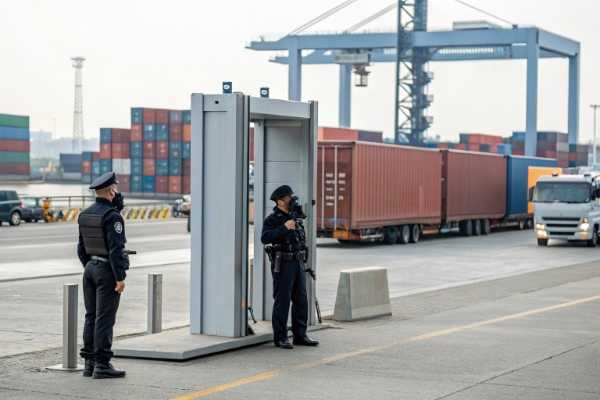
Are you ready to start your importing journey from China to Australia? Importing can be tricky, but knowing what you'll need makes it easier.
To import goods into Australia from China, you typically do not need an import license1. However, you must declare all arriving goods to the Australian Border Force2. Goods valued under AUD 1,000 can often clear customs without a formal import declaration.3
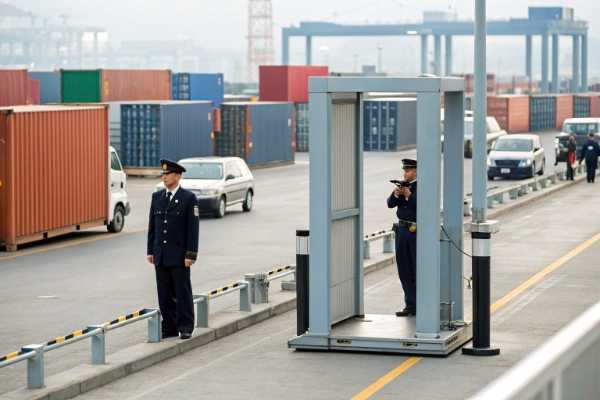
When you import goods, understanding customs requirements is crucial. Many people feel overwhelmed by the paperwork and regulations. I’ve been there, and I understand the confusion. But having the right information helps make the process smoother. Let's take a closer look at what you need to know.
Do You Need an Import License in Australia?
Do you need an import license to bring goods into Australia? The simple answer is no. Most goods can be imported without a specific license.4
Typically, you do not need an import license for general goods. However, all arriving goods must be declared to the Australian Border Force unless an exemption applies.

When I first started importing, I was surprised by the lack of necessary licensing. I thought it was going to be a complicated process. Fortunately, I discovered that, for most products, I just needed to follow the standard customs processes. This made it much easier for me to navigate my way through importing.
What Documents Are Required for Customs Clearance?
What documents do you need for customs clearance? Having the right documents is key to ensuring a smooth process.
You need to prepare several commercial documents, such as the invoice, packing list, and correct tariff classification5. For goods over AUD 1,000, an import declaration must be completed.6
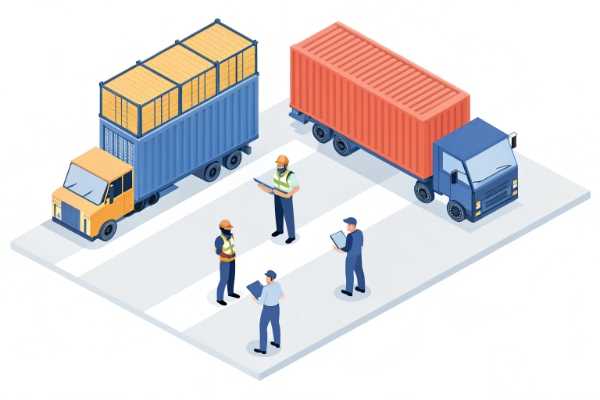
When I started, I learned that proper documentation is crucial. I had to pay careful attention to every detail. Incorrect documents can lead to delays and extra costs. So, I always double-check everything now. Preparing these documents ahead of time can save you a lot of headaches later.
How Do Australian Customs Calculate Import Taxes?
How are import taxes calculated by Australian Customs? This is an essential part of the importing process.
Australian Customs calculates import duties based on the customs value of the goods7, which typically includes the cost, insurance, and freight (CIF). For goods over AUD 1,000, you must also consider GST and import processing charges8.

When I first dealt with import taxes, it felt overwhelming. I had to get familiar with the costs associated with my shipments. Understanding how customs value goods helped me plan better for expenses. Knowing that I needed to consider all costs up front made budgeting much easier.
Which Products Require Special Permits?
Are there specific products that need special permits? Yes, certain items do require additional approvals.
Even low-value or duty-free items may need permits or approvals.9 Importers are responsible for ensuring compliance with product safety, labeling, testing, and certification rules10.
I faced challenges with special permits when importing certain items. I learned the hard way that not all products are straightforward. For instance, food items and health products often require permits. Now, I always research regulations beforehand to avoid delays and issues at customs.
How Long Does Customs Clearance Take?
What is the expected time frame for customs clearance? This can vary depending on several factors.
Customs clearance times can differ widely. Generally, it may take anywhere from a few hours to several days. If there are issues, such as missing documentation or if the goods are flagged for inspection, the process may take longer.
When my shipments have been delayed, it was often due to unforeseen issues at customs. I learned the importance of planning and allowing extra time for clearance. Now, I always factor in potential delays to avoid disappointment and keep my supply chain running smoothly.
What Happens If Your Shipment Is Held by Customs?
What should you do if your shipment is held by customs? This can be a stressful situation for importers.
If customs holds your shipment, you will receive a notice explaining the reason. You may need to provide additional documentation or pay due charges before your goods can be released.
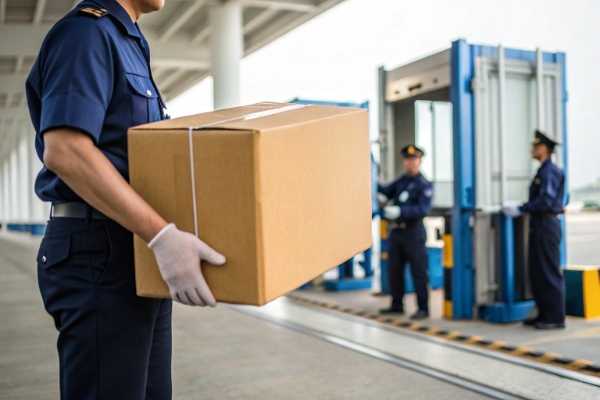
I remember the panic when one of my shipments was held. It turned out to be a simple documentation issue. Once I provided the missing documents, the shipment was cleared. Now, I keep organized records to respond quickly if there’s a problem.
Can a Freight Forwarder Handle Everything for You?
Can a freight forwarder take care of the entire process? Yes, they can be a valuable resource.
A freight forwarder can manage the logistics of your shipment, including customs clearance, documentation, and transportation. This can save you time and reduce the hassle involved in the importing process.
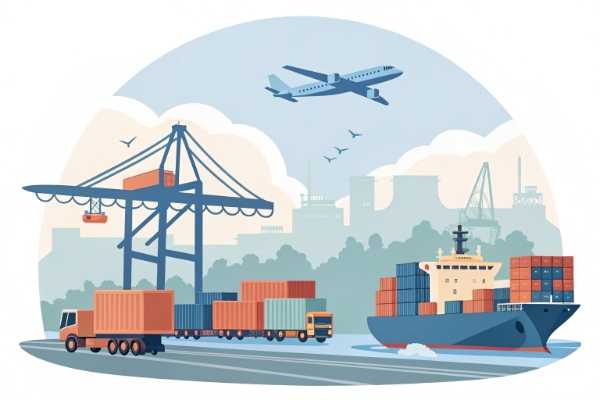
Using a freight forwarder was a game-changer for me. They handled everything from customs clearance to delivery. This saved me time and stress. Now I can focus on growing my business while they manage the complex logistics.
Conclusion
Importing goods from China to Australia can be straightforward with the right knowledge and preparation.
"Australia - Import Requirements and Documentation", https://www.trade.gov/country-commercial-guides/australia-import-requirements-and-documentation. An Australian Border Force import guidance page states that Australia does not require a general import licence for most goods, while noting that some products are subject to permits or restrictions. Evidence role: general_support; source type: government. Supports: To import goods into Australia from China, importers typically do not need an import license.. Scope note: This supports the general rule only; product-specific controls may still apply. ↩
"What food can you bring in? - Australian Border Force", https://www.abf.gov.au/entering-and-leaving-australia/can-you-bring-it-in/categories/food. Australian Border Force guidance explains that imported goods must be reported or declared to border authorities, with declaration requirements varying by goods type, value, and transport pathway. Evidence role: general_support; source type: government. Supports: Importers must declare arriving goods to the Australian Border Force unless an exemption or simplified process applies.. Scope note: The exact declaration process can differ for mail, air cargo, sea cargo, and low-value goods. ↩
"Buying online - Australian Border Force", https://www.abf.gov.au/buying-online/buying-online. Australian Border Force material on low-value imports describes simplified clearance arrangements for goods valued at AUD 1,000 or less, distinguishing them from consignments that require a full import declaration. Evidence role: definition; source type: government. Supports: Goods valued under AUD 1,000 can often be cleared without a formal import declaration.. Scope note: Low-value status does not remove all obligations; prohibited, restricted, or biosecurity-controlled goods may still require permits, inspection, or other reporting. ↩
"Australia - Import Requirements and Documentation", https://www.trade.gov/country-commercial-guides/australia-import-requirements-and-documentation. Official Australian import guidance states that most goods do not require a general import licence, although some categories are controlled by separate permit, quarantine, or safety regimes. Evidence role: general_support; source type: government. Supports: Most goods can be imported into Australia without a specific import license.. Scope note: The statement is broad and does not identify controlled product categories that require separate approval. ↩
"Schedule 4 - Tariff classification - Australian Border Force", https://www.abf.gov.au/importing-exporting-and-manufacturing/tariff-classification/current-tariff/schedule-4. Australian customs guidance identifies commercial documentation and tariff classification as core information used to assess imported goods, including their value, description, and applicable duties or taxes. Evidence role: general_support; source type: government. Supports: Importers should prepare commercial documents such as an invoice, packing list, and correct tariff classification for customs clearance.. Scope note: Required documents can vary depending on the transport mode, commodity, and whether a broker lodges the declaration. ↩
"Buying online - Australian Border Force", https://www.abf.gov.au/buying-online/buying-online. Australian Border Force guidance states that imported goods with a customs value above AUD 1,000 generally require an import declaration to be lodged for clearance. Evidence role: definition; source type: government. Supports: Goods valued over AUD 1,000 generally require an import declaration in Australia.. Scope note: Some specific pathways and exempt goods may have additional or different reporting arrangements. ↩
"[PDF] VALUAtion oF iMPoRtED GooDS - Australian Border Force", https://www.abf.gov.au/imports/files/fact-sheets/fs-value-imported-goods.pdf. Australian Border Force customs valuation guidance explains that duty is assessed using the customs value of imported goods, calculated under statutory valuation rules rather than solely by the commercial invoice total. Evidence role: definition; source type: government. Supports: Australian import duties are calculated by reference to the customs value of the goods.. Scope note: This source would support the role of customs value in duty calculation; it may not support the article’s wording if it implies that Australian customs value is simply CIF. ↩
"GST on low value imported goods | Australian Taxation Office", https://www.ato.gov.au/businesses-and-organisations/international-tax-for-business/gst-for-non-resident-businesses/gst-on-low-value-imported-goods. Australian Taxation Office and Australian Border Force guidance describe GST collection on taxable importations and import processing charges associated with certain import declarations. Evidence role: general_support; source type: government. Supports: For goods over AUD 1,000, importers may need to account for GST and import processing charges.. Scope note: GST and processing charges depend on the type of importation, value, concessions, and declaration pathway. ↩
"Australia - Prohibited & Restricted Imports", https://www.trade.gov/country-commercial-guides/australia-prohibited-restricted-imports. Australian government import controls guidance explains that some goods require permits, licences, or other approvals regardless of their customs value or duty rate, particularly where biosecurity, safety, health, or restricted-goods rules apply. Evidence role: general_support; source type: government. Supports: Low-value or duty-free imported goods may still require permits or approvals.. Scope note: The source would establish the principle, but individual permit requirements must be checked by product and tariff classification. ↩
"How to source and test products - ACCC Product Safety", https://www.productsafety.gov.au/business/know-how-to-sell-safe-products/how-to-source-and-test-products. Australian product safety and standards guidance explains that suppliers and importers are responsible for ensuring goods comply with applicable safety standards, labelling requirements, and conformity obligations before supply in Australia. Evidence role: expert_consensus; source type: government. Supports: Importers are responsible for ensuring compliance with applicable product safety, labeling, testing, and certification rules.. Scope note: Requirements differ substantially by product category; a general product-safety source will not prove that every imported item requires testing or certification. ↩