
DDP shipping can seem complicated. But understanding it is crucial for smooth imports. Let's break down the essentials of DDP shipping.
DDP stands for Delivered Duty Paid. This means the seller manages all costs, including freight, customs clearance, duties, and delivery right to your door.1
The DDP shipping process can be overwhelming. But it's also essential to know how it functions to avoid any surprises. Many buyers worry about hidden costs and customs delays. With DDP, you can shop with more confidence. DDP provides a clear picture of costs and processes involved in shipping from China to Australia.
What Does DDP Shipping Include?
DDP shipping includes several key components. First, it covers all transportation costs from the seller's warehouse in China to your specified address in Australia. This includes freight charges, customs duties, and any other fees. The seller is responsible for ensuring that the goods arrive safely and on time.
DDP shipping generally involves handling customs clearance, duties, and taxes.2 This means fewer surprises for you at delivery. The forwarder pays duties and GST ahead of time3, smoothing the process.
DDP also supports less-than-container-load (LCL) shipments.4 This means you can consolidate goods from different suppliers into one shipment. It is especially useful for businesses looking to reduce costs and streamline their logistics. Additionally, DDP can handle deliveries to Amazon FBA, private residences, or business addresses.
How Does the DDP Process Work?
Understanding the DDP process is crucial. First, you place your order with a supplier in China. Once you finalize the shipment details, the seller will arrange for a freight forwarder.
The freight forwarder takes charge of logistics.5 They handle everything from picking up the goods in China to delivering them in Australia. This includes managing customs clearance and paying any duties and taxes upfront.
Air freight DDP typically takes 5-12 days. In contrast, sea freight may take 18-35 days.6 The forwarder acts as both the exporter and importer. This means you won’t need a separate import license.7 This arrangement simplifies the process for you, allowing you to focus on your core business.
Who Handles Customs and GST in Australia?
Customs and GST in Australia can be tricky. Under a DDP agreement, the freight forwarder is responsible for clearing customs and paying GST. The forwarder calculates the GST based on the goods' value, usually around 10-15%.8 This is settled with the Australian customs authorities before delivery.
The accurate declaration of goods is essential. The forwarder must use the correct HS codes to avoid delays during customs clearance.9 If the codes are wrong, your shipment could face quarantine checks or longer hold times.
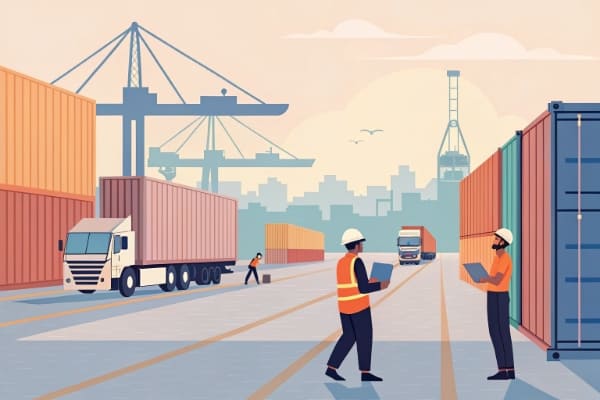
Navigating customs can be challenging. But with DDP shipping, the forwarder's expertise ensures a smoother process, minimizing the chances of unexpected delays.
What Goods Can Be Shipped via DDP?
Several types of goods can be shipped using DDP. Typical items include consumer electronics, clothing, promotional products, and office supplies. However, it's essential to know what cannot be shipped.
Prohibited items typically include IPR-infringing goods, illegal substances, and items that require complex clearance processes.10 Batteries and certain liquids often fall into this category. Always check regulations before shipping to avoid hiccups.
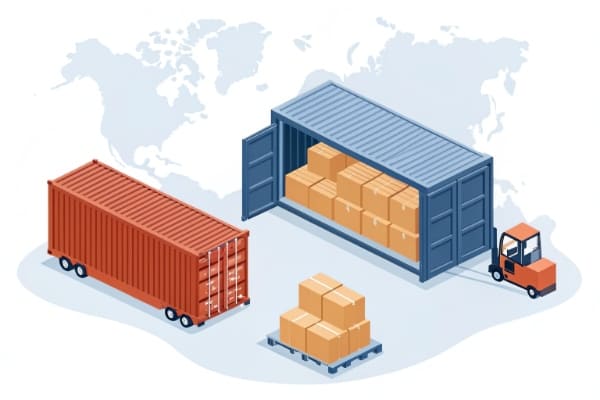
DDP can accommodate cargo consolidation from multiple suppliers, which reduces transportation costs and simplifies logistics. You can also request additional services, like labeling, inspection, and repacking.
Why Choose DDP Shipping to Australia?
Choosing DDP shipping has many advantages. First, it offers predictable costs. You know exactly what you’re paying for upfront, without hidden fees. This clarity is especially crucial for eCommerce businesses that require precise budgeting.
Additionally, DDP shipping allows for seamless logistics management. With one point of contact for all aspects of shipping, you can save time and effort. The forwarder manages everything from sourcing to final delivery.
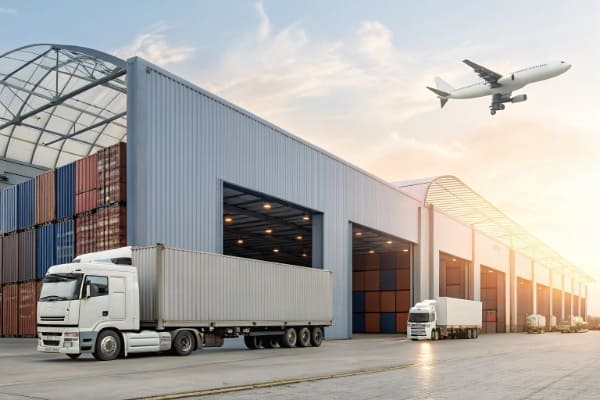
Also, DDP enhances eCommerce fulfillment. It simplifies the process for buyers by reducing sourcing risks and delivering a stress-free experience. Whether you’re shipping small orders or large quantities, DDP is an effective solution for reliable deliveries.
Conclusion
In summary, DDP shipping from China to Australia provides a straightforward and efficient solution for international buyers. You gain clarity in costs and responsibilities, making logistics easier.
"Incoterms", https://en.wikipedia.org/wiki/Incoterms. The ICC Incoterms rule for Delivered Duty Paid assigns the seller responsibility for delivering goods to the named destination and for import clearance, duties, and taxes, supporting the article’s description of seller-side cost responsibility. Evidence role: definition; source type: institution. Supports: Under DDP, the seller manages freight, customs clearance, duties, and delivery to the buyer’s door.. Scope note: Incoterms allocate contractual responsibilities but do not by themselves prove that every quoted commercial DDP service includes all possible ancillary charges. ↩
"Know Your Incoterms - International Trade Administration", https://www.trade.gov/know-your-incoterms. Authoritative Incoterms guidance describes DDP as the rule under which the seller bears responsibility for import clearance and payment of applicable duties and taxes at the destination. Evidence role: definition; source type: institution. Supports: DDP shipping involves customs clearance, duties, and taxes being handled before delivery to the buyer.. Scope note: The precise party physically performing clearance may be a broker or freight forwarder acting for the seller, depending on the contract and local law. ↩
"GST and other taxes when importing - Australian Border Force", https://www.abf.gov.au/importing-exporting-and-manufacturing/importing/cost-of-importing-goods/gst-and-other-taxes. Australian Border Force and Australian Taxation Office guidance explains that imported goods may be subject to customs duty and GST before release for home consumption, supporting the need for these amounts to be settled during import clearance. Evidence role: mechanism; source type: government. Supports: In a DDP shipment to Australia, duties and GST are paid before final delivery as part of the import-clearance process.. Scope note: Government guidance supports the customs-payment mechanism but does not establish that a particular freight forwarder always pays these amounts rather than the seller or importer of record. ↩
"Less-than-container load (LCL) Definition - UPS", https://www.ups.com/us/en/supplychain/resources/glossary-term/less-than-container-load. Shipping and logistics references define less-than-container-load cargo as freight that does not fill a full container and is commonly consolidated with other cargo, supporting the article’s statement that DDP services can be applied to LCL movements. Evidence role: definition; source type: education. Supports: DDP can be used for less-than-container-load shipments involving consolidated cargo.. Scope note: The source would support the LCL concept and consolidation practice; DDP applicability still depends on the commercial service offered for a specific shipment. ↩
"Freight forwarder guidance and best practices", https://www.bis.gov/freight-forward-guidance. Freight-forwarding definitions from trade or transport authorities describe forwarders as intermediaries that arrange cargo movement and related documentation, supporting the article’s characterization of their logistics role. Evidence role: definition; source type: institution. Supports: A freight forwarder can coordinate logistics for an international shipment, including transport arrangements and documentation.. Scope note: A general definition does not prove that a forwarder will perform every listed task in every DDP transaction; responsibilities depend on the service contract. ↩
"Shipping from China to Australia [Updated April 2026 ] - Freightos", https://www.freightos.com/shipping-routes/shipping-from-china-to-australia/. Published transit-time references for China–Australia air and ocean freight can contextualize the article’s estimated ranges by showing the substantial time difference between air cargo and sea cargo on this trade lane. Evidence role: statistic; source type: other. Supports: Air freight from China to Australia is typically faster than sea freight, with approximate transit ranges similar to 5–12 days by air and 18–35 days by sea.. Scope note: Transit times vary by origin, destination, carrier schedule, customs inspection, consolidation time, and season; a source may provide contextual benchmarks rather than direct proof of these exact DDP ranges. ↩
"Requirements to import goods - Australian Border Force", https://www.abf.gov.au/importing-exporting-and-manufacturing/importing/how-to-import/requirements. Australian Border Force guidance states that there is no general licence requirement to import goods into Australia, although permits or approvals may be required for controlled products, supporting the article’s statement only for ordinary goods. Evidence role: general_support; source type: government. Supports: Most ordinary imports into Australia do not require a separate general import licence.. Scope note: This does not mean all products can be imported without approval; restricted goods may require permits, biosecurity clearance, or other regulatory authorisations. ↩
"GST and other taxes when importing - Australian Border Force", https://www.abf.gov.au/importing-exporting-and-manufacturing/importing/cost-of-importing-goods/gst-and-other-taxes. Australian Taxation Office guidance states that GST on taxable importations is generally 10% of the value of the taxable importation, which includes customs value plus certain duty, transport, and insurance amounts. Evidence role: statistic; source type: government. Supports: GST on Australian taxable importations is calculated under official rules and is generally 10% of the taxable importation value.. Scope note: The source would not support GST itself being 10–15%; it would support the 10% GST rate and explain why total landed tax and duty charges may vary by product and valuation method. ↩
"Harmonized System (HS) Codes - International Trade Administration", https://www.trade.gov/harmonized-system-hs-codes. Customs authorities and the World Customs Organization describe HS classification as the basis for identifying goods and applying duties and controls, supporting the importance of correct HS codes in customs clearance. Evidence role: mechanism; source type: institution. Supports: Correct HS codes are necessary for customs classification and can affect clearance, duties, and controls.. Scope note: Correct HS classification reduces compliance risk but does not eliminate other causes of delay such as inspections, documentation errors, or biosecurity holds. ↩
"Australia - Prohibited & Restricted Imports", https://www.trade.gov/country-commercial-guides/australia-prohibited-restricted-imports. Australian Border Force guidance lists categories of prohibited and restricted imports, including certain drugs, weapons, protected goods, and goods that may infringe intellectual-property rights, supporting the need to screen cargo before importation. Evidence role: general_support; source type: government. Supports: Some goods, including illegal substances and intellectual-property-infringing goods, are prohibited or restricted for import into Australia.. Scope note: The exact status of an item depends on Australian law, product characteristics, permits, and biosecurity requirements; the source may not classify all “complex clearance” goods as prohibited. ↩