
Shipping is a crucial part of global trade.1 Choosing between FCL and LCL can significantly affect your business.
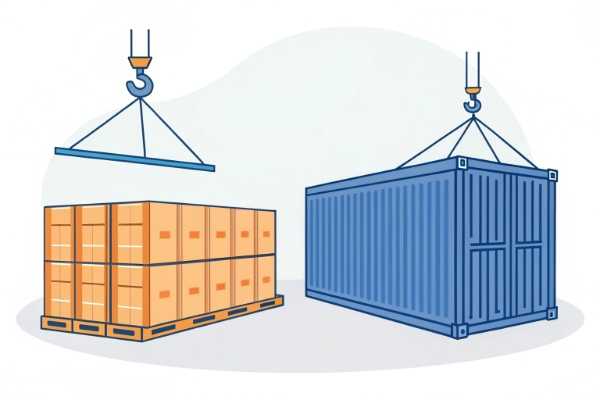
FCL gives one shipper exclusive use of the container, while LCL shares container space among multiple shippers.2 This distinction can influence many decisions in your shipping strategy.
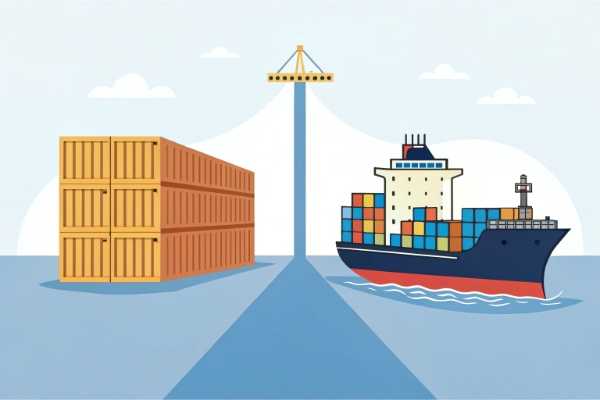
When it comes to shipping, importers must make informed decisions. FCL (Full Container Load) and LCL (Less than Container Load) have unique features that might suit different needs. Understanding them can save you time and money.
What Is the Difference Between FCL and LCL Shipping?
FCL involves leasing an entire container for your shipment. This means you're not sharing space with anyone else. LCL, on the other hand, allows multiple shippers to share a single container. It’s like carpooling for goods. This fundamental difference affects various aspects of shipping.
FCL is often preferred for larger shipments as it provides exclusive use of the container, ensuring a direct route to the destination. LCL is better for smaller loads since you only pay for the space you occupy.
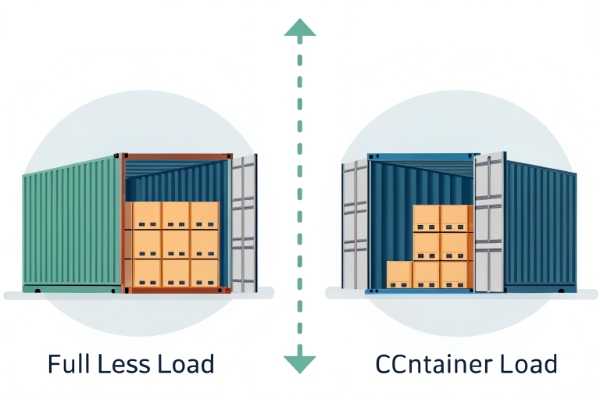
FCL often leads to fewer delays since the container does not need to be consolidated with others.3 This makes it a preferable option for time-sensitive shipments. Conversely, LCL shipments may experience delays due to the need for consolidation and deconsolidation processes.
How Do FCL and LCL Compare in Cost?
Cost is a major concern for importers. FCL and LCL have different pricing structures. Typically, LCL appears cheaper for smaller shipments, as you only pay for what you use. However, as the shipment size increases, FCL often becomes more economical.
FCL is generally more cost-effective for larger loads.4 As volume increases, the cost per unit tends to drop significantly, making it more attractive for bulk shipping.5
Another key point is to consider total landed costs. This includes shipping, handling, and other fees.6 LCL might seem cheaper initially, but additional costs can add up. It’s crucial to look at the full picture rather than just the ocean freight rates.
How Do FCL and LCL Compare in Transit Time?
Time matters in shipping. FCL usually offers faster transit times than LCL. Since FCL skips the consolidation process, it can go directly from the port of origin to the destination.
LCL shipments can take longer due to additional steps required for consolidation and deconsolidation.7 This can lead to delays that affect your supply chain.

If speed is a priority, FCL is often the better choice. Even if you don’t fill the entire container, the advantages in transit time and product protection may outweigh the upfront costs.
Which Types of Cargo Are Best Suited for FCL or LCL?
The type of cargo plays a significant role in your shipping decision. FCL is ideal for large, regular shipments. It’s perfect for bulky items or products that require secure transport.
LCL is better suited for smaller, irregular shipments.8 It allows for flexibility, especially for companies that don’t have the volume to fill an entire container.
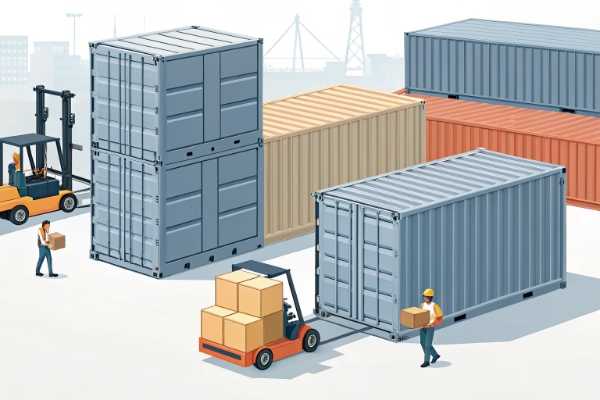
For instance, if you’re shipping furniture or machinery, FCL is usually the best option. Conversely, if you're sending promotional products or smaller items, LCL provides a cost-effective solution.
What Are the Advantages and Disadvantages of FCL vs LCL?
Both FCL and LCL have their pros and cons. FCL offers better security and lower damage risk since the container is sealed from origin to destination. It also simplifies the shipping process, reducing touchpoints.
However, FCL can be more expensive for smaller shipments. On the other hand, LCL allows for more flexible shipping options but comes with increased handling and customs complexities.

The choice depends on your specific needs. Consider factors like shipment size, required speed, and budget when making your decision.
What Common Mistakes Should Importers Avoid When Choosing FCL or LCL?
Importers can make common mistakes when deciding between FCL and LCL. One of the biggest mistakes is not considering the total landed cost. Focusing solely on ocean freight can lead you to overlook hidden fees.
Another mistake is underestimating the importance of transit time. Choosing LCL for a time-sensitive shipment can result in delays that affect your business operations.

Many importers also fail to consider the nature of their cargo. Not every shipment is suitable for LCL, and using it for larger loads can lead to inefficiencies.
How Do You Decide Whether FCL or LCL Is Right for Your Shipment?
Deciding between FCL and LCL requires careful consideration. Start by assessing your shipment size. A practical threshold is around 15 CBM.9 If your shipment is below that, LCL is generally favored. If it’s above, FCL may be the better choice.
Also, consider the urgency of your shipment. If time is critical, FCL is likely the way to go. Ensure you evaluate factors like product protection, budget, and delivery timelines to make an informed decision.
Understanding your specific shipping needs is vital. Analyze your cargo type, urgency, and budget to arrive at the best choice for your situation.
Conclusion
Choosing between FCL and LCL is a key decision for importers. Consider shipment size, urgency, and total costs for the best outcome.
"International Shipping and World Trade Facts and figures - seors", https://seors.unfccc.int/applications/seors/attachments/get_attachment?code=P3NL79DO7SC1VMXXTMI8WYF2EFRAQN19. UNCTAD’s Review of Maritime Transport reports that maritime transport carries the majority of world merchandise trade by volume, supporting the article’s characterization of shipping as central to global trade; the figure specifically concerns seaborne trade rather than every shipping mode. Evidence role: statistic; source type: institution. Supports: Shipping is a crucial part of global trade.. Scope note: Supports the importance of maritime shipping specifically, not all logistics or parcel shipping. ↩
"(PDF) Liner Shipping Operation", https://www.academia.edu/10134712/Liner_Shipping_Operation. A neutral logistics or trade reference defining full container load and less-than-container load can substantiate that FCL denotes use of an entire container by one shipment, whereas LCL combines cargo from multiple shippers in one container. Evidence role: definition; source type: education. Supports: FCL gives one shipper exclusive use of the container, while LCL shares container space among multiple shippers.. ↩
"[PDF] Improving the Import LCL/LCL Sea Freight Forwarding Process", https://www.gajrc.com/media/articles/GAJEB_81_10-17.pdf. A supply-chain or freight-forwarding process reference can support the mechanism that LCL cargo requires consolidation steps while FCL cargo does not, making fewer handling stages a plausible reason for reduced delay risk. Evidence role: mechanism; source type: education. Supports: FCL often leads to fewer delays since the container does not need to be consolidated with others.. Scope note: This supports the operational mechanism, not a universal guarantee that FCL shipments always experience fewer delays. ↩
"LCL vs FCL Shipping: Which Container Option Saves You ...", https://eplogistics.com/blog/lcl-vs-fcl-container/. A freight economics or logistics source can substantiate the general cost principle that fixed container charges can make FCL more economical at higher cargo volumes, while noting that the break-even point varies by route and market conditions. Evidence role: mechanism; source type: education. Supports: FCL is generally more cost-effective for larger loads.. Scope note: The source would support a general cost relationship, not a fixed universal threshold. ↩
"FREIGHT TRANSPORTATION Improvements and the Economy", https://rosap.ntl.bts.gov/view/dot/4100/dot_4100_DS1.pdf. A transportation economics source on economies of scale can support the principle that higher shipment volumes may reduce per-unit transport costs, providing context for why larger containerized shipments can favor FCL. Evidence role: mechanism; source type: paper. Supports: As volume increases, the cost per unit tends to drop significantly, making it more attractive for bulk shipping.. Scope note: The evidence would support the economic principle generally; actual container rates may fluctuate with lane, season, capacity, and surcharges. ↩
"Determine Total Export Price", https://www.trade.gov/determine-total-export-price. A government trade or customs guidance source defining landed cost can support that total import cost commonly includes freight, handling, duties, taxes, insurance, and related charges beyond the base ocean freight rate. Evidence role: definition; source type: government. Supports: Total landed cost includes shipping, handling, and other fees.. Scope note: Specific landed-cost components vary by country, incoterm, commodity, and transaction structure. ↩
"LCL (Less Container Load): definition and differences with ...", https://acrosslogistics.com/blog/en/lcl-less-container-load. A logistics process source describing LCL consolidation at origin and deconsolidation at destination can substantiate why LCL may require additional handling time compared with FCL. Evidence role: mechanism; source type: education. Supports: LCL shipments can take longer due to additional steps required for consolidation and deconsolidation.. Scope note: This supports a common operational reason for longer transit, not a measured delay for every trade lane. ↩
"Less Than Container Load: The Engine of Flexible Logistics", https://dclcorp.com/blog/shipping/lcl-less-than-container-load/. A logistics education source explaining LCL as a service for cargo that does not fill a full container can support the claim that it is commonly suited to smaller or less regular shipments. Evidence role: general_support; source type: education. Supports: LCL is better suited for smaller, irregular shipments.. Scope note: Suitability also depends on cargo value, fragility, schedule, destination, and handling requirements. ↩
"FCL vs LCL Shipping Cost: The 15 CBM Break-Even Decision Guide", https://seafreightgo.com/fcl-vs-lcl-shipping-cost-break-even-point/. A logistics cost-comparison source can support that some freight decision guides use a rough LCL-to-FCL break-even range near 15 cubic meters, while emphasizing that the threshold is only a rule of thumb and varies by route, rates, container type, and local charges. Evidence role: general_support; source type: other. Supports: A practical threshold is around 15 CBM.. Scope note: The 15 CBM threshold is not a universal industry standard and should be presented as an approximate planning heuristic. ↩