
Shipping products from China to Germany involves several decisions. Choosing the right shipping method is crucial. Whether you're a small business owner or a large corporation, understanding these options can save you time and money.
When deciding on a shipping method, consider the cargo type, urgency, and budget1. Each shipping option has its advantages and disadvantages.
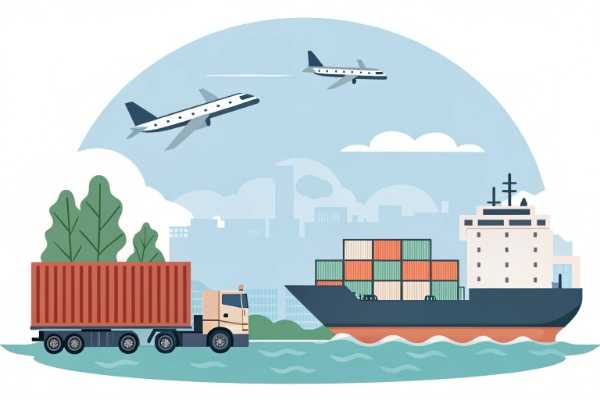
Finding the right shipping method is essential for successful logistics. You need to consider various factors, including how quickly you need the cargo, how much you are willing to pay, and the type of goods being shipped. This blog will explore each shipping option available to you.
Which Shipping Method Is Right for Your Cargo?
When selecting a shipping method, you need to think about your cargo's specific needs. Sea freight, air freight, rail freight, and DDP all have unique characteristics.
Sea freight is the most economical choice for large, non-urgent shipments.2 Conversely, air freight is the fastest but comes at a higher price3. Rail freight offers a balance of cost and speed4, while DDP provides a hassle-free delivery option.
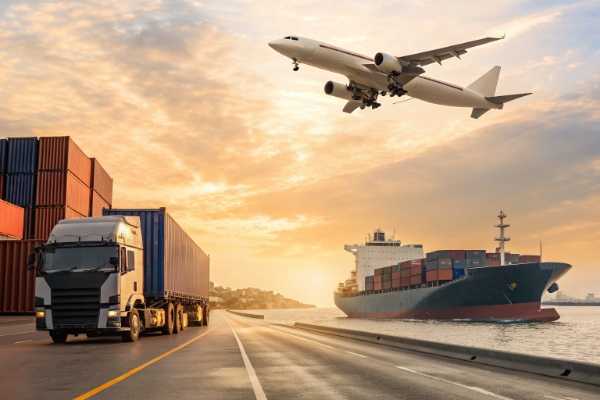
Evaluating your cargo's size, value, and urgency will guide you in making the best choice. For large bulk shipments, sea freight is usually the most cost-effective option. If you’re dealing with high-value or time-sensitive items5, air freight might be your best bet. Rail freight can serve as a middle ground for businesses that need a quicker option without the price tag of air freight.
How Long Does Sea Freight to Germany Take?
Understanding shipping timelines helps set accurate expectations. Sea freight typically takes about 25 to 33 days to reach Germany from China.
This method is ideal for businesses that can afford to wait and want to save on transportation costs.
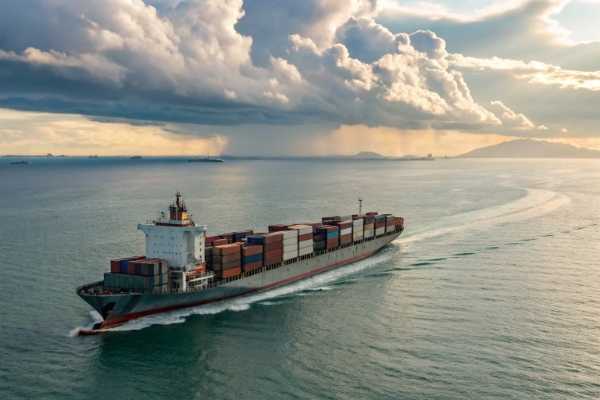
While sea freight may take longer, it is often the most economical choice for bulk orders. This option is well-suited for items that are not time-sensitive. If you have flexibility in your schedule, sea freight remains a strong contender.
Is Air Freight Worth the Higher Cost?
Air freight is the fastest shipping option, taking around 5 to 7 days to reach Germany.
For urgent or high-value cargo, air freight can be the best choice despite its higher costs.
When time is of the essence, air freight often justifies the price. However, it is worth noting that as the shipment size increases, the cost-benefit ratio may shift. For larger shipments, the cost of air freight can significantly impact your bottom line.
Is Rail Freight Still a Good Option for Europe?
Rail freight has emerged as a practical alternative, offering a balance between cost and speed. Typically, rail shipping takes about 12 to 18 days6.
For mid-sized commercial loads, rail freight can be an excellent option for companies looking for a faster shipment than sea freight without the hefty price of air freight.
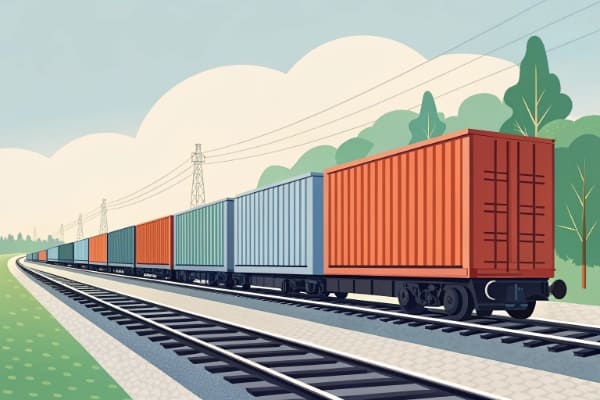
As businesses look for efficient shipping solutions, rail freight provides a middle-ground solution. If you have a sizable load and need it delivered relatively quickly, rail freight deserves your consideration.
What Is DDP Shipping and Is It Right for Germany?
DDP, or Delivered Duty Paid7, is a shipping option that includes all costs associated with shipping, including customs clearance and duties.
This option simplifies the shipping process for buyers, as it shifts most responsibilities to the seller or forwarder8.
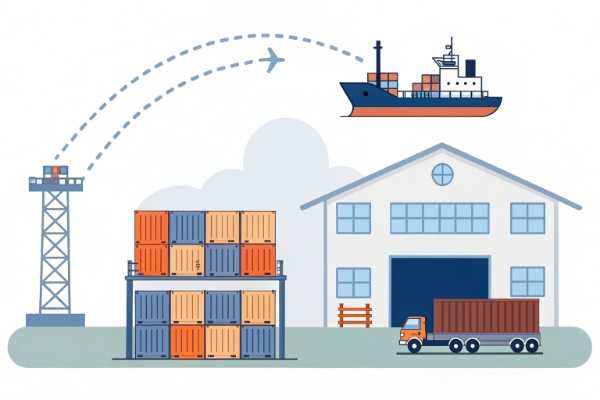
If customs complexity or local compliance risks are a concern, DDP can ease the burden. It allows buyers to focus on their business instead of the hassles of shipping logistics. This might be the best choice for those who prefer a hands-off approach.
FOB vs EXW vs CIF vs DDP: Which Incoterm Should You Choose?
Understanding Incoterms is critical in shipping. FOB (Free on Board), EXW (Ex Works), CIF (Cost, Insurance, and Freight), and DDP each have implications for cost and responsibility.
Choosing the right Incoterm affects who manages shipping, insurance, and customs.9
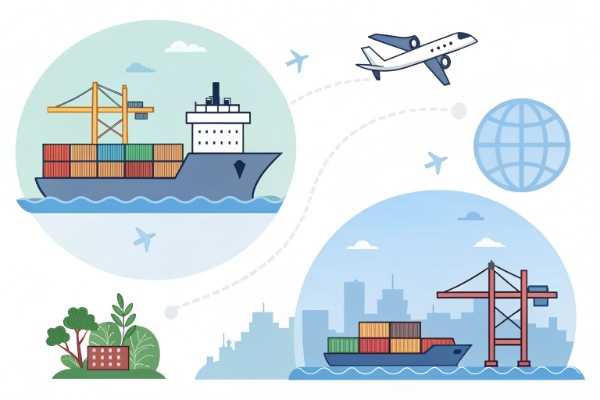
- FOB: The seller is responsible for costs until the goods are loaded onto the shipping vessel.
- EXW: The buyer assumes all risks and costs once the goods leave the seller's premises.
- CIF: The seller covers costs and insurance until the goods reach the destination port.
- DDP: The seller takes on all responsibilities, including delivery to the buyer's location.
The best choice depends on your business model and how much control you want over logistics.
How Can You Avoid Shipping Delays and Unexpected Costs?
Preventing shipping delays and unexpected expenses is vital for maintaining a smooth supply chain.
To avoid these pitfalls, thorough planning and communication are key.
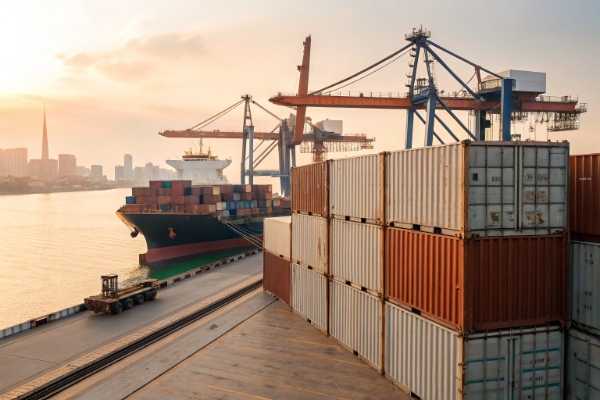
Ensure you complete all paperwork accurately and on time. Engage with your shipping partner early to anticipate any customs issues. Understanding your chosen shipping method’s timelines can also help set realistic expectations.
FAQs About Shipping from China to Germany
When shipping from China to Germany, you may have several questions. Here are some frequent concerns:
What is the best shipping method? It depends on urgency, cargo type, and budget. Sea freight is often best for bulk orders, while air freight is ideal for urgent shipments.
How can I reduce shipping costs? Consider consolidating shipments or choosing a slower shipping method like sea freight.
Are there hidden costs with DDP shipping? DDP reduces surprises by covering duties and customs clearance, but always confirm all included services with your shipping partner.
Conclusion
Choosing the right shipping method from China to Germany requires careful consideration of your cargo's needs and your budget.
"(PDF) The Factors Influencing The Modes of Choice in Intermodal ...", https://www.academia.edu/18930040/The_Factors_Influencing_The_Modes_of_Choice_in_Intermodal_Transportation. A logistics or trade-transport source should support that mode selection is commonly based on shipment characteristics such as cargo type, delivery urgency, and transport cost constraints. Evidence role: expert_consensus; source type: education. Supports: When deciding on a shipping method, consider the cargo type, urgency, and budget.. Scope note: This would support the general decision framework rather than prescribe a single best mode for every China–Germany shipment. ↩
"[PDF] Fathoming Shipping Costs: An Exploration - World Bank Document", https://documents1.worldbank.org/curated/en/099436104042241280/pdf/IDU0c20d2ae90046304ca009ab508217e50747bd.pdf. A transport economics source should support that maritime shipping generally has the lowest unit cost for high-volume international freight, especially when delivery time is less critical. Evidence role: general_support; source type: institution. Supports: Sea freight is the most economical choice for large, non-urgent shipments.. Scope note: Rates vary by route, capacity, fuel prices, and market conditions, so this supports the typical cost relationship rather than a guaranteed price for any shipment. ↩
"Air Freight: A Market Study with Implications for Landlocked Countries", https://www.worldbank.org/en/topic/transport/publication/air-freight-study. An authoritative transport source should document that air cargo offers shorter transit times than sea or rail freight but generally has higher transport costs per unit of weight or volume. Evidence role: general_support; source type: institution. Supports: Air freight is the fastest but comes at a higher price.. Scope note: The comparison is contextual; specific quotes depend on lane, shipment size, capacity, and service level. ↩
"Pre-Covid-19 sea and road freight volumes show continued growth", https://www.itf-oecd.org/pre-covid-19-sea-road-freight-growth. A transport-policy or logistics source should support that rail freight commonly occupies an intermediate position between maritime and air transport in transit time and cost on Eurasian routes. Evidence role: general_support; source type: institution. Supports: Rail freight offers a balance of cost and speed.. Scope note: The balance may change with border procedures, network disruptions, subsidies, and route availability. ↩
"Air Freight: A Market Study with Implications for Landlocked Countries", https://www.worldbank.org/en/topic/transport/publication/air-freight-study. A logistics textbook or institutional source should support that air cargo is commonly used for goods with high value density, perishability, or time sensitivity because faster transit can offset higher freight charges. Evidence role: expert_consensus; source type: education. Supports: If you’re dealing with high-value or time-sensitive items, air freight might be your best bet.. Scope note: This supports the typical rationale for choosing air freight, not a universal rule for all high-value goods. ↩
"China-Europe freight transportation under the first wave of COVID ...", https://pmc.ncbi.nlm.nih.gov/articles/PMC9682051/. A transport corridor or research source should support that China–Europe rail freight services often advertise or achieve transit times in the range of roughly two to three weeks, including routes to European hubs. Evidence role: statistic; source type: research. Supports: Typically, rail shipping takes about 12 to 18 days.. Scope note: Actual China–Germany rail transit varies by origin, destination terminal, border crossings, gauge changes, customs procedures, and geopolitical disruptions. ↩
"Know Your Incoterms - International Trade Administration", https://www.trade.gov/know-your-incoterms. The ICC Incoterms definition should support that Delivered Duty Paid places on the seller the obligation to deliver goods to the named destination cleared for import, with applicable duties and taxes paid. Evidence role: definition; source type: institution. Supports: DDP, or Delivered Duty Paid, is a shipping option that includes all costs associated with shipping, including customs clearance and duties.. Scope note: Incoterms define contractual responsibilities between buyer and seller; they do not by themselves determine freight price or guarantee customs outcomes. ↩
"Know Your Incoterms - International Trade Administration", https://www.trade.gov/know-your-incoterms. An Incoterms reference should support that under DDP the seller bears extensive responsibility for carriage, import clearance, and delivery to the named place, making it one of the maximum-obligation Incoterms for sellers. Evidence role: definition; source type: institution. Supports: This option simplifies the shipping process for buyers, as it shifts most responsibilities to the seller or forwarder.. Scope note: A forwarder may perform tasks operationally, but Incoterms allocate obligations between buyer and seller rather than automatically transferring legal responsibility to a freight forwarder. ↩
"Know Your Incoterms - International Trade Administration", https://www.trade.gov/know-your-incoterms. The ICC Incoterms rules should support that Incoterms allocate responsibilities, costs, and risks between buyer and seller for transport, insurance where applicable, export/import clearance, and delivery points. Evidence role: definition; source type: institution. Supports: Choosing the right Incoterm affects who manages shipping, insurance, and customs.. Scope note: Incoterms do not cover every contractual issue, such as transfer of title or all payment terms, so the source supports responsibility allocation only within the scope of Incoterms. ↩