
Importing goods into Germany can feel overwhelming. There are many regulations, documents, and certifications to consider. Understanding what is required is essential for a smooth process.
To import goods into Germany, you need a commercial invoice, packing list, transport document, EORI number, and customs declaration. These are crucial for clearing your goods through customs.

Getting the required documents right is important to avoid delays. This article will help you navigate the complexities of importing goods into Germany.
Do You Need an EORI Number?
To import goods into Germany, you must have an EORI number. This number is essential for customs registration. You will need to use it from your first import transaction. Without it, your goods may face delays or even be turned away at customs.
An EORI number is critical for customs clearance. It is required for all businesses importing into Germany, including non-EU companies.

The process of obtaining an EORI number is straightforward. You can apply through the German customs authority. Once you have it, keep it handy for all future imports. This number helps streamline your importing process.
When you import goods, ensure your EORI number is included in all correspondence. It connects your business with customs authorities, speeding up the process.
What Shipping Documents Are Required?
Several shipping documents are vital for importing into Germany. These include a commercial invoice, packing list, and transport document. Each document serves a specific purpose and must be accurate to avoid complications.
The commercial invoice details the transaction, including product descriptions and values. The packing list provides a breakdown of the shipment contents.

It's important to ensure these documents match exactly. Any discrepancies can slow down the customs clearance process. Customs authorities rely on these documents to assess duties and ensure compliance with regulations.
Make sure your commercial invoice includes all necessary information. This includes your EORI number, the buyer and seller details, and a complete list of goods. The packing list must match the commercial invoice to prevent issues.
Which Products Require CE Certification?
Many products imported into Germany must comply with EU standards. This is where CE certification comes into play. If your product falls under specific categories, you will need to show compliance with EU regulations.
CE certification is necessary for regulated products. It demonstrates that your product meets EU safety, health, and environmental protection requirements.
Products like electronics, toys, and machinery often require CE marking. This marking is crucial for market access in the EU. You must obtain a CE Declaration of Conformity to prove compliance.
Before shipping, check if your products require CE certification. If they do, gather all necessary documentation. This will prevent delays at customs and ensure your goods reach the market swiftly.
When Do You Need LUCID Packaging Registration?
LUCID packaging registration is essential for companies dealing with packaging materials in Germany. If your business sells products in Germany that are packaged, you must register.
LUCID registration helps ensure compliance with Germany's packaging laws. It aims to promote recycling and waste reduction.

You need to register with the LUCID Packaging Register before placing products on the market. This applies to all businesses, regardless of size. Once registered, you will receive a registration number.
Ensure that your packaging complies with German regulations. This includes proper labeling and waste management. Non-compliance can result in fines and other penalties.
Do Your Products Need WEEE or Battery Compliance?
If you are importing electronic goods or batteries into Germany, compliance with WEEE (Waste Electrical and Electronic Equipment) and battery regulations is crucial. These regulations aim to reduce waste and promote recycling.
WEEE compliance is mandatory for manufacturers and importers of electronic products. Battery compliance is necessary for any goods containing batteries.

You must register your products with the appropriate authorities. This includes providing information about your product's lifecycle and recycling options. Failing to comply can lead to fines or inability to sell your products.
Before shipping, verify if your products fall under WEEE or battery regulations. If they do, ensure you have the necessary registrations and labels. This will facilitate your customs process.
How Does German Customs Clearance Work?
German customs clearance is a critical step in the import process. Goods are typically cleared through the ATLAS system. This electronic system simplifies customs procedures and enhances efficiency.
The ATLAS system requires specific documentation for clearance. You may also use the Single Administrative Document (SAD) in some cases.
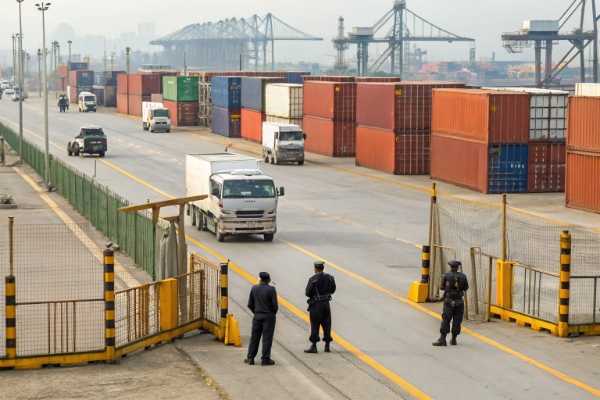
To clear goods, you need an accurate customs declaration. This declaration includes details about the goods, their value, and their origin. It is essential to have the correct goods/customs tariff number, as this determines customs formalities and duties.
Customs clearance is usually quick. However, ensure all your documents are in order to avoid delays. Customs authorities may inspect your goods, so it's best to be prepared.
Document Checklist Before Shipping from China
Before shipping from China to Germany, ensure you have all necessary documentation in place. Here’s a quick checklist:
- Commercial Invoice: Detailed transaction document.
- Packing List: Breakdown of shipment contents.
- Transport Document: Proof of shipment.
- EORI Number: Required for customs registration.
- Customs Declaration: Necessary for clearance.
- CE Certification: For regulated products.
- LUCID Registration: For packaging compliance.
- WEEE/Battery Compliance: If applicable.
This checklist helps ensure you have everything ready for a smooth import process.

Having all documents prepared can save time and prevent customs delays. Double-check each item on the checklist before shipping. This will help avoid complications and ensure your goods reach their destination without issues.
FAQs About German Import Documentation
Importing goods can raise many questions. Here are some frequently asked questions regarding German import documentation:
What is an EORI number?
- An EORI number is a unique identifier for businesses importing goods into the EU. It is essential for customs registration.
Do I need CE certification for all products?
- No, only certain regulated products require CE certification. Check if your product falls under these categories.
What happens if I don't have the right documents?
- Without the correct documents, your goods may face delays, fines, or rejection at customs.
How can I ensure compliance with German laws?
- Familiarize yourself with German and EU regulations. Consider consulting with a customs expert for guidance.
Preparing for importing can be challenging, but understanding the documentation requirements is key to ensuring a smooth process.
Conclusion
Having the right documents and certifications is crucial when importing goods into Germany. This ensures compliance and a smooth customs process.