
The process of calculating air freight charges can seem complicated. Understanding chargeable weight is key to avoiding unexpected costs. Many importers overlook this crucial detail.
Chargeable weight is the billing weight used by airlines. It’s calculated as the greater of actual gross weight or volumetric (dimensional) weight. Understanding this can save you money.
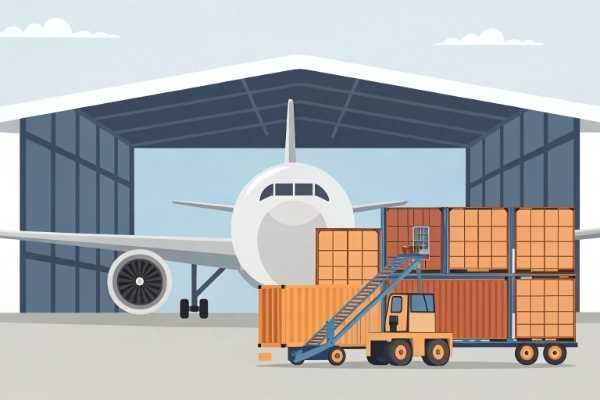
To navigate the world of air freight, you must grasp the concept of chargeable weight. This weight determines how much you will pay for shipping. It’s derived from either the actual weight of your cargo or its volumetric weight, depending on which is greater. If you’re importing goods, knowing this can help you budget more accurately.
LOOP START
What Is Chargeable Weight in Air Freight?
Chargeable weight is a standard used by airlines to calculate shipping costs. It ensures that the carriers cover the space your cargo will occupy in the aircraft. This weight can change based on the size and density of your shipment.
Chargeable weight is critical as it determines shipping costs. It’s essential for importers to understand this concept to avoid unexpected expenses.

When you look at air freight, chargeable weight is defined as the larger of the actual weight or the volumetric weight. This method is especially important for lightweight but bulky items. If the cargo takes up considerable space, it may be charged based on volumetric weight instead of actual weight. This concept can significantly influence your shipping expenses.
How Chargeable Weight Works
To illustrate, let’s say you have two packages. One weighs 10 kg and measures 50 cm x 30 cm x 20 cm. The other weighs 7 kg and measures 80 cm x 60 cm x 40 cm. In calculating volumetric weight, the first package ends up with a weight of 4 kg, while the second yields 32 kg. The chargeable weight will be based on the heavier value for each package.
You can see how vital it is to calculate these figures correctly. Miscalculations can lead to overpaying for air freight services.
LOOP END
Why Is Chargeable Weight Important for Air Freight Pricing?
Understanding chargeable weight helps importers manage shipping costs effectively. It enables you to make informed decisions about how to package and send your goods.
Chargeable weight directly impacts air freight pricing. Accurate calculations lead to better budgeting and fewer surprises during invoicing.
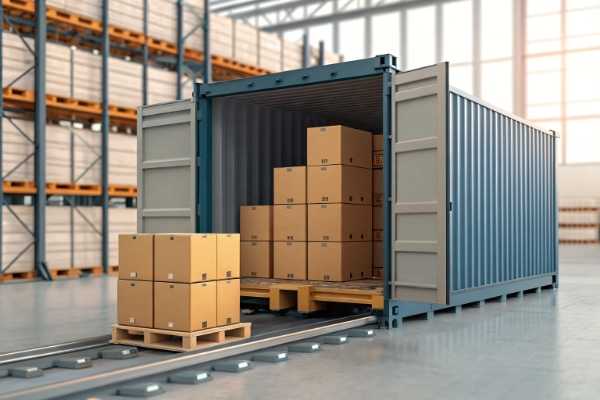
When shipping goods internationally, every dollar counts. Airlines use chargeable weight to ensure that they maximize their revenue from cargo space. The more space your shipment occupies, the higher the cost will be.
If your shipment is heavy but compact, you might benefit from actual weight charges. However, if it’s lightweight but occupies a lot of space, volumetric weight becomes the bigger concern. Understanding this distinction can better position you to minimize costs.
How Is Actual Weight Calculated in Air Freight?
Actual weight is the straightforward measurement of how heavy your shipment is. You simply weigh the package on a scale.
Actual weight is the physical weight of the cargo. It’s essential to know, as it forms one part of the chargeable weight equation.

In air freight, actual weight calculations are critical. You will need to weigh each package precisely. It’s best to use a scale designed for freight to avoid any discrepancies.
Keep in mind that weights must be recorded in kilograms for air freight purposes. If you’re shipping numerous items, weigh each separately. The total actual weight will then be compared against the volumetric weight to establish your chargeable weight.
How Is Volumetric Weight Calculated in Air Freight?
Volumetric weight represents the space your cargo occupies and is calculated using its dimensions. The formula used is: (Length × Width × Height in cm) ÷ 6,000 = weight in kg.
Volumetric weight is crucial to understanding air freight costs. It ensures that shipments are charged based on the space they take up, not just their weight.

For example, if a box measures 100 cm x 50 cm x 50 cm, the volumetric weight would be (100 × 50 × 50) ÷ 6,000 = 416.67 kg. This figure could be higher than the actual weight, and it’s what the airline will use to determine charges.
Airlines may also use different divisors. Some express carriers use 5,000, especially for quicker services. Always check with your carrier to confirm their calculations.
What Is the Air Freight Chargeable Weight Formula?
The formula for chargeable weight is straightforward. It’s the greater of actual weight or volumetric weight.
The chargeable weight formula is simple: it’s either the actual weight or the volumetric weight, whichever is higher. This calculation is key to understanding your costs.
When calculating the chargeable weight, compare the two figures. Use whatever is higher to determine costs. This method helps airlines maximize their revenue while ensuring that you aren't overcharged.
It’s also essential to round up your chargeable weight. Most airlines will round it to the nearest 0.5 kg or 1 kg, depending on their policy, which can also impact your final pricing.
Why Do Airlines Charge Based on Volume or Weight?
Airlines charge based on volume or weight to maximize their cargo space efficiently. This strategy helps ensure that they maintain profitability.
Airlines use both weight and volume to determine shipping costs. This approach allows them to optimize cargo space and revenue.

The different charges reflect the value of space on the aircraft. If a shipment is large but light, it still takes up valuable space that could be filled with heavier cargo. Hence, the airline will charge based on the volumetric weight in such cases.
It’s essential to factor this into your shipping strategy. If you know that your goods might be bulky, consider redesigning your packaging to minimize volumetric weight.
What Factors Affect Air Freight Rates from China?
Several factors can influence air freight rates, especially for shipments originating in China. These include distance, fuel prices, and seasonal demand.
Factors like distance, fuel costs, and market demand from China can impact air freight rates significantly.1 Understanding these can help importers budget more effectively.

Distance plays a significant role. Longer shipments generally incur higher costs. Additionally, fuel prices fluctuate and can add to the overall rate.
Market demand also changes rates. During peak seasons, such as holidays, air freight costs may rise due to increased volume. Understanding these factors can help you navigate your shipping strategies more effectively.
What Additional Fees Should Be Included in Air Freight Costs?
Air freight can come with various additional fees that you should account for in your budget. These include handling fees, customs duties, and insurance.
Air freight costs can include additional fees beyond transport. Be aware of these to avoid unexpected financial surprises.

Handling fees might apply for loading and unloading your cargo. Customs duties depend on the destination country's regulations. If you want peace of mind, consider purchasing insurance for your shipments.
Always ask your freight forwarder for a breakdown of costs. This transparency helps you understand where your money is going and prevents unpleasant surprises.
How Can Importers Reduce Air Freight Charges?
Importers can take several steps to reduce air freight charges. These include optimizing packaging, consolidating shipments, and negotiating rates.
Strategizing your shipments can help importers reduce air freight charges significantly. Simple changes can lead to substantial savings.
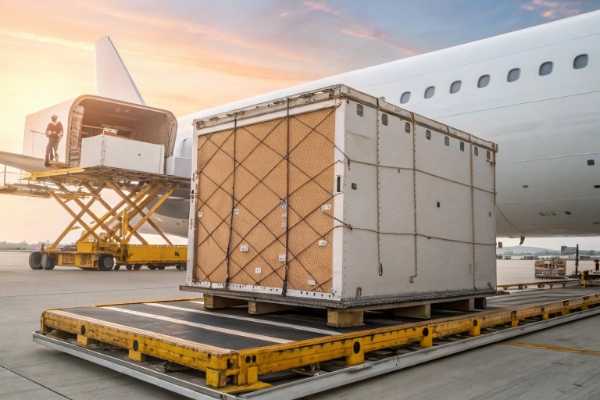
One of the easiest ways to cut costs is to optimize your packaging. By reducing the size of your shipments, you can lower volumetric weight.
Consolidating shipments can also save you money. Instead of sending multiple smaller shipments, try to combine them into one larger shipment. This strategy often yields better rates.
Additionally, don’t hesitate to negotiate with your freight forwarder. Many are willing to work with you to find a pricing structure that fits your budget.
Conclusion
Understanding chargeable weight is essential for navigating air freight costs effectively. Being informed can lead to significant savings.
"Fathoming Shipping Costs: An Exploration", https://documents1.worldbank.org/curated/en/099436104042241280/pdf/IDU0c20d2ae90046304ca009ab508217e50747bd.pdf. Air-cargo market analyses from institutions such as IATA or government transport agencies identify route distance, fuel costs, and demand-capacity conditions as major determinants of air freight rates. Evidence role: expert_consensus; source type: institution. Supports: Distance, fuel costs, and market demand can significantly affect air freight rates from China.. Scope note: Such sources generally describe market drivers and may not isolate China-origin lanes unless the data are route-specific. ↩