
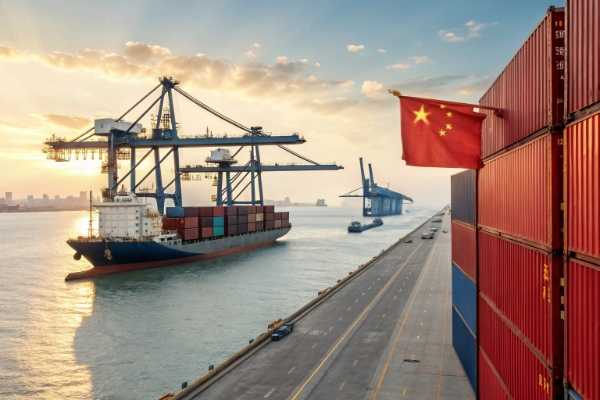
The process of importing from China to New Zealand can seem overwhelming. But with the right steps, it can be a smooth journey.
To successfully import goods from China to New Zealand, you need to understand the market, know your suppliers, and follow the correct procedures. This guide simplifies the import process for you.
Understanding the steps of importing is essential. I remember when I first started, I faced challenges with documentation and logistics. But once I learned the ins and outs, it became much easier. Let’s explore the critical areas of importing from China to New Zealand.
Why Do New Zealand Businesses Import Products from China?
New Zealand businesses import from China for various reasons. One significant reason is cost. Products made in China are often cheaper due to lower labor costs and mass production capabilities1. This can lead to higher profit margins for Kiwi businesses.
Additionally, China offers a vast range of products, from electronics to textiles2. The ability to source nearly anything from one place is appealing for many importers.
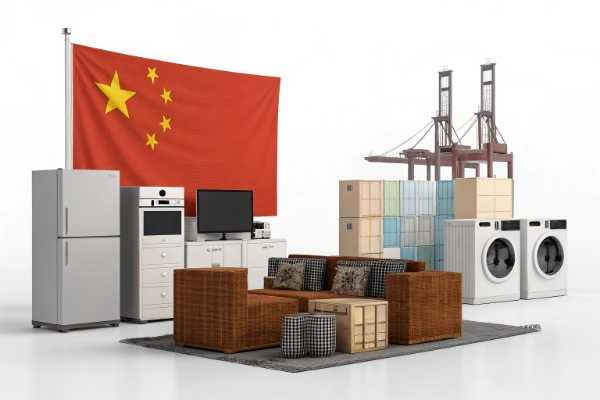
Another reason is flexibility. Many suppliers in China will work with you to customize products. This means you can adapt products to fit the New Zealand market. As I’ve seen, businesses that leverage this advantage often gain a competitive edge.
What Products Are Commonly Imported into New Zealand?
You might wonder what types of products are typically imported from China to New Zealand. Broadly speaking, categories include electronics, machinery, textiles, and household goods.
Popular items include smartphones, apparel, toys, and furniture3. Both small and large businesses benefit from importing these products.
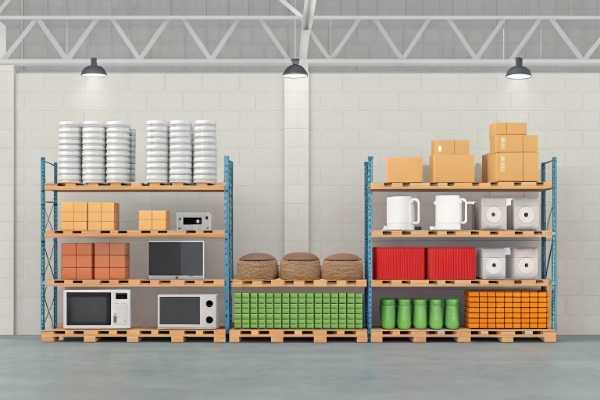
In my experience, the seasonal demand for products, like holiday decorations or summer apparel, can significantly influence what is imported. Keeping an eye on trends helps ensure that you stock the right items at the right time.
How Can You Find Reliable Chinese Suppliers?
Finding reliable suppliers is crucial for successful importing. One effective method is to use sourcing platforms like Alibaba or Global Sources. These platforms allow you to connect with verified suppliers.
Reading reviews and checking ratings can give you a clearer idea of a supplier’s reliability.

Another approach is to attend trade shows in China. Meeting suppliers face-to-face builds trust. When I visited a trade fair in Guangzhou, I found several suppliers who are now my go-to partners.
What Are the Steps to Import Goods into New Zealand?
Importing goods involves several steps. First, classify your goods correctly using the HS code4. This classification is vital. A wrong code can cause delays, inspections, or extra charges.5
Next, ensure you have a New Zealand Customs client code6. This is needed for all import declarations.
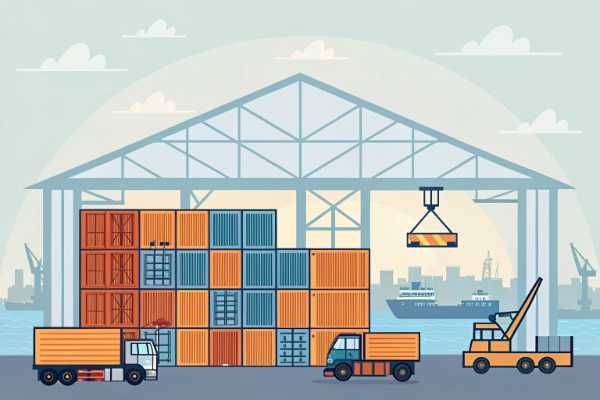
Once your goods are ready for shipment, prepare all required documents. These typically include invoices, packing lists, and any necessary certificates7. I learned the hard way that proper documentation is crucial to avoid headaches during customs clearance.
Which Shipping Method Is Best for Your Business?
Selecting the right shipping method depends on your needs. For bulk cargo, sea freight is usually the most cost-effective option8. It’s slower but cheaper, making it ideal for large shipments.
However, if you have urgent or high-value items, air freight is your best bet. It’s quicker but comes at a higher cost.
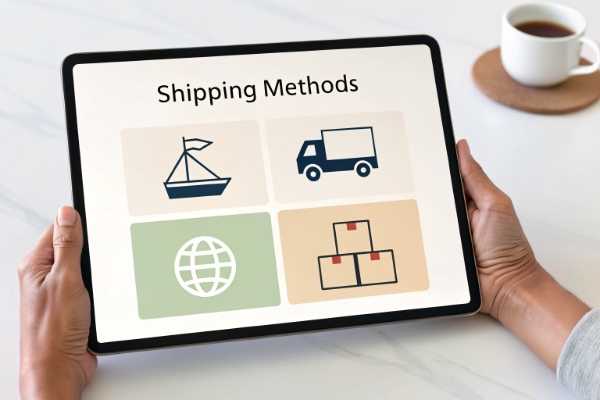
In my experience, balancing cost and delivery time is essential. For regular orders, I often use sea freight. But for special promotions, I opt for air freight to ensure timely delivery.
What Documents Do You Need for New Zealand Customs?
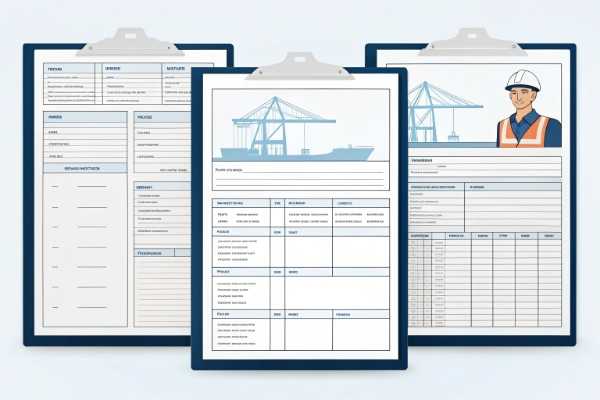
Customs documentation is crucial for smooth clearance. You will need:
- A commercial invoice
- A packing list
- Import declaration
- Certificates of Origin (if applicable)
The Certificate of Origin is particularly important when claiming preferential tariff treatment under the China–New Zealand Free Trade Agreement9.
It’s also important to note that GST is typically collected when the shipment value exceeds NZ$1,000. The GST rate in New Zealand is currently 15%.10 Knowing these details can help you avoid unexpected costs.
What Common Import Mistakes Should You Avoid?
Many importers make common mistakes that can be avoided. One frequent error is failing to classify goods correctly. This can lead to delays and incorrect duty charges.
Another mistake is not preparing documentation in advance. Delays in document preparation can hold up shipments.
I’ve seen clients face fines and inspections due to errors in their paperwork. It’s always best to double-check everything before shipping.
FAQs About Importing from China to New Zealand
What is the import duty rate for goods? Import duty varies by product. Consult the New Zealand Customs tariff schedule for specific rates.
Do I need a license to import goods? Generally, a license is not required for most goods. However, specific regulated products may need one.
Are there additional biosecurity requirements? Yes, goods packaged in wood must meet biosecurity standards, including valid ISPM 15 treatment.
What if my shipment value is below NZ$1,000? Customs and GST are usually not collected for shipments below this threshold, except for alcohol and tobacco.
How can I streamline the importing process? Work with a reliable sourcing partner. They can help manage logistics, documentation, and supplier communication.

Conclusion
Importing from China to New Zealand can be straightforward with the right knowledge and preparation.
"Manufacturing, value added (% of GDP) - World Bank Data", https://data.worldbank.org/indicator/NV.IND.MANF.ZS. Comparative labor-cost and manufacturing-output data from international statistical sources can contextualize why Chinese manufactured goods may have lower unit costs than goods produced in higher-wage markets. Evidence role: general_support; source type: institution. Supports: Products made in China are often cheaper due to lower labor costs and mass production capabilities.. Scope note: This supports the cost rationale in general terms; it does not prove that every Chinese supplier or product is cheaper. ↩
"China Trade Statistics | WITS", https://wits.worldbank.org/countryprofile/en/chn. Trade-profile data showing China’s diversified export basket across electronics, machinery, textiles, and consumer goods would support the claim that importers can source a broad range of products from China. Evidence role: statistic; source type: institution. Supports: China offers a vast range of products, from electronics to textiles.. Scope note: Export-category data demonstrates breadth at the national level, not the availability of every product from a single supplier or marketplace. ↩
"Statistics - New Zealand China Council", https://nzchinacouncil.org.nz/statistics/. Official New Zealand import statistics by commodity and trading partner can substantiate whether phones, clothing, toys, and furniture are significant imports from China. Evidence role: statistic; source type: government. Supports: Popular items imported into New Zealand from China include smartphones, apparel, toys, and furniture.. Scope note: Statistics may group items under broader tariff categories, so they may support the examples by category rather than by the exact retail terms used here. ↩
"Tariff classifications and rates - New Zealand Customs Service", https://www.customs.govt.nz/business/tariffs/tariff-classifications-and-rates. New Zealand Customs guidance on tariff classification and the Harmonized System supports the need to classify imported goods under the correct HS code for duty and border-processing purposes. Evidence role: definition; source type: government. Supports: Importers should classify goods correctly using the HS code.. Scope note: The guidance establishes the classification requirement but does not quantify the likelihood of delay or additional charges for a particular shipment. ↩
"Customs 101: What is HS Code | FedEx New Zealand", https://www.fedex.com/en-nz/small-business/getting-started/customs-101-hs-code.html. Customs compliance guidance explaining that incorrect tariff classification can affect duty assessment and clearance provides support for the claim that wrong HS codes may lead to processing problems or additional costs. Evidence role: mechanism; source type: government. Supports: A wrong HS code can cause delays, inspections, or extra charges.. Scope note: The source is likely to describe possible consequences rather than guarantee that every incorrect code causes delay, inspection, or extra charges. ↩
"Customs Number - New Zealand Customs Service", https://www.customs.govt.nz/sending-and-receiving/customs-number. New Zealand Customs information on client codes supports that importers need a Customs client code to lodge import entries or declarations in the formal import process. Evidence role: general_support; source type: government. Supports: Importers need a New Zealand Customs client code for import declarations.. Scope note: The requirement may vary for low-value, private, or broker-managed consignments, so the source should be read in the context of formal import declarations. ↩
"New Zealand - Import Requirements and Documentation", https://www.trade.gov/country-commercial-guides/new-zealand-import-requirements-and-documentation. Customs import-entry guidance listing commercial invoices, packing information, and certificates where applicable would support the article’s summary of common documents used for clearance. Evidence role: general_support; source type: government. Supports: Importers typically need invoices, packing lists, and applicable certificates for New Zealand customs clearance.. Scope note: Document requirements depend on the commodity, origin, value, and border agency requirements, so the list is illustrative rather than exhaustive. ↩
"[PDF] Fathoming Shipping Costs: An Exploration - World Bank Document", https://documents1.worldbank.org/curated/en/099436104042241280/pdf/IDU0c20d2ae90046304ca009ab508217e50747bd.pdf. International transport guidance comparing ocean and air freight can support the general proposition that sea freight is typically cheaper per unit for large or bulk shipments, while taking longer in transit. Evidence role: general_support; source type: institution. Supports: For bulk cargo, sea freight is usually the most cost-effective option.. Scope note: Actual cost-effectiveness depends on volume, weight, route, fuel prices, port charges, and delivery deadlines. ↩
"New Zealand–China Free Trade Agreement", https://en.wikipedia.org/wiki/New_Zealand%E2%80%93China_Free_Trade_Agreement. Official New Zealand guidance on the China–New Zealand Free Trade Agreement and rules of origin can support that origin documentation may be required to claim preferential tariff treatment. Evidence role: mechanism; source type: government. Supports: A Certificate of Origin is important when claiming preferential tariff treatment under the China–New Zealand Free Trade Agreement.. Scope note: The precise documentation required may depend on the product, rules of origin, and current FTA implementation rules. ↩
"Goods and Services Tax (New Zealand) - Wikipedia", https://en.wikipedia.org/wiki/Goods_and_Services_Tax_(New_Zealand). Inland Revenue or New Zealand Customs tax guidance can verify that New Zealand’s standard GST rate is 15 percent. Evidence role: statistic; source type: government. Supports: The GST rate in New Zealand is currently 15%.. ↩