
Shipping from China to the UAE and stuck between the speed of air and the savings of sea? Making the wrong choice can cost you valuable time and money.
Choose air freight1 for urgent, high-value, or lightweight goods needing delivery in 2-7 days. For bulk cargo2, heavy items, or non-urgent shipments over 1-2 CBM, sea freight3 is more cost-effective4, taking 20-35 days. The best choice depends on your budget, timeline, and cargo type.
Choosing the right shipping method5 is a critical decision for your business. It impacts your costs, delivery times6, and even your customer satisfaction. I've helped countless clients navigate this choice, and it almost always comes down to balancing speed against your budget. But how do you weigh the pros and cons for your specific needs? Let's break it down to help you make the best call for your next shipment.
Which Shipping Method Is the Cheapest Overall?
Worried about shipping costs7 eating into your profits? The price difference between air and sea can be huge, and picking the wrong one is an expensive mistake you want to avoid.
Sea freight is almost always the cheapest option for shipments larger than 1-2 cubic meters or weighing over 150-200 kg. Air freight is priced by weight, making it very expensive for bulk goods. For anything heavy or large, sea freight3 offers significant cost savings.

When we talk about cost, the difference is not small. Air freight is priced based on chargeable weight, which is the greater of the actual weight or the volumetric weight. This can get expensive fast. For example, a recent air shipment of over 1000kg to Dubai cost our client around $6.10 per kilogram. In contrast, an entire 20-foot container (20GP) via sea freight3 to Jebel Ali costs around $2,100. For very small parcels, air freight1 can be competitive, but as soon as your shipment size grows, sea freight3 becomes the clear winner for budget-conscious importers. We always advise clients to compare quotes based on their specific cargo volume and weight to see the real difference.
Cost Comparison Snapshot
| Shipment Size | Best Method | Estimated Cost Guideline |
|---|---|---|
| Small Parcel (<150kg) | Air Freight | Charged per kg, can be cost-effective4 |
| Medium Cargo (1-15 CBM) | LCL Sea Freight | Shared container, lower cost than air |
| Bulk Cargo (>15 CBM) | FCL Sea Freight | ~$2,100+ per 20ft container |
When Should You Choose Air Freight?
Facing a tight deadline? If your goods arrive late, you could lose a sale or miss a key event. Waiting weeks for a sea shipment just isn't always an option.
Choose air freight1 for time-sensitive shipments that must reach the UAE in 2-7 days. It's ideal for high-value items like electronics, perishable goods, urgent samples, or last-minute orders for events. Speed and reliability are the main reasons to use air freight1.
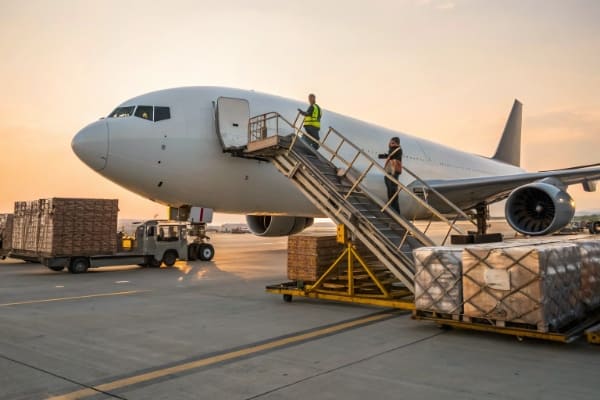
Speed is the number one reason my clients choose air freight1. I remember a customer who needed custom promotional items for a major trade show in Dubai. The production was delayed, and we only had a week before the event. Sea freight was completely out of the question. We rushed the order onto an air freight1 shipment. It cost more, but the goods arrived with two days to spare, saving their entire event. This is a perfect example of when air freight1 is not just a shipping option, but a business-saving solution. It's also great for high-value electronics where you want to minimize transit time to reduce the risk of damage or theft. The customs process8 for smaller air parcels can also be simpler and faster, which is another small but helpful benefit.
Key Scenarios for Air Freight
- Urgent Deadlines: Getting products to a trade show, product launch, or fulfilling a time-sensitive order.
- High-Value Goods: Shipping electronics, jewelry, or luxury items where security and speed are paramount.
- Perishable Items: Transporting food, flowers, or other goods with a short shelf life.
- Product Samples: Quickly getting factory samples to your office in the UAE for approval before a bulk order.
When Is Sea Freight the Better Option?
Trying to ship large, heavy, or bulky products from China? Air freight quotes can be shocking, making you wonder if your business is even viable. There has to be a better way.
Sea freight is the best option for large-volume, heavy, or non-urgent cargo. If your shipment is over 2 cubic meters or you can wait 20-35 days for delivery, sea freight3 offers huge cost savings. It's perfect for stocking inventory or shipping oversized items.
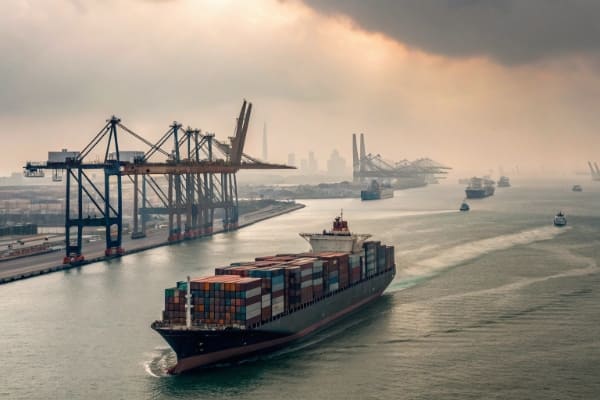
If you are not in a hurry, sea freight3 is your best friend for managing costs. It is the backbone of global trade for a reason. We use it for the majority of our clients' bulk orders, from custom branded merchandise to raw materials. You have two main choices: Full Container Load (FCL)9 or Less than Container Load (LCL)10. FCL gives you an entire container for your exclusive use, which is ideal for large shipments. LCL allows you to share container space with other importers, making it a cost-effective4 choice for shipments that are too big for air freight1 but too small for a full container. Beyond cost, sea freight3 has a much lower carbon footprint11 per ton of cargo compared to air freight1, which is an important factor for many environmentally conscious brands we work with today.
FCL vs. LCL: Which Sea Freight Option to Pick?
- Choose FCL (Full Container Load) if your cargo volume is over 15 cubic meters. It's faster than LCL (no consolidation delays) and the most cost-effective4 method for large volumes.
- Choose LCL (Less than Container Load) if your cargo is between 2 and 15 cubic meters. You pay only for the space you use, making it perfect for growing businesses.
Cost vs Time: What’s the Best Trade-Off?
Stuck between a tight budget and a tight deadline? This trade-off12 is a constant headache for importers. How do you find the sweet spot without sacrificing your business goals?
The best trade-off12 depends on your product's value and urgency. For high-margin, time-sensitive goods, the extra cost of air freight1 is justified. For lower-margin, bulk products, the savings from sea freight3 outweigh the longer transit time. Plan ahead to use sea freight3 whenever possible.

Finding the right balance is key to a successful supply chain13. The decision really comes down to your inventory strategy14. If you operate on a just-in-time model or are responding to fast-changing trends, the speed of air freight1 might be essential. If you are stocking up a warehouse with products that have a steady sales cycle, the cost savings of sea freight3 are unbeatable. Planning is everything. By forecasting your needs months in advance, you can use sea freight3 and protect your profit margins. However, always be aware of seasonal demand. During peak seasons like the holidays, air freight1 rates can jump by 20-30%, making the cost gap even wider. For some clients, we've even arranged multimodal options, like a combination of sea and air, to find a middle ground on both cost and time.
Quick Trade-Off Comparison
| Factor | Air Freight | Sea Freight |
|---|---|---|
| Speed | Fast (2-7 days) | Slow (20-35 days) |
| Cost | High | Low |
| Ideal Cargo | High-value, lightweight, urgent | Bulk, heavy, non-urgent |
| Flexibility | Good for last-minute changes | Requires long-term planning |
| Environment | High carbon emissions | Low carbon emissions |
Best Shipping Method for Small vs Bulk Cargo?
Is your shipment a few boxes or a full container? The size of your cargo completely changes the shipping equation15. Choosing the wrong method for your volume can be a costly error.
For small cargo (under 150 kg or 1 CBM), air freight1 or an express courier is usually best. For bulk cargo2 (over 2 CBM or 200 kg), sea freight3 is far more economical. LCL sea freight3 is a great middle-ground for shipments that aren't large enough for a full container.
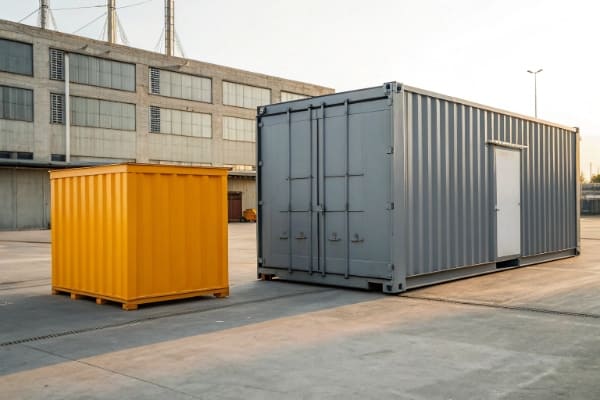
The size of your shipment is one of the clearest indicators of which method to choose. I always tell my clients to think in terms of breakpoints. If you're just shipping a few cartons of samples or a small order, using an express courier like DHL or FedEx is often the simplest and fastest way. Once you get into the 100-200 kg range, traditional air freight1 becomes more cost-effective4 than express. But the real game-changer is when you cross the 200 kg or 2 CBM threshold. At this point, LCL sea freight3 starts to make much more financial sense, even with the longer transit time. And if you're ordering enough to fill a whole container, FCL sea freight3 offers the lowest cost per unit possible, allowing you to maximize your profitability on bulk merchandise.
Shipping Volume Breakpoints
| Cargo Size / Weight | Recommended Method | Why? |
|---|---|---|
| Under 150 kg / 1 CBM | Air Freight/Courier | Fast, simple, and cost-effective4 for very small shipments. |
| 150 kg - 500 kg / 2-15 CBM | LCL Sea Freight | The "sweet spot" where sea freight3 becomes much cheaper than air. |
| Over 500 kg / 15+ CBM | FCL Sea Freight | The most economical option for large, bulk orders. You pay per container. |
Conclusion
Choosing between air and sea freight3 from China to the UAE comes down to your priorities. Balance speed, cost, and cargo size to find the perfect solution for your business.
Explore the advantages of air freight, especially for urgent and high-value shipments, to optimize your logistics. ↩
Understand the specifics of bulk cargo shipping and how to choose the best method for your needs. ↩
Learn how sea freight can save you money on bulk shipments and understand its advantages over air freight. ↩
Find strategies to reduce shipping costs while maintaining efficiency in your supply chain. ↩
Discover key considerations for selecting the right shipping method to enhance your business efficiency. ↩
Get insights into delivery timelines for different shipping methods to better plan your logistics. ↩
Get tips on calculating shipping costs accurately to avoid unexpected expenses. ↩
Understand the customs requirements for air freight to ensure smooth and timely deliveries. ↩
Discover the benefits of FCL shipping for large shipments and how it can save you money. ↩
Learn about LCL shipping and how it can be a cost-effective solution for smaller shipments. ↩
Learn about the environmental impact of shipping methods and how to choose greener options. ↩
Understand the balance between cost and speed in shipping to make informed decisions. ↩
Learn about the role of shipping in the supply chain and how to enhance your operations. ↩
Explore how an effective inventory strategy can optimize your shipping and reduce costs. ↩
Understand the key factors that affect shipping decisions to optimize your logistics. ↩