
DDP shipping might sound complex, but it's quite straightforward once you understand it. If you’re looking to import goods from China to Canada, knowing how DDP works can simplify your logistics.
DDP means the seller handles freight, customs clearance, duties, and taxes until delivery to the buyer’s door.1 This makes it a hassle-free option for importers.
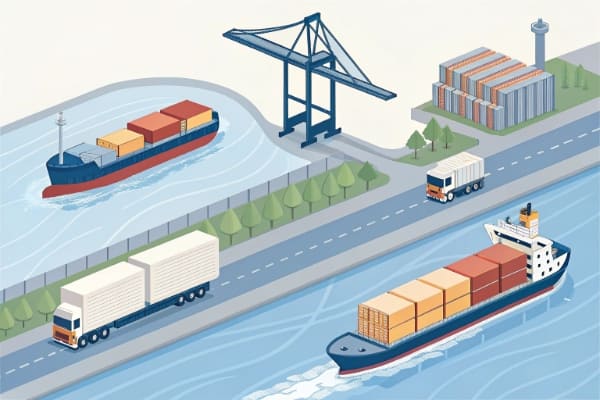
When it comes to DDP shipping from China to Canada, multiple factors can influence the process and experience. Let's dive deeper into what you need to know.
What Is Included in DDP Shipping to Canada?
DDP shipping includes everything from the seller's warehouse in China to your front door in Canada.2 This process means the seller takes care of freight, customs clearance, duties, and taxes.
The key here is that DDP shipping simplifies the import process for you. You don’t need to worry about unexpected fees or complex paperwork. Everything is handled upfront.
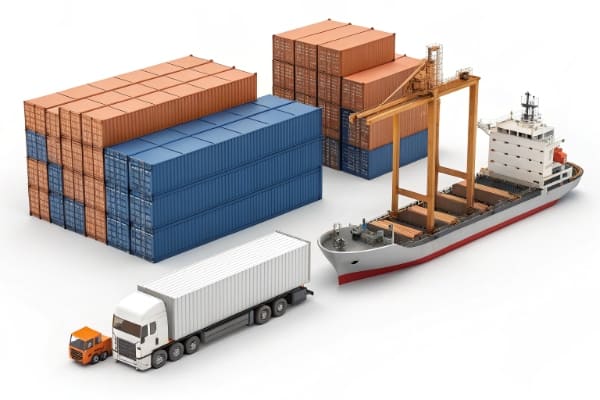
In a typical DDP shipment, the seller will arrange for the goods to be picked up from their factory or warehouse. Then, they manage the transportation to the forwarder's warehouse in China before the goods are shipped to Canada. The seller also takes care of all necessary documentation, ensuring compliance with Canadian customs regulations.3
When the shipment reaches Canada, the seller covers all duties and taxes4, providing a clear cost structure for you. This means you can focus on your business without getting bogged down in import logistics.
How Much Does DDP Shipping from China to Canada Cost?
Cost is always a significant factor when it comes to shipping. DDP shipping costs can vary based on several factors, including the shipping method chosen.
Air DDP is usually the most expensive, priced by kilogram.5 This option is faster, typically taking about 7–12 days, depending on the route.6 On the other hand, sea DDP is the slowest, but more economical7, often priced by cubic meter8 and taking about 40–45 days.
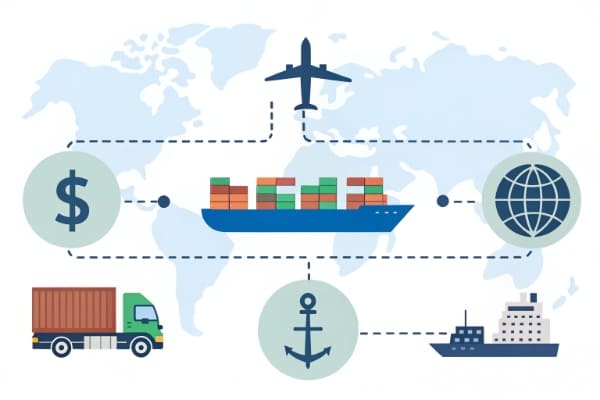
Sea-air DDP offers a balance between speed and cost. It usually takes about 20–25 days and is a great option for those who need a faster delivery without the high cost of air freight.
It's important to get quotes from multiple sellers to compare costs. Be sure to ask for detailed breakdowns so you understand what you're paying for. This will help you budget effectively for your import needs.
How Long Does DDP Shipping to Canada Take?
The duration of DDP shipping depends on the method you choose.
Air freight is the fastest option, usually taking 7–12 days. This is ideal for urgent shipments. If you’re looking for a compromise between speed and cost, choose sea-air, which takes around 20–25 days.
Sea freight is slower, taking approximately 40–45 days. However, it is a common choice for bulk shipments due to its lower costs. Depending on your product and urgency, you can select the best option that suits your needs.
Another factor that can affect delivery time is the handling of customs clearance. Proper documentation and accurate declarations play a significant role in ensuring your shipment moves smoothly through customs.
Is DDP Shipping Better Than FOB or CIF?
Comparing DDP with Free On Board (FOB) and Cost, Insurance, and Freight (CIF) is essential for making informed shipping decisions.
DDP is often considered better for those who want a seamless experience. With DDP, the seller manages all aspects of shipping until it reaches your door. This means fewer headaches and reduced risks for the buyer.
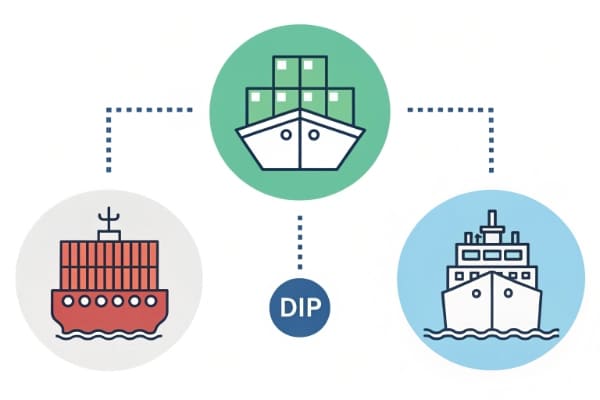
On the other hand, FOB requires the buyer to handle costs and risks once the goods are on board the vessel.9 CIF shares some similarities with DDP, but it stops short of handling customs taxes and duties.10
If you're focused on convenience and minimizing responsibility, DDP may be the best choice. However, if you have the capacity and desire to manage certain aspects of shipping, FOB or CIF might work better.
What Products Can Be Shipped DDP to Canada?
Almost any product can be shipped DDP to Canada, but certain items are more common.
Popular categories include promotional products like drinkware, bags, and tech gadgets. These items often have a higher demand in the Canadian market.

Small parcels under 4 lbs are increasingly routed as DDP. This ensures smooth customs clearance and efficient last-mile delivery. Items like eco-friendly products and branded merchandise are also great candidates for DDP shipping.
When deciding what to import, consider not only your market but also the shipping method and any restrictions that may apply to specific products.
How to Avoid Customs Problems with DDP Shipping?
Avoiding customs issues is crucial for a smooth import process.
Proper documentation is the first step.11 Ensure that all paperwork is accurate and complies with Canadian regulations. This includes invoices, packing lists, and any relevant import permits.
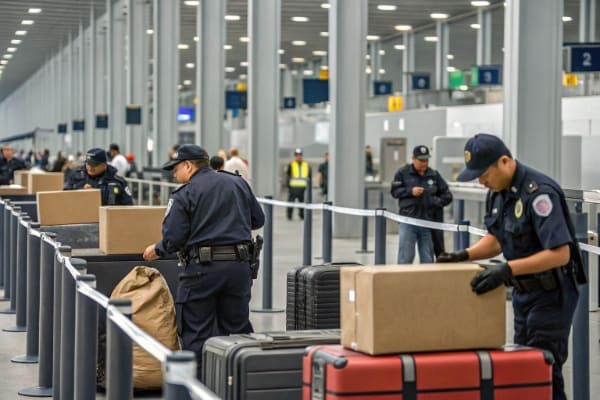
Another tip is to work closely with your seller. They should be experienced in DDP shipping and familiar with the customs requirements. Open communication can help prevent misunderstandings that lead to customs delays.
Additionally, accurate customs declarations are vital.12 The seller’s DDP responsibility depends on compliant import paperwork. Ensure that all product descriptions, values, and quantities are correctly stated to minimize complications.
Conclusion
Understanding DDP shipping from China to Canada can greatly simplify your importing process. It covers everything from freight to customs, making it an excellent choice for businesses.
"Know Your Incoterms - International Trade Administration", https://www.trade.gov/know-your-incoterms. Incoterms guidance defines Delivered Duty Paid as placing maximum responsibility on the seller, including delivery to the named destination and import clearance obligations. Evidence role: definition; source type: institution. Supports: DDP means the seller handles freight, customs clearance, duties, and taxes until delivery to the buyer’s door.. Scope note: Incoterms define obligations at a named place; whether this is literally the buyer’s door depends on the sales contract. ↩
"Know Your Incoterms - International Trade Administration", https://www.trade.gov/know-your-incoterms. Incoterms sources describe DDP as requiring the seller to bear costs and risks until goods are delivered at the named place of destination, including import formalities. Evidence role: definition; source type: institution. Supports: DDP shipping includes everything from the seller's warehouse in China to your front door in Canada.. Scope note: The source supports the general DDP allocation of costs and risks, not the specific China-to-Canada logistics route. ↩
"Canada - Import Requirements and Documentation", https://www.trade.gov/country-commercial-guides/canada-import-requirements-and-documentation. The Canada Border Services Agency explains that commercial imports require accounting, customs documentation, tariff classification, valuation, and any applicable permits or certificates. Evidence role: general_support; source type: government. Supports: The seller also takes care of all necessary documentation, ensuring compliance with Canadian customs regulations.. Scope note: CBSA materials describe Canadian import requirements generally; they do not by themselves assign those tasks to the seller unless the contract uses DDP terms. ↩
"Delivered Duty Paid (DDP): What It Means for Importers and Exporters", https://www.investopedia.com/terms/d/delivery-duty-paid.asp. DDP guidance states that the seller is responsible for import clearance and payment of duties and taxes required to bring the goods to the agreed destination. Evidence role: definition; source type: institution. Supports: When the shipment reaches Canada, the seller covers all duties and taxes.. Scope note: Actual tax treatment can vary by product, valuation, and contract terms; the source supports the DDP responsibility allocation rather than a specific tax amount. ↩
"[PDF] Fathoming Shipping Costs: An Exploration - World Bank Document", https://documents1.worldbank.org/curated/en/099436104042241280/pdf/IDU0c20d2ae90046304ca009ab508217e50747bd.pdf. Air-cargo references explain that air freight is commonly charged by chargeable weight, while economic studies and logistics references generally identify air transport as costlier than ocean freight for comparable cargo. Evidence role: general_support; source type: institution. Supports: Air DDP is usually the most expensive, priced by kilogram.. Scope note: This supports the pricing mechanism and relative cost pattern for air freight, not any specific DDP quote from China to Canada. ↩
"[PDF] Exploration of Data Sources for Air Cargo Studies", https://transweb.sjsu.edu/sites/default/files/Exploration%20of%20Data%20Sources%20%28Complete%29.pdf. Transportation and logistics literature generally treats air freight as the fastest international freight mode because aircraft transit and handling times are shorter than ocean shipping. Evidence role: general_support; source type: research. Supports: Air DDP is faster, typically taking about 7–12 days, depending on the route.. Scope note: A neutral source may support the relative speed of air freight but may not verify the exact 7–12 day China-to-Canada DDP estimate. ↩
"Maximizing efficiency to minimize shipping costs - World Bank Blogs", https://blogs.worldbank.org/en/transport/maximizing-efficiency-to-minimize-shipping-costs. Maritime transport references and trade reports commonly describe ocean shipping as lower-cost for bulk international freight but slower than air transport. Evidence role: general_support; source type: institution. Supports: Sea DDP is the slowest, but more economical.. Scope note: The support is contextual for sea freight generally and may not prove a particular DDP service price or transit time. ↩
"Calculate LCL Shipping: Cubic Meter (CBM) Guide", https://oceanfreightusa.com/Cubic-Meter-in-Sea-freight.aspx. Freight-forwarding and shipping references describe less-than-container-load ocean cargo as commonly rated by weight or measurement, including cubic meters as a volume basis. Evidence role: mechanism; source type: institution. Supports: Sea DDP is often priced by cubic meter.. Scope note: The source supports a common ocean-freight rating method; individual DDP sellers may quote all-in rates using different units. ↩
"Know Your Incoterms - International Trade Administration", https://www.trade.gov/know-your-incoterms. Incoterms definitions state that under Free On Board, risk transfers to the buyer once the goods are loaded on board the vessel at the named port of shipment. Evidence role: definition; source type: institution. Supports: FOB requires the buyer to handle costs and risks once the goods are on board the vessel.. Scope note: Cost allocation can depend on contract wording and local charges, but the risk-transfer point is a core FOB rule. ↩
"Know Your Incoterms - International Trade Administration", https://www.trade.gov/know-your-incoterms. Incoterms definitions describe Cost, Insurance and Freight as requiring the seller to arrange carriage and insurance to the destination port, while import clearance and import duties are not seller obligations under CIF. Evidence role: definition; source type: institution. Supports: CIF shares some similarities with DDP, but it stops short of handling customs taxes and duties.. Scope note: The source supports the standard Incoterms allocation; parties can contract for additional services outside the CIF term. ↩
"Canada - Import Requirements and Documentation", https://www.trade.gov/country-commercial-guides/canada-import-requirements-and-documentation. CBSA import guidance emphasizes that commercial imports require accurate documentation and accounting information before goods can be released and assessed for duties and taxes. Evidence role: general_support; source type: government. Supports: Proper documentation is the first step in avoiding customs issues for DDP shipments to Canada.. Scope note: The source supports the importance of documentation for Canadian imports generally, not a ranked sequence of customs-compliance steps. ↩
"Origin of goods - Agence des services frontaliers du Canada", https://www.cbsa-asfc.gc.ca/import/origin-origine-eng.html. CBSA materials on commercial importing require correct tariff classification, origin, value for duty, and goods descriptions, supporting the importance of accurate customs declarations. Evidence role: general_support; source type: government. Supports: Accurate customs declarations are vital for DDP shipping to Canada.. Scope note: The source supports the compliance requirement; it does not quantify how much accuracy reduces delay risk in DDP shipments. ↩