
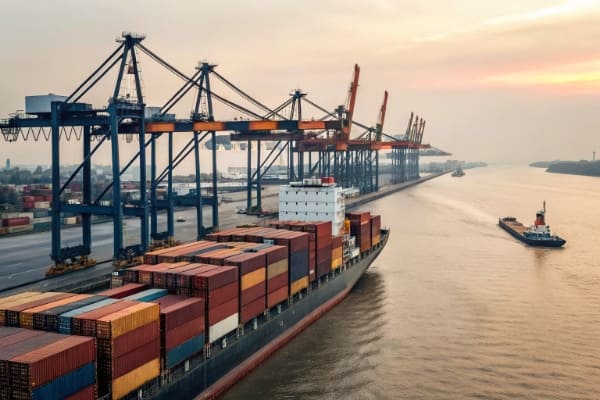
Are you looking to ship products from China to Germany? The process can be overwhelming, but understanding the key factors can simplify your logistics.
The best way to ship products from China to Germany involves choosing the right freight method based on cost, time, and customs considerations1.
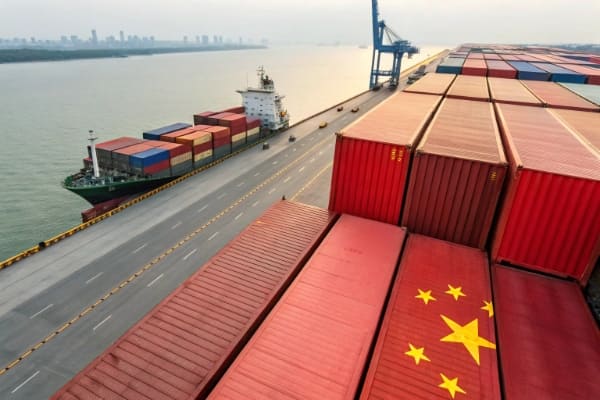
Shipping logistics can be tricky. It’s essential to know the most efficient methods and what to expect in terms of costs and time. This guide will break down the various shipping options available and their implications for your business.
What Is the Cheapest Way to Ship from China to Germany?
Finding the cheapest way to ship from China to Germany can be crucial to your budget. I often recommend using full container load (FCL) sea freight for large shipments2. This method allows you to spread out the costs over many units, making it far cheaper than air freight options3.
For smaller shipments that do not fill a full container, less than container load (LCL) sea freight is the way to go4. While it does take longer, it still saves you money compared to air freight.
Dive Deeper Paragraph:
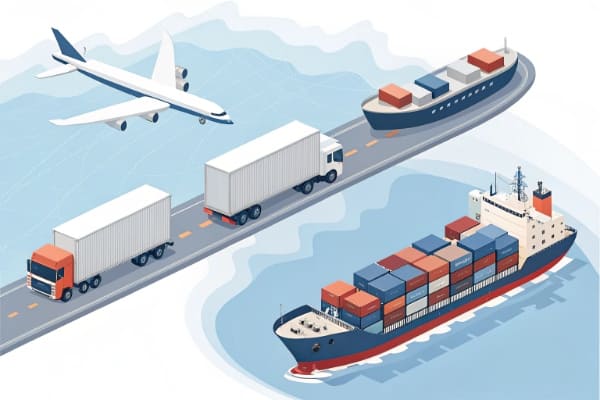
When choosing between FCL and LCL, consider your volume and urgency. FCL is typically more economical per unit as you pay for the entire container, which is ideal for large loads. LCL, on the other hand, is a shared container service. It is convenient for smaller volumes but can incur additional costs due to handling and consolidation fees5. Understanding your shipment size will help you make the best choice. If you ship frequently, negotiating contracts with freight forwarders can also lead to better rates.
How Much Does Shipping from China to Germany Cost in 2026?
Shipping costs from China to Germany can vary based on several factors, including the chosen freight method and current market conditions6. As of 2026, average costs show a trend.
Air freight can range significantly, often costing several times more per kilogram compared to sea freight. Sea freight costs have stabilized but can include additional fees like terminal handling and fuel surcharges.
Dive Deeper Paragraph:
In 2026, expect the average cost of FCL shipping to be around $1,200 to $2,500 depending on container size and shipping lane7. LCL might cost about $100 to $300 per cubic meter8. Air freight, while pricier, can vary from $5 to $10 per kilogram9. It’s crucial to consider these numbers when budgeting your project. Remember to incorporate duties and VAT into your landed cost. This will provide a clearer picture of your total expenses and help prevent unexpected costs.
How Long Does Shipping from China to Germany Take?
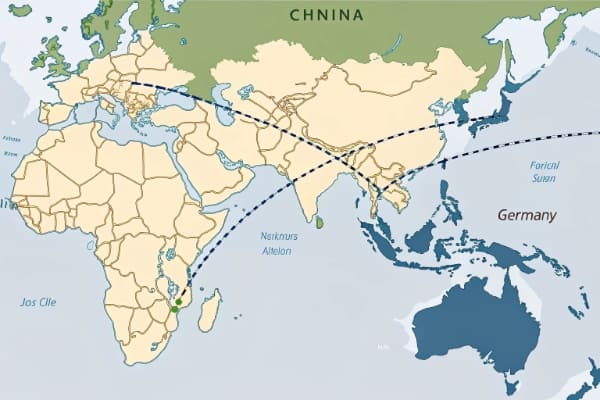
Understanding transit times is essential. Sea freight can take anywhere from 25 to 40 days, while air freight is typically faster, usually requiring about 5 to 8 days10.
If you're not in a rush, LCL sea freight can be a viable option, although it does take longer than FCL. Rail freight presents an interesting alternative, offering a balance between cost and speed.
Dive Deeper Paragraph:
When you ship by sea, the exact duration can depend on various factors including the port of departure, destination port, and any transshipment points. Air freight is the quickest option, but it comes with a higher cost. Rail freight is increasingly popular as it offers faster shipping than sea and lower costs than air11. It typically takes around 10 to 15 days to reach Germany12, making it a great middle-ground option for businesses. Choosing the right method should align with your delivery deadlines and budget constraints.
Should You Choose Air Freight, Sea Freight, or Rail Freight?
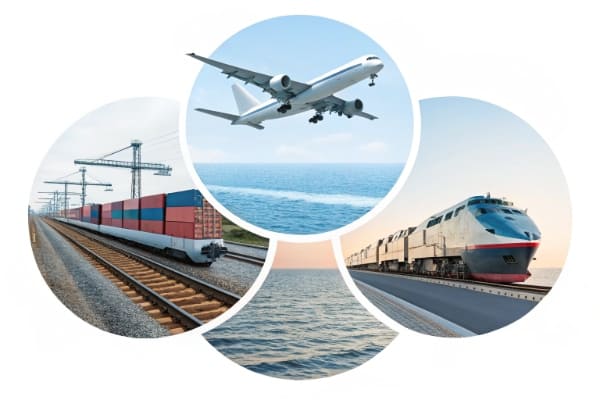
The choice between air, sea, and rail freight depends on several aspects of your shipment. Air freight is best for high-value or time-sensitive goods. Sea freight is right for larger, less urgent shipments. Rail freight is a middle ground that balances cost and transit time.
Dive Deeper Paragraph:
I recommend air freight for products that need to be delivered quickly, such as electronics or fashion items in peak season. Sea freight is ideal if you are shipping bulk items like apparel or home goods that can wait a bit longer. Meanwhile, rail freight is an option worth considering for non-urgent industrial goods. It’s important to analyze your product value, urgency, and volume to make an informed decision. Each method has pros and cons, so understanding your logistics strategy is essential.
How Does DDP Shipping from China to Germany Work?
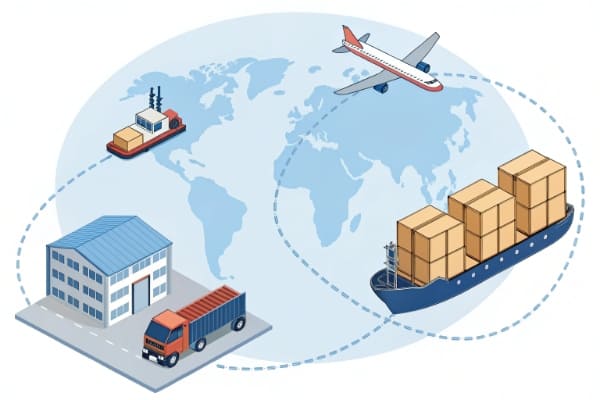
Delivered Duty Paid (DDP) shipping is one of the most straightforward options. It means the seller is responsible for delivering the goods to the buyer, including all costs and risks. This includes customs duties, taxes, and delivery to the final location in Germany.
Dive Deeper Paragraph:
Choosing DDP means that you, as the seller, handle all logistics and customs processes. This can save your buyers from unexpected fees and ensure a smooth delivery. It’s crucial to prepare all necessary documentation beforehand to avoid delays at customs. This includes commercial invoices and packing lists. Additionally, having a valid EORI number for the recipient is essential for clearing customs in Germany. DDP can enhance customer satisfaction as it simplifies the buying process for them.
How to Choose a Reliable Freight Forwarder from China to Germany?
Selecting a trustworthy freight forwarder is vital. Look for one that specializes in China to Germany shipments and offers integrated services, including customs clearance and last-mile delivery.
Dive Deeper Paragraph:
Research potential freight forwarders by checking their reviews, certifications, and experience in your specific industry. Ask if they can provide door-to-door services and how they handle customs clearance. Communication is key, so ensure they are responsive and clear. Get quotes from a few freight forwarders and understand their pricing structures. This will help you find one that fits your needs best. A good freight forwarder not only manages logistics but also provides valuable insights into compliance and potential cost-saving strategies.
Conclusion
Shipping products from China to Germany can be seamless when you understand the costs, timeframes, and freight options available.
"International transport costs: Why and how to measure them?", https://blogs.worldbank.org/en/transport/international-transport-costs-why-and-how-measure-them. A logistics or trade-facilitation source should support that freight-mode selection is commonly evaluated through trade-offs among cost, transit time, reliability, and regulatory/customs requirements. Evidence role: expert_consensus; source type: institution. Supports: The best shipping approach depends on cost, transit time, and customs considerations.. Scope note: This would support the decision framework generally, not identify a single universally 'best' method for every shipment. ↩
"FCL Shipping: Full Container Load Explained - Guided Imports", https://guidedimports.com/blog/what-does-fcl-mean/. A neutral freight or transport reference should define full container load as the use of an entire container by one shipper and explain why this arrangement is suited to larger shipment volumes. Evidence role: definition; source type: institution. Supports: FCL sea freight is appropriate for large shipments from China to Germany.. Scope note: The source may define FCL and its typical use, but exact cost advantages depend on current carrier rates and shipment details. ↩
"Air Freight: A Market Study with Implications for Landlocked Countries", https://www.worldbank.org/en/topic/transport/publication/air-freight-study. A transport economics or logistics source should document that ocean freight generally has substantially lower unit transport costs than air freight, especially for large-volume or heavy cargo. Evidence role: general_support; source type: research. Supports: FCL sea freight is typically much cheaper than air freight for large shipments.. Scope note: The evidence would establish the general cost relationship; it would not prove the exact savings for a specific China–Germany shipment. ↩
"Less Than Container Load Shipping: LCL Simplified - MSC", https://www.msc.com/en/lp/blog/shipping/less-than-container-load-guide. A neutral logistics reference should explain that less-than-container-load shipping consolidates cargo from multiple shippers and is used when a shipment does not require a full container. Evidence role: definition; source type: institution. Supports: LCL sea freight is suitable for shipments that do not fill a full container.. Scope note: This supports the operational suitability of LCL for smaller shipments, not a guaranteed lowest price in every market condition. ↩
"Hidden Costs of LCL Shipping: How to Calculate & Avoid Extra Fees", https://www.searates.com/blog/post/hidden-costs-of-lcl-shipping-how-to-calculate-avoid-extra-fees. A freight-logistics source should support that LCL shipments commonly involve consolidation, deconsolidation, and handling activities that can generate charges beyond the basic ocean freight rate. Evidence role: mechanism; source type: institution. Supports: LCL shipping can include extra handling and consolidation-related fees.. Scope note: Specific fees and amounts vary by forwarder, port, route, and contract terms. ↩
"Freight transport - OECD", https://www.oecd.org/en/data/indicators/freight-transport.html. A shipping-market source should support that international freight rates vary by transport mode, route, capacity, fuel costs, congestion, and broader market conditions. Evidence role: general_support; source type: institution. Supports: China-to-Germany shipping costs vary by freight method and market conditions.. Scope note: This supports the existence of major cost drivers rather than the article’s specific price estimates. ↩
"Shipping from China to Germany [Updated May 2026 ] | Freightos", https://www.freightos.com/shipping-routes/shipping-from-china-to-germany/. A freight-rate index or market database should be used to substantiate the quoted China–Europe FCL rate range and clarify the date, lane, container size, and whether surcharges are included. Evidence role: statistic; source type: other. Supports: Average FCL shipping from China to Germany in 2026 is expected to cost about $1,200 to $2,500 depending on container size and lane.. Scope note: Spot freight rates change frequently, so the cited source must be time-stamped and may not remain accurate throughout 2026. ↩
"Shipping from China to Germany [Updated May 2026 ] | Freightos", https://www.freightos.com/shipping-routes/shipping-from-china-to-germany/. A freight-rate source should substantiate the stated LCL price range per cubic meter and specify the origin, German destination, minimum charges, and included or excluded local fees. Evidence role: statistic; source type: other. Supports: LCL shipping from China to Germany might cost about $100 to $300 per cubic meter.. Scope note: LCL prices vary materially by forwarder, density rules, consolidation hub, and local handling charges, so a rate table is only indicative. ↩
"Shipping from China to Germany [Updated May 2026 ] | Freightos", https://www.freightos.com/shipping-routes/shipping-from-china-to-germany/. A current air-cargo rate source should support the stated China–Germany per-kilogram price range and specify chargeable weight, route, service level, and date. Evidence role: statistic; source type: other. Supports: Air freight from China to Germany can vary from about $5 to $10 per kilogram.. Scope note: Air-freight rates fluctuate with capacity, fuel, seasonality, and chargeable-weight calculations, so the figure should be treated as indicative. ↩
"Instant Freight Transit Time Calculator | Air, Ocean & Trucking", https://www.freightos.com/freight-resources/transit-time-calculator/. A neutral shipping or logistics reference should support typical transit-time ranges for ocean and air freight between China and Germany, distinguishing port-to-port or airport-to-airport time from door-to-door delivery time. Evidence role: statistic; source type: institution. Supports: Sea freight from China to Germany generally takes about 25–40 days, while air freight often takes about 5–8 days.. Scope note: Actual transit time depends on origin, destination, routing, transshipment, customs clearance, and carrier schedules. ↩
"The Middle Trade and Transport Corridor: Policies and Investments ...", https://www.worldbank.org/en/region/eca/publication/middle-trade-and-transport-corridor. A rail-freight or intermodal transport source should support that China–Europe rail services generally occupy an intermediate position between ocean and air transport in transit time and cost. Evidence role: expert_consensus; source type: institution. Supports: Rail freight between China and Germany is generally faster than sea freight and less expensive than air freight.. Scope note: The comparison is contextual; rail rates and speed vary by corridor, border delays, sanctions, capacity, and final-mile arrangements. ↩
"New record on China-Germany railway link: 10-12 days", https://www.railfreight.com/beltandroad/2019/11/07/fastest-rail-link-china-germany-now-open/. A rail-corridor source should document typical China–Germany rail transit times and identify whether the estimate refers to terminal-to-terminal service or includes pre-carriage and final delivery. Evidence role: statistic; source type: institution. Supports: Rail freight from China to Germany typically takes around 10 to 15 days.. Scope note: Transit-time evidence may be route-specific and may not apply during border congestion, rerouting, or geopolitical disruption. ↩