
DDP shipping can seem complicated, but it doesn't have to be. Understanding how it works can save you time and money.
DDP shipping from China to New Zealand means the seller handles all costs, risks, and customs clearance until the goods reach the buyer's location.1 This makes the process much easier for buyers.
DDP shipping is an all-inclusive service. The seller takes care of everything from export to delivery.2 This means that buyers do not have to worry about extra customs fees or unexpected costs.3 This is especially helpful for those who may not be familiar with the shipping process.
What Is Included in DDP Shipping to New Zealand?
DDP shipping covers a lot. It includes all costs until delivery. This means transport, taxes, and customs are all handled by the seller. When you choose DDP, you can relax knowing that the seller manages everything.
The seller is responsible for export and import clearance. They take care of the duties and taxes. This means that you, as the buyer, do not have to deal with GST (Goods and Services Tax) or import duties.4 The seller pays these costs during the import process. It simplifies everything, especially for businesses.
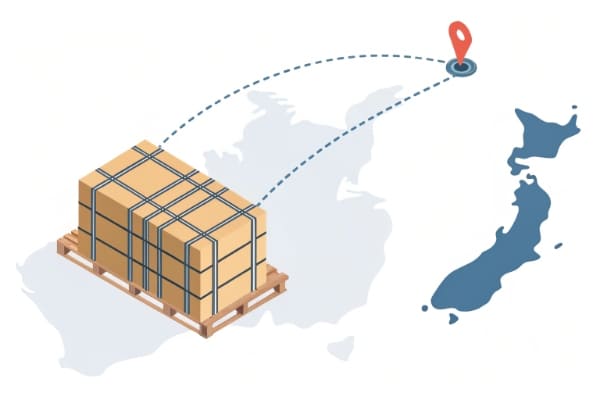
DDP is particularly advantageous for small importers and e-commerce sellers.5 You won't have to worry about customs brokers or unexpected costs. Instead, you can focus on your business and product selection.
How Much Does DDP Shipping from China to New Zealand Cost?
When discussing DDP shipping costs, several factors come into play. The cost varies based on weight, size, and the product itself.6 Generally, DDP shipping costs are competitive. However, it is essential to ask for quotes from different freight forwarders.
Many DDP services also offer cargo insurance.7 This is usually around 0.3% of the goods' value. The insurance provides peace of mind, especially for high-value items. It protects you in case of damage or loss during transit.
While the initial DDP costs may seem high, consider that so many fees are included. This can actually save you money when comparing it to other shipping methods.
How Long Does DDP Shipping to New Zealand Take?
The duration of DDP shipping can vary depending on whether you choose air or sea freight. For sea freight, it generally takes about 38-45 days.8 This is from pickup at the supplier's factory to final delivery.
On the other hand, DDP air freight is quicker. It usually takes around 14 days from pickup to delivery.9 Choosing air freight is ideal if you need your products more urgently.

Understanding these timelines can help you plan better. If timing is crucial for your business, consider the air freight option.
Is DDP Shipping Better Than FOB or CIF?
When comparing DDP with other shipping methods like FOB (Free On Board) or CIF (Cost, Insurance, and Freight), there are key differences. With DDP, the seller is responsible for all costs and risks until delivery. This makes it easier for buyers.
In contrast, with FOB, the buyer assumes responsibility once the goods are loaded onto the ship. This can lead to unexpected costs and risks. CIF is similar but includes insurance.
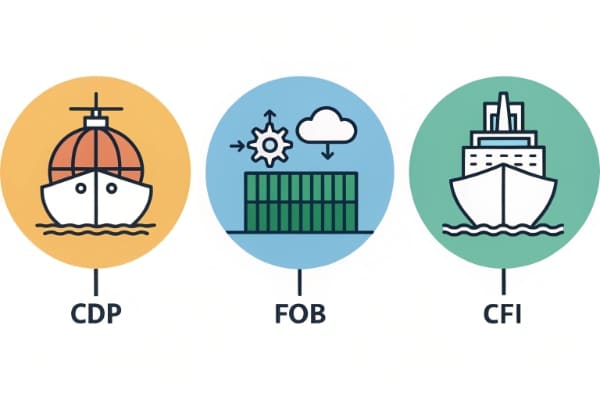
For those new to importing, DDP can be a better choice. It simplifies the process and reduces surprises.
What Products Can Be Shipped DDP to New Zealand?
Most products can be shipped DDP to New Zealand. However, it is important to check for any restrictions. For example, perishable items or certain electronics may have specific regulations.
DDP shipping works well for promotional products, branded merchandise, and eco-friendly items. These products often need careful handling and fast delivery. DDP makes this process easier.

Being aware of what products can be shipped is vital for importers. Always verify the latest regulations before shipping.
How to Avoid Customs Delays and Biosecurity Problems in New Zealand?
New Zealand has strict biosecurity regulations.10 To avoid delays, accurate documentation is crucial. You should include a commercial invoice, packing list, HS codes, and a certificate of origin.
Ensuring that all paperwork is correct will help avoid quarantine delays. This is essential for smooth customs clearance.

Additionally, working with experienced freight forwarders can minimize risks. They understand the processes and can guide you through.
Conclusion
DDP shipping from China to New Zealand is a convenient option that simplifies cross-border trade, saving you time and reducing unexpected costs.
"Know Your Incoterms - International Trade Administration", https://www.trade.gov/know-your-incoterms. The source defines Delivered Duty Paid as an Incoterms rule under which the seller bears responsibility for delivery to the named place of destination, including import clearance and payment of applicable duties and taxes. Evidence role: definition; source type: institution. Supports: DDP shipping from China to New Zealand means the seller handles all costs, risks, and customs clearance until the goods reach the buyer's location.. Scope note: Incoterms define contractual allocation of responsibilities; they do not verify how any particular freight forwarder implements DDP on a China–New Zealand shipment. ↩
"Know Your Incoterms - International Trade Administration", https://www.trade.gov/know-your-incoterms. The source explains that under Delivered Duty Paid the seller is responsible for arranging carriage and delivering the goods ready for unloading at the named destination, after handling export and import formalities. Evidence role: definition; source type: institution. Supports: The seller takes care of everything from export to delivery under DDP shipping.. Scope note: The wording summarizes the allocation of responsibility under DDP; actual operational steps may vary by contract, commodity, and destination requirements. ↩
"DDP vs. DAP Incoterms - Mercury Business Services", https://www.shipmercury.com/glossary/ddp-vs-ddu-incoterms. The source states that DDP places the obligation to pay import duties, taxes, and customs formalities on the seller, supporting the claim that buyers should not separately pay these import charges when the contract is correctly structured as DDP. Evidence role: general_support; source type: institution. Supports: Under DDP, buyers generally should not have to pay extra customs fees at import because these are allocated to the seller.. Scope note: DDP reduces buyer exposure to import charges, but it does not eliminate all possible costs unless the sales contract clearly includes them and the seller complies with local requirements. ↩
"Duty and GST - New Zealand Customs Service", https://www.customs.govt.nz/sending-and-receiving/duty-and-gst. New Zealand Customs guidance describes GST and duty as charges that can apply to imported goods, while Incoterms guidance assigns payment of import duties and taxes to the seller under DDP. Evidence role: general_support; source type: government. Supports: Under a DDP arrangement, the seller rather than the buyer is expected to deal with applicable New Zealand GST and import duties.. Scope note: The support combines New Zealand import-tax rules with the Incoterms allocation of payment responsibility; GST or duty treatment may still depend on product type, value, registration status, and contract terms. ↩
"Incoterms Explained: A Deep Dive into Delivery Duty Paid (DDP)", https://www.texasconstructionlawblog.com/2025/05/incoterms-explained-a-deep-dive-into-delivery-duty-paid-ddp/. The source describes DDP as shifting import clearance, duty, and tax responsibilities to the seller, which can reduce procedural burdens for buyers with limited customs experience. Evidence role: expert_consensus; source type: institution. Supports: DDP can be advantageous for small importers and e-commerce sellers because it shifts customs and tax administration away from the buyer.. Scope note: This supports the rationale for why DDP may help small importers, but it does not prove that DDP is always cheaper or preferable for every small business. ↩
"Freight Shipments by Commodity - Bureau of Transportation Statistics", https://www.bts.gov/topics/freight-transportation/freight-shipments-commodity. The source explains that freight charges commonly depend on shipment weight, volume or dimensional weight, route, and commodity characteristics, supporting the article’s statement that DDP pricing varies with physical and product factors. Evidence role: mechanism; source type: institution. Supports: DDP shipping cost varies based on shipment weight, size, and product characteristics.. Scope note: This evidence supports general freight-pricing mechanics rather than a specific DDP rate for China-to-New Zealand shipments. ↩
"Cargo Insurance | BETA - International Trade Administration", https://beta.trade.gov/article?id=Cargo-Insurance. The source explains that cargo or marine insurance is commonly used to cover loss or damage to goods during international transport, providing context for why DDP service providers may offer insurance as an added component. Evidence role: general_support; source type: institution. Supports: DDP shipping services may include or offer cargo insurance to cover loss or damage during transport.. Scope note: This supports the availability and purpose of cargo insurance in international shipping, not the prevalence of insurance among all DDP service providers. ↩
"A short guide on ocean freight transit times - Maersk", https://www.maersk.com/logistics-explained/transportation-and-freight/2023/09/27/sea-freight-guide. A neutral shipping schedule or port-route source can document typical ocean transit times between major Chinese ports and New Zealand ports, giving context for the article’s 38–45 day door-to-door estimate. Evidence role: statistic; source type: institution. Supports: DDP sea freight from China to New Zealand generally takes about 38–45 days from pickup to delivery.. Scope note: Port-to-port transit data may not include factory pickup, consolidation, customs clearance, or final delivery, so it may only partially substantiate a door-to-door DDP timeline. ↩
"Shipping from China to New Zealand : Air & Sea rates and transit time", https://www.youtube.com/watch?v=UXILfdshbAs. A neutral air-cargo or international logistics reference can show that air freight transit is substantially shorter than sea freight and can place China–New Zealand delivery timelines in the range of days rather than weeks. Evidence role: statistic; source type: institution. Supports: DDP air freight from China to New Zealand usually takes around 14 days from pickup to delivery.. Scope note: Published air-freight transit times often cover airport-to-airport movement and may not directly include pickup, customs clearance, and last-mile delivery under DDP. ↩
"[PDF] Food and Agricultural Import Regulations and Standards Country ...", https://apps.fas.usda.gov/newgainapi/api/Report/DownloadReportByFileName?fileName=Food+and+Agricultural+Import+Regulations+and+Standards+Country+Report_Wellington_New+Zealand_06-30-2021.pdf. New Zealand’s Ministry for Primary Industries states that imported goods are subject to biosecurity controls to prevent pests and diseases from entering the country, supporting the characterization of New Zealand import rules as stringent. Evidence role: general_support; source type: government. Supports: New Zealand has strict biosecurity regulations affecting imported goods.. Scope note: The source supports the existence and purpose of biosecurity controls; “strict” is an interpretive description rather than a quantified legal standard. ↩