
Shipping goods from China to Australia can seem complex. But with the right information, you can simplify the process. Knowing the options available and the steps involved can save you time and money.
Air freight usually takes 3-10 days, making it faster but more expensive than sea freight. It's ideal for time-sensitive or high-value goods. Sea freight, on the other hand, takes 20-45 days but offers lower costs, making it suitable for larger volumes.1
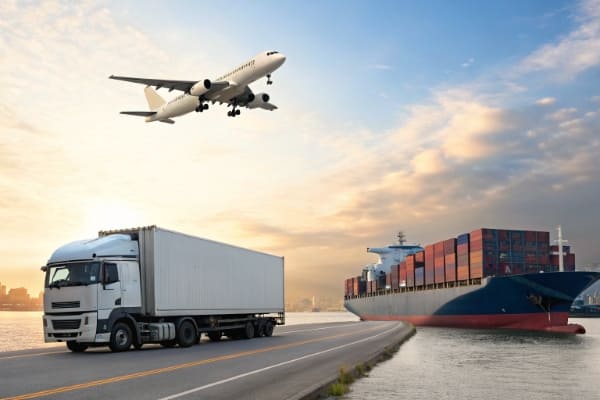
Shipping from China to Australia requires understanding the various methods available. You can choose between air freight and sea freight. Air freight is quicker but can be costly. It's the best option for urgent shipments or high-value items. Sea freight, while slower, is more economical for larger volumes.
When deciding, consider your budget, the urgency of delivery, and the nature of the goods. Also, keep in mind that sea freight has a lower carbon footprint2, making it a more eco-friendly choice.
What Shipping Methods Are Available?
When shipping goods, you have a couple of main methods: air freight and sea freight. Each has its pros and cons.
Air freight takes 3-10 days. It's fast but costs more. Sea freight can take 20-45 days but is cheaper, especially for large shipments.
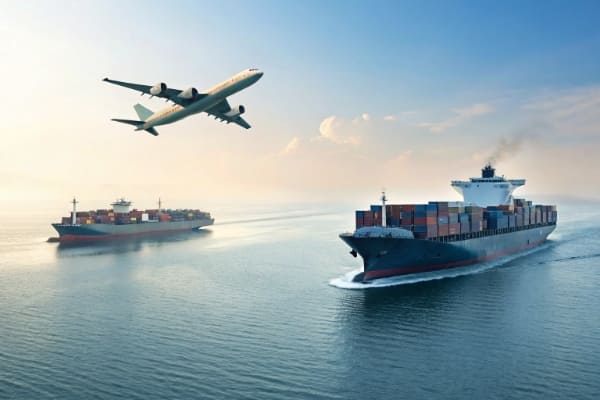
Air freight is great for urgent deliveries. If you need something quickly, this is your best choice. Sea freight is better when you want to save money and do not mind a longer wait.
You can also use freight forwarders to handle all shipping needs. They manage the documentation, customs clearance, and the shipping process.3 This makes the process smoother for everyone involved.
How Long Does Shipping to Australia Take?
Time is crucial in shipping, and it varies based on the method.
Air freight takes about 3-10 days. Sea freight requires 20-45 days. Choose based on how fast you need your goods.
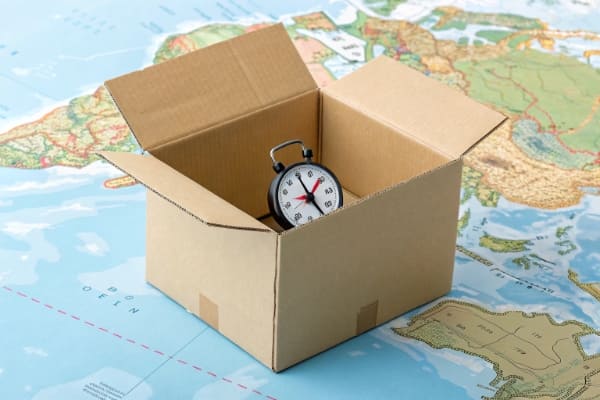
Consider peak seasons like Chinese New Year and Golden Week. Shipping during these times can lead to delays and price surges.4 It's wise to plan ahead.
If you’re shipping smaller loads, sea freight offers less flexibility. Full Container Loads (FCL) are preferred for 15-20 cubic meters.5 Less than Container Loads (LCL) work for smaller volumes. So, think about your shipment size when choosing.
What Is the Shipping Process Step by Step?
Understanding the shipping process can help you stay organized. Here are the key steps:
- Choose your shipping method: Decide between air and sea freight based on your needs.
- Prepare essential documents: Important documents include commercial invoice, packing list, bill of lading, and certificate of origin.
- Select a freight forwarder: They will assist with documentation and customs.
- Book your shipment: Confirm your shipping method and schedule.
- Clear customs: Your freight forwarder will handle this step.
- Delivery: Finally, your goods will arrive at the destination.
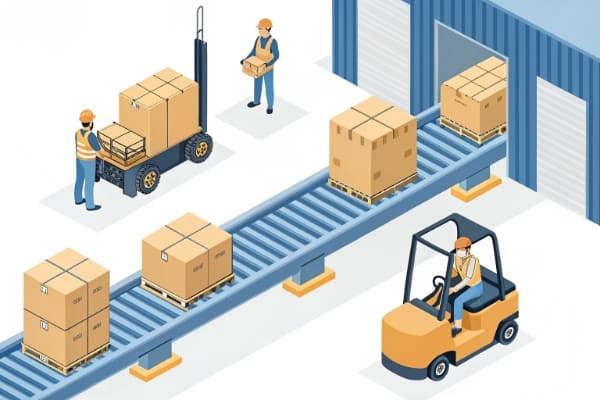
Using a freight forwarder can simplify many of these steps. They can handle customs clearance and ensure everything is compliant.
What Documents Are Required for Import?
Documentation is key in international shipping. Here's what you need:
Key documents include the commercial invoice, packing list, bill of lading, and certificate of origin.6

Australia requires 10% GST on imports, plus duties based on HS codes.7 Be ready to pay these taxes to avoid delays.
If you're shipping restricted goods such as perishables or electronics, you need to obtain Australian import permits.8 These should be prepared well in advance to avoid setbacks.
Can You Ship Door-to-Door or to Amazon FBA?
Yes, you can ship door-to-door. Many freight forwarders provide this service. They will pick up your goods in China and deliver them directly to your location in Australia.
Freight forwarders are also experienced in shipping to Amazon FBA. They can manage the entire process, ensuring your products arrive at Amazon's warehouses on time.

When shipping to Amazon FBA, prepare your products according to their guidelines. This includes proper labeling and packaging.
Consider cargo insurance as a protective measure. It covers against damage from handling or bad weather. Tracking your shipment is also essential. Use the bill of lading or AWB numbers for real-time updates.
Conclusion
Shipping from China to Australia can be efficient and cost-effective when you understand the processes involved. Knowing your options helps you make informed decisions.
"Air Freight: A Market Study with Implications for Landlocked Countries", https://www.worldbank.org/en/topic/transport/publication/air-freight-study. A logistics or international trade reference comparing air and ocean freight can support the general distinction that air transport is typically faster and costlier, while sea freight is slower and more economical for bulk cargo; the stated day ranges are lane- and service-specific estimates rather than universal transit guarantees. Evidence role: general_support; source type: institution. Supports: Air freight from China to Australia is generally faster but more expensive than sea freight, while sea freight generally takes longer and costs less for larger shipments.. Scope note: Transit times and prices vary by origin, destination, carrier schedules, customs clearance, and seasonal congestion. ↩
"Maritime Freight Carbon Emission in the U.S. using AIS data ... - PMC", https://pmc.ncbi.nlm.nih.gov/articles/PMC11127944/. Comparative transport-emissions data from an international agency or peer-reviewed study can support that maritime freight generally emits less CO₂ per tonne-kilometre than air freight; this is a modal average and does not determine the footprint of a specific shipment. Evidence role: statistic; source type: institution. Supports: Sea freight generally has a lower carbon footprint than air freight.. Scope note: Actual emissions depend on routing, vessel or aircraft type, load factor, port trucking, and refrigeration or handling requirements. ↩
"Special Documents - International Trade Administration", https://www.trade.gov/special-documents. A customs or freight-forwarding institutional source can document that freight forwarders commonly arrange transport, prepare or coordinate shipping documents, and assist with customs formalities; the source would describe typical functions rather than prove that every forwarder performs all services. Evidence role: definition; source type: institution. Supports: Freight forwarders can manage documentation, customs clearance, and shipping-process coordination.. Scope note: Service scope varies by freight forwarder, contract terms, and whether the forwarder is also acting as customs broker or agent. ↩
"Taiwan - Distribution and Sales Channels", https://www.trade.gov/country-commercial-guides/taiwan-distribution-and-sales-channels. A trade or transport source discussing Chinese New Year and Golden Week can support that factory closures, booking pressure, and port or transport congestion may disrupt shipping schedules and affect freight rates; this evidence is contextual and does not quantify the delay or surcharge for a specific shipment. Evidence role: historical_context; source type: institution. Supports: Shipping around Chinese New Year and Golden Week can result in delays and higher prices.. Scope note: The size and timing of delays or rate changes differ by year, port, carrier capacity, and booking lead time. ↩
"What is the difference between FCL and LCL shipment? Explained ...", http://forwarder-university.com/lcl-fcl/. A container-shipping reference explaining LCL and FCL economics can support that shippers often compare LCL with FCL once cargo volumes approach a significant share of a container; the 15–20 cubic metre threshold is an industry rule of thumb rather than a formal regulatory standard. Evidence role: general_support; source type: other. Supports: FCL is often preferred over LCL for shipments around 15–20 cubic metres.. Scope note: The break-even point depends on rates, cargo density, destination charges, container availability, and whether a 20-foot or 40-foot container is used. ↩
"Australia - Import Requirements and Documentation", https://www.trade.gov/country-commercial-guides/australia-import-requirements-and-documentation. Australian border or trade-agency guidance can support that importers commonly need commercial documentation such as invoices, packing information, transport documents, and origin evidence for customs assessment; the exact documents required may vary by goods, origin, and trade-agreement claim. Evidence role: general_support; source type: government. Supports: Common import documents include a commercial invoice, packing list, bill of lading, and certificate of origin.. Scope note: Not every shipment requires a certificate of origin, and additional documents may be required for regulated goods. ↩
"GST and imported goods | Australian Taxation Office", https://www.ato.gov.au/businesses-and-organisations/gst-excise-and-indirect-taxes/gst/in-detail/rules-for-specific-transactions/international-transactions/gst-and-imported-goods. Australian Taxation Office and Australian Border Force guidance can support that taxable importations are generally subject to 10% GST and that customs duty classification is determined using tariff classifications aligned with the Harmonized System; exemptions and concessions may alter the amount payable. Evidence role: definition; source type: government. Supports: Imports into Australia are generally subject to 10% GST, and customs duties are assessed according to tariff or HS classifications.. Scope note: GST, duty rates, concessions, free trade agreements, and low-value-goods rules can change the final tax treatment for a particular import. ↩
"Importing food into Australia - DAFF", https://www.agriculture.gov.au/biosecurity-trade/import/goods/food. Australian government import-control guidance can support that certain goods, including food, biological, agricultural, or other regulated products, may require import permits or compliance checks before entry; the example of electronics may require more specific treatment depending on product type and applicable safety or radiofrequency rules. Evidence role: general_support; source type: government. Supports: Restricted or regulated goods imported into Australia may require permits prepared before shipment.. Scope note: Permit requirements are product-specific, and not all perishables or electronics require the same permits or approvals. ↩