
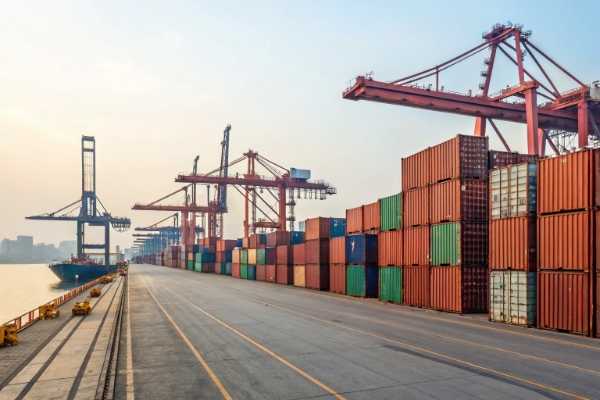
Importing products from China to Germany can seem daunting. Yet, with the right steps, it can be straightforward and rewarding.
In this guide, you'll find out how to successfully import from China to Germany, covering everything from finding suppliers to navigating customs regulations.
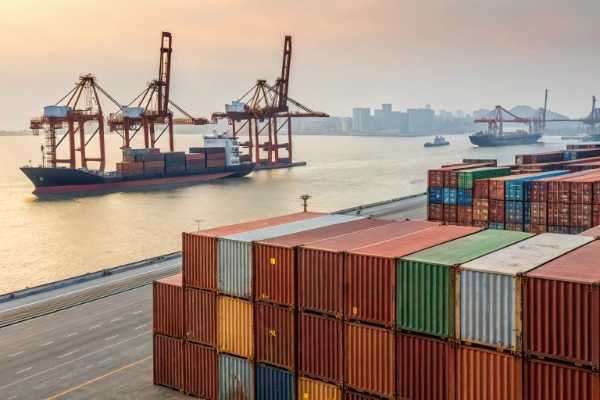
When considering importing, it’s easy to feel overwhelmed. But I assure you, taking informed steps will make the process smoother. I remember my first import experience and the challenges I faced. The right guidance can save you time, money, and frustration.
LOOP START
Why Do German Businesses Import Products from China?
Many German businesses import from China for various reasons. They seek cost-effective manufacturing, a vast range of products, and the ability to customize items based on demand.
Chinese factories provide competitive pricing and a variety of options1 that many European suppliers may not offer. This makes it appealing for German businesses to consider importing.
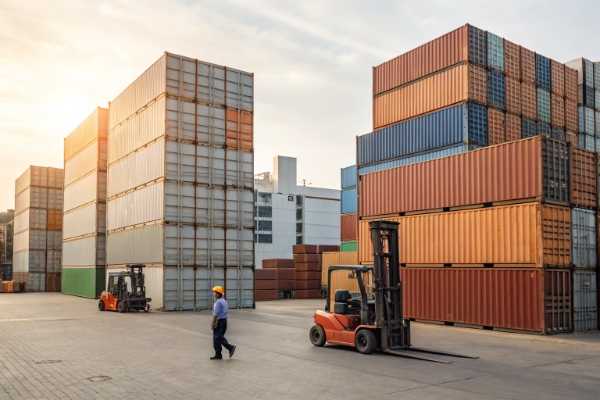
The benefits are clear. Chinese suppliers offer lower costs, which can lead to higher profit margins2. Additionally, businesses in Germany can access products that might not be available locally. This flexibility allows companies to meet customer demands better and stay competitive.
Table: Advantages of Importing from China
| Advantage | Description |
|---|---|
| Cost-Effectiveness | Lower manufacturing costs lead to increased margins. |
| Product Variety | Access to a wide range of customizable products. |
| Competitive Edge | Unique items can differentiate businesses in the market. |
LOOP END
What Products Are Commonly Imported into Germany?
A wide array of products comes from China to Germany. From electronics to textiles, the variety is vast.
Commonly imported items include electronics, machinery, clothing, and household goods3. These products are popular due to their quality and affordability.
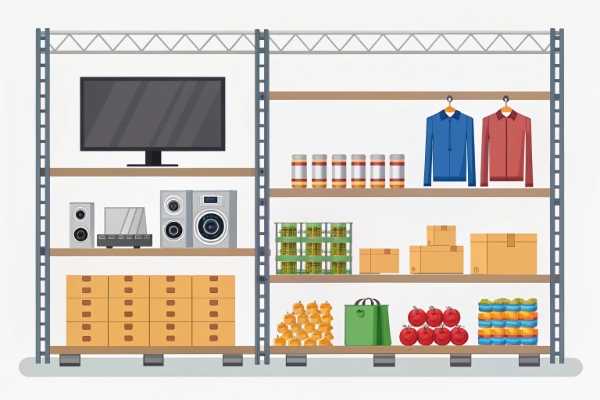
As I navigated my own importing journey, I found that electronics were particularly appealing4. They often offer great margins and are always in demand. However, it's essential to research market trends regularly. This ensures you import items that will sell.
How Can You Find Reliable Chinese Suppliers?
Finding reliable suppliers is crucial in the import process. You want to ensure your products meet quality standards.
Start by using online platforms like Alibaba, Global Sources, or Made-in-China5. They connect buyers with verified suppliers and allow you to read reviews.

I learned this the hard way. My first supplier was unresponsive, leading to delays and problems. Now, I recommend creating a checklist for vetting suppliers. Look for their compliance capabilities, past performance, and communication skills.
What Are the Steps to Import Goods into Germany?
The steps to import goods into Germany can be broken down into several key actions.
First, secure an EORI number6. Then, classify your product with the right HS code7. Prepare a commercial invoice and gather all necessary documents8. After that, select a shipping method and handle customs clearance.
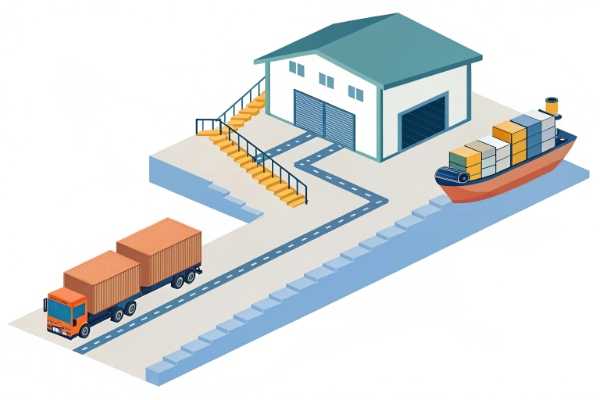
Each step is vital. The EORI number is your identifier in customs9, and the HS code is crucial for duty and VAT calculations10. I recommend double-checking these details before proceeding to avoid delays.
Which Shipping Method Is Best for Your Business?
Choosing the right shipping method depends on your business needs. Sea, air, and rail freight all have their pros and cons.
Air freight is fastest but more expensive, while sea freight is cost-effective but slower11. Rail freight offers a good balance between speed and cost12.
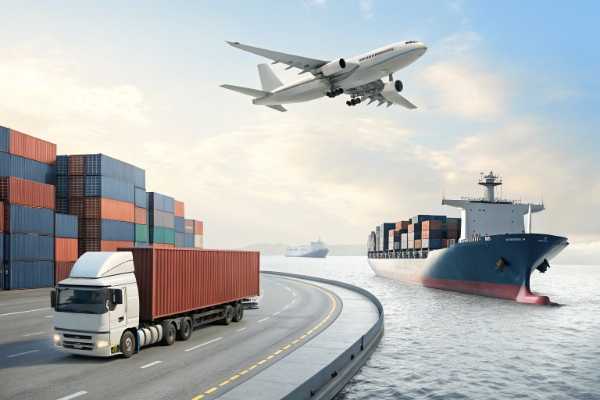
I often weigh my options based on the shipment's urgency and value. For high-value items, speed is essential, while bulk goods can afford a slower transit time. Always compare costs and delivery times to make the best decision.
What Documents Do German Customs Require?
Customs require specific documents for smooth clearance.
Key documents include a commercial invoice, packing list, and transport documents. Additionally, ensure compliance with CE marking and other regulations if applicable.

I once faced issues at customs due to missing documents. Now, I always double-check to ensure everything is in order. Keep a checklist handy, so you don’t miss anything crucial.
What Common Import Mistakes Should You Avoid?
Many mistakes can hinder the importing process.
Common errors include not securing an EORI number, misclassifying goods, and underestimating VAT costs.
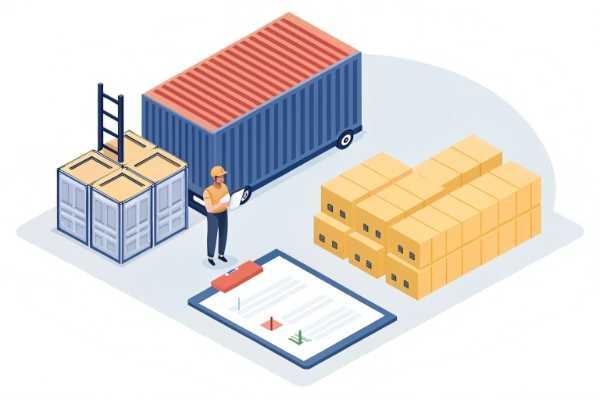
I've learned to meticulously check every detail. Misclassifying goods can lead to hefty fines or shipment delays. Ensure you understand your obligations, and always prepare for unexpected costs.
FAQs About Importing from China to Germany
What is an EORI number and why do I need it?
An EORI number is an Economic Operators Registration and Identification number. It's necessary for customs clearance in the EU.
How do I classify my goods with an HS code?
You can classify goods using the Harmonized System (HS) code, which determines the duty rate and VAT owed.
Do I have to pay VAT on imported goods?
Yes, import VAT applies to goods entering Germany. Always factor this into your landed cost.
Can I use a freight forwarder?
Absolutely! A freight forwarder can handle shipping, customs clearance, and document management efficiently.
What’s the best way to avoid delays in customs?
Ensure all documentation is complete and accurate. Also, confirm that your goods meet German regulations and standards.
Conclusion
Importing from China to Germany involves careful planning and execution, but with the right guidance, it can lead to great success.
"Manufacturing, value added (% of GDP) - World Bank Data", https://data.worldbank.org/indicator/NV.IND.MANF.ZS. International trade and manufacturing data can contextualize China’s role as a major global manufacturing exporter, supporting the claim that German importers may find broad product availability and price-competitive sourcing in China. Evidence role: general_support; source type: institution. Supports: Chinese factories provide competitive pricing and a variety of product options for German businesses.. Scope note: Such data supports the general market context, not the pricing or product range of any specific factory or transaction. ↩
"Global value and supply chains - OECD", https://www.oecd.org/en/topics/policy-issues/global-value-and-supply-chains.html. Comparative manufacturing-cost or trade-price research can support the proposition that lower input or purchase costs may improve gross margins when resale prices and other costs remain constant. Evidence role: mechanism; source type: education. Supports: Lower sourcing costs can contribute to higher profit margins for German importers.. Scope note: This supports the economic mechanism rather than proving that every China-to-Germany import transaction yields higher margins. ↩
"China–European Union relations - Wikipedia", https://en.wikipedia.org/wiki/China%E2%80%93European_Union_relations. Official German or EU import statistics by product category can substantiate that machinery, electrical/electronic goods, textiles or apparel, and consumer goods form significant parts of Germany’s imports from China. Evidence role: statistic; source type: government. Supports: Electronics, machinery, clothing, and household goods are common product categories imported into Germany from China.. Scope note: Product-category statistics may use customs classifications that do not exactly match the article’s consumer-facing category labels. ↩
"Trade Statistics by Product (HS 6-digit)", https://wits.worldbank.org/trade/country-byhs6product.aspx?lang=en. Trade statistics on Germany’s imports of electrical machinery and electronic equipment from China can provide contextual support that electronics are a substantial import category and may therefore be commercially relevant to importers. Evidence role: statistic; source type: government. Supports: Electronics are an appealing import category because they are commonly traded between China and Germany.. Scope note: Import volume does not directly establish profitability or margins for individual electronics products. ↩
"Global Sources - Wikipedia", https://en.wikipedia.org/wiki/Global_Sources. Background sources on B2B e-commerce marketplaces can document that platforms such as Alibaba, Global Sources, and Made-in-China are used to connect international buyers with Chinese suppliers. Evidence role: definition; source type: encyclopedia. Supports: Online B2B platforms can be used to find Chinese suppliers.. Scope note: Such sources can verify the function of these platforms but may not independently verify the reliability of individual suppliers listed on them. ↩
"EORI number - Wikipedia", https://en.wikipedia.org/wiki/EORI_number. EU customs guidance explains that an Economic Operators Registration and Identification number is used to identify economic operators in customs dealings within the European Union. Evidence role: definition; source type: government. Supports: Importers should secure an EORI number before importing goods into Germany.. Scope note: Specific registration procedures may vary by member state and by whether the importer is established inside or outside the EU. ↩
"Harmonized System (HS) Codes", https://www.trade.gov/harmonized-system-hs-codes. World Customs Organization and EU customs materials describe the Harmonized System and tariff classification as the basis for identifying goods and determining applicable customs treatment. Evidence role: definition; source type: institution. Supports: Importers must classify products under the correct HS or tariff code for customs purposes.. Scope note: The Harmonized System is international, while final EU duty treatment may depend on Combined Nomenclature and TARIC subheadings. ↩
"Germany - Import Requirements and Documentation | Privacy Shield", https://www.privacyshield.gov/ps/article?id=Germany-Import-Requirements-and-Documentation. EU and German customs guidance identifies commercial invoices and supporting transport or shipment documents as standard documentation used for import declarations and customs clearance. Evidence role: general_support; source type: government. Supports: A commercial invoice and related documents are needed for importing goods into Germany.. Scope note: Exact documentation requirements depend on the goods, origin, Incoterms, transport mode, and regulatory controls. ↩
"EORI number - Wikipedia", https://en.wikipedia.org/wiki/EORI_number. European Commission customs guidance states that the EORI system provides a unique identification number for economic operators and other persons in customs procedures across the EU. Evidence role: definition; source type: government. Supports: An EORI number functions as a customs identifier in EU import procedures.. Scope note: The source explains the identifier function but does not address every practical situation in which an EORI may be requested. ↩
"EU Customs Tariff (TARIC) - Taxation and Customs Union", https://taxation-customs.ec.europa.eu/customs/common-customs-tariff-cct/tariff-classification-goods/eu-customs-tariff-taric_en. EU customs tariff resources explain that commodity classification determines applicable duty rates and is used with customs value and origin to calculate import charges, while import VAT is assessed on importation under national and EU tax rules. Evidence role: mechanism; source type: government. Supports: The HS or tariff code affects customs duty and import VAT calculations.. Scope note: HS or tariff classification is one component of the calculation; customs value, origin, exemptions, and national VAT rules also affect the final amount due. ↩
"[PDF] Performance of Maritime Logistics | OECD", https://www.oecd.org/content/dam/oecd/en/publications/reports/2022/07/performance-of-maritime-logistics_bee321c8/8e06fcd1-en.pdf. Logistics and transport research commonly distinguishes air freight as faster and higher-cost than maritime freight, while sea freight is generally slower and more economical for bulk shipments. Evidence role: expert_consensus; source type: research. Supports: Air freight is generally faster and more expensive than sea freight, while sea freight is generally slower and cheaper.. Scope note: Actual cost and transit time vary by route, shipment size, capacity constraints, fuel prices, and service level. ↩
"Rising Sea & Air Costs: Why China-Europe Rail Freight Is ... - Ufreight", https://ufreight.com/rising-sea-air-costs-why-china-europe-rail-freight-is-the-critical-third-way-for-global-shippers/. Studies of Eurasian rail freight describe rail as typically faster than maritime shipping and less costly than air freight on China–Europe routes, supporting its characterization as an intermediate transport option. Evidence role: expert_consensus; source type: paper. Supports: Rail freight can provide an intermediate speed-cost option between air and sea freight for China-Europe shipments.. Scope note: The balance between speed and cost depends on the route, border procedures, capacity, geopolitical disruptions, and the type of cargo. ↩