
Shipping costs can be confusing, especially when importing goods from China to New Zealand. In 2026, understanding these costs is essential for businesses and individuals alike.
Shipping rates from China to New Zealand have changed due to several factors, including global supply chain disruptions, fuel prices, and demand fluctuations. Knowing these changes can help you plan your budget better.

Shipping costs have been on a rollercoaster ride lately, and many people are left wondering how to navigate this landscape. With rising costs and various shipping options available, it can be challenging to find the best solution. Whether you are a business owner or an individual, understanding the factors influencing shipping rates is crucial.
Why Have Shipping Rates to New Zealand Changed in 2026?
The shipping rates from China to New Zealand have seen significant fluctuations in 20261. Global events, such as the pandemic and geopolitical tensions, have disrupted supply chains2. Fuel prices have also skyrocketed, impacting shipping costs3. Increased demand for shipping services has further complicated the situation.
In 2026, shipping rates have increased due to disruptions in the global supply chain and rising fuel prices. Awareness of these changes can help you better manage your shipping budgets.
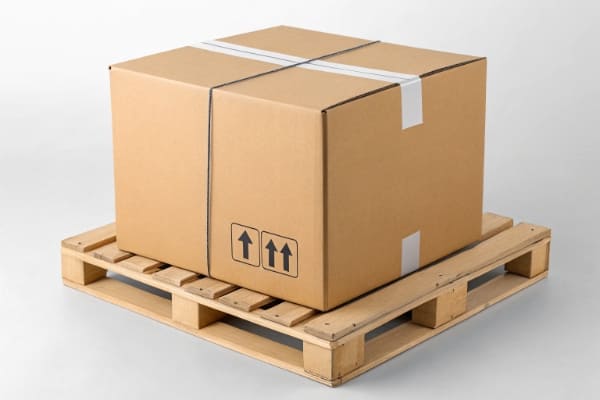
The rise in demands for air freight and sea freight services has led to increased competition among carriers4. This often results in higher shipping rates as companies try to recoup losses from previous years. For businesses looking to import goods, it is essential to stay informed about these changes to make better decisions.
Dive Deeper
Several factors have influenced the rising shipping costs in 2026. The COVID-19 pandemic's aftermath has revealed vulnerabilities in supply chains worldwide. Shipping lines have faced delays and cancellations, leading to a backlog of shipments. Additionally, geopolitical events have made certain shipping routes less reliable. As a result, shipping companies have had to raise rates to cope with increased operational costs.
Moreover, the surge in e-commerce has led to more demand for shipping services5. Consumers are ordering more online, increasing the pressure on shipping carriers. Fuel prices are another critical factor. The cost of fuel has a direct impact on shipping rates, and any increase can lead to higher prices for consumers. As a result, being aware of these factors can offer valuable insights for anyone looking to ship products from China to New Zealand.
What Is the Air Freight Cost from China to New Zealand?
When it comes to air freight, the costs can vary based on the service you choose. In 2026, I found that DHL Express charges about $36 for packages weighing between 100g to 1kg6. They promise delivery in 2–5 days with tracking included7.
Air freight costs for shipments from China to New Zealand typically range from $36 for lightweight packages to higher rates as weight increases. Understanding these costs can help you choose the best shipping option.

FedEx International Priority is another option available, costing $42 for packages up to 1kg and also delivering within 2–5 days8. Air freight generally takes around 5 workdays for door-to-door service. As you can see, if you're shipping lighter packages, air freight is often a faster, albeit more expensive, option.
Dive Deeper
Air freight is a popular choice for businesses needing quick shipping solutions. In 2026, companies are recognizing the importance of fast delivery, making air freight a preferred method for many. However, the cost of air freight can escalate quickly as the weight increases. For example, rates may spike significantly once you exceed 10kg due to express carriers' pricing structures.
Additionally, air freight can be impacted by fuel surcharges and seasonal demand fluctuations. Carriers may increase rates during peak shipping seasons, such as before holidays. This means that timing your shipments can also play a critical role in overall costs.
For importers, it is essential to weigh the benefits of speed against the costs. If your goods need to be delivered urgently, air freight is the way to go. However, if timing is flexible, exploring sea freight options could lead to significant savings.
What Is the Sea Freight Cost from China to New Zealand?
Sea freight also provides an affordable option for larger shipments. As of 2026, sea freight to Auckland costs approximately $5.5–$6.5 per kg, depending on whether you choose LCL (Less than Container Load) or FCL (Full Container Load). A 20ft container shipped from Shenzhen to Auckland will set you back around $400–$600, with an estimated transit time of 18–26 days9.
Sea freight is generally cheaper than air freight, making it a preferred choice for larger shipments10. Rates can range from $5.5 to $6.5 per kg for shipping to New Zealand.
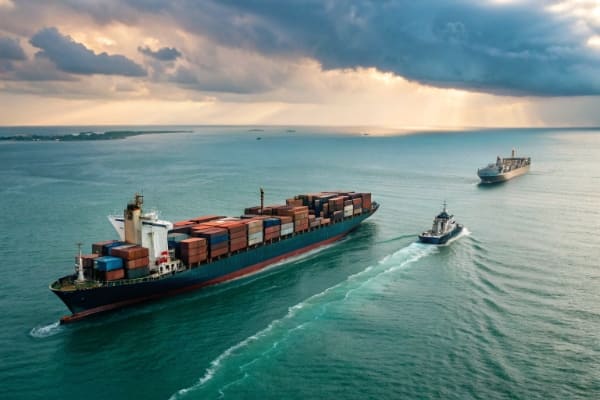
For businesses looking to lower shipping costs, sea freight may be the best option for larger volumes. However, it’s essential to factor in the longer transit times compared to air freight.
Dive Deeper
Understanding the sea freight process can save you money in the long run. When choosing between LCL and FCL, consider the volume of goods you intend to ship. LCL is ideal for smaller shipments, where you share container space with other shippers. FCL is cost-effective for larger shipments that fill an entire container.
Furthermore, when shipping via sea, consider additional factors like customs clearance fees, port charges, and handling fees. These costs can add up and should be part of your shipping budget. It’s always wise to work with a reliable freight forwarder who can provide clarity on these costs. They can also help you navigate the complexities of international shipping, ensuring that your goods arrive safely and on time.
Which Shipping Method Is More Cost-Effective?
When comparing shipping methods, the choice often comes down to cost versus speed. Air freight is fast but can be expensive. Sea freight is more affordable, but it takes longer.
Choosing the right shipping method depends on your priorities. If time is crucial, air freight may be worth the extra cost. Otherwise, consider sea freight for larger shipments to save money.
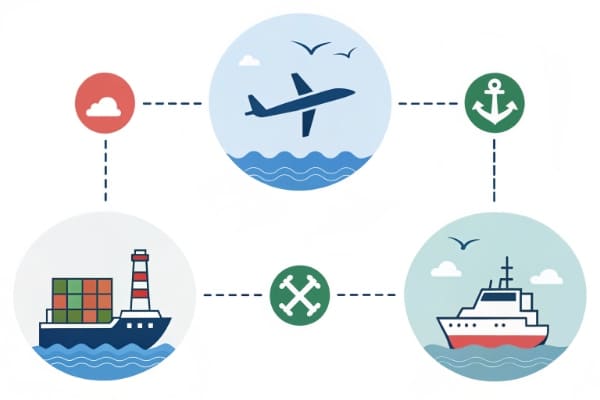
To determine the best option for your business, assess your specific needs. If you have a large volume of products, sea freight will likely be more economical. However, if you need your items quickly, then air freight is the way to go.
Dive Deeper
It’s essential to analyze your shipping requirements holistically. Sometimes, a combination of both methods might be necessary. For example, you could use air freight for urgent orders and sea freight for regular shipments. Consolidation services can also help manage costs and logistics effectively.
By understanding your shipping patterns, you can make informed decisions that optimize your logistics strategy. Additionally, keep an eye on market trends and pricing fluctuations, as these can impact your overall shipping budget. Working closely with a logistics partner can also provide valuable insights into the best practices for your shipping needs.
What Additional Charges Should Importers Expect?
Importers should be aware of additional costs when shipping from China to New Zealand. Customs duties and GST are applicable to most imports, with GST currently set at 15% on the item value plus shipping and insurance11.
Importing goods incurs additional costs such as customs duties and GST, which can impact overall expenses. Being aware of these expenses can help you plan your budget more effectively.

Other potential charges include handling fees, documentation fees, and port charges. These can vary depending on the shipping method and the freight forwarder you choose.
Dive Deeper
Understanding these additional charges is crucial for budgeting your import costs. Researching and consulting with your logistics provider can provide clarity on what to expect. Each country has different regulations and fee structures, which can make it challenging to navigate the landscape of international shipping.
Being proactive in understanding these charges can help you avoid surprises and maintain your budget. It's essential to factor these costs into your overall pricing strategy to ensure you remain competitive in your market.
How Can You Reduce Shipping Costs to New Zealand?
Reducing shipping costs is a goal for many importers. A few strategies can help you save money. For lighter shipments, consider using China Post ePacket, which costs about $2.60 USD for 0.5 kg shipments, with a transit time of 7–20 days.
There are several ways to cut shipping costs, such as using the cheapest shipping options, consolidating shipments, and negotiating with carriers. Exploring these methods can help you save significantly.
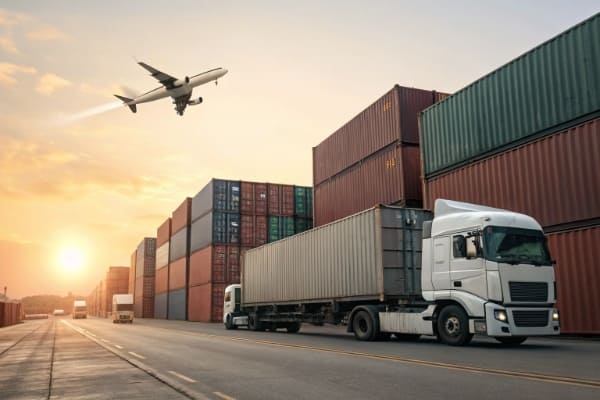
Consolidation services for Taobao parcels can also help reduce costs. Starting at ¥136 RMB, these services provide tax-clearance support and a transit time of 30–40 business days.
Dive Deeper
When looking to reduce shipping costs, evaluate your shipping habits. Consolidating smaller shipments into one larger shipment can significantly cut costs. Additionally, negotiate rates with carriers when possible, especially if you have regular shipping volumes.
Always stay informed about the market rates and trends. This knowledge allows you to make timely decisions, ensuring you get the best deals. Keeping an eye on changes in customs regulations can also save you from unexpected costs.
Conclusion
Shipping from China to New Zealand in 2026 presents various options and costs. Understanding these factors will help you make better choices for your business.
"Containerized Freight Index - Price - Chart - Historical Data - News", https://tradingeconomics.com/commodity/containerized-freight-index. A freight-rate index or port/shipping market dataset showing month-to-month changes in 2026 would substantiate the statement that rates fluctuated significantly during that year. Evidence role: statistic; source type: research. Supports: Shipping rates from China to New Zealand saw significant fluctuations in 2026.. Scope note: A general container or air-cargo index may be a proxy unless it reports the China–New Zealand trade lane directly. ↩
"Global Disruptions Are Testing How the World Moves Goods and ...", https://www.imf.org/en/blogs/articles/2026/04/29/global-disruptions-are-testing-how-the-world-moves-goods-and-people. An international institution report explains that geopolitical tensions and conflict can disrupt shipping routes, raise risk premiums, and affect supply-chain reliability, providing context for this claim. Evidence role: mechanism; source type: institution. Supports: Geopolitical tensions have disrupted supply chains relevant to shipping costs.. Scope note: The evidence may describe global shipping disruptions rather than disruptions specific to China–New Zealand shipments. ↩
"Fuel Dashboard | Open Ag Transport Data - USDA", https://agtransport.usda.gov/stories/s/Fuel-Dashboard/tzmp-vzg4/. Energy-price data and freight-market analysis showing changes in marine fuel or jet-fuel prices would support the claim that fuel-cost increases affect shipping costs. Evidence role: mechanism; source type: government. Supports: Rising fuel prices have increased or affected shipping costs.. Scope note: The term 'skyrocketed' requires quantitative price movement; otherwise the source supports only the mechanism linking fuel costs to freight rates. ↩
"Freight transport", https://www.oecd.org/en/data/indicators/freight-transport.html. A transport-market report showing changes in air-cargo and ocean-freight demand can support the statement that demand pressure has affected carrier markets. Evidence role: general_support; source type: institution. Supports: Demand for air and sea freight services has risen and affected carrier market conditions.. Scope note: Higher demand does not necessarily prove increased competition unless the source separately documents carrier behavior or market structure. ↩
"[PDF] to better reflect e‑commerce customer needs in both the “below 2 kg ...", https://www.upu.int/UPU/media/upu/publications/202408finalPublicationDopDevelopmentoOfPhysicalPostalServices-2023_EN.pdf. E-commerce and logistics research links growth in online retail to increased parcel, warehousing, and delivery demand, supporting the general relationship between e-commerce expansion and shipping-service demand. Evidence role: mechanism; source type: research. Supports: Growth in e-commerce has increased demand for shipping services.. Scope note: This supports the general mechanism and may not directly quantify the China–New Zealand import lane. ↩
"Get a Free Domestic or International Business Shipping Quote Online", https://www.dhl.com/us-en/home/get-a-quote.html. A DHL rate table or shipping quote for China-to-New Zealand Express service would support the stated approximate price for parcels in the 100 g–1 kg range. Evidence role: statistic; source type: other. Supports: DHL Express charges about $36 for China-to-New Zealand packages weighing between 100 g and 1 kg.. Scope note: Carrier rates vary by origin city, service account, surcharge, currency, and booking date, so a quoted rate is time- and shipment-specific. ↩
"Track your DHL Express shipment", https://www.dhl.com/discover/en-hk/ship-with-dhl/track-package. A DHL Express service description for China-to-New-Zealand shipments can document the advertised delivery window and tracking availability for eligible express parcels. Evidence role: case_reference; source type: other. Supports: DHL Express offers 2–5 day delivery with tracking for relevant China-to-New Zealand shipments.. Scope note: Advertised transit times are not guarantees and can vary with customs clearance, pickup location, holidays, and service availability. ↩
"[PDF] fedex-service-guide-2016.pdf", https://wne.edu/mail-services/doc/fedex-service-guide-2016.pdf. A FedEx International Priority quote or service guide for China-to-New-Zealand parcels would substantiate the stated approximate 1 kg price and advertised delivery window. Evidence role: statistic; source type: other. Supports: FedEx International Priority costs about $42 for packages up to 1 kg and delivers within about 2–5 days.. Scope note: The amount and transit time depend on origin, destination, fuel surcharge, account discounts, customs processing, and quote date. ↩
"Container Shipping Cost & Rates Calculator [2026] - Freightos", https://www.freightos.com/freight-resources/container-shipping-cost-calculator-free-tool/. A container-freight quote database, port-pair schedule, or freight-rate index for Shenzhen/Yantian to Auckland can support the approximate 20 ft container cost and transit-time range. Evidence role: statistic; source type: research. Supports: A 20 ft container from Shenzhen to Auckland costs around $400–$600 and takes about 18–26 days in transit.. Scope note: Spot container prices and transit times change frequently and may exclude surcharges, terminal handling, documentation, customs clearance, and inland transport. ↩
"International transport costs: Why and how to measure them?", https://blogs.worldbank.org/en/transport/international-transport-costs-why-and-how-measure-them. Transport economics or freight-forwarding education material explains that ocean freight has lower unit costs but longer transit times than air freight, especially for bulky or heavy cargo. Evidence role: expert_consensus; source type: education. Supports: Sea freight is generally cheaper than air freight for larger shipments.. Scope note: This supports the general cost relationship; actual savings depend on shipment size, urgency, cargo type, surcharges, and door-to-door handling costs. ↩
"Duty and allowances - New Zealand Customs Service", https://www.customs.govt.nz/sending-and-receiving/duty-and-gst/duty-and-allowances. New Zealand Customs guidance states that import GST is charged at 15% and is calculated on the customs value plus applicable duty, freight, and insurance, supporting the described import-tax treatment. Evidence role: definition; source type: government. Supports: New Zealand import GST is 15% and is calculated on the item value plus shipping and insurance.. Scope note: The exact payable amount can vary with tariff classification, concessions, de minimis rules, and whether the goods are low-value imported goods sold through a registered supplier. ↩