
Importing products from China to Canada can seem daunting. Many entrepreneurs feel overwhelmed by the process. I understand this completely. However, with the right information, it can be manageable and rewarding.
The best way to import involves understanding the paperwork, taxes, shipping options, and compliance requirements. This knowledge helps you avoid common pitfalls and ensures a smooth import experience.
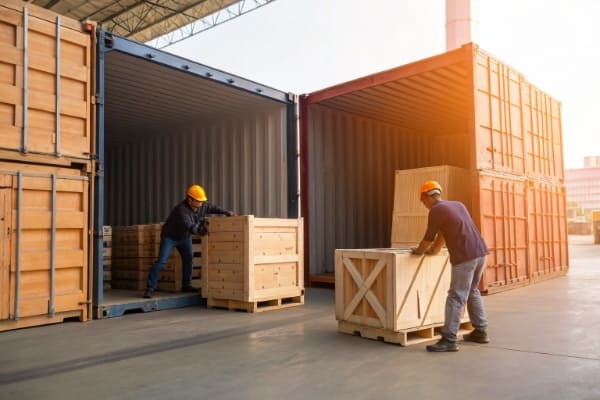
To successfully import products, you need to know a few critical factors. Many variables play a role in how smoothly your shipping process goes. I will break down everything into manageable parts so you can navigate this journey easily.
What Documents Are Required to Import into Canada?
Importing any product requires proper documentation, and Canada is no exception. It’s essential to have your paperwork in order. Not having the right documents can lead to delays or even fines.
You will typically need a commercial invoice, packing list, and bill of lading or air waybill1. Depending on the product, additional permits or certificates may also be required2. Having complete documentation ensures your goods clear customs without issue3.

The commercial invoice is crucial as it provides details about your shipment. It includes the product's description, value, and country of origin. The packing list outlines what is in each package, while the bill of lading serves as proof of shipping. Don't underestimate the importance of these documents; they are the backbone of your import process.
What Taxes and Duties Will You Pay in Canada?
When importing goods, taxes and duties are unavoidable. Understanding what you will have to pay can help you budget and avoid surprises.
Importers must declare goods to the Canada Border Services Agency (CBSA) and pay applicable duties and Goods and Services Tax (GST)4. If your products fall under specific exemptions5, you may not have to pay certain taxes.

Duty rates depend on the product’s HS code6, which is crucial for tax calculation and customs classification. Before shipping, make sure to verify the HS code for your products. This code drives your duty and tax rates, impacting your overall cost.
What Products Are Restricted or Prohibited in Canada?
Not every product can be imported into Canada. Certain items are restricted or prohibited, which can create problems for importers.
Before placing an order, research your product to ensure it can legally enter Canada. Some categories, such as food items, cosmetics, electronics, and children's products, have strict regulations7.

Understanding these restrictions early will save you time and money. If you try to import a restricted product, it can lead to confiscation or delays. Always check Canadian product safety and compliance rules to see if your items are allowed.
Should You Use Air Freight, Sea Freight, or Express Shipping?
Choosing the right shipping method is critical. The best option often depends on your shipment size, urgency, and product value.
Sea freight is usually the best choice for bulk cargo. Air freight is ideal for urgent goods8, while express shipping works for small, high-value parcels. Selecting the right mode can significantly affect your costs and delivery times.
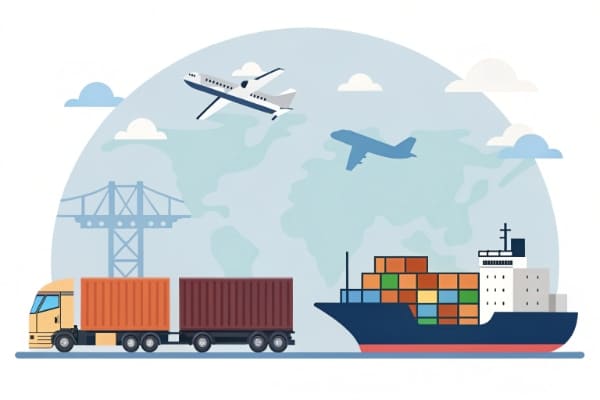
I recommend analyzing your needs carefully. If you have a large shipment, sea freight is often the most cost-effective choice. However, if time is of the essence, air freight will get your products to Canada faster. Always consider what is best for your specific situation.
How Can You Avoid Shipping Delays and Hidden Fees?
Shipping delays can be costly. Hidden fees can also eat into your profits. To avoid these issues, proper planning is essential.
Work with reliable suppliers and request samples, quotes, and written order terms before placing large orders. Ensure you understand all shipping costs, including duties and taxes. Transparency is key!

Additionally, build inventory buffers for long sea-freight lead times. Shipping from Asia to Canada can take several weeks9, not counting additional inland delivery time. Planning ahead will help you manage your inventory effectively.
How to Find a Trusted China Freight Forwarder for Canada?
Finding a reputable freight forwarder is crucial for smooth shipping. They can help you navigate the complexities of international shipping.
Compare multiple freight forwarders or logistics providers. Pricing and transit times can vary significantly, so you want to choose a provider that meets your needs.
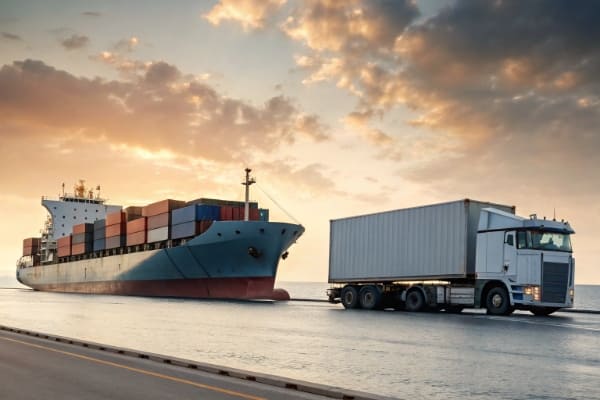
A trusted freight forwarder will provide valuable insights and support throughout the shipping process. They can help you manage the logistics seamlessly, which can reduce errors and delays. It's worth taking the time to find a good partner.
Conclusion
Importing products from China to Canada can be a straightforward process with the right knowledge and support.
"Canada - Import Requirements and Documentation", https://www.trade.gov/country-commercial-guides/canada-import-requirements-and-documentation. Canada Border Services Agency importer guidance identifies commercial documentation and transport documents as core records used to account for imported goods entering Canada. Evidence role: general_support; source type: government. Supports: Canadian importers typically need a commercial invoice, packing list, and bill of lading or air waybill.. Scope note: Requirements can vary by commodity, shipment method, and customs broker procedures. ↩
"Importing commercial goods into Canada: 1. Preparing to import", https://www.cbsa-asfc.gc.ca/import/guide-eng.html. The Canada Border Services Agency and Canadian Food Inspection Agency describe permit, licence, and certificate requirements for regulated goods, supporting the claim that some imports require documentation beyond standard customs records. Evidence role: general_support; source type: government. Supports: Depending on the product, additional permits or certificates may be required to import into Canada.. Scope note: The specific permit or certificate depends on the product, origin, and applicable federal department. ↩
"Importing commercial goods into Canada: 1. Preparing to import", https://www.cbsa-asfc.gc.ca/import/guide-eng.html. CBSA guidance explains that complete and accurate import accounting information is required for customs processing, which supports the general link between complete documentation and smoother clearance. Evidence role: mechanism; source type: government. Supports: Having complete documentation helps goods clear Canadian customs more smoothly.. Scope note: Complete documents reduce clearance problems but do not guarantee release, since inspection, admissibility, or compliance issues may still arise. ↩
"Canada Border Services Agency - Wikipedia", https://en.wikipedia.org/wiki/Canada_Border_Services_Agency. CBSA guidance states that commercial importers must account for imported goods and pay applicable duties and taxes, including GST where applicable. Evidence role: definition; source type: government. Supports: Importers must declare goods to CBSA and pay applicable duties and GST.. Scope note: Provincial sales tax, excise duties, surtaxes, and relief provisions may apply depending on the goods and circumstances. ↩
"Travellers - Paying duty and taxes", https://www.cbsa-asfc.gc.ca/travel-voyage/pdt-pdt-eng.html. Government of Canada tariff and tax guidance describes circumstances in which imported goods may qualify for preferential tariff treatment, relief, or exemptions from certain duties or taxes. Evidence role: general_support; source type: government. Supports: Some imported products may qualify for exemptions from certain Canadian duties or taxes.. Scope note: Eligibility is fact-specific and usually depends on origin, tariff classification, end use, documentation, or statutory relief rules. ↩
"Harmonized System (HS) Codes - International Trade Administration", https://www.trade.gov/harmonized-system-hs-codes. The World Customs Organization explains that the Harmonized System is an international nomenclature used to classify traded products for customs purposes. Evidence role: definition; source type: institution. Supports: An HS code is used for customs classification of imported products.. Scope note: National tariff schedules add country-specific tariff lines and rates beyond the international six-digit HS structure. ↩
"Importing, exporting or transhipping consumer products and cosmetics", https://www.canada.ca/en/health-canada/services/consumer-product-safety/legislation-guidelines/guidelines-policies/importing-exporting-commercial/document.html. Canadian federal regulators publish product-specific requirements for foods, cosmetics, electrical products, and children’s products, indicating that these categories are subject to safety, labelling, or compliance controls before sale or import. Evidence role: general_support; source type: government. Supports: Food items, cosmetics, electronics, and children's products are regulated categories in Canada.. Scope note: Regulatory obligations differ substantially within each category and may involve different agencies, standards, and provincial rules. ↩
"[PDF] FREIGHT TRANSPORT FOR DEVELOPMENT: TOOLKIT", https://thedocs.worldbank.org/en/doc/676831434653819822-0190022009/render/AirTransportairfreightt4dtoolkit.pdf. International transport references commonly distinguish ocean freight as suited to large-volume cargo because of lower unit cost, while air freight is used for time-sensitive shipments because of shorter transit times. Evidence role: expert_consensus; source type: institution. Supports: Sea freight is generally suited to bulk cargo, while air freight is generally suited to urgent goods.. Scope note: The best mode depends on route, cargo value, volume, service level, and market rates rather than shipment size or urgency alone. ↩
"A Guide to International Freight Transit Times from Asia to USA", https://dimerco.com/blog-post/a-guide-to-international-freight-transit-times-from-asia-to-usa/. Port and shipping schedule information for trans-Pacific container services shows that ocean freight between Asian ports and Canadian ports commonly has transit times measured in weeks. Evidence role: statistic; source type: institution. Supports: Shipping from Asia to Canada by sea can take several weeks.. Scope note: Transit time varies by origin port, destination port, carrier schedule, transshipment, congestion, customs release, and inland delivery. ↩