
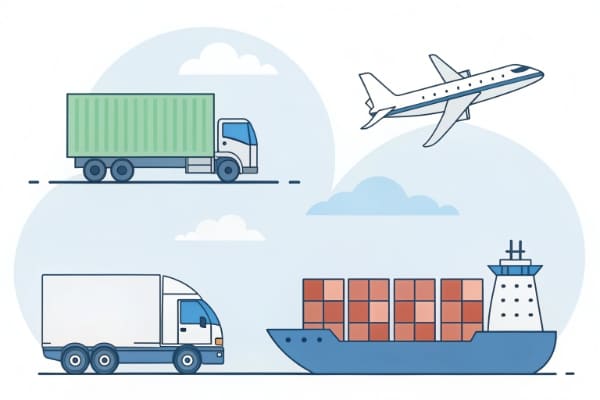
Shipping products across the globe can be a daunting task. Let's break down how to ship from China to New Zealand in a simple way.
The cheapest way to ship from China to New Zealand is through sea freight, especially for larger shipments.1 LCL (Less than Container Load) is great for smaller shipments while FCL (Full Container Load) is more economical for bulk goods.
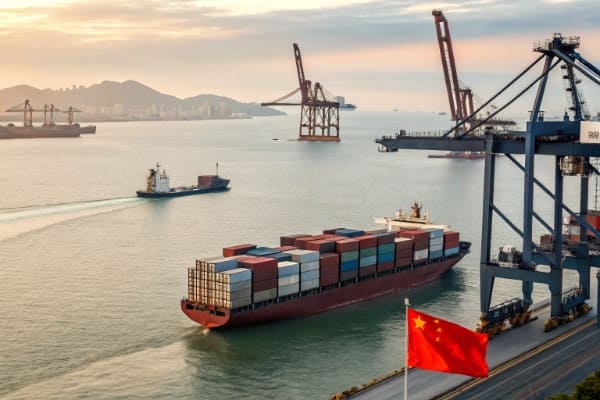
Shipping products from China to New Zealand involves various factors, including costs, timeframes, and customs regulations. Understanding these elements can help streamline your shipping process and avoid surprises.
What Is the Cheapest Way to Ship from China to New Zealand?
Shipping costs are a primary concern for many businesses. I’ve found that the most cost-effective method is typically sea freight. This option is practical for larger consignments. For smaller shipments, LCL is economical, while FCL is better for bulk items. It's important to compare costs to find the right balance between price and efficiency.
The cheapest method often depends on your shipment size. Sea freight remains cost-efficient for larger loads, while LCL is great for smaller shipments under 15 cubic meters.2
Shipping during busy periods, like Chinese New Year, can lead to increased costs.3 Booking in advance is essential to secure better rates.
Dive Deeper into Shipping Costs
When considering shipping from China to New Zealand, the costs can vary significantly. For example, as of 2025, a 20ft FCL container can cost between $850 and $1,600 USD, while a 40ft container ranges from $1,600 to $3,000 USD4. If you opt for LCL, expect to pay about $5 to $10 per cubic meter.5 Additionally, you should factor in origin charges, which could add an extra $540 USD to your overall costs.
When planning your budget, it's crucial to consider the total landed cost. This includes origin port handling, export clearance, freight, MPI inspection levies, port terminal fees, and inland delivery6. By choosing a forwarder who provides transparent quotes, you can avoid hidden charges and unexpected expenses.
How Much Does Shipping from China to New Zealand Cost in 2026?
Shipping costs can fluctuate based on various factors. In 2026, expect prices for sea freight to remain stable but possibly increase during peak seasons. Air freight, while faster, is generally more expensive. Therefore, balancing urgency and cost is crucial.
In 2026, expect to budget around $850-$1,600 USD for a 20ft FCL and $1,600-$3,000 USD for a 40ft FCL. For LCL, anticipate $5-$10 per cubic meter in costs.
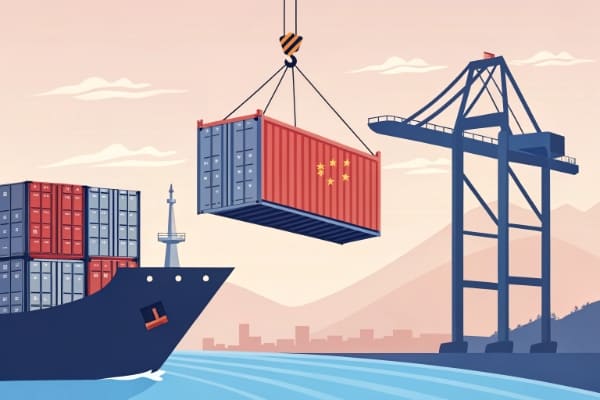
Keep in mind that New Zealand applies a 15% GST on the total CIF value (cost, insurance, freight) for all imports from China.7 However, most commercial imports benefit from duty-free status under the NZ-China FTA since 2024.8
Dive Deeper into Customs and Taxes
When importing goods, customs regulations are crucial. The 15% GST applies to the CIF value, making it essential to factor this into your overall costs. However, since most commercial imports are duty-free due to the NZ-China FTA, you can significantly reduce your tax burden when importing.
It's important to have a Certificate of Origin to claim these tariff-free benefits.9 Approved exporters can self-declare the origin, simplifying the process and reducing reliance on traditional certification methods. Make sure you have all necessary documents ready to avoid delays.
How Long Does Shipping from China to New Zealand Take?
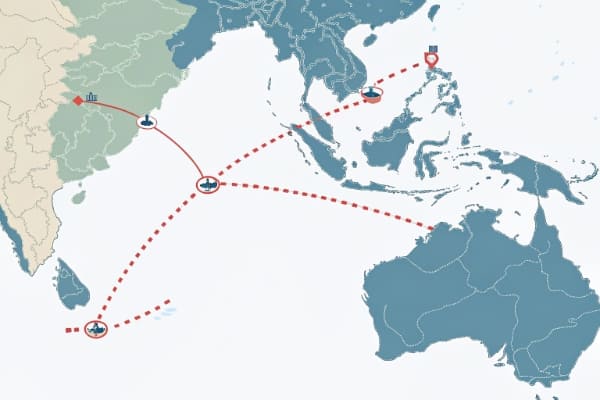
Timing is key in shipping. For sea freight, shipments from major ports in China, such as Shanghai and Shenzhen, typically take around 14 to 20 days to reach Auckland. If you're shipping to Wellington or Christchurch, expect a longer timeframe of 25 to 35 days due to transshipment through Auckland.
Sea freight takes 14-20 days to Auckland, while Wellington and Christchurch may take 25-35 days due to transfers.10 Air freight is much quicker and usually takes 3-7 days.
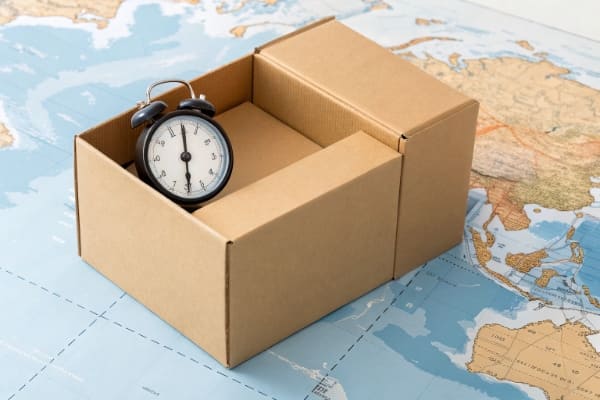
Air freight is a quicker option, delivering door-to-door in just 3 to 7 days.11 This method is ideal for high-value shipments under 500 kg, urgent samples, or e-commerce restocks.
Dive Deeper into Shipping Timeframes
Understanding the timeframes for different shipping methods helps you plan better. Sea freight is economical for bulky shipments but requires patience. If you need quick delivery, air freight is the way to go.
When planning your shipment, always consider busy periods like the Chinese New Year and Christmas peak season. During these times, shipping capacity is limited, and rates may increase. Booking your shipment 2 to 3 weeks in advance can help secure better prices and ensure timely delivery.
Should You Choose Air Freight or Sea Freight to New Zealand?
When deciding between air freight and sea freight, consider the nature of your products and how urgently you need them. Air freight is faster, but it’s also more expensive. It’s best for smaller, high-value items, while sea freight is better for large, bulky shipments.
Air freight is faster (3-7 days), while sea freight takes longer (14-35 days) but is more cost-effective for larger shipments.
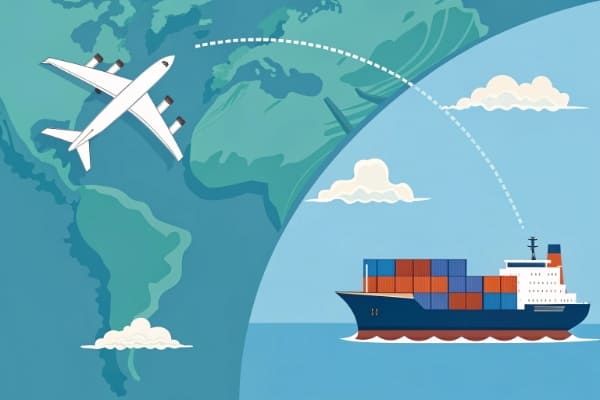
Choosing the right method depends on your budget and delivery needs. If you can wait, sea freight is likely the best option. However, for urgent needs, air freight provides the speed required to meet tight deadlines.
Dive Deeper into Shipping Choices
The decision between air and sea freight often comes down to budget and urgency. Air freight is suitable for high-value electronics and urgent shipments, but the cost can be significantly higher. For larger shipments, sea freight tends to offer better pricing and is the go-to option for many businesses.
When planning your shipment, consider the volumetric weight pricing for air freight. Even lighter, bulky items can incur higher costs based on volume rather than weight alone.
How Does DDP Shipping from China to New Zealand Work?
DDP (Delivered Duty Paid) shipping is an attractive option for many importers. It means that the seller is responsible for all costs, including shipping, duties, and taxes, until the goods reach the buyer's doorstep. This takes the burden off the buyer and simplifies the import process.
DDP shipping means the seller handles all costs and customs, providing a hassle-free experience for the buyer.
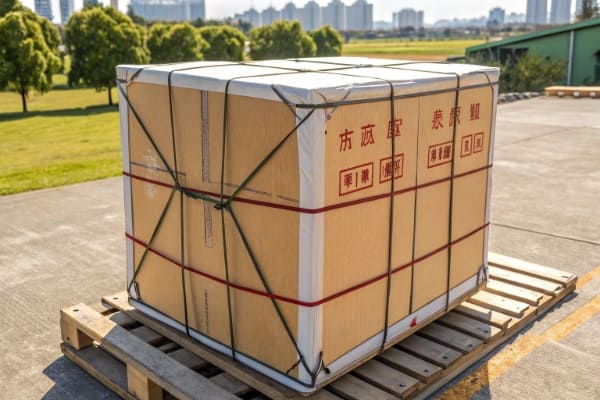
With DDP shipping, you can avoid unexpected charges. However, ensure that your freight forwarder is reliable and experienced in handling DDP shipments.
Dive Deeper into DDP Benefits
Using DDP shipping can significantly reduce stress during the import process. Since the seller takes care of all logistics, duties, and taxes, it allows you to focus on your business. This method is particularly helpful for newcomers to international shipping.
It's crucial to work with a forwarder who understands DDP requirements and can provide clear communication regarding all associated costs. This way, you can avoid any surprises and manage your budget effectively.
How to Choose a Reliable Freight Forwarder from China to New Zealand?
Choosing the right freight forwarder is critical for smooth shipping. Look for experience, transparency in pricing, and positive reviews. A good forwarder will communicate clearly and help navigate customs processes.
A reliable freight forwarder should have strong communication, transparent pricing, and experience with New Zealand imports.
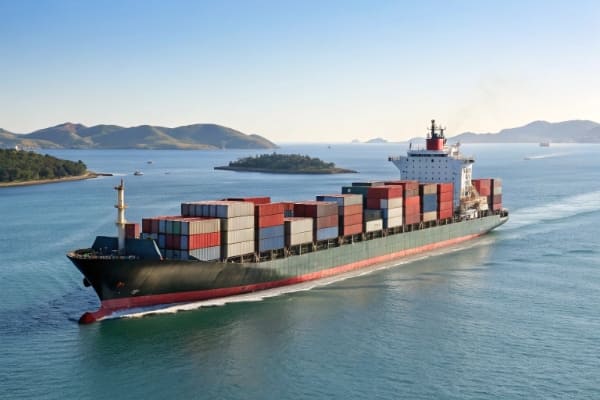
It's advisable to seek recommendations or read reviews online. A strong track record in handling shipments to New Zealand can guide your decision.
Dive Deeper into Freight Forwarder Selection
When selecting a freight forwarder, consider their experience in shipping to New Zealand specifically. They should understand local customs regulations, especially regarding GST and import duties.
Additionally, an ideal forwarder will provide detailed quotes without hidden fees, ensuring that you know exactly what you're paying for.
Conclusion
Shipping from China to New Zealand requires strategic planning. Understanding costs, time, and customs will help you make informed decisions. Choose wisely, and your shipping process will be smooth.
"[PDF] Fathoming Shipping Costs: An Exploration - World Bank Document", https://documents1.worldbank.org/curated/en/099436104042241280/pdf/IDU0c20d2ae90046304ca009ab508217e50747bd.pdf. A neutral logistics or trade source should support that ocean freight generally has lower unit costs than air freight for large-volume international cargo, while noting that the exact cheapest mode depends on weight, volume, route, service level, and market rates. Evidence role: general_support; source type: institution. Supports: Sea freight is usually the cheapest way to ship larger consignments from China to New Zealand.. Scope note: This would support the general cost relationship between ocean and air freight, not prove that sea freight is cheapest for every China–New Zealand shipment. ↩
"Your Guide to FCL vs LCL - Approved Freight Forwarders", https://www.approvedforwarders.com/fcl-vs-lcl/. A logistics-education or freight-forwarding standards source should support that LCL is commonly used for smaller-volume cargo and that shippers often compare LCL with FCL once cargo volume approaches a meaningful fraction of a container; any 15 cubic metre threshold should be treated as a practical rule of thumb rather than a regulatory standard. Evidence role: general_support; source type: education. Supports: LCL is commonly appropriate for smaller shipments, with 15 cubic meters used as a practical decision threshold.. Scope note: The precise 15 m³ cutoff is likely market-dependent and may not be stated by official sources. ↩
"Chinese New Year 2026: How It Impacts Shipping & What To Do Now", https://teuinc.com/blog/chinese-new-year-2026-shipping. A shipping-market or trade-institution source should support that Chinese New Year commonly disrupts manufacturing and logistics schedules in China, producing capacity constraints and rate pressure around the holiday period; the magnitude of cost increases varies by year and trade lane. Evidence role: historical_context; source type: institution. Supports: Chinese New Year can increase shipping costs because of seasonal congestion and capacity constraints.. Scope note: This supports seasonal risk generally, not a guaranteed cost increase for every shipment. ↩
"Container Shipping Cost & Rates Calculator [2026] - Freightos", https://www.freightos.com/freight-resources/container-shipping-cost-calculator-free-tool/. A freight-rate index or shipping-market report should substantiate the stated 2025 container-rate ranges for China–New Zealand or nearby China–Oceania lanes, while clarifying whether the figures include only ocean freight or also surcharges and local charges. Evidence role: statistic; source type: research. Supports: In 2025, China–New Zealand FCL rates were approximately $850–$1,600 for 20ft containers and $1,600–$3,000 for 40ft containers.. Scope note: Spot freight rates change frequently, and published indices may not match individual forwarder quotes or door-to-door costs. ↩
"Container Shipping Cost & Rates Calculator [2026] - Freightos", https://www.freightos.com/freight-resources/container-shipping-cost-calculator-free-tool/. A current freight-rate source should document representative LCL pricing for China–New Zealand shipments and state whether the quoted amount is ocean freight only or includes origin, destination, consolidation, documentation, and minimum charges. Evidence role: statistic; source type: research. Supports: LCL shipping from China to New Zealand can cost about $5–$10 per cubic meter.. Scope note: LCL rates are highly sensitive to minimum chargeable volume, commodity, port pair, and local fees; a per-cubic-metre figure alone may be incomplete. ↩
"Receive items from overseas - New Zealand Customs Service", https://www.customs.govt.nz/sending-and-receiving/receive-items-from-overseas. New Zealand Customs, MPI, and port or forwarding guidance should support that landed import costs can include freight, customs/export documentation, port or terminal charges, biosecurity inspection levies, and inland transport, although exact fee names and liability depend on the Incoterm and shipment circumstances. Evidence role: general_support; source type: government. Supports: Total landed cost may include origin handling, export clearance, freight, MPI inspection levies, terminal fees, and inland delivery.. Scope note: This supports the categories of charges, not the amount or applicability of every fee to every shipment. ↩
"Duty and allowances - New Zealand Customs Service", https://www.customs.govt.nz/sending-and-receiving/duty-and-gst/duty-and-allowances. New Zealand Customs guidance should support that GST is charged at 15% on imported goods and is generally calculated on the customs value plus duty, freight, insurance, and other applicable charges, with collection rules depending on the type and value of the import. Evidence role: definition; source type: government. Supports: New Zealand applies 15% GST to imported goods based on a value that includes cost, insurance, and freight.. Scope note: The article’s phrasing 'all imports from China' may be overbroad because exemptions, low-value-goods rules, and special cases can alter collection. ↩
"New Zealand–China Free Trade Agreement - Wikipedia", https://en.wikipedia.org/wiki/New_Zealand%E2%80%93China_Free_Trade_Agreement. An official New Zealand government or treaty source should support the tariff-elimination schedule under the New Zealand–China Free Trade Agreement and identify which goods qualify for preferential duty treatment, while noting that eligibility depends on tariff classification and origin requirements. Evidence role: historical_context; source type: government. Supports: Many commercial imports can receive duty-free treatment under the New Zealand–China Free Trade Agreement, subject to eligibility rules.. Scope note: The word 'most' requires tariff-line data; preferential duty-free treatment is not automatic without meeting rules of origin and documentation requirements. ↩
"New Zealand–China Free Trade Agreement", https://www.customs.govt.nz/customs-information-and-legislation/legislation/international-agreements/free-trade-agreements/new-zealand-china-free-trade-agreement. Official customs or FTA guidance should support that importers claiming preferential tariff treatment under the New Zealand–China FTA must provide valid origin evidence, such as a certificate of origin or approved origin declaration, subject to the agreement’s rules of origin. Evidence role: definition; source type: government. Supports: A Certificate of Origin or equivalent origin evidence is required to claim NZ–China FTA tariff preferences.. Scope note: A certificate may not be the only permissible proof where approved exporter or self-declaration provisions apply. ↩
"Instant Freight Transit Time Calculator | Air, Ocean & Trucking", https://www.freightos.com/freight-resources/transit-time-calculator/. Carrier schedules, port data, or maritime-route information should support typical transit times from major Chinese ports to Auckland and longer delivery times to Wellington or Christchurch when cargo is transshipped or moved domestically; actual transit times vary by origin port, service rotation, congestion, and sailing frequency. Evidence role: statistic; source type: institution. Supports: Sea freight from China to Auckland typically takes 14–20 days, while shipments to Wellington or Christchurch can take 25–35 days when transfers are involved.. Scope note: Published schedules are estimates and may not represent door-to-door delivery or delays at ports and customs. ↩
"Shipping from China to New Zealand [Updated May 2026 ] | Freightos", https://www.freightos.com/shipping-routes/shipping-from-china-to-new-zealand/. An air-cargo or logistics reference should support that international air freight commonly has much shorter transit times than ocean freight and can often be delivered within several days on established routes, while noting that door-to-door time depends on pickup, flight availability, customs clearance, and final delivery. Evidence role: general_support; source type: institution. Supports: Air freight from China to New Zealand can often deliver door-to-door within 3–7 days.. Scope note: This supports the general 3–7 day expectation but not a guaranteed service time for every China–New Zealand shipment. ↩