
The choice between a 20ft and 40ft container can be confusing. Both have unique advantages and limitations that affect shipping logistics.
In short, the main difference lies in their size and capacity. A 40ft container holds considerably more cargo than a 20ft container, serving different shipping needs.
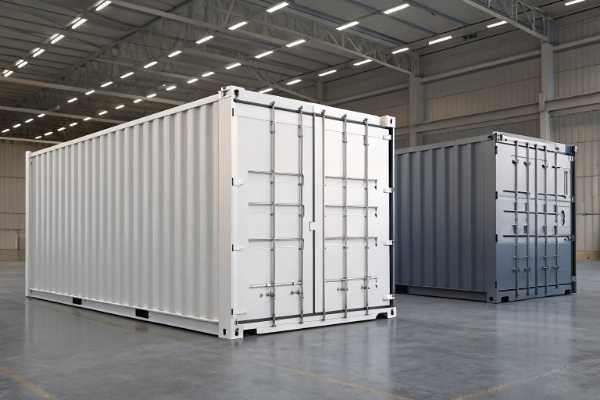
When looking at the differences between these containers, you need to consider several factors such as cargo type, volume, and weight. This decision can impact your shipping efficiency and costs.
What Is the Difference Between a 20ft and 40ft Container?
The main difference between a 20ft and a 40ft container is their size. A 20ft container is 20 feet long, while a 40ft container is, as the name suggests, 40 feet long.
This difference in length translates into a significant difference in internal volume. A 40ft container can hold roughly double what a 20ft container can. Therefore, if you have a larger volume of goods to ship, a 40ft might be more suitable.
While a 20ft container is more compact, making it easier to maneuver in tight spaces, it may not always be the best choice if you have a lot of lighter cargo.
How Much Cargo Can a 20ft Container Hold?
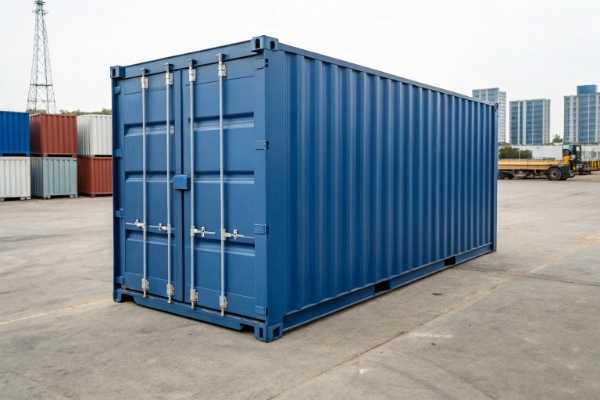
A 20ft container can typically hold around 28-30 cubic meters of cargo. The maximum payload is usually around 22,000 kilograms, depending on the cargo type and shipping line policies.
This size makes it ideal for heavy, dense goods. If your shipment consists of bulky items but is relatively light, you may not fully utilize the space.
Thus, a 20ft container is often a wise choice for businesses that deal with heavy equipment, machinery, or similar dense products.
How Much Cargo Can a 40ft Container Hold?
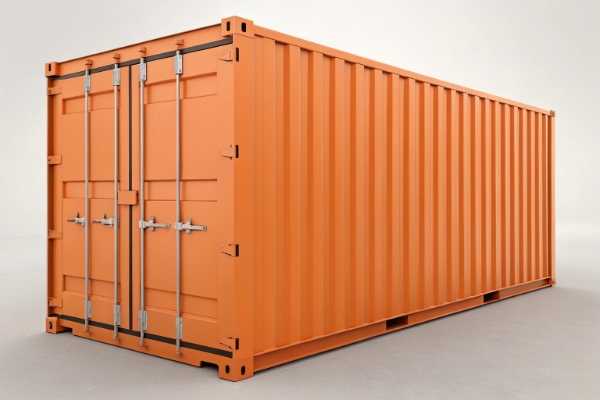
A 40ft container typically offers around 58-67 cubic meters of internal volume, allowing for a substantial increase in shipping capacity. Its maximum payload can reach up to about 26,000 kilograms.
This makes it a preferable option for lighter, bulkier items. Companies often use 40ft containers for shipments that involve clothing, plastic products, or other low-density cargo types.
With a 40ft container, you can optimize your shipping process by consolidating more products into one unit. This reduces handling complexity and shipping time.
How Do 20ft and 40ft Containers Compare in Cost?
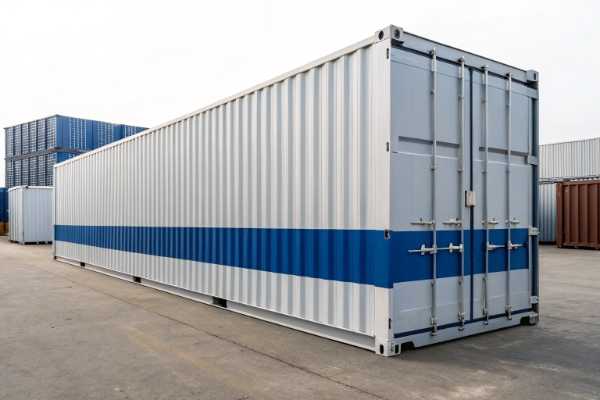
Cost-wise, a 40ft container is usually cheaper per cubic meter when compared to a 20ft container, especially when filled to capacity. However, the initial rental or purchase cost may appear higher for a 40ft container.
If you have a large shipment, the savings in per cubic meter cost can make a 40ft container the more economical choice.
On the other hand, if your cargo doesn’t take up all the space in a 40ft container, you might end up wasting money on extra capacity you don’t need.
Which Container Is Better for Different Types of Cargo?
When selecting between 20ft and 40ft containers, you should consider the type of cargo you have.
A 20ft container works best for dense, heavy items like machinery or metals. Conversely, a 40ft container excels with lighter, bulkier shipments such as textiles or furniture.
Ultimately, understanding your cargo's characteristics is crucial for making the right choice.
When Should You Choose a 20ft Container?
You should choose a 20ft container when your cargo is heavy or dense. If you have limited space at your loading or unloading area, a 20ft container can easily fit into tighter spots.
It's the perfect size for smaller shipments that still require robust support. It can be less complicated to manage, particularly for businesses that are just starting to handle shipments.
Using a 20ft container helps avoid wasted space, leading to more efficient transportation.
When Should You Choose a 40ft Container?
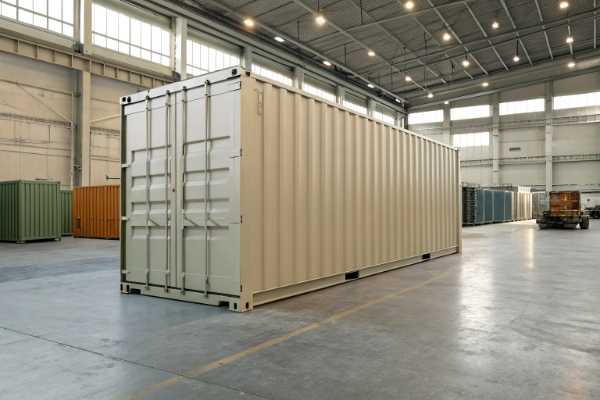
Opt for a 40ft container when your shipment exceeds the capacity of a 20ft container. If your cargo is bulkier or lighter, a 40ft container will allow you to consolidate shipments, reducing the number of containers needed.
This can simplify logistics and cut down on handling time. A 40ft container is also a better option for international shipping, where maximizing space efficiently can lead to significant savings.
In many cases, fewer containers mean fewer complications during transit.
How Do You Choose the Right Container Size for Your Shipment?
Choosing the right container size requires careful consideration of both cargo volume and weight.
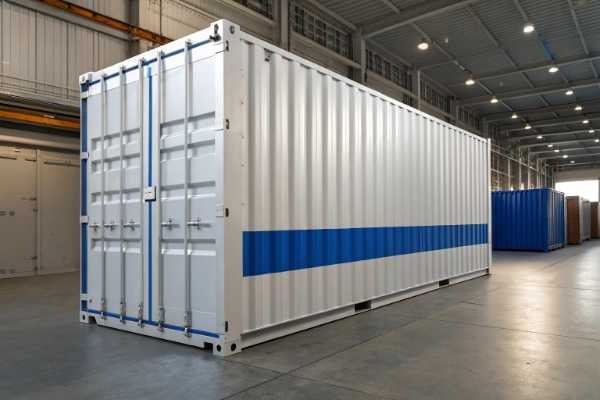
Start by calculating how much space your cargo will actually require. If weight is your primary concern, a 20ft container may be the better option. But if you need to ship a larger volume of lighter items, a 40ft container could be more effective.
Always remember that the best choice is not just about volume; it also involves understanding your unique shipping needs.

Conclusion
Choosing between a 20ft and a 40ft container depends on your cargo's size and weight, impacting costs and efficiency.
Looking for real rates? See our detailed breakdown of 40ft container shipping costs from China to the USA.