
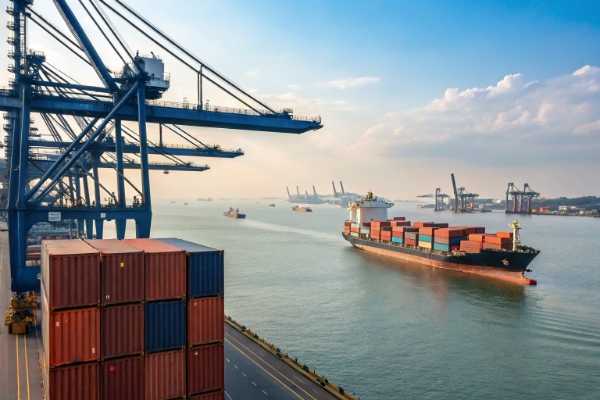
Sea freight shipping can seem complex, but it's a crucial part of global trade1. Understanding its steps can make the process smoother.
Sea freight involves several stages, including booking, preparing goods, customs clearance, and final delivery. Each step is essential to ensure a successful shipment.
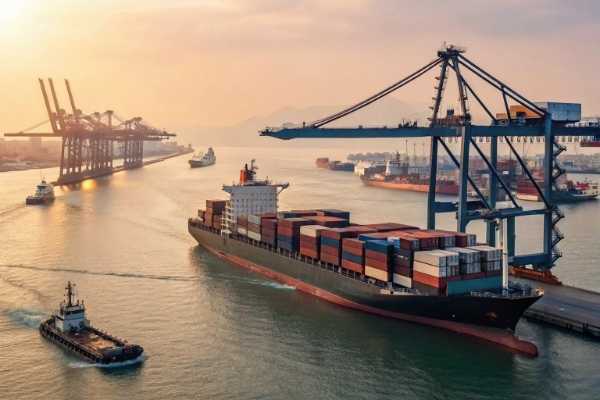
The sea freight process begins with booking space on a shipping line or through a freight forwarder. The carrier will confirm the sailing schedule, container type, and rate. Proper planning at this stage sets the tone for everything that follows.
What Is the Sea Freight Shipping Process?
Sea freight shipping consists of various stages that work together to move goods from one country to another. Each stage is interconnected, so any delay can affect the schedule2.
The process includes booking space, preparing goods, export customs clearance, transportation to the port, ocean transit, import customs clearance, and final delivery. Understanding these steps is vital for efficient shipping.
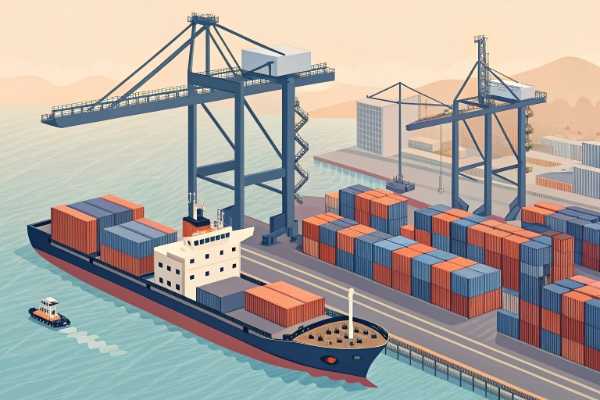
The first step is to book space with a freight forwarder or shipping line. This commitment includes details such as container size, freight rates, and sailing schedules. Once confirmed, the exporter can move on to preparing the goods.
How Do You Prepare Goods Before Sea Freight Shipping?
Preparing goods for sea freight is crucial. This preparation involves several tasks that ensure the cargo is ready for transport.
The exporter must package the goods, arrange for container pickup, load the items at the factory or warehouse, and seal the container. This thorough preparation minimizes delays during shipping.
The exporter starts by ensuring that products are correctly packaged. Good packaging protects the items from damage during transportation.3 Once ready, the exporter must arrange for the pickup of a shipping container. After the container is ready, the goods are loaded inside, and the container is sealed4. This step is vital to ensure security and compliance with shipping regulations.
How Is Cargo Collected and Delivered to the Port?
Once the goods are packed and the container is sealed, the next phase begins. This phase involves transporting the container from the origin to the port.
Cargo is typically collected by truck or rail.5 The chosen mode of transport ensures that the container arrives at the port terminal in time for loading onto the vessel. Coordination is key at this stage.
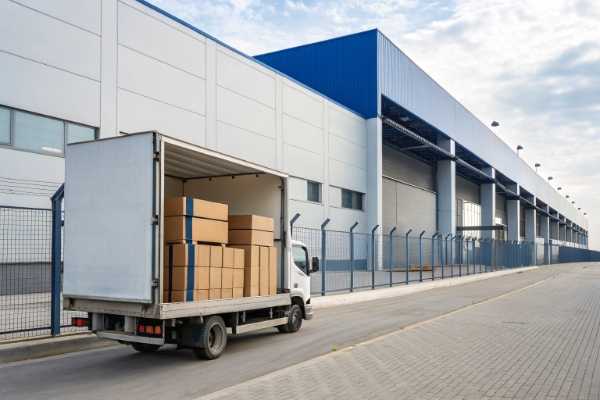
The chosen transportation method will depend on the distance and the type of goods being shipped. Once the container arrives at the port terminal, it is staged for loading onto the vessel. This coordination is essential to prevent delays and additional costs.
What Happens During Export Customs Clearance?
Export customs clearance is a critical step to ensure goods can leave the country legally.
This process includes submitting necessary documents such as the commercial invoice, packing list, and export declaration6. Clearance must be completed before the shipment departs.7
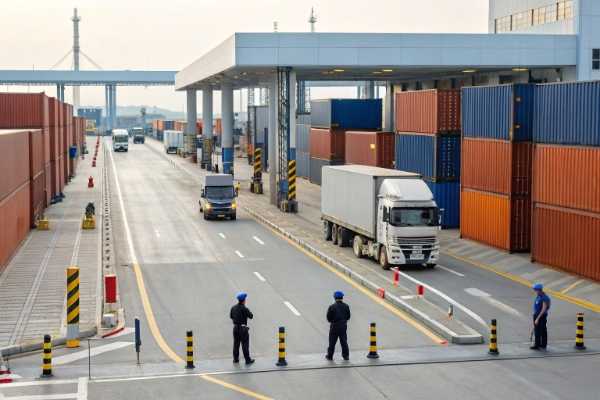
During this stage, customs officials review the submitted documents. They check for accuracy and compliance with regulations. Once clearance is granted, the container can officially leave the origin country. This step is crucial for preventing any legal issues during transport.
How Are Goods Transported Across the Ocean?
After customs clearance, the cargo is loaded onto a vessel for its journey across the ocean.
The shipping line issues a Bill of Lading8, which serves as the core transport document. The ocean transit phase is where the actual shipping takes place.
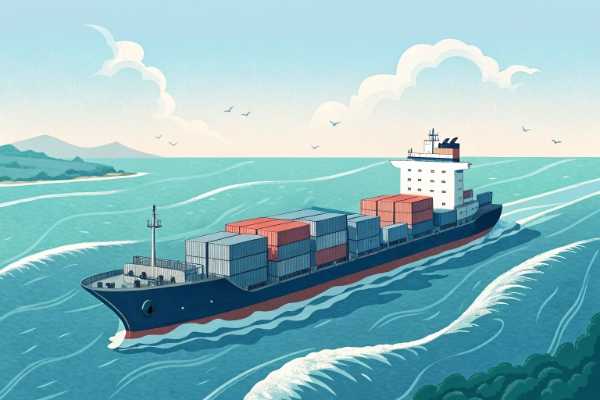
The Bill of Lading contains important information about the shipment, including details of the cargo and terms of transport. During the ocean transit phase, the shipping line updates the consignee with estimated departure and arrival times. This information keeps everyone informed about the shipment's status.
What Happens After the Shipment Arrives at the Destination Port?
Upon arrival at the destination port, several important steps take place.
The importer must complete import customs clearance, which includes paying duties and taxes. This process is necessary before the cargo can be released.
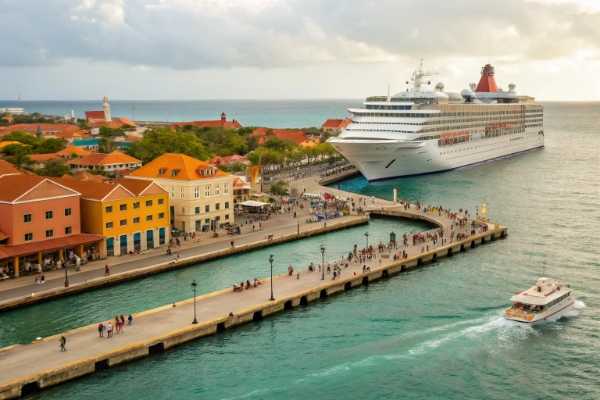
During import customs clearance, the customs officials review the shipment's documents. After successful clearance, a Delivery Order is issued. This document is necessary for collecting the cargo from the terminal or yard. Understanding this process helps prevent misunderstandings and delays.
How Does Import Customs Clearance Work?
Import customs clearance is similar to the export process but focuses on compliance with the destination country's regulations.
Importers need to provide accurate documentation and pay any applicable duties or taxes to ensure a smooth clearance process.
The documents required may include the Bill of Lading, commercial invoice, and packing list. Once everything is in order, the customs officials will approve the clearance. This step is essential for the legal release of the goods at the destination.
How Are Goods Delivered to the Final Destination?
The final step in the sea freight process is the delivery of goods to the consignee's location.
After customs clearance, the cargo must be transported from the port area to the final destination. This usually involves inland transport and destination handling.
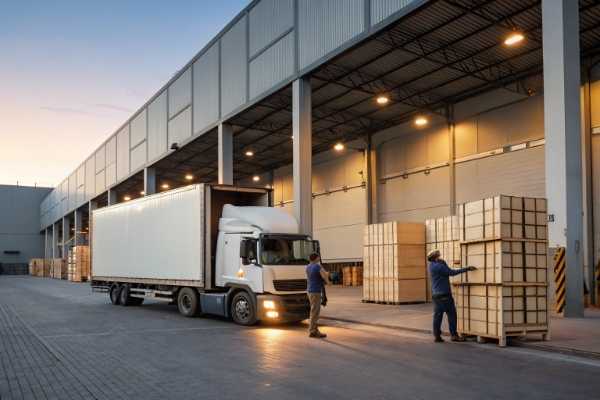
The transport from the port to the final warehouse or store is crucial. It may involve local trucking services or other means of transportation. Proper planning ensures that the goods arrive in good condition and on time.
Sea freight works best when booking, documentation, customs, port handling, and inland trucking are coordinated early. Delays at any step can trigger extra storage or demurrage costs.9 Proper management of each stage is essential for successful delivery.
Conclusion
In summary, understanding the sea freight process can help you navigate each step, ensuring a smooth shipping experience.
"Shipping and Ports", https://www.worldbank.org/ext/en/topic/transport/shipping-and-ports. UNCTAD’s Review of Maritime Transport states that maritime transport carries over 80% of world merchandise trade by volume, supporting the claim that sea freight is central to global trade. Evidence role: statistic; source type: institution. Supports: Sea freight is a crucial part of global trade.. Scope note: The share varies by year and differs when measured by value rather than volume. ↩
"Supply Chains and Port Congestion Around the World in - IMF eLibrary", https://www.elibrary.imf.org/view/journals/001/2022/059/article-A001-en.xml. Research on maritime logistics and container shipping networks explains that delays at ports, customs, or inland connections can propagate through schedules and supply chains, providing contextual support for the claim that one stage can affect subsequent timing. Evidence role: mechanism; source type: paper. Supports: Because sea freight stages are interconnected, delays in one stage can affect the overall schedule.. Scope note: Such studies support the general mechanism of delay propagation, not every individual shipment scenario. ↩
"CTU Code – a quick guide", https://assets.ippc.int/static/media/files/publication/en/2022/01/CIGCTU_Code__a_quick_guide_Sep_2020.pdf. The IMO/ILO/UNECE Code of Practice for Packing Cargo Transport Units states that cargo should be packed and secured to withstand normal transport forces, supporting the role of packaging in reducing transport damage. Evidence role: mechanism; source type: institution. Supports: Proper packaging helps protect goods from damage during sea freight transportation.. Scope note: The code provides safety and handling principles rather than guaranteeing that packaging prevents all damage. ↩
"pc0526e1a.pdf", https://www.wcoomd.org/-/media/wco/public/global/pdf/topics/facilitation/ressources/permanent-technical-committee/221-222/pc0526e1a.pdf?la=en. World Customs Organization guidance on container security and high-security seals identifies container seals as part of supply-chain security controls, supporting the statement that sealing a loaded container is a security and compliance measure. Evidence role: mechanism; source type: institution. Supports: Loaded containers are sealed to support security and regulatory compliance in international shipping.. Scope note: Seal requirements and inspection practices vary by jurisdiction, security program, and cargo type. ↩
"Department of Transportation - Intermodal Freight Facilities", http://catalog.data.gov/dataset/intermodal-freight-facilities. Government and transport references on intermodal freight describe containers moving between inland origins and seaports by road and rail, supporting the statement that truck and rail are common modes for port drayage and inland collection. Evidence role: general_support; source type: government. Supports: Cargo containers are commonly collected and moved to ports by truck or rail.. Scope note: The dominant mode depends on geography, infrastructure, distance, cargo characteristics, and service availability. ↩
"Common Export Documents", https://www.trade.gov/common-export-documents. Customs and export-control guidance commonly identifies commercial invoices, packing lists, and export declarations as key documents used in export clearance, supporting the document examples given here. Evidence role: general_support; source type: government. Supports: Export customs clearance commonly requires documents such as a commercial invoice, packing list, and export declaration.. Scope note: Required documents vary by exporting country, product classification, destination, and regulatory regime. ↩
"Basic Importing and Exporting", https://www.cbp.gov/trade/basic-import-export. Customs export procedures generally require goods to be declared and released or cleared for export before departure, supporting the statement that export clearance precedes shipment departure. Evidence role: general_support; source type: government. Supports: Export customs clearance must be completed before goods depart the origin country.. Scope note: Procedural details, timing, and electronic pre-departure filing rules differ across customs administrations. ↩
"PART 5. WAREHOUSE RECEIPTS AND BILLS OF LADING ...", https://www.law.cornell.edu/ucc/7/part_5. Legal and trade references define a bill of lading as a transport document that functions as a receipt for goods, evidence of the contract of carriage, and in some cases a document of title, supporting its central role in ocean freight. Evidence role: definition; source type: education. Supports: A Bill of Lading is a core transport document in sea freight.. Scope note: The legal effects of a bill of lading can vary by jurisdiction, form of bill, and applicable carriage convention. ↩
"FMC Publishes Final Rule on Detention and Demurrage ...", https://www.fmc.gov/articles/fmc-publishes-final-rule-on-detention-and-demurrage-billing-practices/. Regulatory and maritime guidance describes demurrage and storage charges as fees associated with containers or cargo remaining at terminals beyond allowed free time, supporting the claim that delays can create additional costs. Evidence role: definition; source type: government. Supports: Delays in the sea freight process can lead to storage or demurrage charges.. Scope note: Charges depend on carrier tariffs, terminal rules, contracts, free-time allowances, and the cause of delay. ↩