
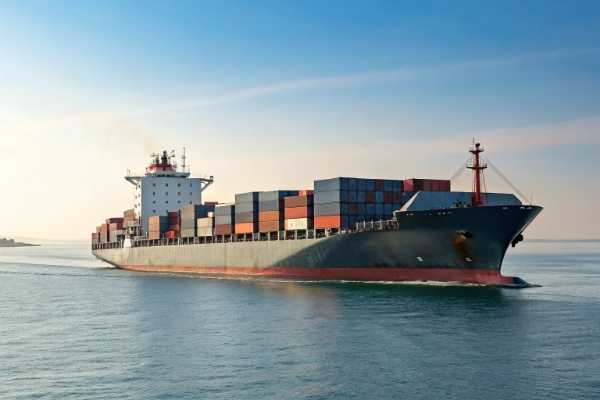
Sea freight is an essential part of global trade. Many businesses rely on it to transport goods from China. However, navigating the details can be complex. In this complete guide, I will break down the key aspects of sea freight from China.
Sea freight is the most cost-effective option for large or heavy shipments from China, especially when compared to air freight.1
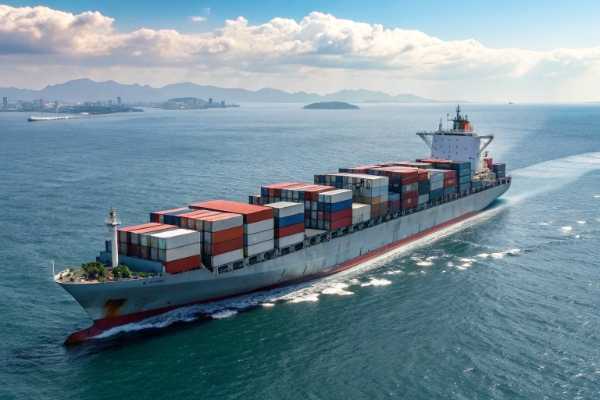
Understanding sea freight can help you make informed decisions. It is crucial to know what it is and why it is the preferred shipping method for many.
What Is Sea Freight from China?
Sea freight refers to the transportation of goods by ships across oceans and seas. It is a method used for large shipments and bulk goods. When I first started in the shipping industry, I was amazed at how much cargo moves by sea. Ships can carry thousands of tons of goods2, making it the most efficient way to transport large volumes.
Sea freight is the backbone of international trade3, especially for businesses importing goods from China.
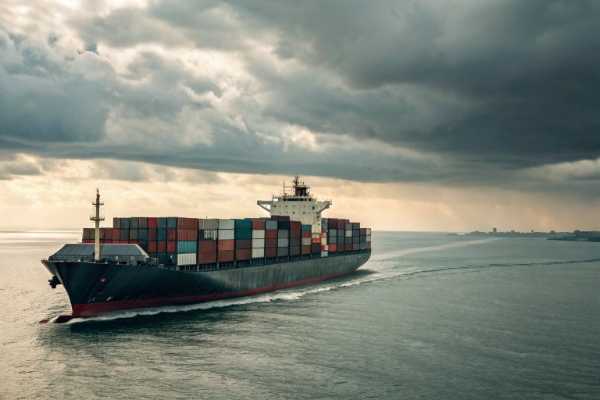
I’ve seen many companies underestimate the importance of sea freight. However, it’s crucial for businesses that deal with large shipments.
Why Is Sea Freight the Most Popular Shipping Method from China?
There are several reasons why sea freight is popular. First, it is cost-effective. For large and heavy shipments, sea freight often costs significantly less than air freight. I remember helping a client save thousands when they switched to sea freight for their bulk orders.
Another reason is capacity. Ships can carry a lot more cargo than planes.4 This makes them ideal for businesses that need to ship large volumes.
Overall, sea freight is the go-to choice for most companies looking to import goods from China.
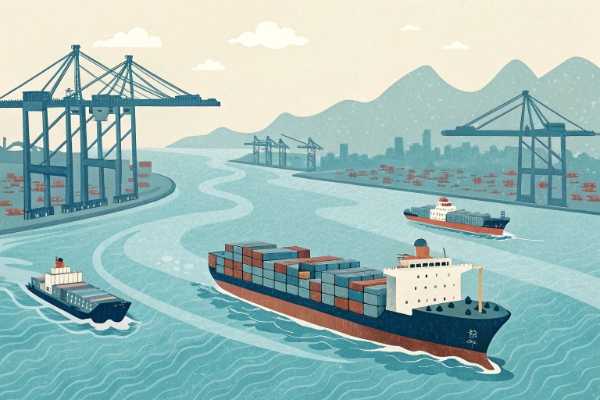
Cost savings and capacity are crucial factors for businesses. Let's look at the different types of sea freight services available.
What Are the Different Types of Sea Freight Services?
There are mainly two types of sea freight services: Full Container Load (FCL) and Less than Container Load (LCL).
FCL is best when your cargo volume exceeds about 15 CBM.5 It allows you to use an entire container, which usually reduces costs per unit. I have seen customers benefit from this as they expand their operations.
On the other hand, LCL is suitable for smaller shipments. It allows multiple customers to share space in a shipping container. However, it can become less efficient as your volume approaches FCL break-even points.
Knowing these options can help you choose the best service for your needs.
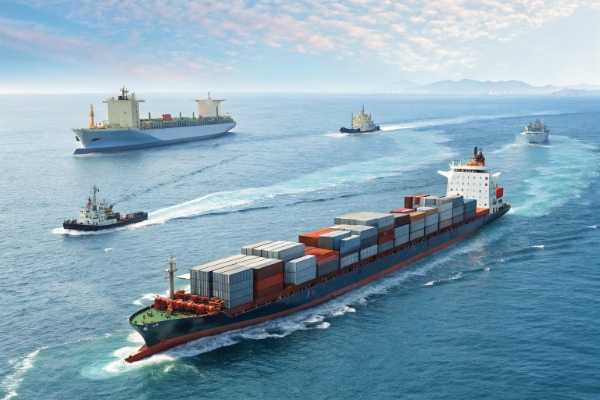
Understanding the types of sea freight services is essential. Now, let’s dive into how sea freight shipping works from China.
How Does Sea Freight Shipping Work from China?
Sea freight shipping from China involves several steps. It starts with choosing a reliable freight forwarder who can manage the logistics. They will assist in booking space on a vessel and handling necessary documentation.
Next, cargo needs to be packaged properly. I cannot stress enough how important export packaging is. Sea freight exposes cargo to long transit times and multiple handlings, which can lead to damage if not handled correctly.6
Once the cargo is ready, it is transported to the port. Shanghai, Ningbo-Zhoushan, Shenzhen, Qingdao, and Guangzhou are among the most important ports for sea freight in China.7 Then, the cargo is loaded onto the ship.
After the ship departs, tracking the shipment is essential. Shipping times can vary based on the destination.
Understanding how sea freight works can help you ensure a smooth shipping experience.
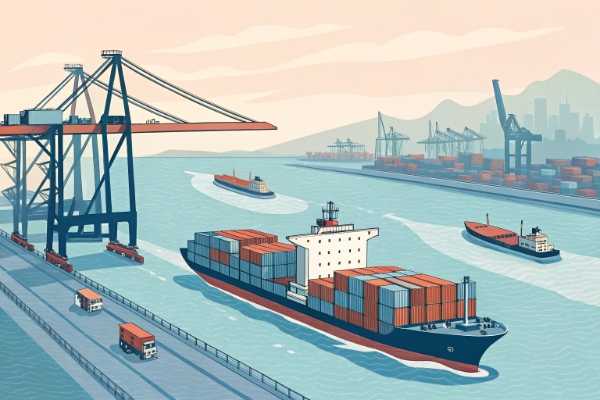
Knowing the intricacies of sea freight makes a significant difference. However, understanding costs is also crucial.
How Much Does Sea Freight Cost from China?
Sea freight costs depend on various factors, including cargo weight, shipping route, and type of service. For FCL, the costs are typically calculated based on container size. A 40-foot container usually costs less than double a 20-foot container. This can improve unit freight economics for larger shipments.
LCL costs are based on the volume of cargo. Ocean freight rates can be volatile, changing weekly based on capacity, fuel prices, and demand.8 I’ve seen quotes fluctuate significantly during peak seasons.
Being aware of these factors can help you budget your shipping costs effectively.
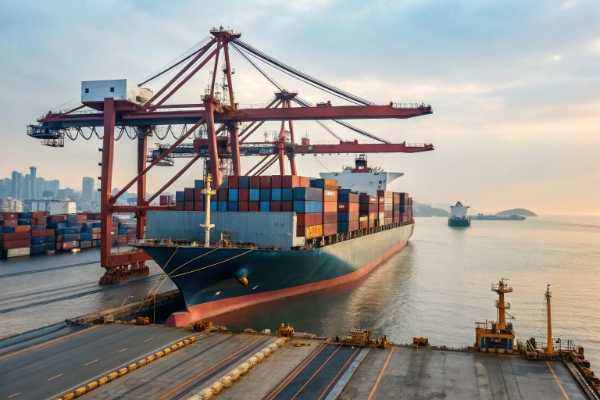
Understanding sea freight costs is vital for planning. Let's explore transit times next.
How Long Does Sea Freight Take from China?
Transit times vary based on the destination. Generally, shipments to the U.S. West Coast take less time than those to the East Coast.9 I remember a time when a client was shocked by the difference in shipping time and costs. Planning ahead is key.
It is essential to factor in potential delays caused by port congestion or customs clearance. Shipment planning should start well in advance.
Knowing estimated transit times helps streamline your logistics.
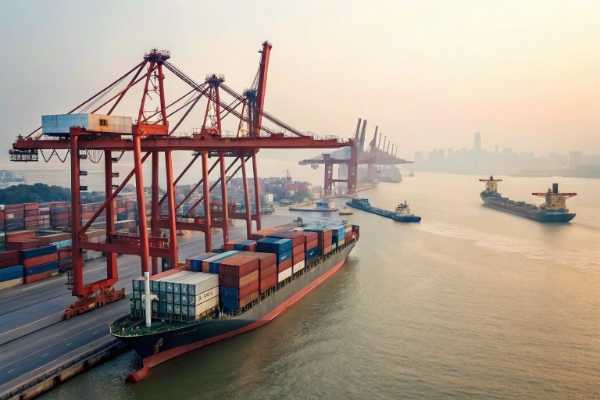
Estimating the time it will take for your shipment is critical. Now, let's discuss the necessary documents for sea freight.
What Documents Are Required for Sea Freight Shipments?
Several documents are necessary for sea freight shipments. The most important ones include the Bill of Lading, Commercial Invoice, and Packing List.
The Bill of Lading acts as a contract between the shipper and carrier. The Commercial Invoice details the transaction, while the Packing List provides information about the shipment's contents.
Ensure you have these documents in order before shipping. I have seen shipments delayed due to missing paperwork, which can be costly.
Proper documentation is vital for smooth customs clearance.
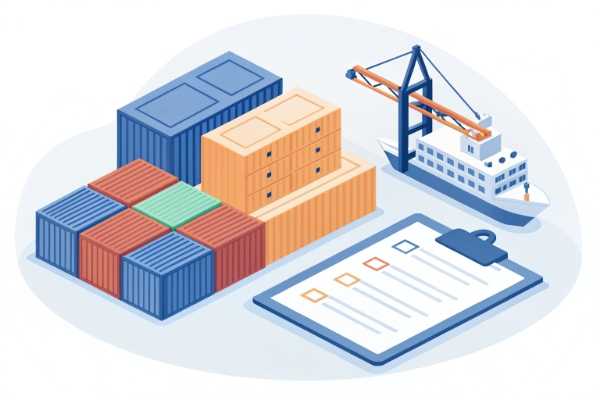
Understanding the paperwork involved helps prevent shipment delays. Now, let's look at the advantages and disadvantages of sea freight.
What Are the Advantages and Disadvantages of Sea Freight?
Sea freight has numerous advantages. It is cost-effective, especially for large shipments. It also has a lower carbon footprint compared to air freight.
However, there are disadvantages too. Transit times are longer, and there’s a risk of damage due to long exposure during transit. Additionally, ocean freight quotes often do not include destination charges like customs clearance or terminal fees.
Understanding both sides helps you make informed decisions.
Knowing the pros and cons can help you evaluate whether sea freight is right for your business. Finally, let's address how to choose the best sea freight service from China.
How Do You Choose the Best Sea Freight Service from China?
Choosing the right sea freight service is critical. Start by evaluating your shipping needs. Consider factors like cargo volume, destination, and budget.
Research different freight forwarders and their services. Look for one with a strong reputation and experience in sea freight. It is also essential to find a partner who communicates clearly and provides timely responses.
I always recommend asking for quotes and comparing them. Remember that the cheapest option may not always be the best in terms of service and reliability.
Selecting the right partner can significantly improve your shipping experience.
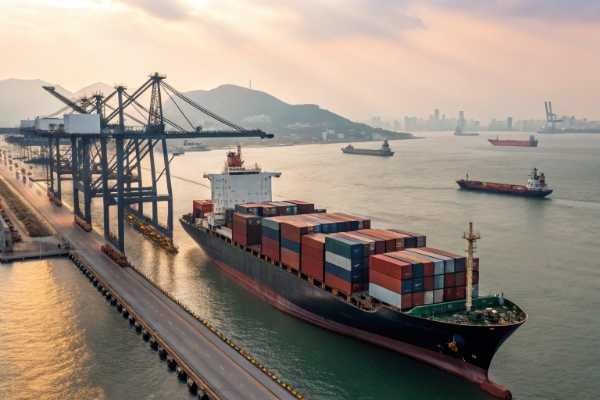
Choosing the best sea freight service can make your procurement process smoother.
Conclusion
In summary, understanding sea freight is essential for efficient shipping from China. From types of services to costs and documentation, this guide covers all you need to know.
"Air Freight: A Market Study with Implications for Landlocked ...", https://www.worldbank.org/en/topic/transport/publication/air-freight-study. International transport guidance and logistics studies generally find ocean shipping has lower unit costs than air transport for high-volume or heavy cargo, supporting the claim as a broad modal comparison rather than a guaranteed result for every route or season. Evidence role: general_support; source type: institution. Supports: Sea freight is generally more cost-effective than air freight for large or heavy shipments from China.. Scope note: Actual freight costs vary by route, season, fuel prices, cargo type, and surcharges. ↩
"Bulk carrier", https://en.wikipedia.org/wiki/Bulk_carrier. Technical descriptions of container ships and bulk carriers show that modern cargo vessels have capacities measured in thousands to hundreds of thousands of deadweight tons, supporting the claim that ships can carry thousands of tons of goods. Evidence role: definition; source type: encyclopedia. Supports: Ships can carry thousands of tons of goods.. Scope note: The exact carrying capacity depends on vessel type and size. ↩
"Maritime trade under pressure – growth set to stall in 2025", https://unctad.org/news/maritime-trade-under-pressure-growth-set-stall-2025. UNCTAD reports that maritime transport carries more than 80% of world merchandise trade by volume, supporting the characterization of sea freight as central to international trade. Evidence role: statistic; source type: institution. Supports: Sea freight is the backbone of international trade.. ↩
"Container ship - Wikipedia", https://en.wikipedia.org/wiki/Container_ship. Comparative transport data show that ocean vessels have far greater cargo capacity than aircraft, supporting the article’s capacity-based rationale for using sea freight for large-volume shipments. Evidence role: general_support; source type: education. Supports: Ships can carry much more cargo than planes.. Scope note: This supports capacity differences, not total delivery speed or service reliability. ↩
"FCL vs LCL Shipping: Which is Right For You?", https://dclcorp.com/blog/shipping/fcl-vs-lcl/. Freight-consolidation guidance commonly notes that LCL becomes less economical as shipments approach a substantial share of a container, providing contextual support for a roughly 15 CBM FCL decision threshold. Evidence role: general_support; source type: other. Supports: FCL is often preferable when cargo volume exceeds about 15 CBM.. Scope note: The 15 CBM threshold is a rule of thumb and varies with rates, origin, destination, cargo density, and local charges. ↩
"Load Securement and Packaging Methods to Reduce Risk ...", https://repository.rit.edu/cgi/viewcontent.cgi?article=1008&context=japr. Transport packaging standards and logistics risk guidance identify handling, stacking, moisture, and long transit exposure as sources of cargo damage in maritime shipments, supporting the need for suitable export packaging. Evidence role: mechanism; source type: institution. Supports: Sea freight cargo can be damaged during long transit and multiple handling events if packaging is inadequate.. Scope note: The source would support general risk mechanisms, not the probability of damage for a specific shipment. ↩
"List of busiest container ports", https://en.wikipedia.org/wiki/List_of_busiest_container_ports. Port throughput rankings from maritime authorities or industry statistical bodies list Shanghai, Ningbo-Zhoushan, Shenzhen, Qingdao, and Guangzhou among China’s highest-volume container ports, supporting their identification as major sea-freight ports. Evidence role: statistic; source type: institution. Supports: Shanghai, Ningbo-Zhoushan, Shenzhen, Qingdao, and Guangzhou are among the most important sea-freight ports in China.. Scope note: Importance is inferred from throughput rankings; other criteria, such as specialization or regional role, may rank ports differently. ↩
"Identifying the significant drivers of containerized freight rates", https://pmc.ncbi.nlm.nih.gov/articles/PMC13099089/. Research on container shipping markets links freight-rate volatility to vessel capacity, fuel costs, and demand conditions, supporting the article’s explanation of changing ocean freight rates. Evidence role: mechanism; source type: paper. Supports: Ocean freight rates can be volatile because they respond to capacity, fuel prices, and demand.. Scope note: The source would explain market drivers generally and may not document weekly changes for every China export route. ↩
"Transit Times from Shanghai and North American Routing ...", https://porteconomicsmanagement.org/pemp/contents/part12/port-of-savannah-logistics-cluster/transit-times-shanghai-north-american-routing-options/. Transit-time comparisons for China–United States ocean routes generally show shorter sailing times to West Coast ports than to East Coast ports, supporting the directional claim because East Coast services require longer routes or canal transit. Evidence role: general_support; source type: institution. Supports: Sea shipments from China to the U.S. West Coast generally take less time than shipments to the U.S. East Coast.. Scope note: Actual transit times vary by port pair, service string, transshipment, carrier schedule, and congestion. ↩