
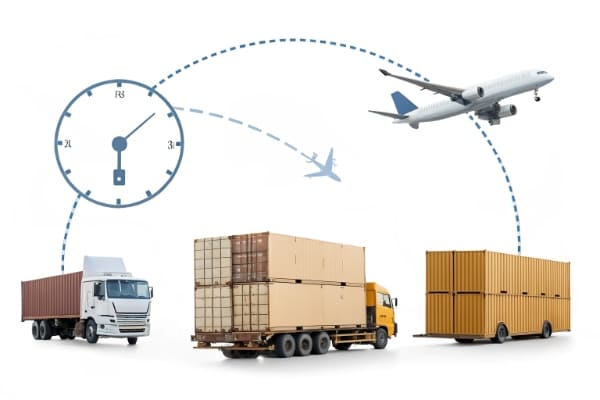
Shipping goods internationally can seem complex, but careful planning can help avoid issues. If you're looking to ship goods from China to Australia in 2026, here's what you need to know.
To ship goods from China to Australia in 2026, you need proper documentation, knowledge of import taxes, compliance with restrictions, and selecting the right shipping method1 for your business.
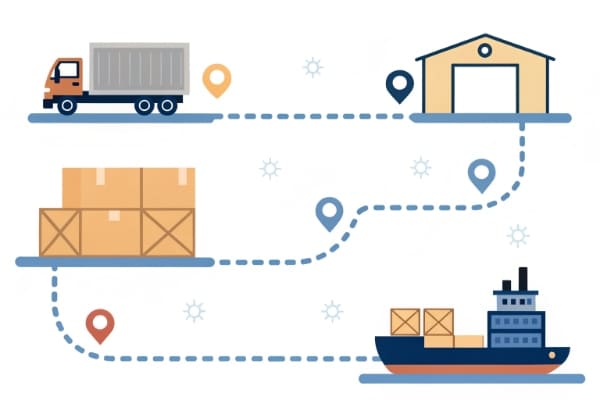
International shipping comes with risks, but each step can be streamlined. I'll explain the process in detail to help you ship efficiently and without problems.
What Documents Are Required to Ship from China to Australia?
Shipping goods requires a lot of paperwork. Missing documents can cause delays. Getting them right is essential.
The key documents for shipping from China to Australia include a commercial invoice, packing list, bill of lading, certificate of origin, and customs declaration forms2.

You’ll need the commercial invoice for customs clearance. The bill of lading acts as proof of shipment3. Ensure all details match across the documents to avoid discrepancies.
How Much Import Tax and GST Will You Pay in Australia?
Taxes are unavoidable when importing goods, and Australia has clear rules. Understanding the costs upfront helps manage budgets.
Goods imported into Australia are subject to a 5% import duty and 10% Goods and Services Tax (GST)4 applied to the value plus shipping costs and duty.
In 2026, the GST threshold may still apply to goods over AUD $1,0005. Calculate everything accurately to avoid surprises.
What Products Are Restricted or Prohibited in Australia?
Importing restricted items can lead to fines or confiscations. It's important to check ahead of time.
Restricted products include certain chemicals, plant material, animal products, weapons, and counterfeit items6. Prohibited goods include drugs and unsafe products.

Australia's strict biosecurity laws demand attention to restricted items. Always confirm regulations for your specific products.
How Do You Arrange Door-to-Door Shipping from China?
Door-to-door shipping simplifies the process but requires a reliable partner. It saves you time and effort.
To arrange door-to-door shipment, coordinate with a freight forwarder who can handle customs clearance, logistics, and delivery to the final destination.
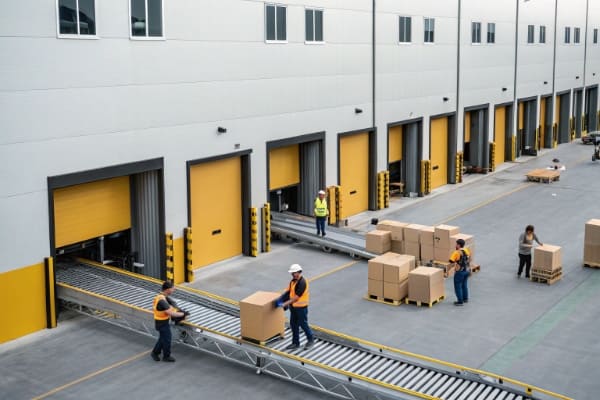
Choosing companies offering DDP (Delivered Duty Paid) services ensures smoother delivery and no additional fees upon arrival7.
What Is the Best Shipping Method for Small Orders?
Small orders require smart shipping to balance speed and cost. Air, sea, and courier options are available.
For small orders, express couriers like DHL or FedEx are often the fastest and easiest option. Sea freight may be cheaper but slower.
Air freight is ideal for medium-sized shipments. Compare prices and transit times to find the best fit.
How Can a Freight Forwarder Help You Save Money?
Handling logistics on your own can add extra costs. Freight forwarders simplify the process and reduce risks.
Freight forwarders negotiate better shipping rates, consolidate packages, and handle customs clearance to save time and money.

Working with experienced professionals minimizes errors and keeps your supply chain efficient.
Conclusion
Shipping goods from China to Australia in 2026 requires preparation, reliable partners, and compliance with regulations. By following these steps, you can ensure smooth and cost-effective international shipping.
"Prohibited goods - Australian Border Force", https://www.abf.gov.au/importing-exporting-and-manufacturing/prohibited-goods. Australian Border Force and Austrade guidance identify customs documentation, duties and GST, import controls, and transport arrangements as core compliance considerations for importing goods into Australia. Evidence role: general_support; source type: government. Supports: Shipping goods from China to Australia in 2026 requires proper documentation, knowledge of import taxes, compliance with restrictions, and selecting the right shipping method.. Scope note: This supports the article’s overview contextually; the exact requirements vary by commodity, value, origin, and transport mode. ↩
"Australia - Import Requirements and Documentation", https://www.trade.gov/country-commercial-guides/australia-import-requirements-and-documentation. Australian Border Force import guidance and customs broker education materials describe commercial invoices, packing information, transport documents, origin evidence, and import declarations as common records used for Australian import clearance. Evidence role: general_support; source type: government. Supports: The key documents for shipping from China to Australia include a commercial invoice, packing list, bill of lading, certificate of origin, and customs declaration forms.. Scope note: The source may not state that every listed document is required for every shipment; requirements depend on the goods, shipment value, trade agreement use, and mode of transport. ↩
"[PDF] Short Form Shipping Documents - DOCS@RWU", https://docs.rwu.edu/cgi/viewcontent.cgi?article=2614&context=law_ma_jmlc. Standard trade and shipping references define a bill of lading as a transport document that evidences receipt of goods by the carrier and the contract of carriage, and may also function as a document of title. Evidence role: definition; source type: encyclopedia. Supports: The bill of lading acts as proof of shipment.. Scope note: This is a general legal and commercial definition; the exact legal effect depends on the transport document type and governing law. ↩
"GST and other taxes when importing - Australian Border Force", https://www.abf.gov.au/importing-exporting-and-manufacturing/importing/cost-of-importing-goods/gst-and-other-taxes. Australian Border Force and Australian Taxation Office materials explain that GST on taxable importations is generally 10%, while customs duty rates are set by tariff classification and commonly include a 5% general rate for many goods. Evidence role: statistic; source type: government. Supports: Goods imported into Australia may be subject to import duty and 10% GST, with many goods attracting a 5% duty rate.. Scope note: The article’s wording is overbroad: not all imports attract a 5% duty, and concessions, free trade agreements, tariff classifications, and exemptions can change the payable amount. ↩
"Import declarations - Australian Border Force", https://www.abf.gov.au/imports/Pages/How-to-import/Import-declarations.aspx. Australian Border Force guidance explains that goods imported into Australia with a value above AUD 1,000 generally require an import declaration, while ATO guidance separately addresses GST treatment for low-value imported goods. Evidence role: statistic; source type: government. Supports: Australia uses an AUD 1,000 threshold in import procedures, especially for formal import declarations and border processing of higher-value goods.. Scope note: The AUD 1,000 threshold relates primarily to import declaration processing and border collection arrangements, not a simple exemption from GST for all goods below that value. ↩
"[PDF] Food and Agricultural Import Regulations and Standards Country ...", https://apps.fas.usda.gov/newgainapi/api/Report/DownloadReportByFileName?fileName=Food+and+Agricultural+Import+Regulations+and+Standards+Country+Report_Canberra_Australia_06-30-2020.pdf. Australian Border Force and Department of Agriculture, Fisheries and Forestry materials identify categories such as weapons, certain chemicals, intellectual-property-infringing goods, plant material, and animal products as goods that may be prohibited, restricted, or subject to biosecurity controls. Evidence role: general_support; source type: government. Supports: Restricted products for import into Australia include certain chemicals, plant material, animal products, weapons, and counterfeit items.. Scope note: The source supports the categories generally; admissibility depends on the specific product, permits, treatment requirements, and applicable legislation. ↩
"Know Your Incoterms - International Trade Administration", https://www.trade.gov/know-your-incoterms. The Incoterms definition of Delivered Duty Paid states that the seller bears responsibility for delivering the goods to the named destination and for import clearance and payment of duties and taxes, providing context for why DDP can reduce charges collected from the buyer at arrival. Evidence role: definition; source type: institution. Supports: DDP services place import clearance and duty or tax payment obligations on the seller, which can reduce fees charged to the buyer upon arrival.. Scope note: This defines the allocation of contractual responsibilities under DDP; it does not guarantee that operational delays, surcharges, or disputes will never occur. ↩