
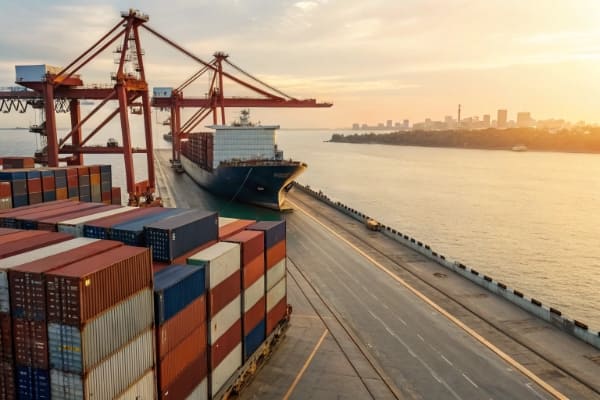
Shipping costs are a major concern for businesses trading internationally. In 2026, many factors have affected these costs, especially from China to Australia.
Shipping costs from China to Australia have changed significantly due to various influences. Understanding these factors will help you manage your shipping budget better.
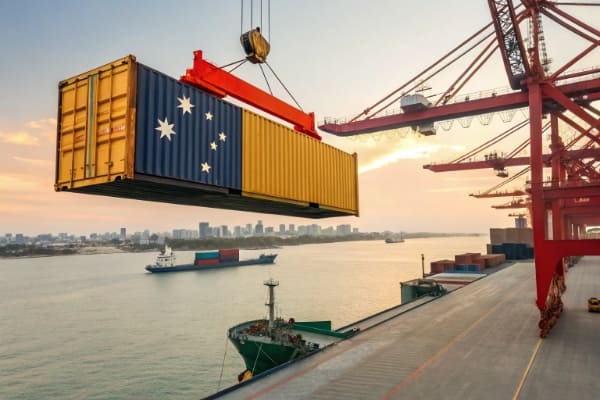
Shipping costs fluctuate based on many things. Fuel prices, trade tensions, and seasonal demands all play a role.1 In 2025, geopolitical tensions in key shipping areas caused fuel surcharges to rise2. This pushed shipping costs up by 10-25% in 20263. Also, the increase in online shopping during holidays and peak seasons led to higher demand for shipping services. Businesses that plan for these changes can save money.
Why Has Shipping Cost Changed in 2025?
The changes in shipping costs are mainly due to global events and market demands. Increased fuel prices have added to costs. Changes in trade policies and tariffs also contribute to this shift.
The shipping industry is affected by many factors, including fuel prices, trade tensions, and demand fluctuations, making costs unpredictable.
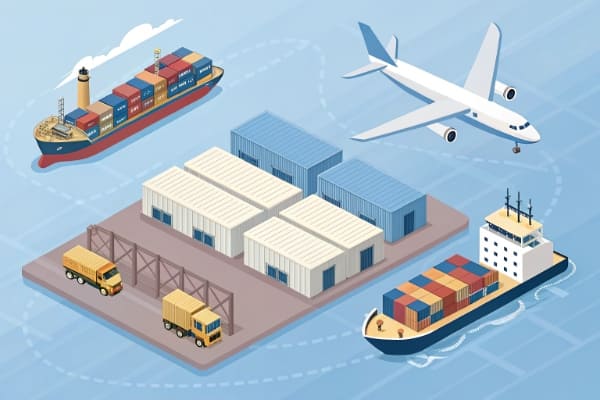
In 2025, geopolitical tensions in regions like the South China Sea and the Suez Canal heightened. This created uncertainty, leading to higher fuel costs. Consequently, shipping prices surged. Additionally, the rise in e-commerce worldwide led to increased shipping needs, especially around major holidays4. These factors combined made shipping from China to Australia more expensive than before.
What Is the Cost of Air Freight from China to Australia?
Air freight is faster but comes at a higher price.5 In 2026, standard air freight rates from China to Australia hover around 1.80 USD per kilogram6.
Air freight offers speed but at a cost. In 2026, expect to pay around 1.80 USD per kilogram for air shipments from China to Australia.
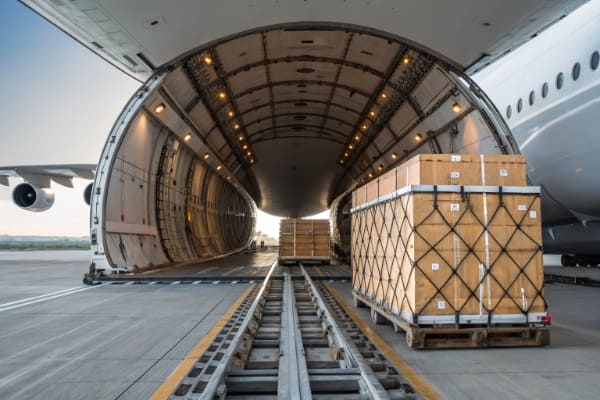
For businesses needing urgent deliveries, air freight is often the best choice. However, it is essential to consider the costs. While it guarantees faster delivery, the pricing reflects that urgency. For smaller shipments, air freight may appear convenient but can become costly over time.
What Is the Cost of Sea Freight from China to Australia?
Sea freight remains a cost-effective option, especially for larger shipments. A 20-foot full-container load (FCL) from China to Australia costs between 900 and 1,100 USD in early to mid-2026.7
Sea freight is generally cheaper than air freight. In 2026, a 20-foot container from China to Australia costs about 900-1,100 USD.
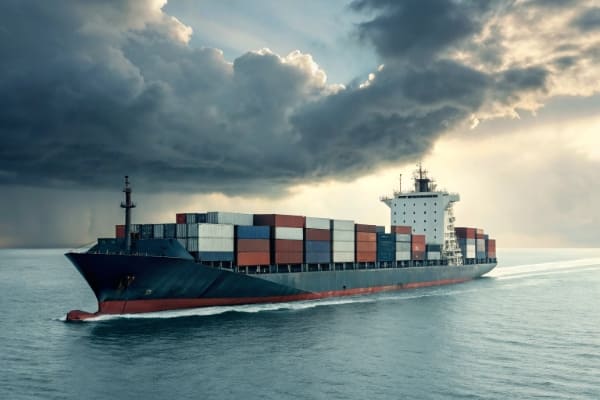
For larger volumes over 500 kg, sea freight is the most economical choice.8 A 40-foot container ranges from 1,755 to 2,145 USD.9 These prices indicate a positive trend compared to earlier in 2026. LCL (Less than Container Load) rates are stable at around 5 USD per cubic meter. This approach allows businesses to ship smaller quantities economically, ensuring cost efficiency.
Which Shipping Method Is Most Cost-Effective?
When considering all options, sea freight stands out as the most cost-effective method for larger volumes.
For shipments over 500 kg, sea freight is the most cost-effective option, significantly cheaper than air freight.
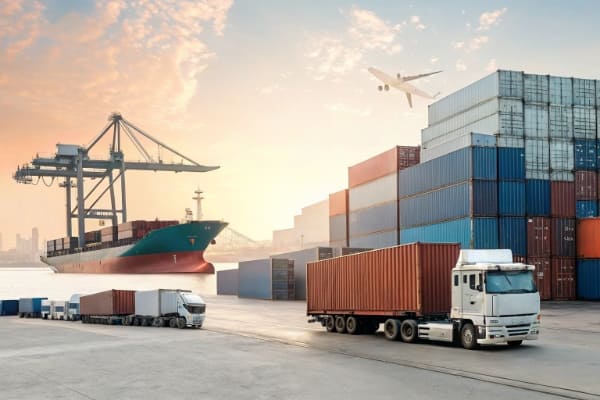
Air freight is faster but more expensive. For smaller parcels, e-commerce express services can elevate per-kilogram shipping costs. Therefore, sea freight is the preferred option for larger shipments. Businesses should weigh their needs against costs to choose the right method.
What Extra Charges Should You Expect?
Shipping costs can include unforeseen charges that can add up quickly.
Be aware of extra charges like fuel surcharges, customs fees, and handling costs that can increase your shipping bill.
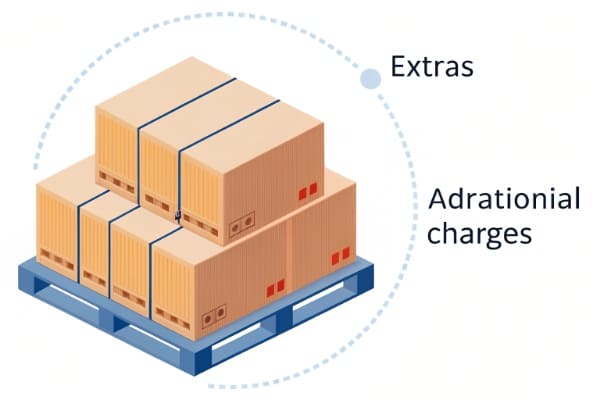
For instance, using door-to-door services can raise costs by 15-30%. This service offers convenience but doesn't come cheap. Understanding incoterms is also critical. Choosing the right terms can help avoid unexpected expenses. Charges can vary based on the shipping method and the delivery speed.
How to Reduce Shipping Costs from China?
There are several strategies to lower shipping expenses from China to Australia.
To reduce costs, consider consolidating shipments, choosing the right incoterm, and leveraging LCL or FCL shipping.
Consolidating smaller shipments can lead to a cost reduction of 20-40% compared to express bookings.10 Regular LCL or FCL cycles give better pricing than ad-hoc shipments. Planning ahead and understanding your needs can make a significant difference in your shipping budget.
Conclusion
Shipping costs from China to Australia in 2026 vary significantly based on the method and many external factors.
"The Commodity Markets Outlook in eight charts - World Bank Blogs", https://blogs.worldbank.org/en/developmenttalk/the-commodity-markets-outlook-in-eight-charts3. A transport economics or international shipping source should document that bunker fuel prices, trade-policy uncertainty, and demand seasonality are recognized determinants of freight rates; this supports the causal framing rather than the magnitude of any 2026 Australia-bound rate change. Evidence role: mechanism; source type: paper. Supports: Shipping costs fluctuate based on fuel prices, trade tensions, and seasonal demand.. Scope note: Contextual support only; it would not verify the article’s later route-specific prices unless the source covers China–Australia freight data. ↩
"[PDF] The impact of container shipping costs on import and consumer prices", https://www.oecd.org/content/dam/oecd/en/publications/reports/2025/08/the-impact-of-container-shipping-costs-on-import-and-consumer-prices_dfc467b3/957f0c0c-en.pdf. A maritime-security or international trade source should show that disruptions or geopolitical risks on major routes can increase voyage costs through rerouting, insurance, fuel consumption, or surcharges; this supports the mechanism but not necessarily the exact 2025–2026 surcharge level on China–Australia shipments. Evidence role: mechanism; source type: institution. Supports: Geopolitical tensions in major shipping areas can lead to higher fuel surcharges.. Scope note: Contextual support only unless the source specifically reports fuel surcharges for China–Australia services in 2025–2026. ↩
"China-Australia rates rebound as carriers seek new increases", https://www.thedcn.com.au/news/china-australia-rates-rebound-as-carriers-seek-new-increases. A freight-rate index or market-monitoring source should provide route- or corridor-level evidence that China–Australia shipping costs rose by approximately 10–25% in 2026; without lane-specific data, the source would only support a general increase in freight costs. Evidence role: statistic; source type: other. Supports: Shipping costs from China to Australia increased by 10–25% in 2026.. Scope note: Requires a dated freight-rate dataset for 2026; global or regional averages may not directly prove China–Australia increases. ↩
"[PDF] Postal Trends and Transformation Impacts", https://www.upu.int/getmedia/485a89f6-a370-477b-86e5-3c1a71e32290/202604pOCPostalForumPresentations_EN.pdf. An international postal, logistics, or retail-statistics source should show that e-commerce growth and holiday shopping periods increase parcel and freight demand; this supports the demand-side explanation but not the precise effect on China–Australia rates. Evidence role: general_support; source type: institution. Supports: Global e-commerce growth and holiday peaks increase shipping demand.. Scope note: Contextual support only unless the source isolates China-origin shipments to Australia during holiday peaks. ↩
"Air Freight vs Sea Freight: Cost, Shipping, Carbon Footprint & More", https://www.freightos.com/freight-resources/air-freight-vs-ocean-freight-making-the-decision/. A logistics or transport-mode comparison source should explain that air freight generally offers shorter transit times than sea freight while charging higher unit costs; this supports the general trade-off, not any specific carrier quotation. Evidence role: expert_consensus; source type: education. Supports: Air freight is faster than sea freight but generally more expensive.. Scope note: General support; exceptions can occur for urgent small parcels, special contracts, or unusual sea-freight market conditions. ↩
"Shipping from China to Australia [Updated May 2026 ] | Freightos", https://www.freightos.com/shipping-routes/shipping-from-china-to-australia/. A dated air-cargo rate source should report average or benchmark China–Australia air freight prices near USD 1.80 per kilogram in 2026; the citation would substantiate the quoted benchmark but may vary by airport pair, chargeable weight, service level, and fuel surcharge treatment. Evidence role: statistic; source type: other. Supports: In 2026, standard air freight rates from China to Australia are about USD 1.80 per kilogram.. Scope note: Air freight rates are volatile and lane-specific, so a single source may not represent all origins, destinations, or shipment sizes. ↩
"Shipping from China to Australia [Updated May 2026 ] | Freightos", https://www.freightos.com/shipping-routes/shipping-from-china-to-australia/. A container freight-rate index or market report should document quoted or benchmark 20-foot FCL rates from Chinese ports to Australian ports in early to mid-2026 within the USD 900–1,100 range; support is limited if the source reports only 40-foot-equivalent units or a different port pair. Evidence role: statistic; source type: other. Supports: A 20-foot FCL shipment from China to Australia cost about USD 900–1,100 in early to mid-2026.. Scope note: Container prices vary by origin port, destination port, contract type, season, and surcharges; a benchmark may not reflect every shipper’s invoice. ↩
"Air Freight vs Sea Freight: Cost, Shipping, Carbon Footprint & More", https://www.freightos.com/freight-resources/air-freight-vs-ocean-freight-making-the-decision/. A logistics-cost comparison source should show that sea freight usually has lower unit costs than air freight for heavier or higher-volume shipments; the 500 kg threshold should be treated as a rule of thumb unless the source directly models that break-even point. Evidence role: general_support; source type: education. Supports: Sea freight is generally the most economical option for shipments over 500 kg.. Scope note: The exact cost crossover depends on shipment density, urgency, port charges, minimum fees, and inland transport costs. ↩
"Shipping from China to Australia [Updated May 2026 ] | Freightos", https://www.freightos.com/shipping-routes/shipping-from-china-to-australia/. A dated ocean freight-rate source should report China–Australia 40-foot container rates in the USD 1,755–2,145 range; the citation would support this price band only for the covered ports, dates, and included surcharges. Evidence role: statistic; source type: other. Supports: A 40-foot container from China to Australia costs about USD 1,755–2,145.. Scope note: Rates may differ materially by carrier, port pair, equipment availability, contract versus spot booking, and whether destination charges are included. ↩
"[PDF] Cargo Consolidation, Routing, and Location Optimization to Reduce ...", https://rosap.ntl.bts.gov/view/dot/76421/dot_76421_DS1.pdf. A logistics-cost study or freight-forwarding market analysis should quantify whether consolidating small shipments can reduce costs relative to express services by roughly 20–40%; if the source discusses consolidation benefits without this range, it supports only the direction of the effect. Evidence role: statistic; source type: paper. Supports: Consolidating smaller shipments can reduce costs by 20–40% compared with express bookings.. Scope note: Savings depend on shipment frequency, parcel size, consolidation location, service level, and customs-handling costs. ↩