
When it comes to shipping, the choice between air freight and sea freight can be critical. Knowing when to choose one over the other can save you time and money.
Air freight is often the better choice when there are tight deadlines or urgent needs for specific products.1
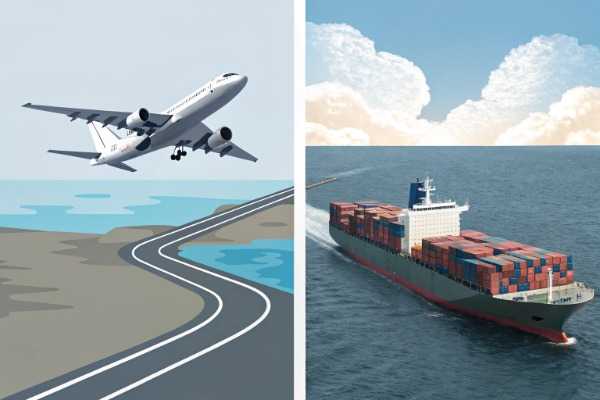
Air freight offers a quick solution for urgent shipping needs. However, it is essential to analyze the specifics of your products, costs, and delivery schedules before deciding.
What Are the Main Differences Between Air Freight and Sea Freight?
Air freight and sea freight operate differently. Air freight is generally faster but more expensive, while sea freight is slower but cheaper.2 This difference can significantly impact your decision-making process.
Air freight is ideal for shipments that require speed, while sea freight suits those with more flexible timelines.
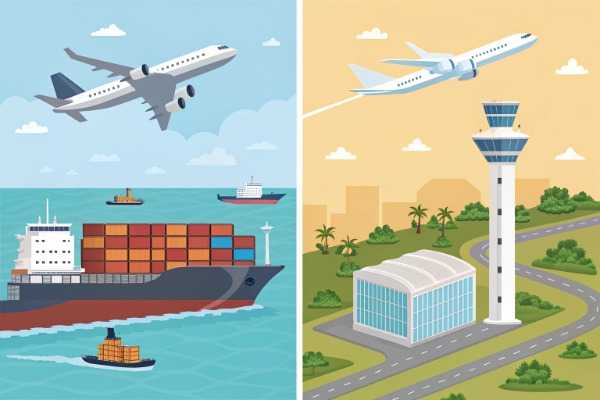
Air freight typically involves smaller shipments.3 It can accommodate urgent deliveries and products that need specific handling. On the other hand, sea freight allows larger volumes at a lower cost4, making it suitable for bulky goods.
Diving deeper, the critical aspects to consider are transit time, shipping costs, and the overall urgency of your shipments.
When Is Air Freight Better Than Sea Freight?
Air freight shines in various scenarios. If your delivery deadlines cannot accommodate ocean transit times, air freight is the way to go.
This option is perfect for perishable items or products with a short shelf life.5

For example, I once had a client in the food industry who needed a last-minute delivery of ingredients for a major event. Air freight allowed us to get those items there on time, ensuring everything went smoothly.
Additionally, air freight is suitable for high-value goods6. The margins on these products often make the higher transport costs worthwhile.
When Is Sea Freight a Better Option Than Air Freight?
Sea freight has its advantages too. It is generally more cost-effective for larger shipments.7
Sea freight is the best option when you can afford longer transit times and have larger volumes to ship.
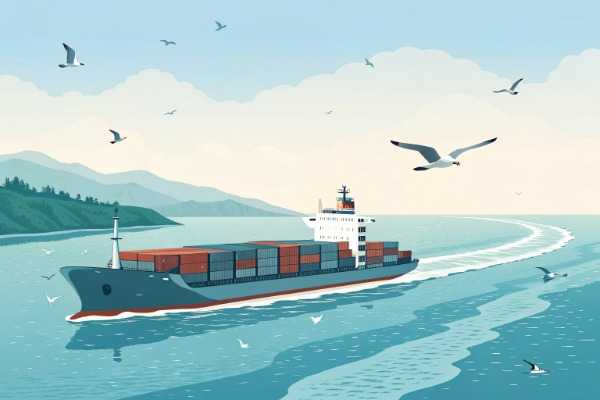
For instance, if you are shipping furniture or machinery, the cost savings with sea freight can be substantial. The trade-off is the time it takes for the shipment to arrive.
Sometimes, a combined approach works best. You can split your shipment, sending urgent items by air and the rest by sea8. This strategy can make sense financially while still meeting your deadlines.
Which Types of Products Are Suitable for Air Freight?
Air freight is a great option for specific products.
Consider items that require fast delivery, such as electronics, fashion items, or health products9.
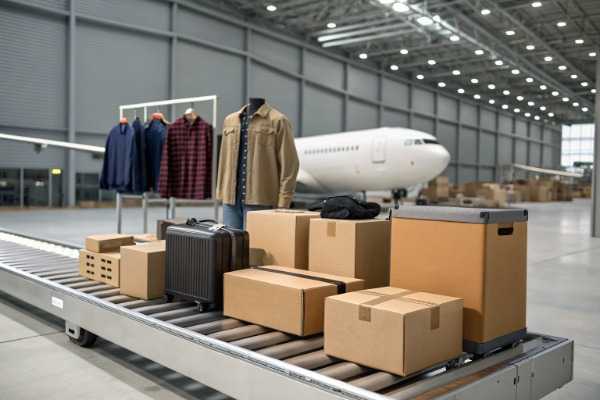
I often recommend air freight for products that are temperature-sensitive. For example, a client once shipped medical supplies that required strict temperature controls10. Air freight ensured those items arrived safely and on time.
It’s also wise to choose air freight for cargo needing extra security. High-value goods or products at risk of damage during transport are better suited for air transport.
How Do Cost, Speed, and Cargo Value Affect Your Shipping Decision?
The trade-offs among cost, speed, and cargo value are crucial in the decision-making process.
Understanding these factors can help you choose between air and sea freight.
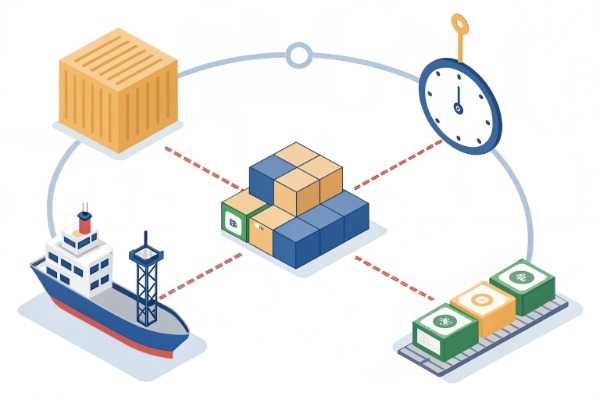
Air freight typically costs more. However, if the financial loss from a missed deadline exceeds the air-freight premium, it is worth it. I have seen companies avoid significant losses by opting for air freight in critical situations.
Conversely, if your cargo holds less value and is not time-sensitive, sea freight can be a more economical choice.
How Do Urgent Shipments Benefit from Air Freight?
The speed of air freight is its biggest advantage for urgent shipments.
When you need to replenish stock quickly or avoid running out of inventory, air freight is ideal.11
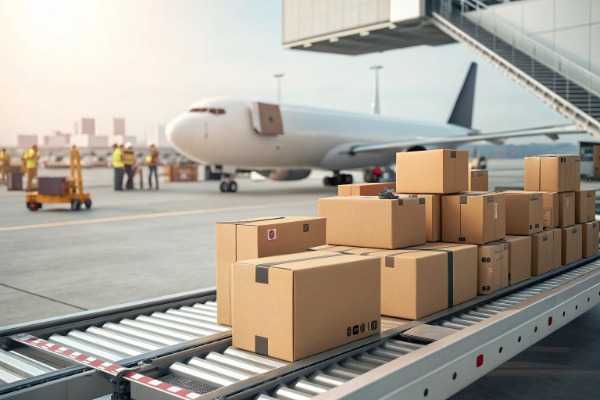
For example, I worked with a retailer launching a new product line. We opted for air freight to ensure that stock arrived on time for their launch date. The quick turnaround was vital for their marketing plan.
This approach is also beneficial for production lines. When equipment or parts are delayed, air freight can quickly get what is needed to keep operations running smoothly.
Can Small Shipments Be More Cost-Effective by Air Freight?
Air freight can be surprisingly cost-effective for smaller shipments.
Lightweight, compact items may actually become expensive if sent by sea due to volumetric charging.12
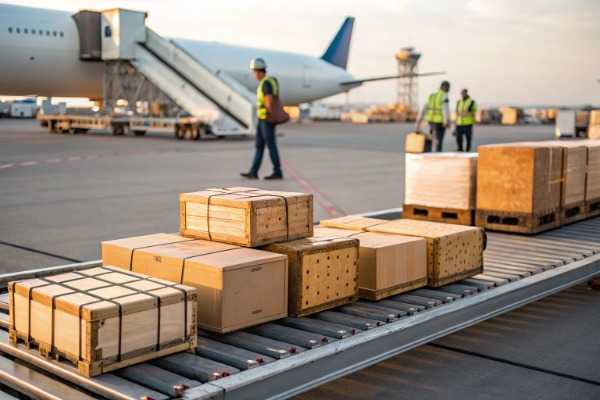
I've seen cases where sending small batches of promotional items by air was cheaper than waiting for a bulk shipment to arrive by sea. It’s essential to analyze your shipping needs carefully.
If your products are small and high-value, air freight may be the best route. You get the speed without compromising on quality or security.
How Do You Choose Between Air Freight and Sea Freight for Your Business?
Choosing between air freight and sea freight depends on multiple factors.
Evaluate your products, timeline, and budget to make an informed decision.
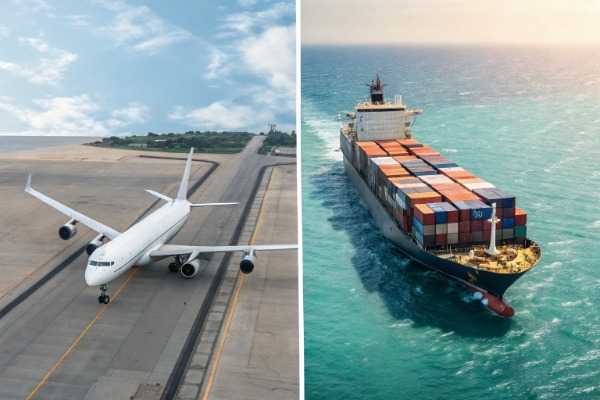
Consider your supply chain's urgency. If port congestion, vessel rollovers, or ocean-route disruptions threaten your schedule, air freight becomes a reliable contingency option.
Additionally, think about the nature of your products. If they require special handling or have a high risk of damage, air freight provides that peace of mind.
Conclusion
In the end, choosing air freight or sea freight depends on your unique situation. Analyze the urgency, product type, and cost to find the best shipping solution.
"Overview of California's Ports", https://www.trade.gov/sites/default/files/2023-09/9.%20RBrown%20verview%20of%20California%27s%20Port.pdf. A neutral logistics or transport source can document that air cargo is commonly selected for time-sensitive shipments because aircraft transit times are substantially shorter than ocean transport. Evidence role: general_support; source type: institution. Supports: Air freight is often the better choice for tight deadlines or urgent product needs.. Scope note: This supports the general decision logic but does not prove air freight is always preferable for every urgent shipment. ↩
"Shipping Options", https://www.trade.gov/shipping-options. A freight-transport reference can support the comparative baseline that air freight generally offers faster transit at higher cost, whereas maritime transport usually offers lower unit costs with longer transit times. Evidence role: expert_consensus; source type: institution. Supports: Air freight is generally faster and more expensive than sea freight, while sea freight is slower and cheaper.. Scope note: Actual costs and times vary by route, service level, fuel prices, and market conditions. ↩
"New Policy Approaches to International Air Transport", https://one.oecd.org/document/OCDE/GD(92)177/en/pdf. Air cargo industry data or educational logistics material can show that air freight is commonly used for smaller, higher-value, or time-sensitive consignments relative to ocean container shipping. Evidence role: general_support; source type: institution. Supports: Air freight typically involves smaller shipments.. Scope note: The statement is a general pattern; outsized and chartered air cargo can carry large shipments in specialized cases. ↩
"Fathoming Shipping Costs: An Exploration", https://documents1.worldbank.org/curated/en/099436104042241280/pdf/IDU0c20d2ae90046304ca009ab508217e50747bd.pdf. Maritime transport sources can support that container shipping and bulk ocean freight provide large carrying capacity and relatively low cost per unit over long distances. Evidence role: mechanism; source type: institution. Supports: Sea freight allows larger volumes to be shipped at lower cost.. Scope note: The support is strongest for consolidated, containerized, or bulk shipments and may not apply to very small consignments with minimum charges. ↩
"Perishable Cargo Handling & Transport", https://www.iata.org/en/programs/cargo/perishables/. Sources on air cargo and cold-chain logistics can support that perishable goods are frequently transported by air when shelf life and delivery speed are critical constraints. Evidence role: general_support; source type: institution. Supports: Air freight is suitable for perishable items or products with a short shelf life.. Scope note: The word “perfect” is stronger than the evidence can prove; suitability depends on temperature control, packaging, route reliability, and cost. ↩
"Logistics and Time as a Trade Barrier", https://www.oecd.org/content/dam/oecd/en/publications/reports/2006/05/logistics-and-time-as-a-trade-barrier_g17a17d5/664220308873.pdf. Air cargo references can support that high-value goods are a common air-freight category because faster transit may reduce inventory carrying time and exposure during transport. Evidence role: general_support; source type: institution. Supports: Air freight is suitable for high-value goods.. Scope note: This is contextual support; the economic advantage depends on the product margin, insurance, security needs, and route-specific rates. ↩
"Why ports matter for the global economy", https://blogs.worldbank.org/en/transport/why-ports-matter-global-economy. Maritime logistics sources can document that ocean freight often has lower unit costs for large-volume shipments because vessel capacity and containerization create economies of scale. Evidence role: mechanism; source type: education. Supports: Sea freight is generally more cost-effective for larger shipments.. Scope note: Cost-effectiveness can be reduced by port charges, inland drayage, storage, delays, or low shipment volume. ↩
"Modeling Multimodal Freight Transportation Network ...", https://www.intrans.iastate.edu/wp-content/uploads/2018/03/multimodal_freight_disruption_w_cvr.pdf. Supply-chain literature on multimodal or hybrid transport can support the practice of allocating urgent freight to faster modes while moving less time-sensitive volume by lower-cost modes. Evidence role: mechanism; source type: paper. Supports: A combined approach can split urgent goods by air and less urgent goods by sea.. Scope note: The evidence supports the logistics principle rather than this article’s specific financial outcome for any single shipment. ↩
"Moving Air Cargo Globally - Synthetic Drug Strategy", https://www.icao.int/sites/default/files/sp-files/Security/aircargo/Documents/ICAO_WCO_Moving_Air_Cargo_en.pdf. Air-cargo commodity summaries can support that electronics, fashion goods, pharmaceuticals, and health-related products are common air-freight categories because of value, time sensitivity, or handling requirements. Evidence role: general_support; source type: institution. Supports: Electronics, fashion items, and health products are examples of products suitable for air freight when fast delivery is required.. Scope note: This supports common usage patterns, not that every item in these categories should be shipped by air. ↩
"Unit 4 : Cold chain and logistics management", https://cdn.who.int/media/docs/default-source/searo/india/publications/immunization-handbook-107-198-part2.pdf. Cold-chain guidance for medical products can support that many medicines and medical supplies require controlled temperature conditions throughout transport to maintain quality and safety. Evidence role: definition; source type: government. Supports: Some medical supplies require strict temperature controls during transport.. Scope note: This supports the need for temperature control in medical logistics, not the anecdotal client shipment described in the article. ↩
"Stockout Response Optimization Engine: A Tool for Strategic ...", https://ctl.mit.edu/sites/default/files/documents/marintschscott_169964_5332937_capstone_scott_marintsch_sharada_maruti_prabhu_signed_and_unsigned_covers-2_0.pdf. Supply-chain research on expedited transportation can support that faster transport modes are used to reduce stockout risk or respond to urgent inventory replenishment needs. Evidence role: mechanism; source type: paper. Supports: Air freight can help replenish stock quickly and reduce the risk of running out of inventory.. Scope note: The source would support the inventory-risk mechanism, while the term “ideal” remains context-dependent because expedited freight costs may exceed stockout costs. ↩
"Argentina - Import Requirements and Documentation", https://www.trade.gov/country-commercial-guides/argentina-import-requirements-and-documentation. Freight-pricing references can support that carriers may charge by dimensional or volumetric weight, meaning low-density shipments can be priced according to space occupied rather than actual weight. Evidence role: mechanism; source type: institution. Supports: Volumetric charging can make some lightweight or compact shipments more expensive than expected.. Scope note: The principle applies across freight modes and contracts; it does not establish that sea freight is always more expensive for lightweight compact items. ↩