
Air freight offers a mix of benefits and challenges that can impact importers significantly. Understanding these can help in making informed shipping choices.
Air freight is the fastest shipping method available, reducing transit times from weeks to days.1 Most international shipments can be delivered within 24–72 hours.2
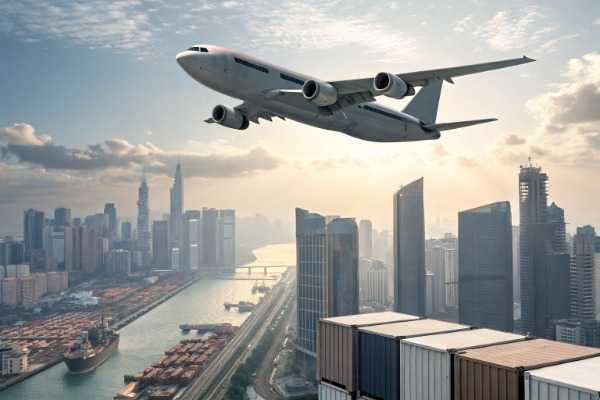
Air freight is a fantastic option for many importers, but it comes with its own set of challenges. Let’s explore the advantages, disadvantages, and everything in between.
What Are the Advantages of Air Freight for Importers?
Air freight is a powerful tool for importers looking for quick solutions. Why? Because it allows for rapid delivery, which means businesses can react faster to market demands3. With air freight, I can often have my products from China to the U.S. in just a few days. This speed is crucial when you’re dealing with time-sensitive items, like promotional products for an upcoming marketing campaign.
The main advantage of air freight is its incredible speed. It enables delivery in just a few days, which is a game-changer for businesses needing quick turnaround times.

Air freight also provides enhanced security.4 The strict regulations around air transport mean there’s a lower risk of damage or theft compared to other methods. This is especially important for high-value or fragile items. Importers like me can rest easy knowing that our goods are in a secure environment.
How Does Air Freight Provide Faster Delivery Than Other Shipping Methods?
Air freight significantly cuts down delivery times compared to sea and land transport. While ocean freight can take several weeks, air freight can deliver products in a matter of days. This is especially helpful for seasonal items or limited-time promotions.
Air freight provides faster delivery due to its direct routing and fewer handling processes5, making it an excellent choice for urgent shipments.
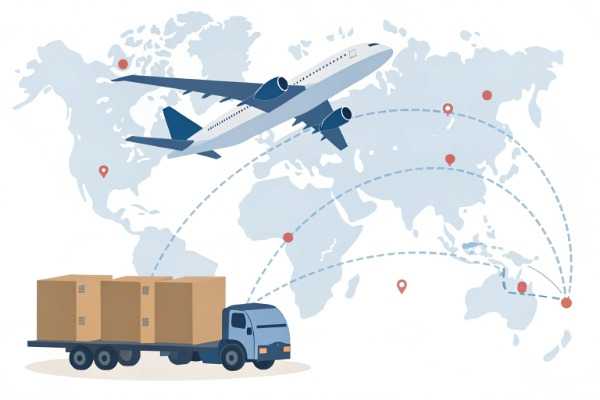
Airlines operate on strict schedules.6 This means I can plan and coordinate supply chain operations more efficiently. Real-time tracking also allows me to monitor my shipments7, providing peace of mind that is hard to achieve with slower shipping methods.
What Types of Businesses Benefit Most from Air Freight?
Not every business needs air freight, but certain sectors find it invaluable. E-commerce brands, for example, benefit greatly from the speed and reliability of air freight. With customers expecting fast delivery, using air freight can give them a competitive edge.
Businesses that require quick turnaround times, such as e-commerce platforms and companies with seasonal products, benefit most from air freight.8
Additionally, industries such as pharmaceuticals often require expedited shipping due to the perishable nature of their products9. This makes air freight a logical choice for them.
What Are the Disadvantages of Air Freight?
Despite its advantages, air freight also has some downsides. The most significant disadvantage is the cost. Air freight can be significantly more expensive than sea freight.10
The high cost of air freight can impact profit margins, especially for low-value items, making it less appealing for some businesses.
This cost can be a barrier for smaller businesses or startups looking to enter new markets. Additionally, air freight is not suitable for oversized or bulky items due to weight and size restrictions imposed by aircraft.
Why Is Air Freight More Expensive Than Sea Freight?
Air freight costs more than sea freight for several reasons. The primary factor is the speed of service. Faster delivery naturally comes with higher expenses.
Air freight is more expensive than sea freight because it prioritizes speed and efficiency, which requires more resources and infrastructure.
Airlines incur higher operational costs, and these are passed on to importers. For low-value goods, this cost can be prohibitive, making air freight less favorable.
How Do Weight and Volume Limitations Affect Air Freight?
Air freight has strict weight and volume limitations, which can affect what items are suitable for air transport. Heavier or bulkier items may not be viable for air freight due to aircraft capacity limits.
Weight and volume limitations mean that not all goods can be transported via air freight, which can limit shipping options for importers.
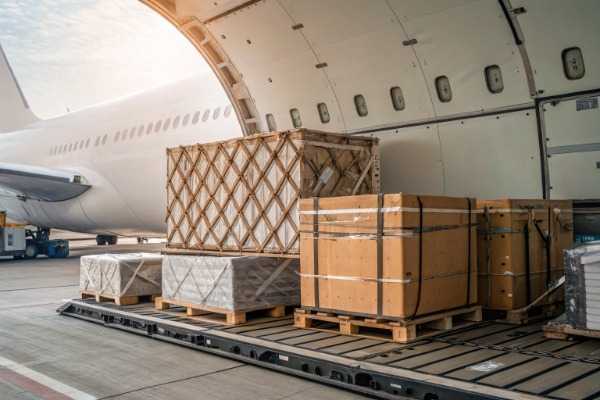
This can be a major drawback for businesses that deal in larger products or those that require significant packaging. Understanding these limitations helps in planning logistics effectively.
How Does Air Freight Compare with Sea Freight in Terms of Reliability?
When it comes to reliability, air freight generally outperforms sea freight. Airlines operate on fixed schedules, and delays are often less frequent compared to ocean shipping.
Air freight tends to be more reliable than sea freight, thanks to strict schedules and fewer disruptions, which leads to improved supply chain management.

However, air cargo operations can still face issues. Weather disruptions can lead to delays, impacting schedules unpredictably. Nevertheless, the overall reliability of air freight is hard to beat.
Is Air Freight Suitable for Small and High-Value Shipments?
Yes, air freight is very suitable for small and high-value shipments. The enhanced security and reduced handling risks make it ideal for transporting valuable goods.
Air freight is perfect for small, high-value shipments, providing superior security and reducing the risk of damage during transit.
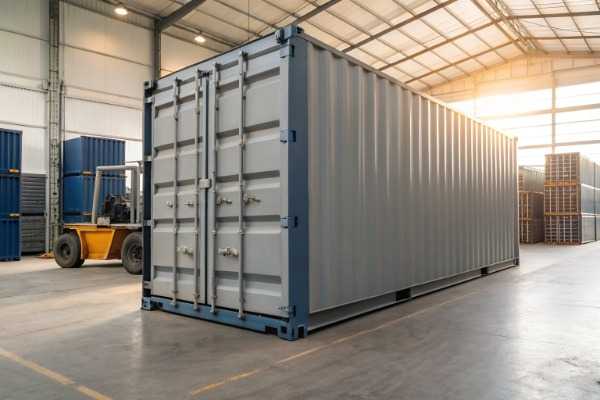
This makes it a popular choice among businesses dealing with electronics, jewelry, and other high-ticket items. The speed of delivery also ensures that these items reach customers quickly, improving satisfaction.
How Can Importers Decide If Air Freight Is the Right Choice?
Deciding whether to use air freight involves weighing the pros and cons. Consider the value of the goods being shipped, the required delivery speed, and the impact on profit margins.
Importers can decide if air freight is right by evaluating the value, urgency, and size of the shipment against their budget and needs.
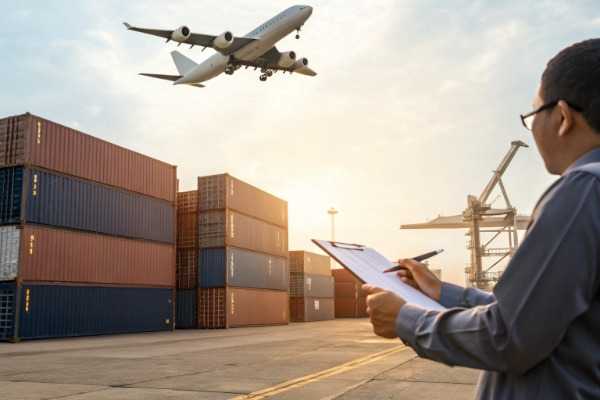
For time-sensitive, high-value products, air freight can be a smart investment. However, for larger, lower-cost items, sea freight may be a more economical solution.
Conclusion
Air freight provides speed and reliability for importers but comes with higher costs and limitations. Understanding these factors is key to making the right shipping choices.
"AirTransportAirCargoStudy.txt", https://thedocs.worldbank.org/en/doc/423181436899478710-0190022009/render/AirTransportAirCargoStudy.txt. A neutral logistics or transport reference comparing air, sea, and land freight modes can support that air freight is generally the fastest international freight option and that ocean freight commonly involves multi-week transit times. Evidence role: general_support; source type: institution. Supports: Air freight is the fastest shipping method available and can reduce international transit times from weeks to days.. Scope note: Transit times vary by route, customs clearance, airport capacity, and service level, so the source would support the general comparison rather than every shipment. ↩
"Air Transport Services", https://www.trade.gov/air-transport-services. An aviation logistics source describing typical express or priority air cargo transit windows can contextualize the 24–72 hour delivery estimate for many international air shipments. Evidence role: statistic; source type: institution. Supports: Most international air freight shipments can be delivered within 24–72 hours.. Scope note: The estimate is service- and lane-dependent and may exclude customs delays, remote destinations, consolidation, and non-express air cargo. ↩
"From supply chain to demand chain: the role of lead time reduction in ...", https://www.academia.edu/7233452/From_supply_chain_to_demand_chain_the_role_of_lead_time_reduction_in_improving_demand_chain_performance. Research on supply chain responsiveness can support the link between faster transportation lead times and a firm's ability to respond to demand changes. Evidence role: mechanism; source type: paper. Supports: Air freight can help businesses react faster to market demand by shortening supply chain lead times.. Scope note: Such evidence usually addresses supply chain responsiveness generally and may not isolate air freight as the sole cause of improved market response. ↩
"Air Cargo - The Phase Out of Account Consignors", https://www.icao.int/Security/aircargo/The-Phase-Out-of-Account-Consignors. A government or international aviation security source can document that air cargo is subject to regulated screening and security controls, supporting the statement that air freight operates within a heightened security framework. Evidence role: mechanism; source type: government. Supports: Air freight provides enhanced security because air cargo is subject to strict aviation security controls.. Scope note: Security regulation does not by itself prove that every air shipment has lower theft or damage risk than all sea or land shipments. ↩
"The Geography of Air Freight: Connections to U.S. ...", https://libres.uncg.edu/ir//listing.aspx?id=15002. A transport logistics reference explaining hub-and-spoke air networks, shorter line-haul times, and intermodal handling can support the mechanism by which air freight often reduces transit time. Evidence role: mechanism; source type: education. Supports: Air freight often provides faster delivery because line-haul movement is faster and may involve fewer or shorter intermediate handling steps than slower modes.. Scope note: Air cargo can still involve consolidation, transshipment, and ground handling, so the statement is most accurate as a general tendency rather than a universal rule. ↩
"Slot Administration | Federal Aviation ...", https://www.faa.gov/about/office_org/headquarters_offices/ato/service_units/systemops/perf_analysis/slot_administration. An aviation operations or airport scheduling source can support that commercial airlines operate according to published and coordinated schedules, which is relevant to predictable air cargo movement. Evidence role: mechanism; source type: institution. Supports: Airlines operate on strict schedules that can support more predictable cargo planning.. Scope note: Scheduled operations can be disrupted by weather, congestion, maintenance, and air traffic restrictions. ↩
"Air cargo tracking", https://touch.track-trace.com/aircargo. An international air cargo standards source describing electronic air waybills, cargo tracking messages, or shipment status events can support that air cargo systems enable shipment monitoring. Evidence role: mechanism; source type: institution. Supports: Real-time or near-real-time tracking can allow importers to monitor air freight shipments.. Scope note: Tracking visibility depends on carrier systems, forwarder integration, and whether status events are updated in real time. ↩
"Air Cargo Market Analysis - December 2025", https://www.iata.org/en/iata-repository/publications/economic-reports/air-cargo-market-analysis-december-2025/. A trade or logistics source on air cargo commodity use can support that air freight is commonly suited to time-sensitive goods and demand-responsive sectors such as e-commerce and seasonal retail. Evidence role: expert_consensus; source type: institution. Supports: Businesses with quick turnaround requirements, including e-commerce and seasonal product sellers, are among those that benefit from air freight.. Scope note: The source may identify typical use cases rather than prove that these businesses always benefit economically from air freight. ↩
"Evaluation of Cold Chain Management Performance for ... - PMC", https://pmc.ncbi.nlm.nih.gov/articles/PMC8455189/. A pharmaceutical logistics or public health source can support that many medicines, vaccines, and biologics are temperature-sensitive and require controlled, time-sensitive transport. Evidence role: expert_consensus; source type: institution. Supports: Pharmaceutical shipments often require expedited or temperature-controlled logistics because many products are perishable or temperature-sensitive.. Scope note: Not all pharmaceutical products are perishable or require expedited air transport; the claim applies mainly to temperature-sensitive and time-critical products. ↩
"Air Freight vs Sea Freight: Core Differences", https://globexship.com/resources/air-freight-vs-sea-freight-core-differences/. A transport economics or trade logistics source comparing freight rates by mode can support that air freight generally costs substantially more per unit weight than ocean freight. Evidence role: statistic; source type: research. Supports: Air freight is generally significantly more expensive than sea freight.. Scope note: Exact price differences depend on route, fuel costs, chargeable weight, season, and market capacity. ↩