
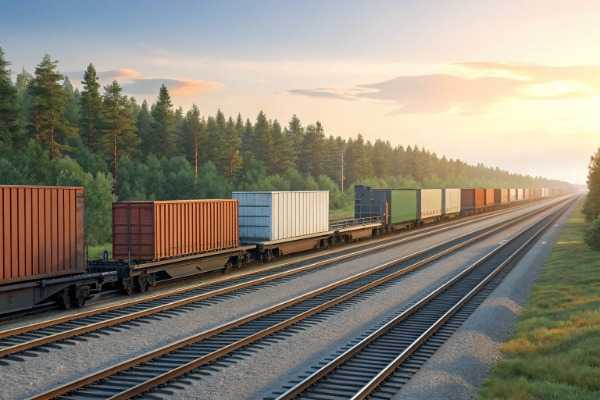
Rail freight from China to Europe has become a popular option for many businesses. But, what products are best suited for this mode of transport?
Rail freight is ideal for medium to high-value goods that can tolerate longer transit times than air freight. This includes machinery, consumer electronics, automotive parts, and more.
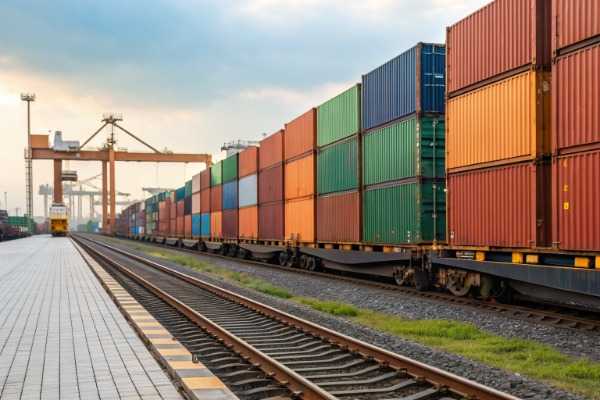
Rail freight is gaining traction due to its balance of cost and speed. It’s important for businesses to know what products can be transported effectively by this method. There are various factors that influence the choice of products for rail freight, including value, weight, and the nature of the goods. Let’s dive into the details.
What Types of Products Are Best Suited for Rail Freight from China?
Machinery and mechanical equipment are among the top candidates for rail freight from China to Europe. These items are often heavy and bulky, but they typically hold a high value. The ability to transport these products by rail reduces overall shipping costs while maintaining reasonable delivery times.
Rail is highly suitable for machinery, electrical products, automotive parts, and consumer electronics. Their relatively high value paired with manageable weight makes them ideal for this transport method.
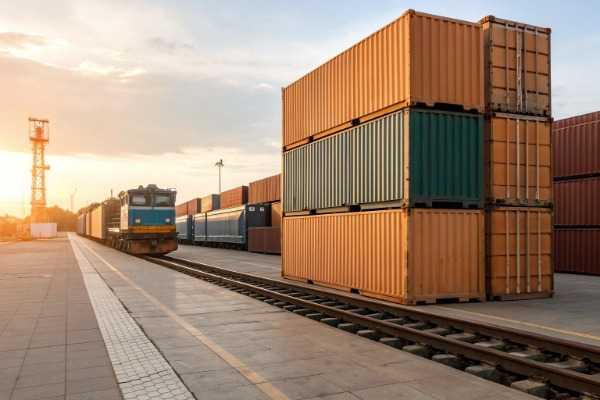
In addition, furniture, bedding, and home-improvement materials are also frequently transported by rail. These items, which can be bulky but maintain good value, benefit from the efficiency of rail shipping. Apparel and seasonal goods are sometimes shipped this way, especially when air freight is too costly and ocean transit is too slow.
Which Products Are Commonly Shipped from China to Europe by Rail?
The most common products shipped by rail from China to Europe include consumer electronics, machinery, and automotive components. Rail freight provides a reliable option for these goods, balancing cost and transit time effectively.
Common shipments include consumer electronics like computers and mobile devices, which are both valuable and relatively easy to handle in containers.
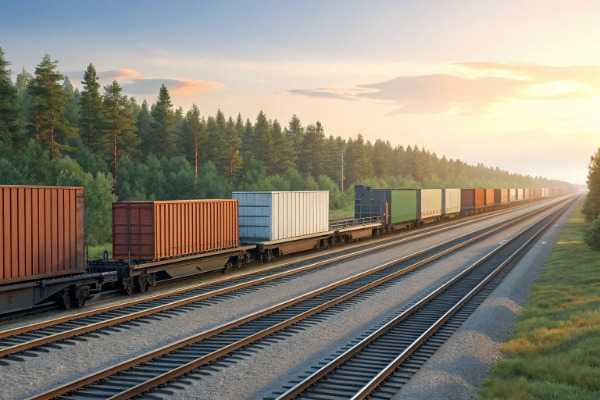
Automotive parts also fit well into rail logistics. When packed in standard containers or specialized loading systems, they travel safely and efficiently. The rail network has the capacity to accommodate numerous vehicles and components, making it a preferred choice for many automotive manufacturers.
Is Rail Freight Suitable for Heavy and High-Value Goods?
Yes, rail freight is indeed suitable for heavy and high-value goods. In fact, these types of products are some of the best candidates for rail transport. The logistics of rail freight allow for the effective management of heavy cargo, ensuring better safety and lower costs.
Heavy equipment and high-value machinery benefit greatly from the cost-effective nature of rail. They can be transported without the high expenses associated with air freight.
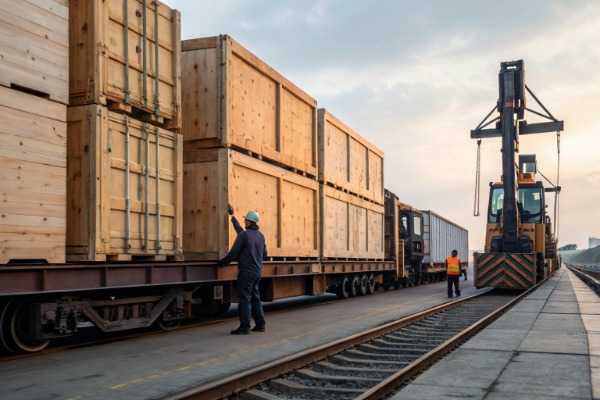
Using rail for heavy goods ensures that businesses can manage their shipping costs while still delivering products on time. This makes rail an attractive option for many companies looking to import high-value goods from China.
Can Fragile or Time-Sensitive Products Be Shipped by Rail?
Fragile or time-sensitive products can be shipped by rail, but caution is necessary. While rail freight is generally reliable, it does not match the speed of air freight. Therefore, companies need to assess the urgency of their shipments.
Fragile items can be shipped with proper packing and care, ensuring they arrive intact. However, time-sensitive goods may not be the best choice for rail unless there are dedicated routes with guaranteed transit times.
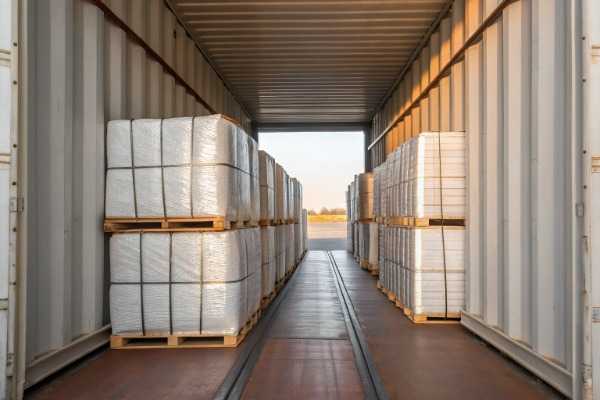
For businesses with fragile products, it’s crucial to work with experienced freight forwarders who understand how to pack and handle these items. This reduces the risk of damage during transit.
Can Dangerous Goods Be Transported by Rail from China?
Transporting dangerous goods by rail is possible but comes with strict regulations. Companies must ensure compliance with all transportation laws and standards to avoid fines or shipping delays.
Hazardous materials, including lithium batteries, may not be accepted unless the rail operator explicitly permits them.
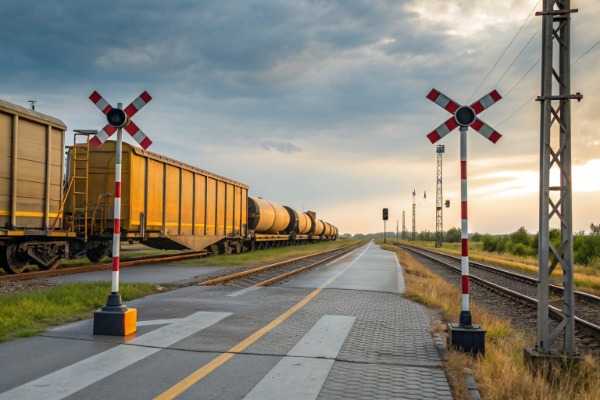
Before shipping dangerous goods, it's essential to consult with the rail operator. They can provide information on what can be transported and the necessary paperwork to avoid complications.
Is Rail Freight Suitable for E-Commerce and FBA Shipments?
Rail freight can be a good option for e-commerce and FBA shipments, especially for bulk orders. However, it may not be ideal for small parcels or urgent shipments.
For e-commerce businesses, rail freight offers a cost-effective solution, particularly for medium to high-value products that don't require immediate delivery.
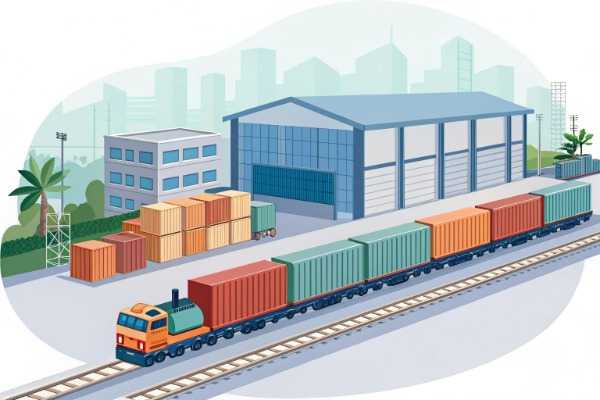
When considering rail for e-commerce, businesses should evaluate their shipment volumes and delivery timelines. Rail can be advantageous for planned inventory restocking and larger orders.
What Products Are Not Suitable for Rail Freight?
Not all products are suitable for rail freight. Items that require temperature-controlled transport are challenging unless specific cold-chain capabilities are available. Additionally, highly perishable goods may not survive the longer transit times.
Low-value, small-parcel shipments may also not benefit from rail transport. These orders are better suited for air freight or courier services.
Goods that are hazardous or require complex regulatory clearances should also be evaluated carefully. If the rail operator does not accept these products, shipping may not be possible.
How Do You Choose Rail Freight for Your Products?
Choosing rail freight for your products involves several considerations. First, assess the value and weight of your goods. Medium to high-value items with a reasonable weight-to-value ratio work best.
Next, consider the urgency of your shipments. If your products can tolerate longer transit times, rail freight might be the right choice.
Finally, consult with a reliable freight forwarder. Their expertise can help you navigate the complexities of rail shipping, ensuring your products are transported efficiently and safely.
Conclusion
Rail freight is a practical solution for various products, especially those with medium to high value. It’s essential to evaluate the type of goods and their shipping requirements to make the best choice.