The customs clearance process can be complex and confusing. But it’s essential for successful rail freight shipments between China and Europe. Let's break it down to make it simpler.
The customs clearance process for China-Europe rail freight involves several steps. These steps ensure that goods comply with regulations and can move smoothly through borders. Proper documentation and understanding of the process help avoid delays.
The customs clearance process is critical for any shipment. It involves preparing and submitting the required documents.1 This is to ensure that the goods meet all regulatory requirements. Delays in customs can lead to additional costs and missed deadlines.2 Therefore, understanding the process is necessary for anyone involved in international trade.
What Is the Customs Clearance Process for China-Europe Rail Freight?
The customs clearance process is a series of steps that freight must go through. It starts when the goods leave the factory in China.3 First, the exporter submits necessary documents to Chinese customs.4 Then, the goods are inspected.5 Once approved, they can board the train for Europe.
In Europe, a similar process occurs. Upon arrival, customs checks the paperwork and inspects the cargo.6 The goal is to ensure everything complies with local laws. If all is well, the goods can move to their final destination.
What Documents Are Required for China-Europe Railway Customs Clearance?
Several documents are crucial for customs clearance. These include the commercial invoice, packing list, and bill of lading.7 The commercial invoice details the transaction, listing items, their value, and the seller and buyer. The packing list provides information about how the goods are packed, including weight and dimensions.
Other vital documents include the Certificate of Origin and any export permits8. If applicable, safety data sheets for hazardous materials are also necessary9. All these documents must be accurate and complete to avoid customs delays.

How Does Export Customs Clearance Work in China?
Export customs clearance in China involves several steps. First, the exporter must submit the required documents to the customs authority. This includes providing information about the goods, their destination, and their value.
Once documents are submitted, customs officials review them. They might also inspect the goods to ensure everything matches the documentation. This verification process helps prevent smuggling and other illegal activities.10
If everything is in order, customs will issue an export declaration. This declaration allows the goods to leave China and board the train. Exporters must ensure compliance with all regulations to avoid issues.
How Does Customs Clearance Work at the Border?
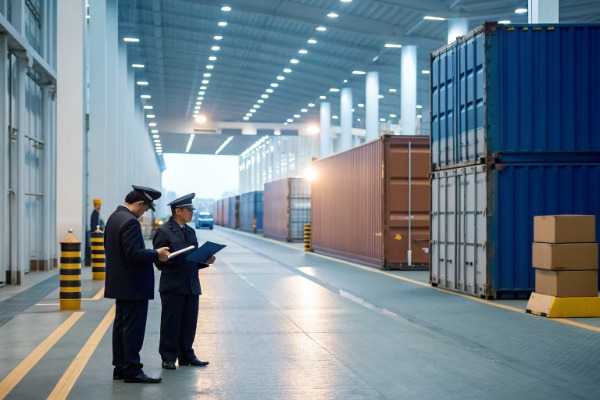
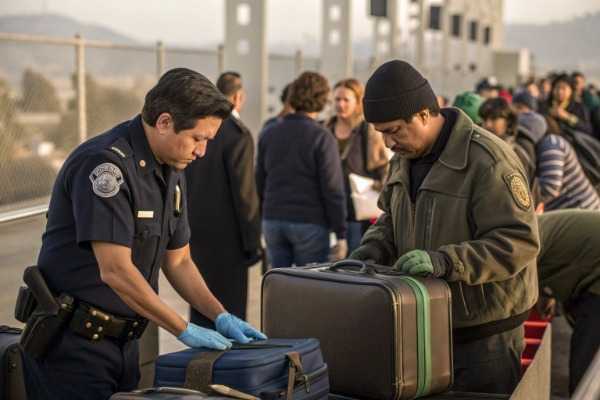
When the train reaches the border, customs clearance comes into play again. The goods must undergo inspection by customs officials in the receiving country. They check the documentation submitted by the exporter and ensure it matches the goods.
Border customs may conduct a physical inspection. They look for discrepancies between the documentation and the actual cargo. If everything checks out, customs will allow the goods to pass through. This step is crucial to avoid delays and ensure a smooth transition.
How Does Import Customs Clearance Work in Europe?
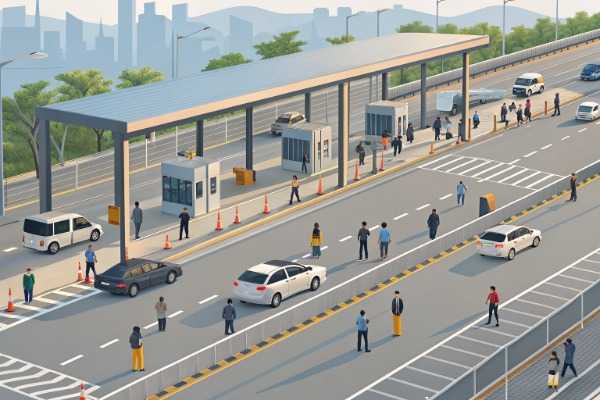
Import customs clearance in Europe is similar to the export process in China. Importers must submit their documents, including the commercial invoice, packing list, and any required certifications. Customs officials review these documents and may inspect the cargo.
Import duties and taxes are then calculated based on the goods' value.11 Importers must pay these fees before the goods are released. It’s essential for importers to understand these costs to avoid unexpected expenses.
How Do HS Codes and Import Duties Affect Rail Freight Customs Clearance?
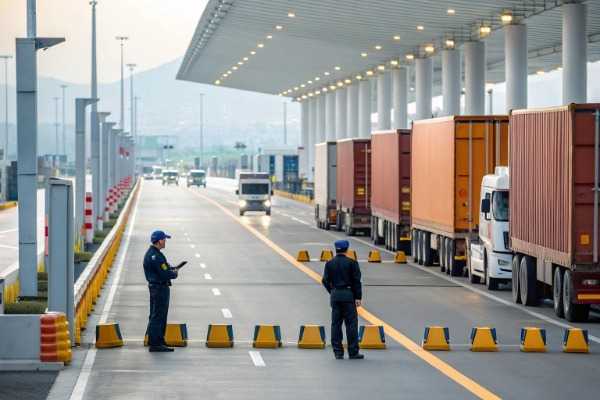
HS codes are critical in the customs clearance process.12 These codes classify goods for tariffs and help determine import duties. Each product has a specific HS code that corresponds to its category. Incorrect coding can lead to delays and additional costs.
Import duties are taxes imposed on goods entering a country. They depend on the HS code and the product's value. Importers should be aware of these duties to budget correctly for their shipments. Understanding HS codes and how they affect duties is essential for smooth customs clearance.
What Customs Problems Can Delay China-Europe Rail Shipments?
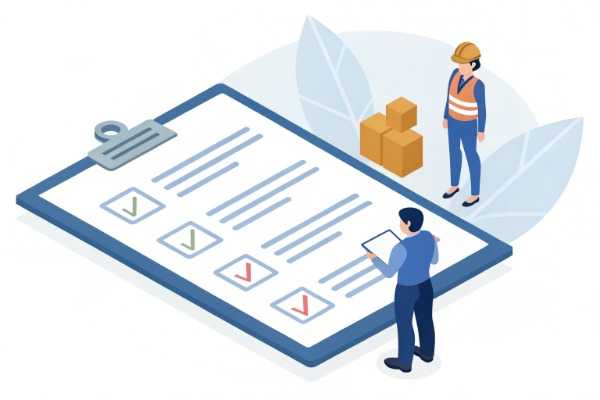
Several customs problems can cause delays. Missing or incorrect documentation is the most common issue. If the customs officials find discrepancies, shipments may be held for further inspection.
Other problems include unpaid import duties, non-compliance with regulations, or issues with HS codes. Some goods may require additional permits or certifications, which can also delay the process. Being aware of these potential issues can help importers prepare better.
How Can Importers Prepare for Smooth Rail Freight Customs Clearance?
To ensure smooth customs clearance, importers should take several steps. First, they must gather all necessary documentation and ensure accuracy. Double-checking information can prevent many common issues.
It's also vital to understand local regulations and customs requirements. This includes researching import duties and any specific certifications needed for certain products. Working with a reliable logistics provider can also help streamline the process.
Finally, effective communication with the customs office and the logistics provider can help resolve issues quickly. By taking these steps, importers can minimize delays and ensure their shipments arrive on time.
Conclusion
Understanding the customs clearance process is essential for successful China-Europe rail shipments. Proper preparation and documentation can help avoid delays and ensure smooth transit.
"Basic Importing and Exporting | U.S. Customs and Border Protection", https://www.cbp.gov/trade/basic-import-export. Customs authorities generally require traders or their representatives to lodge goods declarations and supporting documents before goods can be released or exported. Evidence role: general_support; source type: government. Supports: Customs clearance involves preparing and submitting required documents.. Scope note: The precise documents and filing method vary by jurisdiction and commodity. ↩
"Trade facilitation", https://www.oecd.org/en/topics/sub-issues/trade-facilitation.html. Customs and trade-facilitation literature identifies border delays as a source of higher logistics costs, inventory costs, and delivery uncertainty. Evidence role: general_support; source type: institution. Supports: Customs delays can create additional costs and missed delivery deadlines.. Scope note: Such sources usually describe general trade impacts rather than measuring costs for every China–Europe rail shipment specifically. ↩
"Customs clearance in China - Wikipedia", https://en.wikipedia.org/wiki/Customs_clearance_in_China. Export-control procedures commonly begin before physical departure, when export goods are declared and documentation is prepared for customs supervision. Evidence role: general_support; source type: government. Supports: The clearance process for exported goods begins before or around the time goods leave the origin premises in China.. Scope note: This supports the pre-departure nature of export clearance, but individual shipments may begin formal clearance at a warehouse, terminal, or customs-supervised site rather than exactly at the factory. ↩
"Standards on Completion of Customs Declaration Forms for Import/Export ...", http://english.customs.gov.cn/statics/7d65e215-13ed-4a3e-baa1-797f01e5e902.html. Chinese customs rules require export goods to be declared to customs with relevant documents by the consignor, consignee, or authorized agent. Evidence role: general_support; source type: government. Supports: Exporters or their agents submit required documents to Chinese customs for export clearance.. Scope note: The specific documentary set depends on the goods, trade terms, and regulatory controls. ↩
"[PDF] Report Name:GACC Announcement 277 - Regulation on Declaration ...", https://apps.fas.usda.gov/newgainapi/api/Report/DownloadReportByFileName?fileName=GACC%20Announcement%20277%20-%20Regulation%20on%20Declaration%20Management%20of%20Import%20and%20Export%20Goods_Beijing_China%20-%20People%27s%20Republic%20of_CH2025-0069. Customs legislation and guidance commonly give customs authorities power to examine or inspect goods to verify declarations and enforce import or export controls. Evidence role: mechanism; source type: government. Supports: Customs authorities may inspect goods during the export clearance process.. Scope note: Inspection is risk-based in many systems and does not mean every consignment is physically inspected. ↩
"EU - Import Requirements and Documentation", https://www.trade.gov/country-commercial-guides/eu-import-requirements-and-documentation. EU customs procedures require presentation or declaration of goods and allow customs authorities to verify declarations by examining documents and, where necessary, the goods themselves. Evidence role: mechanism; source type: government. Supports: On arrival in Europe, customs may check documents and inspect cargo before release.. Scope note: Physical inspection is not universal; it is typically selected according to risk analysis or specific legal requirements. ↩
"Common Export Documents - International Trade Administration", https://www.trade.gov/common-export-documents. Customs and trade-documentation guidance commonly identifies commercial invoices, transport documents, and packing lists as key supporting documents for import or export declarations. Evidence role: general_support; source type: government. Supports: Commercial invoices, packing lists, and transport documents are common documents used for customs clearance.. Scope note: For rail freight, the transport document may be a rail consignment note rather than a maritime bill of lading, depending on the route and contract. ↩
"Rules of Origin | United States Trade Representative", https://ustr.gov/trade-agreements/wto-multilateral-affairs/wto-issues/customs-issues/rules-origin. Official customs guidance recognizes certificates of origin and export licenses or permits as supporting documents required where preferential tariff treatment, trade controls, or product-specific regulations apply. Evidence role: general_support; source type: government. Supports: Certificates of origin and export permits may be needed for customs clearance in relevant cases.. Scope note: These documents are not required for every shipment; applicability depends on origin rules, destination law, and the regulated status of the goods. ↩
"[PDF] Hazard Communication Standard: Safety Data Sheets - OSHA", https://www.osha.gov/Publications/OSHA3514.html. International dangerous-goods frameworks and chemical-safety rules use safety data sheets to communicate hazard classification, handling, and emergency information for hazardous substances and mixtures. Evidence role: definition; source type: institution. Supports: Safety data sheets are necessary or expected for hazardous materials in relevant shipping and regulatory contexts.. Scope note: An SDS requirement depends on the product classification and the transport or workplace-safety regime applicable to the shipment. ↩
"Chapter 6: Customs Enforcement and Cooperation with Other ...", https://www.elibrary.imf.org/display/book/9798400200120/CH006.xml. Customs enforcement mandates include verifying declarations and inspecting goods to detect smuggling, fraud, prohibited goods, and other customs offenses. Evidence role: mechanism; source type: government. Supports: Customs document checks and inspections help prevent smuggling and other illegal activities.. Scope note: Verification reduces enforcement risk but cannot by itself prove prevention in any individual shipment. ↩
"Calculation of customs duties - Taxation and Customs Union", https://taxation-customs.ec.europa.eu/customs/common-customs-tariff-cct/calculation-customs-duties_en. EU customs guidance explains that customs duty and import VAT are calculated using elements such as customs value, tariff classification, origin, and applicable tax rules. Evidence role: mechanism; source type: government. Supports: Import duties and taxes are calculated using the value of the goods, along with other customs factors.. Scope note: The article’s wording is simplified because duty rates also depend on HS classification and origin, not value alone. ↩
"Harmonized Tariff Schedule", https://hts.usitc.gov/. The Harmonized System is an internationally standardized nomenclature used by customs administrations to classify traded goods and apply tariffs and trade measures. Evidence role: definition; source type: institution. Supports: HS codes are important to customs clearance because they classify goods for tariffs and trade controls.. Scope note: The HS provides the international classification base, while countries may add further tariff subdivisions and national measures. ↩