
Importing products can be tricky, especially with all the rules and regulations. Are you ready to make this journey from China to the UK smoother?
In 2026, the best way to import products from China involves understanding new regulations, calculating costs accurately, and selecting the right shipping method. By mastering these elements, you can ensure a successful import experience.
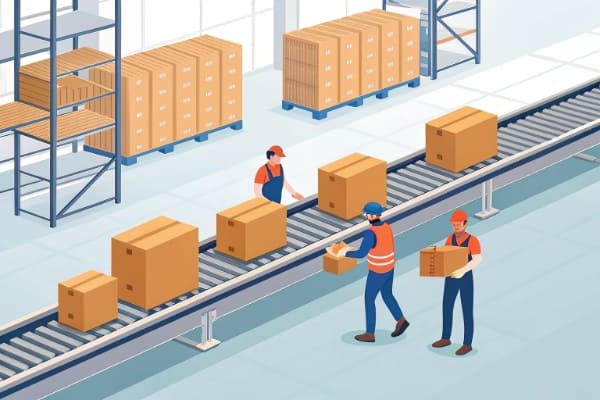
Navigating the complexities of importing can be daunting. However, being informed and prepared can make a significant difference. Let's dive into the essential aspects of importing from China to the UK.
What Documents Are Required to Import into the UK?
Importing products into the UK requires several documents. Knowing what you need can save you time and trouble.
In 2026, you will need a commercial invoice, packing list, bill of lading, and potentially an import license1 for certain goods. Additional documents may be required depending on the product type.2

Importing without proper documentation can lead to delays or even seizure of goods. It's crucial to keep track of all necessary paperwork.
Dive Deeper Paragraph:
The main documents you will need include:
| Document | Description |
|---|---|
| Commercial Invoice | A bill that lists the items being imported, their value, and the terms of sale. |
| Packing List | A detailed breakdown of the shipment contents, including item quantities and weights. |
| Bill of Lading | A shipping document that serves as a receipt for the cargo and a contract between the shipper and carrier. |
| Import License | Required for restricted goods, ensuring compliance with UK regulations. |
Ensure all documents are accurate. Incorrect information can lead to delays at customs.3
How Much Import Duty and VAT Will You Pay in the UK?
When importing, understanding the costs is crucial.
In 2026, import duty and VAT will depend on the product category and value4. Typically, import duty ranges from 0% to 20%, while VAT is usually 20% on most goods5.
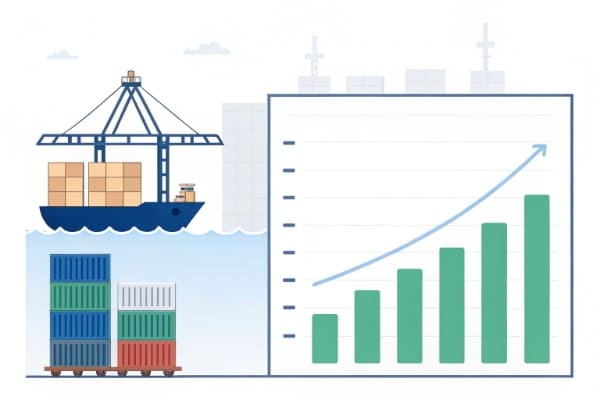
Knowing these costs upfront helps in budget planning.
Dive Deeper Paragraph:
Import duty can vary by product type. Here’s a quick breakdown:
| Product Type | Import Duty Rate | VAT Rate |
|---|---|---|
| Electronics | 0% - 14% | 20% |
| Clothing | 0% - 12% | 20% |
| Furniture | 2.5% - 6% | 20% |
| Food Products | 0% - 25% | 20% |
It's important to assess your product classification correctly. Misclassification can lead to overpaying or facing penalties.6
What Products Are Restricted or Prohibited in the UK?
Not all products can be imported into the UK.
In 2026, certain items are restricted or prohibited, including counterfeit goods, hazardous materials, and products that do not meet UK standards7.
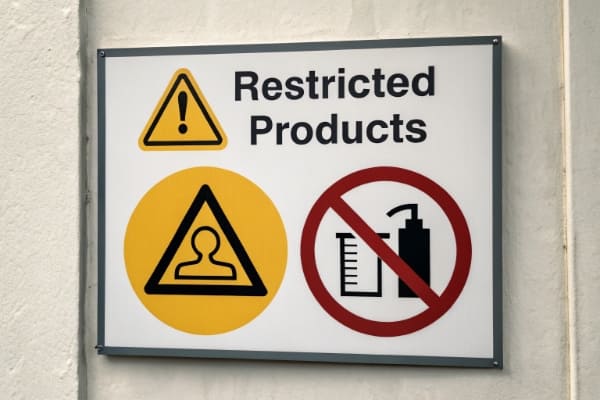
Understanding these restrictions helps you avoid issues at customs.
Dive Deeper Paragraph:
Some common categories of restricted items include:
| Category | Examples |
|---|---|
| Counterfeit Goods | Fake designer items |
| Hazardous Materials | Chemicals not approved for import |
| Endangered Species8 | Certain animal products and plants |
| Products without UKCA Mark9 | Electronics or toys lacking certification |
Always check for the latest regulations before importing specific products.
Should You Use Air Freight, Sea Freight, Rail Freight, or Express Shipping?
Choosing the right shipping method can affect your bottom line.
In 2026, sea freight is often the most economical choice for bulk goods, while air freight is faster but more expensive10. Rail freight offers a balance between cost and speed.11
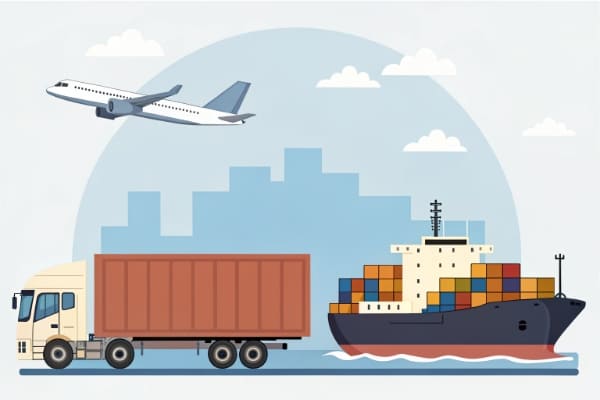
Knowing your deadlines and budget will guide your choice.
Dive Deeper Paragraph:
Here’s a comparison of different shipping methods:
| Shipping Method | Cost (Approx) | Delivery Time | Best For |
|---|---|---|---|
| Air Freight | £5,000+ (40ft) | 5-10 days | Urgent shipments |
| Sea Freight | £1,200 - £2,500 (20ft) | 20-40 days | Bulk products |
| Rail Freight | £3,500 - £5,000 (40ft) | 18-22 days | Medium urgency |
| Express Shipping | Variable | 1-3 days | High-value, time-sensitive |
Choose wisely based on your needs.
How Can You Avoid Shipping Delays and Hidden Charges?
Shipping delays can harm your business.
In 2026, avoiding delays involves precise planning, clear communication, and understanding potential hidden costs.
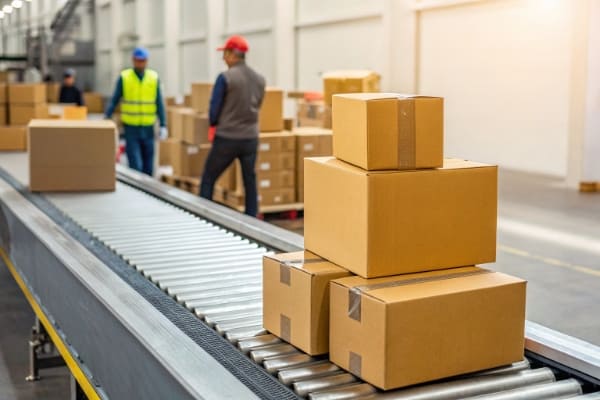
Being proactive can save you from unexpected surprises.
Dive Deeper Paragraph:
To minimize shipping delays and hidden charges, consider these steps:
- Work with Trusted Freight Forwarders: They can provide insights into potential issues before they arise.
- Maintain Clear Communication: Regular updates with your supplier and freight forwarder can help address concerns promptly.
- Understand All Charges: Be aware of customs fees, handling charges, and other potential costs12 that may arise during shipping.
By taking these measures, you can create a smoother importing process.
How to Find a Trusted China Freight Forwarder for the UK?
Finding the right freight forwarder is essential.
In 2026, a reliable freight forwarder can streamline the shipping process, help with customs clearance, and reduce risks.
Researching is key to finding a partner you can trust.
Dive Deeper Paragraph:
Here’s how to find a reputable freight forwarder:
| Step | Description |
|---|---|
| Research Online | Read reviews and ask for recommendations from other importers. |
| Check Credentials | Ensure they have valid licenses and insurance coverage. |
| Request Quotes | Compare rates from multiple forwarders to find the best fit. |
| Assess Experience | Look for a forwarder with experience specifically in your product type. |
Taking the time to find a good freight forwarder pays off in the long run.
Conclusion
Importing from China to the UK in 2026 requires careful planning and attention to detail to ensure success.
"Import goods into the UK: step by step - GOV.UK", https://www.gov.uk/import-goods-into-uk. UK government import guidance identifies the types of customs, transport, and licensing documentation commonly required for goods entering the United Kingdom, including commercial documentation and licences for controlled goods. Evidence role: general_support; source type: government. Supports: Importers from China to the UK generally need a commercial invoice, packing list, bill of lading, and may need an import licence for certain goods.. Scope note: The exact documents depend on the commodity code, origin, transport mode, and whether the goods are controlled; the source may not confirm the article’s 2026 wording unless updated for that year. ↩
"[PDF] GAIN Report - USDA/FAS", https://apps.fas.usda.gov/newgainapi/api/Report/DownloadReportByFileName?fileName=Country+Report_London_United+Kingdom_08-01-2001.pdf. UK government commodity and product-control guidance shows that additional certificates, licences, or approvals may be required for specific goods such as food, plants, animals, chemicals, medicines, and dual-use items. Evidence role: general_support; source type: government. Supports: Additional import documents may be required depending on the type of product being imported into the UK.. Scope note: This supports the conditional nature of additional documentation but does not provide a single exhaustive list for every product category. ↩
"Civil penalties for contraventions of customs law (Customs Notice 301)", https://www.gov.uk/guidance/civil-penalties-for-contraventions-of-customs-law-customs-notice-301. HMRC customs guidance explains that inaccurate or incomplete customs declarations can result in corrections, checks, penalties, or delays before goods are released. Evidence role: mechanism; source type: government. Supports: Incorrect import documentation or declaration information can delay customs clearance.. Scope note: The source supports the general customs-control mechanism rather than proving the frequency of delays in China-to-UK shipments specifically. ↩
"Trade Tariff: look up commodity codes, duty and VAT rates - GOV.UK", https://www.gov.uk/trade-tariff. The UK Trade Tariff and HMRC VAT guidance state that customs duty is calculated by commodity classification, origin, and customs value, while import VAT is generally calculated on the value of the goods plus applicable duty and other charges. Evidence role: mechanism; source type: government. Supports: Import duty and VAT payable in the UK depend on the product category/classification and the value of the imported goods.. Scope note: The source supports the calculation principles, but individual rates must be checked against the current tariff for the precise commodity code. ↩
"Value-added tax in the United Kingdom - Wikipedia", https://en.wikipedia.org/wiki/Value-added_tax_in_the_United_Kingdom. HMRC guidance identifies 20% as the UK standard VAT rate and explains that reduced or zero rates apply to certain goods and services. Evidence role: statistic; source type: government. Supports: The UK standard VAT rate is 20%, although exceptions apply.. Scope note: This supports the general VAT-rate statement but not the import-duty range in the same sentence, and some imported goods may qualify for reduced or zero-rated VAT treatment. ↩
"Civil penalties for contraventions of customs law (Customs Notice 301)", https://www.gov.uk/guidance/civil-penalties-for-contraventions-of-customs-law-customs-notice-301. HMRC and UK tariff guidance explain that customs declarations must use the correct commodity code, because classification determines duty and import measures and errors can require correction or lead to compliance action. Evidence role: mechanism; source type: government. Supports: Incorrect product classification can cause importers to pay the wrong duty or face penalties/compliance action.. Scope note: The source supports the legal and administrative basis for overpayment or penalties but may not quantify how often misclassification results in penalties. ↩
"[PDF] Trade in counterfeit products and the UK economy - OECD", https://www.oecd.org/content/dam/oecd/en/publications/reports/2024/12/trade-in-counterfeit-products-and-the-uk-economy_6bb908bf/3119cd81-en.pdf. UK government import-control and product-safety guidance describes restrictions on counterfeit goods, dangerous or hazardous substances, and goods that fail applicable UK product-safety or conformity requirements. Evidence role: general_support; source type: government. Supports: Counterfeit goods, hazardous materials, and non-compliant products can be restricted or prohibited for import into the UK.. Scope note: The categories are broad; whether a specific item is prohibited or restricted depends on the product, intended use, and applicable legislation. ↩
"CITES (Endangered Plant Species) - usda aphis", https://www.aphis.usda.gov/plant-imports/cites. CITES and UK government guidance describe controls on international trade in endangered species and products derived from them, including permit requirements for many specimens. Evidence role: historical_context; source type: institution. Supports: Certain animal products and plants involving endangered species are restricted for UK import.. Scope note: The source supports the existence of endangered-species trade controls, but the legality of a particular product depends on the species, derivative, appendix listing, and permit status. ↩
"Placing UKCA or CE marked products on the market in Great Britain", https://www.gov.uk/guidance/placing-ukca-or-ce-marked-products-on-the-market-in-great-britain. UK government product-marking guidance explains that UKCA marking applies to specified product categories placed on the Great Britain market and indicates conformity with relevant UK requirements. Evidence role: definition; source type: government. Supports: Certain products may need appropriate UK conformity marking, such as UKCA marking, before being placed on the UK market.. Scope note: UKCA requirements vary by product category, and UK policy has allowed continued recognition of CE marking for many goods; the source may contextualize rather than fully support a blanket import restriction. ↩
"Air Freight: A Market Study with Implications for Landlocked ...", https://www.worldbank.org/en/topic/transport/publication/air-freight-study. International transport and trade-logistics sources commonly distinguish ocean freight as lower-cost for large-volume shipments and air freight as substantially faster but more expensive per unit of weight or volume. Evidence role: expert_consensus; source type: institution. Supports: Sea freight is generally more economical for bulk goods, while air freight is faster but more expensive.. Scope note: This supports the general modal comparison; actual China-to-UK costs and transit times vary with route, season, fuel prices, capacity, and shipment characteristics. ↩
"China-Europe freight transportation under the first wave ... - PMC", https://pmc.ncbi.nlm.nih.gov/articles/PMC9682051/. Research on China-Europe rail freight describes it as generally faster than maritime shipping and less costly than air freight, positioning rail as an intermediate option in cost and transit time. Evidence role: expert_consensus; source type: paper. Supports: Rail freight between China and Europe can offer an intermediate cost-speed profile compared with sea and air freight.. Scope note: This is contextual support; actual China-to-UK rail services, routing, border disruptions, and market conditions can change the relative advantage. ↩
"How to pay duties and VAT on imports from outside of the UK", https://www.gov.uk/guidance/paying-vat-and-duties-on-imports. UK customs and port/transport guidance distinguishes official import duties and VAT from additional commercial charges such as carrier, port, storage, handling, or clearance fees that may arise during importation. Evidence role: general_support; source type: government. Supports: Importers may face customs-related charges and other handling or clearance costs beyond the base freight price.. Scope note: The source can support the existence of these charge categories but not the amount or likelihood of charges for a specific shipment. ↩