
Corporate gifting has evolved. Companies are looking for gifts that truly resonate. This post explores the best options for 2026 and how they can benefit your business.
In 2026, the best corporate gifts combine sustainability, practicality, and a personal touch. Choosing gifts that are used daily can enhance relationships and reinforce brand loyalty.1
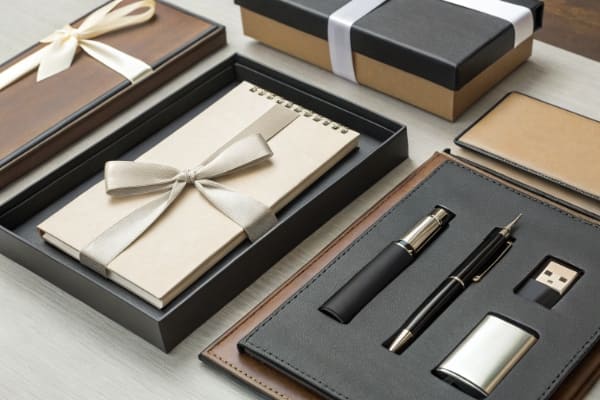
Corporate gifts serve as a bridge between your company and its stakeholders. They are tokens of appreciation. Companies use them to strengthen relationships, show gratitude, and enhance brand visibility2. Well-chosen gifts can leave a lasting impression3. They can turn a simple gesture into a tool for loyalty and recognition.
What Are Corporate Gifts and Why Do Companies Use Them?
Corporate gifts are more than just items; they are expressions of gratitude and a way to build strong connections. When I think about corporate gifting, I recall how important it is to acknowledge both clients and employees. Gifts reinforce brand loyalty and recognition. They show that a company values its relationships. In a busy business world, these gestures stand out. They create opportunities for meaningful interactions.
Companies often choose gifts based on the recipient's preferences and the relationship's context.4 This approach maximizes the gift's impact and relevance.

Gifting can also serve promotional purposes. I remember a time when a client received a high-quality branded pen. It was a simple gift, but it made a lasting impression. Every time they used it, they were reminded of our partnership. That's the power of a thoughtful gift.
What Are the Most Popular Corporate Gifts in 2026?
As we move into 2026, the trend has shifted towards sustainable and practical items5. Gifts that can be used daily are at the top of the list. I’ve noticed that branded insulated drinkware, like tumblers and stainless steel bottles, are essentials for summer gifts. They not only keep drinks at the right temperature but also promote the brand when used in public6.
Other popular items include high-quality tote bags. Their everyday use ensures that the company’s visibility remains high across various settings.7
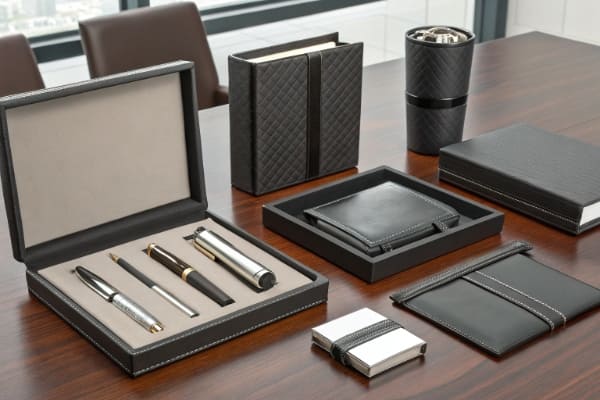
Apparel is also making waves. Premium embroidered caps and polos are effective corporate apparel. People actually wear items that fit well and look good. I’ve seen how these items can boost a company's image when worn casually.
Which Corporate Gifts Are Best for Clients?
When selecting gifts for clients, I recommend focusing on personalization. Personalized engraved items tailored to individual preferences create stronger emotional connections. They show clients that you care about their unique tastes.
Experience-based gifts, like workshops or subscriptions, are also gaining popularity. These gifts create memorable moments that last longer than physical items.8

For instance, I once organized a workshop for key clients. The feedback was overwhelmingly positive. Clients appreciated the chance to learn and connect. It strengthened our relationship more than any physical gift could.
Which Corporate Gifts Are Best for Employees?
For employees, the focus should be on practicality and recognition. Custom printed gift boxes with branded inserts and tissue paper can make unboxing feel like a memorable event. This adds an element of excitement to the gift.
Tech-forward gifts, such as wireless chargers and accessories, are also trending. They cater to today's workforce, which relies heavily on technology.9
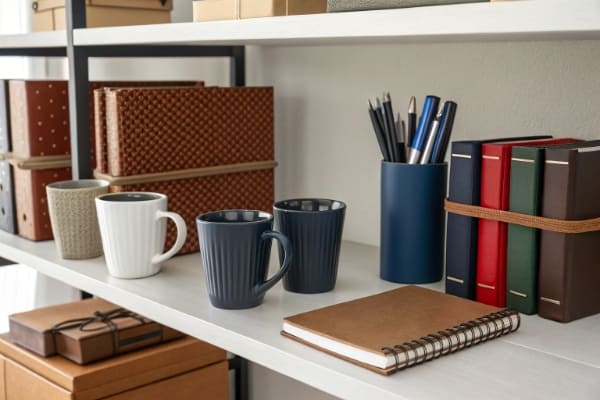
Another effective approach is tiered gifting programs. Aligning gifts with specific moments, like onboarding or anniversaries, enhances their impact. I have seen how thoughtful gifts during these times can boost morale and show employees they are valued.
What Corporate Gifts Offer the Highest Brand Exposure?
To maximize brand exposure, I recommend gifts that can be used frequently. High-quality branded tote bags are perfect for this. They are often seen in public, which enhances visibility.
Branded insulated drinkware also plays a significant role. When clients and employees use these items on the go, they promote the brand without even realizing it.
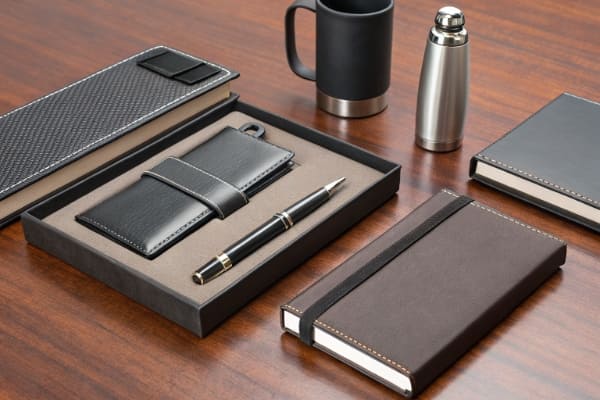
Additionally, mini-sized rugged gear with bold designs fits 2026's trend toward compact and durable merchandise. These items resonate with the current generation. They blend functionality with style, making them more appealing.
Where Can You Source Custom Corporate Gifts from China?
For sourcing custom corporate gifts, China remains a top destination due to its diverse manufacturing capabilities.10 Companies like Toncentlink provide a reliable supply chain for promotional products. They have access to various factories and can ensure quality control.
Working with a partner like Toncentlink simplifies the process. It allows businesses to focus on their core operations while ensuring high-quality gifts.

I’ve experienced first-hand how effective this partnership can be. By outsourcing sourcing and logistics, I can offer clients a variety of gifts tailored to their needs.
Conclusion
In 2026, the best corporate gifts are sustainable, practical, and personal. They build relationships and enhance brand visibility.
"[PDF] Comparing Brand Placements And Advertisements on Brand Recall ...", https://scholarworks.calstate.edu/downloads/h415pg20d?locale=es. Research on promotional products and brand recall can support the claim that frequently used branded items may increase repeated brand exposure and recall, which are related to loyalty outcomes. Evidence role: general_support; source type: research. Supports: Daily-use corporate gifts can enhance relationships and reinforce brand loyalty.. Scope note: Such evidence typically supports exposure and recall more directly than long-term brand loyalty. ↩
"[PDF] The influence of relationship beliefs on gift giving", https://scholarworks.uttyler.edu/context/marketing_fac/article/1003/viewcontent/the_influence_of_relationship_beliefs.pdf. Organizational and marketing literature on business gifting can support that gifts are used as relationship-maintenance signals and as branded communication tools. Evidence role: general_support; source type: paper. Supports: Companies use corporate gifts to strengthen relationships, express gratitude, and improve brand visibility.. Scope note: The evidence may describe general gift-exchange and promotional-product functions rather than proving effectiveness for every corporate gifting campaign. ↩
"Social exchange theory: Systematic review and future directions - PMC", https://pmc.ncbi.nlm.nih.gov/articles/PMC9878386/. Studies of gift exchange and reciprocity can support the idea that gifts can create memorable social impressions and influence relational attitudes. Evidence role: mechanism; source type: paper. Supports: Well-chosen corporate gifts can leave a lasting impression.. Scope note: This support is contextual because memory and relationship effects depend on gift relevance, recipient norms, and relationship history. ↩
"Does having more power make people more materialistic? The role ...", https://pmc.ncbi.nlm.nih.gov/articles/PMC10485253/. Research on personalization and gift appropriateness can support that recipient preferences and relationship context influence how gifts are evaluated. Evidence role: expert_consensus; source type: paper. Supports: Companies often select corporate gifts according to recipient preferences and relationship context.. Scope note: The evidence may address consumer gift-giving broadly rather than corporate gifting specifically. ↩
"Survey: 70% of Employees Want Sustainable Gifts - Custom Ink Blog", https://www.customink.com/blog/sustainable-corporate-gifts-survey/. Sustainability reporting and consumer-preference research can support that buyers increasingly value environmentally responsible and useful products, providing context for sustainable corporate gift selection. Evidence role: general_support; source type: institution. Supports: Corporate gifting trends are shifting toward sustainable and practical items.. Scope note: This evidence supports a broader purchasing trend and may not directly verify the specific state of corporate gifts in 2026. ↩
"Promotional Product Effectiveness - Brand Guidelines", https://brand.missouri.edu/apply-the-brand/apparel-merchandise-promo-items/promotional-product-effectiveness/. Research on promotional products can support that branded items used in public create repeated impressions and can increase brand recognition among users and observers. Evidence role: mechanism; source type: research. Supports: Branded insulated drinkware can promote a company’s brand when used in public.. Scope note: Public exposure does not necessarily translate into measurable sales or loyalty without additional campaign data. ↩
"Tote-ally Cool: Totes Bags & Their Lasting Effect on Promo - ASI", https://asicentral.com/insights/tote-ally-cool-totes-bags-their-lasting-effect-on-promo/. Promotional-product impression studies can support that reusable bags generate repeated brand exposure because they are carried in public settings. Evidence role: general_support; source type: research. Supports: High-quality tote bags can maintain company visibility through everyday use in varied settings.. Scope note: The claim that visibility remains “high” is relative and depends on frequency of use, logo placement, and audience size. ↩
"Spending on Experiences Versus Possessions Advances More ...", https://news.utexas.edu/2020/03/09/spending-on-experiences-versus-possessions-advances-more-immediate-happiness/. Experience-consumption research can support that experiential purchases are often remembered and valued differently from material goods, especially through anticipation and recollection. Evidence role: mechanism; source type: paper. Supports: Experience-based gifts can create memorable moments that may outlast physical items.. Scope note: The evidence generally compares experiential and material consumption, not corporate client gifts specifically. ↩
"Computer and Information Technology Occupations", https://www.bls.gov/ooh/computer-and-information-technology/. Labor and digital-technology statistics can support that modern workplaces depend heavily on digital tools, making technology accessories relevant to employees. Evidence role: statistic; source type: government. Supports: Tech-forward corporate gifts are relevant because today’s workforce relies heavily on technology.. Scope note: Workforce technology reliance supports the relevance of tech gifts but does not prove that wireless chargers are universally preferred. ↩
"Manufacturing, value added (% of GDP) - World Bank Open Data", https://data.worldbank.org/indicator/NV.IND.MANF.ZS. International manufacturing statistics can support that China is one of the world’s largest manufacturing economies with broad industrial capacity, providing context for its role in sourcing custom goods. Evidence role: statistic; source type: institution. Supports: China remains a major sourcing destination because of its broad manufacturing capabilities.. Scope note: Manufacturing scale supports China’s sourcing relevance generally but does not assess supplier quality, compliance, or suitability for every corporate gift category. ↩