
DDP shipping can seem complicated, but understanding it is essential for smooth international trade. This post will demystify the process of DDP shipping from China to the UK in 2026. If you're also wondering about typical DDP sea freight charges, we've broken down all the costs in our complete price guide.
DDP (Delivered Duty Paid) shipping means the seller takes full responsibility for the shipment until it reaches your door.1 This includes handling all customs duties and VAT2, making it a straightforward option for UK buyers.
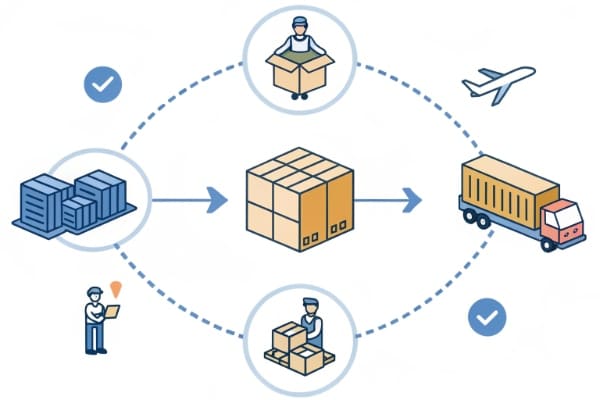
With DDP, you avoid extra charges at the border. The seller or freight forwarder covers export clearance in China, international shipping, UK customs clearance, and all import duties and VAT3. This means you can focus on your business without worrying about hidden costs or delays.
What Is Included in DDP Shipping to the UK?
In 2026, DDP shipping will cover many aspects to make your experience seamless. The key components of DDP shipping to the UK include export clearance in China, international freight charges, import customs clearance in the UK, and payment of all applicable duties and taxes.
Essentially, DDP shipping means the seller manages all logistics and paperwork, so you receive your goods without unexpected costs.
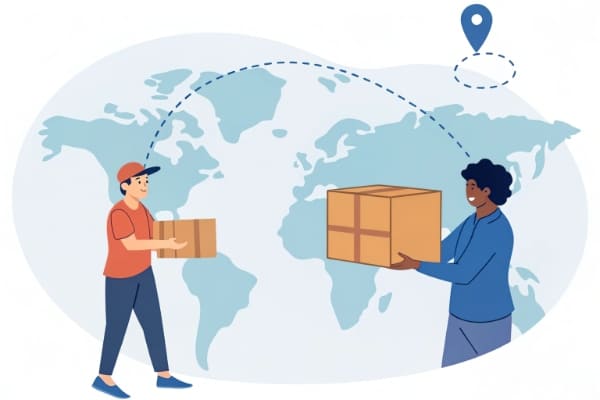
This arrangement offers peace of mind. You know what to expect with costs and timelines. Transparency is crucial in international shipping, and DDP provides that. It also simplifies communication since you deal with one entity for the entire shipping process.
Dive Deeper
When using DDP shipping, it's important to know that all associated fees are typically included in the contract4. This includes freight, duties, VAT, and terminal handling fees. However, unforeseen delays, like port strikes, may not be covered unless specified in the insurance. Being aware of these details helps avoid surprises later.
DDP shipments reduce your workload as you don't need to handle customs clearance. The freight forwarder prepares necessary documentation in advance. This process can shorten import clearance times in the UK from five days to just one or two days.5
Additionally, DDP shipping is particularly beneficial for first-time importers. The higher upfront cost (10-15% more than FOB)6 may seem daunting, but it saves you money in hidden fees such as port handling and customs documentation, which can range from £200-£5007. Understanding these costs ahead of time helps you budget more effectively.
How Much Does DDP Shipping from China to the UK Cost?
Cost is a vital consideration when evaluating DDP shipping. As of 2026, costs can vary significantly based on several factors. Typically, sea freight DDP from China to the UK ranges from $800 to $1,100 per shipment8. The exact amount depends on the product type, volume, and shipping method.
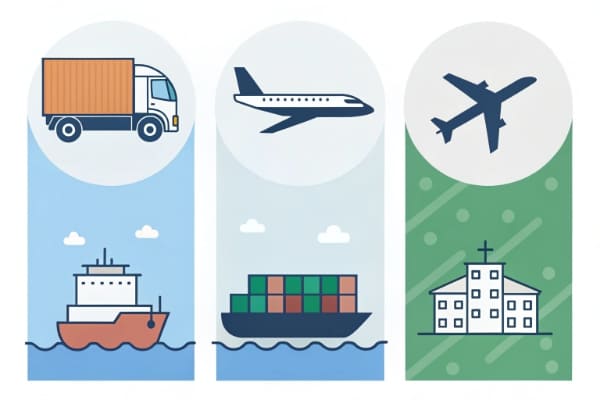
Air freight is more expensive but faster, while rail freight offers a middle ground with reasonable transit times and costs.9
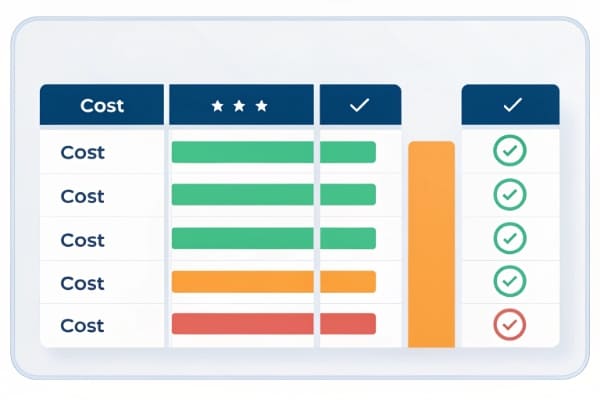
When you receive a DDP quote, it’s crucial to ensure it includes all expected fees. Look for clear breakdowns of shipping costs, customs duties, and VAT. This transparency helps you avoid unexpected charges that could affect your profit margins.
Dive Deeper
Understanding the pricing structure for DDP shipping can enhance your budgeting process. DDP shipping may seem pricier at first glance, but the total cost often includes various hidden fees that can add up significantly. For example, businesses may face additional costs for port handling, customs clearance, and other logistical services with other shipping methods like FOB or CIF.
Furthermore, businesses must consider the implications of UK VAT. With DDP shipments, UK VAT-registered businesses cannot obtain a C79 import certificate10. This situation complicates reclaiming import VAT, as the freight agent acts as the importer of record. It’s essential to evaluate this factor when deciding between shipping methods.
Moreover, shipping costs can fluctuate due to market conditions, so staying informed about any changes in the shipping landscape is vital. Knowing the average costs helps you make better decisions when selecting a logistics partner.
How Long Does DDP Shipping to the UK Take?
Transit times for DDP shipping can vary based on the shipping method you choose. For urgent shipments, air freight is the fastest option, taking as little as three days from major Chinese cities like Shanghai to the UK.
In contrast, sea freight typically takes between 45 to 55 days for door-to-door delivery.

Rail freight provides a middle ground with a transit time of around 20 to 25 days, offering flexibility based on urgency and budget. Knowing these timelines helps businesses plan their inventory and manage customer expectations effectively.
Dive Deeper
When considering shipping times, it's essential to factor in potential delays. Customs clearance can sometimes add extra time, but DDP agents work to pre-file documentation, streamlining the process. By preparing in advance, they can significantly reduce clearance times in the UK from five days to just one or two days.
Additionally, seasonal factors and changes in regulations can impact shipping times. Staying updated on these issues allows businesses to anticipate delays and make necessary adjustments.
In a competitive market, being aware of the shipping timeline helps you stay ahead. It allows you to manage inventory better and respond promptly to customer needs.
Is DDP Shipping Better Than FOB or CIF?
Choosing between DDP, FOB, and CIF can be challenging. Each method has its advantages and disadvantages. DDP shipping is generally more convenient for buyers. The seller takes on full responsibility for the shipment, including customs duties and taxes.
In contrast, FOB (Free on Board) makes the buyer responsible for customs clearance and related costs once the shipment reaches the port.11 This method can lead to unexpected expenses if you don’t have experience with customs.
CIF (Cost, Insurance, and Freight) shares some similarities with DDP but does not include duties or VAT.12 This means that extra costs can arise at the border, making DDP a more straightforward option.
Dive Deeper
The choice between DDP, FOB, and CIF depends on your business needs and experience level. DDP suits companies looking for a hassle-free process and full transparency regarding costs. It's a good choice for those unfamiliar with customs procedures or shipping logistics.
On the other hand, experienced importers may prefer FOB for its potential cost savings. However, this method requires more knowledge and careful planning to manage customs independently.
Ultimately, weighing the pros and cons of each method can help you select the right one for your business strategy and operational capabilities.
What Products Can Be Shipped DDP to the UK?
In 2026, a wide variety of products can be shipped DDP to the UK. This includes promotional items like drinkware, apparel, tech accessories, and more. If your product is compliant with UK regulations, it can likely be shipped using DDP.
Understanding regulations and product eligibility is essential to ensure a smooth shipping process.

Before shipping, it's crucial to verify that your products meet UK import standards. This avoids complications during customs clearance, which can lead to delays or additional fees.
Dive Deeper
To navigate the complexities of shipping various products, businesses should conduct thorough research on import regulations. This includes understanding safety standards, labeling requirements, and any restrictions on specific items.
Certain products, especially food and cosmetics, may have stricter regulations. Understanding these nuances can save time and money in the long run. Working with a knowledgeable freight forwarder can also help clarify any questions. They can assist in ensuring that your products comply with all necessary regulations.
Furthermore, exploring different product categories can open new opportunities. Many businesses have successfully expanded their offerings by identifying products eligible for DDP shipping.
How to Avoid Customs Delays and VAT Issues in the UK?
Customs delays and VAT issues can disrupt your shipping experience. To avoid common pitfalls, you need to be proactive. Ensure that your freight forwarder pre-files all necessary customs documentation. This can significantly reduce delays during clearance.
Additionally, being aware of VAT regulations is crucial to avoid complications when reclaiming import VAT.
Maintaining clear communication with your shipping partner is essential. They can provide updates on the status of your shipment and address any concerns you may have.
Dive Deeper
When working with DDP shipping, it’s vital to understand the details of VAT and customs duties. Here, knowledge is power. Knowing that UK VAT-registered businesses cannot obtain a C79 import certificate with DDP shipments may affect your decision-making.
To simplify the customs process, ensure that your products are correctly classified and that the necessary documentation is in order. This includes invoices, packing lists, and any certificates required for specific products.
Additionally, keeping abreast of changes in regulations and potential fees, such as those related to Brexit, can help you make informed shipping decisions. Charging clear administrative fees upfront, such as £600 per 20ft container, can offer transparency and avoid unexpected costs.
Conclusion
Understanding DDP shipping from China to the UK in 2026 can simplify your import process and help you avoid hidden costs.
Shipping to other markets? See our guide to DDP shipping to Saudi Arabia for 2026 costs, transit times and customs requirements.
"Know Your Incoterms - International Trade Administration", https://www.trade.gov/know-your-incoterms. The Incoterms definition of Delivered Duty Paid states that the seller bears the costs and risks of bringing the goods to the named place of destination and clearing them for import. Evidence role: definition; source type: institution. Supports: DDP means the seller is responsible for the shipment until delivery to the agreed destination.. Scope note: Incoterms define contractual allocation of costs and risks; actual door delivery depends on the named place and the parties’ contract. ↩
"Know Your Incoterms - International Trade Administration", https://www.trade.gov/know-your-incoterms. Authoritative Incoterms guidance describes DDP as placing import clearance and payment of import duties and taxes on the seller. Evidence role: definition; source type: institution. Supports: Under DDP, the seller handles customs duties and import taxes such as VAT.. Scope note: VAT treatment can vary with importer-of-record arrangements and domestic tax rules, so the source supports the general DDP allocation rather than every VAT-recovery consequence. ↩
"Know Your Incoterms", https://www.trade.gov/know-your-incoterms. Incoterms materials explain that DDP allocates export formalities, carriage to the destination, import clearance, and import duties or taxes to the seller. Evidence role: definition; source type: institution. Supports: A DDP arrangement commonly includes export clearance, transport, import clearance, and duties or taxes.. Scope note: The statement is supported as a general allocation under DDP; China-specific procedures and UK-specific VAT administration require separate regulatory sources. ↩
"Know Your Incoterms - International Trade Administration", https://www.trade.gov/know-your-incoterms. Incoterms 2020 commentary indicates that DDP places most delivery-related costs on the seller up to the named place of destination, but the exact charges included depend on the sales contract and named place. Evidence role: general_support; source type: institution. Supports: DDP contracts typically include many delivery-related fees, but coverage depends on contract terms.. Scope note: The source would support the typical cost allocation, not prove that every DDP contract includes every fee listed in the article. ↩
"Clearing goods entering, leaving or transiting the UK - GOV.UK", https://www.gov.uk/guidance/national-clearance-hub-for-goods-entering-leaving-or-transiting-the-eu. UK customs guidance on pre-lodged declarations and import declaration procedures can support the mechanism that advance submission of customs data may speed clearance, but it does not establish the specific five-day to one-or-two-day reduction for DDP shipments. Evidence role: mechanism; source type: government. Supports: Advance preparation or pre-filing of customs documentation can reduce import-clearance delays.. Scope note: The exact time reduction is likely operational and carrier-specific; a government source would only contextualize why pre-filing can reduce clearance delays. ↩
"FOB vs DDP Explained - Importivity", https://importivity.com/services/shipping-and-logistics/fob-vs-ddp-explained/. A freight-market or trade-logistics source would be needed to document whether DDP quotes are commonly higher than FOB quotes because DDP includes import clearance, duties, taxes, and destination charges that FOB excludes. Evidence role: statistic; source type: research. Supports: DDP may have a higher upfront quoted price than FOB, potentially in the range of 10–15% under some market conditions.. Scope note: The precise 10–15% range is market-dependent and may vary by commodity, shipment size, route, and tax treatment. ↩
"[PDF] Great Britain - Local Charges/ Service Fees - Hapag-Lloyd", https://www.hapag-lloyd.com/content/dam/website/downloads/pdf/Great_Britain_Local_Charges_Service_Fees_01_04_2026.pdf. UK port tariff schedules or customs brokerage fee data can substantiate typical destination handling and documentation charges, though charges differ by port, forwarder, shipment type, and service level. Evidence role: statistic; source type: institution. Supports: Port handling and customs documentation can add hundreds of pounds in extra charges.. Scope note: A published tariff or fee schedule would provide contextual price evidence rather than a universal UK-wide range. ↩
"Freightos Baltic Index - Wikipedia", https://en.wikipedia.org/wiki/Freightos_Baltic_Index. Freight-rate indexes or market reports can document prevailing China–UK sea freight price levels, but DDP door-to-door pricing also includes duties, VAT, inland transport, and commodity-specific charges not captured by port-to-port indexes. Evidence role: statistic; source type: research. Supports: China-to-UK sea freight costs in 2026 may fall within or near the stated range under specified shipment assumptions.. Scope note: Neutral freight indexes may support general sea-freight levels but may not directly verify an all-inclusive DDP quote range for every shipment size or product. ↩
"China-Europe freight transportation under the first wave of COVID ...", https://pmc.ncbi.nlm.nih.gov/articles/PMC9682051/. Transport economics sources generally show that air cargo has shorter transit times and higher costs than ocean freight, while China–Europe rail services are often described as intermediate between air and sea in speed and cost. Evidence role: expert_consensus; source type: research. Supports: Air freight is typically faster and costlier than sea freight, and rail often occupies an intermediate position.. Scope note: The relationship is general; exact rankings can change with fuel prices, capacity, route disruption, shipment size, and service type. ↩
"Get your import VAT certificate (C79) - GOV.UK", https://www.gov.uk/guidance/get-your-import-vat-certificates. HMRC guidance explains that C79 certificates are issued to VAT-registered importers as evidence of import VAT paid, which supports the relevance of importer-of-record status to VAT recovery documentation. Evidence role: general_support; source type: government. Supports: A UK VAT-registered business may not receive a C79 for a DDP shipment if another party is the importer of record.. Scope note: HMRC guidance supports the C79 mechanism; the blanket statement that DDP businesses cannot obtain a C79 depends on who is declared as importer of record in the specific transaction. ↩
"Know Your Incoterms - International Trade Administration", https://www.trade.gov/know-your-incoterms. Incoterms guidance for Free on Board states that the seller delivers the goods on board the vessel at the port of shipment, after which risk transfers to the buyer, while the buyer arranges main carriage and subsequent import-related costs. Evidence role: definition; source type: institution. Supports: Under FOB, the buyer assumes major responsibility after goods are loaded at the shipment port, including main carriage and import-side costs.. Scope note: The wording should distinguish export clearance, which is normally the seller’s obligation under FOB, from import clearance and destination costs, which are normally the buyer’s responsibility. ↩
"Duty - Cost Insurance and Freight (CIF) - help.CBP.gov", https://www.help.cbp.gov/s/article/Article1126. Incoterms guidance for Cost, Insurance and Freight states that the seller pays carriage and insurance to the destination port, while import clearance and import duties or taxes are not seller obligations under CIF. Evidence role: definition; source type: institution. Supports: CIF includes cost, insurance, and freight to the destination port but does not require the seller to pay import duties or VAT.. Scope note: The comparison applies to Incoterms allocation of obligations; parties can contractually add services beyond the standard CIF rule. ↩