
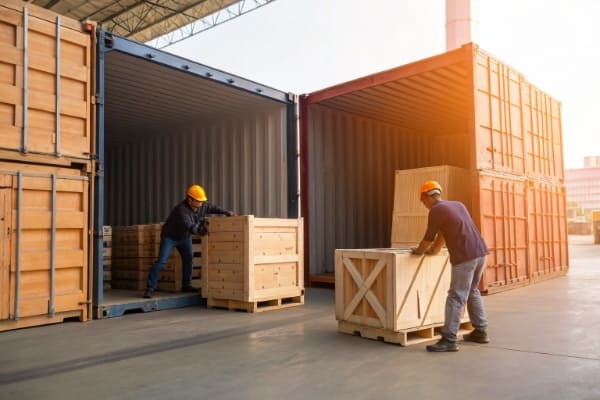
Importing products can be challenging, especially if you're not familiar with the process. If you’re looking to import goods from China to Canada, you might feel overwhelmed. But don't worry. I’m here to guide you through the essentials.
The best way to import products from China to Canada involves understanding the required documents, taxes, shipping methods, and ensuring compliance with regulations.
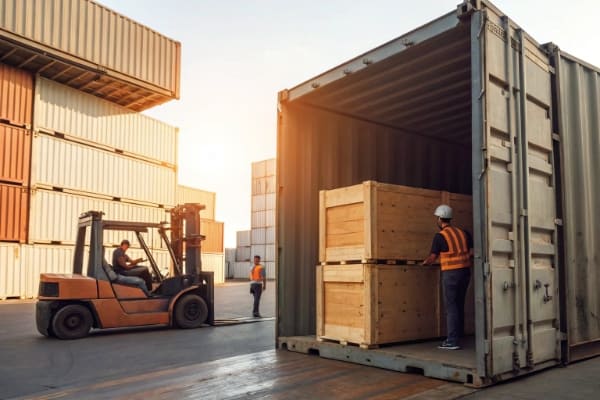
To effectively navigate the import process, you need to understand the steps involved. From getting the necessary paperwork in order to choosing the right shipping method, each stage plays a crucial role in a successful import experience.
What Documents Are Required to Import into Canada?
Getting the right documents is essential for importing products into Canada. You need to ensure you have everything required to avoid complications.
The key documents you will need include a Bill of Lading, a Commercial Invoice, and a Business Number (BN) from the Canada Revenue Agency.1

When you find reliable suppliers, platforms like Alibaba can help. Make sure to check ratings and reviews. It's also wise to request samples before making bulk purchases. This gives you a better idea of the quality.
Once you have your products ready, you’ll need to import them legally. Obtaining a Business Number (BN) is your first step.2 This number is required for all imports and ensures compliance with Canadian business regulations. Additionally, you should classify your products using Harmonized System (HS) codes3. This classification helps you understand the duties applicable to your goods.
Having a licensed customs broker4 is also critical. They can handle clearance and paperwork, making the process smoother.
What Taxes and Duties Will You Pay in Canada?
Understanding the financial aspects is just as important as knowing the paperwork required. Various taxes and duties may apply when importing products.
In Canada, you will pay Goods and Services Tax (GST) and possibly Provincial Sales Tax (PST). Duties depend on the HS code of your product.5

Calculating the total landed cost is essential. This includes the cost of the product, shipping, duties, and insurance. By knowing this upfront, you can avoid unexpected expenses later.
Hiring a licensed customs broker helps in this area too. They can provide detailed insights into the taxes and duties that apply to your specific products.
What Products Are Restricted or Prohibited in Canada?
Not all products can be legally imported into Canada. Some items are restricted or prohibited for various reasons.
Familiarizing yourself with the list of restricted or prohibited items6 is crucial to avoid fines or confiscation.

Common restricted items include certain food products, some kinds of medication, and hazardous materials7. Checking the Canadian government's resources can provide you with updated information on what items can and cannot be imported.
To ensure compliance, make sure your products meet Canadian labeling and safety standards8. This will save you time and headaches down the road.
Should You Use Air Freight, Sea Freight, or Express Shipping?
Shipping methods can significantly impact your import experience. You have several options, each with its pros and cons.
Air freight is fastest but often more expensive, while sea freight can save you costs when importing in bulk.9 Express shipping provides a middle ground.
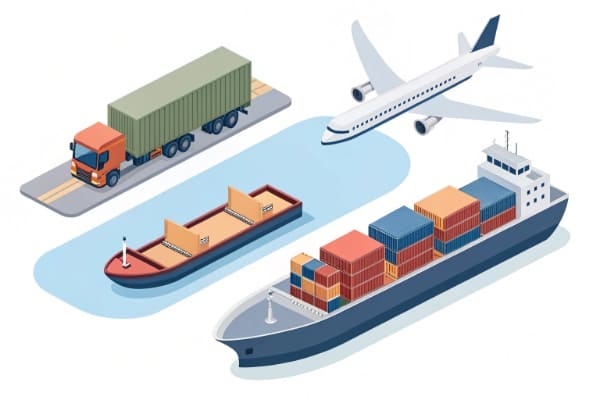
Choosing the right method depends on your specific needs. If timing is crucial, air freight might be your best bet. However, if you’re looking to cut down costs, sea freight is often the way to go.
Consider your inventory needs too. If you want to keep stock levels low, express shipping might be beneficial for quick restocking.
How Can You Avoid Shipping Delays and Hidden Fees?
Shipping delays and hidden fees can disrupt your business. It's essential to take steps to minimize these risks.
To avoid issues, maintain clear communication with your freight forwarder and get everything in writing.

Using secure payment methods like letters of credit can help minimize fraud risks. You can also consider using bonded warehouses10. This allows you to defer duties until your goods are sold, helping with cash flow.
Conducting third-party quality inspections before shipping can catch potential issues early. This way, you ensure the products meet your standards, avoiding returns and delays later.
How to Find a Trusted China Freight Forwarder for Canada?
Finding a reliable freight forwarder in China can be daunting. However, it's a crucial step in the importing process.
Look for freight forwarders with a good reputation. Read reviews, ask for recommendations, and verify their credentials.

Using platforms where you can view ratings can help. Additionally, a good forwarder will provide transparent pricing and clear timelines.
It's essential to build a relationship with your freight forwarder. Clear communication will help ensure your expectations are met.
Conclusion
Importing products from China to Canada requires careful planning and understanding of the process. By securing the right documents, being aware of taxes, and choosing an appropriate shipping method, you can simplify your experience.
"Canada - Import Requirements and Documentation", https://www.trade.gov/country-commercial-guides/canada-import-requirements-and-documentation. The Canada Border Services Agency’s importing guidance lists core commercial import documentation and importer account requirements, including accounting paperwork and an import/export business account, supporting the article’s document checklist. Evidence role: general_support; source type: government. Supports: The key documents for importing into Canada include transport documentation, a commercial invoice, and a CRA business number/import account.. Scope note: The exact documents required can vary by commodity, shipment mode, and whether other government departments regulate the goods. ↩
"Canada Non Resident Importer Program", https://www.trade.gov/canada-non-resident-importer-program. The Canada Border Services Agency and Canada Revenue Agency explain that commercial importers generally need a business number with an import-export program account before accounting for imported goods. Evidence role: general_support; source type: government. Supports: Obtaining a Business Number or import-export account is an early requirement for commercial importing into Canada.. Scope note: This applies to commercial importing; casual or personal imports may follow different procedures. ↩
"WCO nomenclature overview - World Customs Organization", https://www.wcoomd.org/en/topics/nomenclature/overview.aspx. The World Customs Organization describes the Harmonized System as an international goods nomenclature used to classify traded products, and CBSA applies tariff classification to determine duties under Canada’s Customs Tariff. Evidence role: definition; source type: institution. Supports: Importers classify products with HS codes to determine applicable Canadian customs duties.. Scope note: The source supports the classification mechanism; the actual duty rate depends on the product details, origin, and applicable tariff treatment. ↩
"Permitted Customs Brokers Listing", https://www.cbp.gov/about/contact/brokers-listing. CBSA states that licensed customs brokers may transact business with the agency on behalf of importers, including submitting accounting and release information for imported goods. Evidence role: definition; source type: government. Supports: A licensed customs broker can assist with import clearance and customs paperwork in Canada.. Scope note: The source supports what licensed brokers are authorized to do, not that hiring one is always necessary or economically optimal. ↩
"Importing commercial goods into Canada - 2. Classifying your goods", https://www.cbsa-asfc.gc.ca/import/guide-2-eng.html. CBSA guidance on importing commercial goods explains that imported goods may be subject to customs duty and GST, with duty rates determined through tariff classification; provincial sales tax treatment varies by province and transaction context. Evidence role: general_support; source type: government. Supports: Canadian import costs can include GST and customs duties, while provincial tax implications may also apply depending on the province.. Scope note: The statement’s PST component is jurisdiction-dependent and may not be assessed in the same way as federal import GST at the border. ↩
"Restricted and prohibited goods", https://www.cbsa-asfc.gc.ca/travel-voyage/rpg-mrp-eng.html. CBSA’s prohibited and restricted goods guidance explains that some goods cannot be imported into Canada or require permits, certificates, or inspections before release. Evidence role: general_support; source type: government. Supports: Some products are restricted or prohibited from import into Canada, and importers must check rules before shipping.. Scope note: The source supports the existence of restrictions but readers must check commodity-specific rules and current departmental requirements. ↩
"[PDF] Canada Food and Agricultural Import Regulations and Standards ...", https://apps.fas.usda.gov/newgainapi/api/report/downloadreportbyfilename?filename=Food%20and%20Agricultural%20Import%20Regulations%20and%20Standards%20Report_Ottawa_Canada_3-7-2019.pdf. Canadian government import guidance from agencies such as CFIA, Health Canada, and CBSA identifies food, drugs or health products, and hazardous materials as categories subject to import controls or special requirements. Evidence role: case_reference; source type: government. Supports: Food products, medications, and hazardous materials are common categories that may face Canadian import restrictions.. Scope note: The examples are broad categories; admissibility depends on the exact product, intended use, composition, and required permits or inspections. ↩
"Canada - Labeling/Marking Requirements", https://www.trade.gov/country-commercial-guides/canada-labelingmarking-requirements. Canadian federal guidance on consumer product safety, food labelling, and marketplace labelling shows that imported goods may need to comply with Canadian safety and labelling statutes before sale. Evidence role: general_support; source type: government. Supports: Imported products should meet applicable Canadian labelling and safety standards before being sold in Canada.. Scope note: The applicable standard depends heavily on product category, such as food, cosmetics, electronics, textiles, or children’s products. ↩
"International transport costs: Why and how to measure them?", https://blogs.worldbank.org/en/transport/international-transport-costs-why-and-how-measure-them. International trade and logistics references commonly distinguish air freight as faster and higher-cost, while maritime transport carries large volumes at lower unit cost, supporting the article’s comparison of shipping modes. Evidence role: expert_consensus; source type: institution. Supports: Air freight is generally faster but more expensive than ocean freight, while sea freight is often more economical for bulk shipments.. Scope note: The source would provide general logistics context rather than a guaranteed cost or transit-time comparison for a specific China–Canada shipment. ↩
"Trade incentives programs - Customs bonded warehouses", https://www.cbsa-asfc.gc.ca/import/ddr-red/warehouse-entrepot-eng.html. CBSA’s bonded warehouse and duty deferral program guidance explains that eligible goods may be stored in a licensed facility with duties and taxes deferred until the goods enter the Canadian market. Evidence role: mechanism; source type: government. Supports: Bonded warehouses can allow importers to defer duties and taxes until goods are released for sale or domestic use.. Scope note: Deferral is subject to program eligibility, licensing, recordkeeping, and time limits; it does not eliminate duties or taxes. ↩