

Air freight shipping is a complex process that can seem overwhelming at first glance. But understanding it can help you navigate the logistics smoothly.
The air freight shipping process involves several key steps from booking to delivery1. Knowing these steps can help ensure your shipment arrives on time and in good condition.
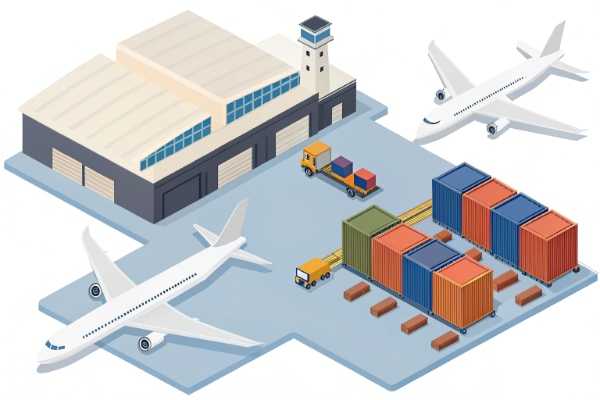
The journey begins with booking a shipment. You secure cargo space on either a passenger or freighter aircraft. This depends on your shipment details and urgency. Early booking is crucial, as flights can fill up quickly.
What Is the Air Freight Shipping Process?
The air freight shipping process is systematic. It includes several stages, from booking to delivery. Each phase plays a role in the overall efficiency of transporting goods via air.
The air freight shipping process typically includes booking, preparing goods, customs clearance, loading, transport, and final delivery. Understanding these steps helps ensure a smooth shipping experience.
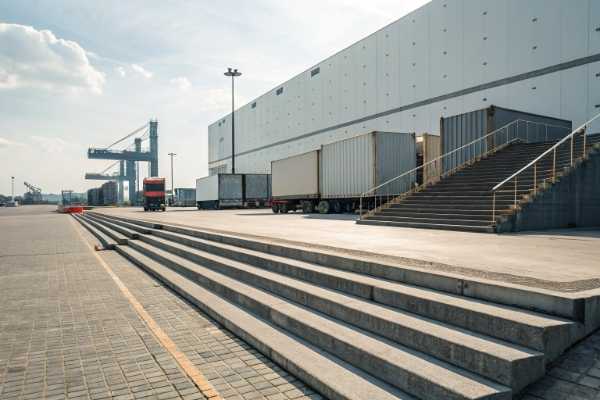
First, you book your shipment with a freight forwarder or an airline. This allows you to secure a space for your cargo. You then prepare your goods for shipment. This includes packaging, labeling, and ensuring all necessary documents are in order.
Next, customs clearance is handled. This step is vital for legal transport across borders. Once cleared, goods are loaded onto the aircraft and transported to the destination airport. Finally, after arrival, customs clearance occurs again before delivery to the final destination.
How Do You Prepare Goods Before Air Freight Shipping?
Preparing your goods for air freight is critical to ensure a successful shipment. Proper preparation minimizes delays and issues during transit.
To prepare goods for air freight, you must package, label, and document them according to airline and IATA regulations2. This preparation is essential for smooth cargo acceptance and transportation.
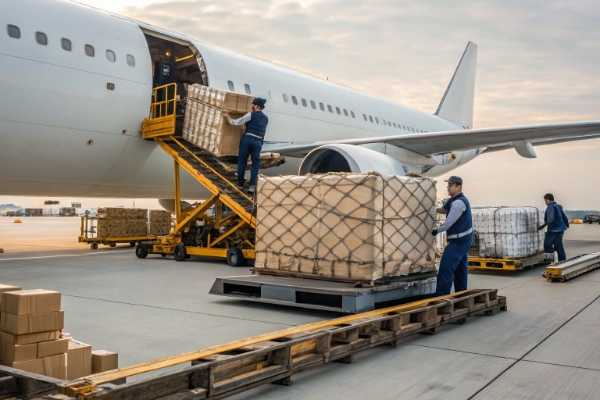
First, packaging must be robust and secure. Use materials that can protect your products during transit. Additionally, ensure that all items are appropriately labeled. This includes any required handling instructions and destination information.
Next, you need to prepare important documents. An Air Waybill (AWB) is necessary3. This document acts as a contract between you and the carrier. You must also have a commercial invoice, packing list, and any required certificates ready. These documents are essential for customs clearance.
How Are Goods Collected and Transported to the Airport?
Once goods are prepared, the next step is collection and transportation to the airport. This involves logistics that can vary based on location and urgency.
Goods are typically collected by a freight forwarder or carrier and transported to the airport. This step ensures that cargo reaches the airport on time for the scheduled flight.
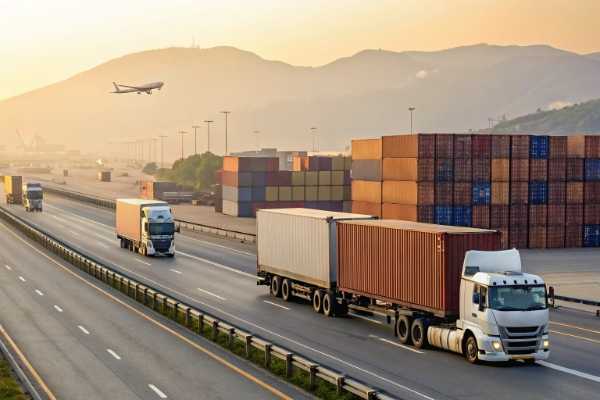
A freight forwarder usually manages the collection process. They arrange for transport to the airport, considering factors such as timing and cost. Trucks or other vehicles equipped for cargo transport are often used.
Upon arrival at the airport, your goods undergo security screening. This is a crucial step to ensure safety and compliance with regulations. After screening, your cargo is consolidated into Unit Load Devices (ULDs) or pallets for efficient loading onto the aircraft.
What Happens During Export Customs Clearance?
Export customs clearance is a key aspect of air freight shipping. It involves verifying documents and ensuring compliance with regulations.
During export customs clearance, your shipment's documents are reviewed, and any taxes or duties are assessed. This process is essential to legally clear your goods for transport.
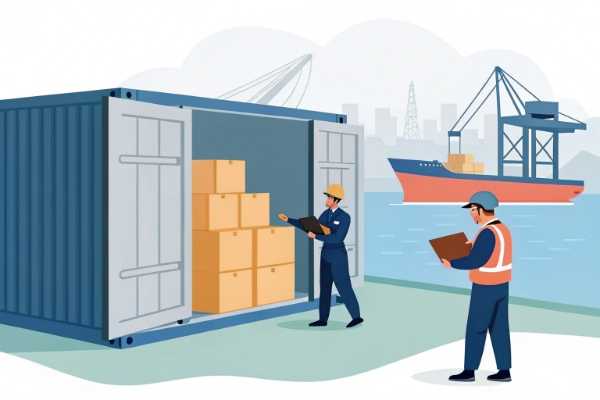
Customs authorities will verify all provided documents, including the AWB and commercial invoice. They check that all necessary information is present and accurate. If everything is in order, they will grant clearance for your goods to proceed.
Any applicable duties or taxes must be paid at this stage. Once cleared, your goods move on to the next phase of air freight shipping: loading onto the aircraft.
How Are Goods Loaded and Transported by Air?
Loading and transporting goods by air involves careful coordination and handling to ensure safety and efficiency.
Goods are loaded onto the aircraft after being screened and consolidated into ULDs or pallets. Proper loading techniques are crucial to prevent damage during flight.
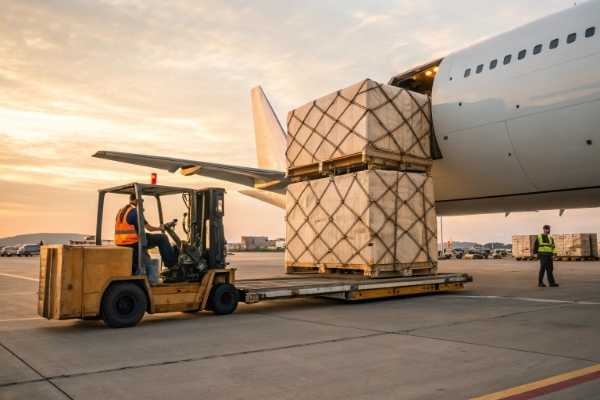
At the airport, ground handling teams take over. They ensure that cargo is loaded according to weight limits and balance requirements4. Each ULD or pallet is secured properly to prevent shifting during flight.
Once loaded, the aircraft takes off, transporting your goods to the destination airport. Throughout the flight, cargo remains protected under strict airline protocols.
What Happens When the Shipment Arrives at the Destination Airport?
Upon arrival at the destination airport, your goods undergo another series of checks before moving to their final destination.
When a shipment arrives, it is offloaded and undergoes customs clearance. This step is necessary for legal entry into the country.

First, cargo is carefully offloaded from the aircraft. Ground staff inspect the shipment to ensure everything is intact. After offloading, customs clearance begins. This involves a review of documents, similar to export clearance. Customs authorities verify that all paperwork is accurate and complete.
Once customs clearance is granted, your goods are ready for delivery to the consignee's address.
How Does Import Customs Clearance Work for Air Freight?
Import customs clearance plays a vital role in ensuring goods comply with local laws and regulations.
During import customs clearance, authorities review documents and assess any duties or tariffs that must be paid before releasing the cargo. This process is essential for legal transport within the country.

The customs process at the destination airport is similar to the export process. Your freight forwarder or customs broker typically manages this step. They ensure that all necessary documentation is prepared and submitted.
Once customs verifies the information and any applicable duties are paid, your goods are cleared for release. This allows for the final step: delivery.
How Are Goods Delivered to the Final Destination?
Delivery is the last step in the air freight shipping process. This stage ensures that your goods reach their final destination in a timely manner.
After clearing customs, goods are arranged for delivery to the consignee's address. This often includes tracking services to keep you informed.

Freight forwarders or carriers typically handle the delivery process. They arrange transport from the airport to the recipient’s location. Many offer tracking services, allowing you to monitor your shipment in real-time.
The final delivery may involve additional documentation. Receipts or proofs of delivery are often required. This ensures a smooth transfer of ownership and completes the shipping process.
What Common Problems Can Occur During Air Freight Shipping?
While air freight is often fast and reliable, issues can still arise. Understanding these common problems can help you prepare and react accordingly.
Common problems during air freight shipping include shipment delays, customs issues, and damage to goods. Being aware of these challenges can help mitigate risks.
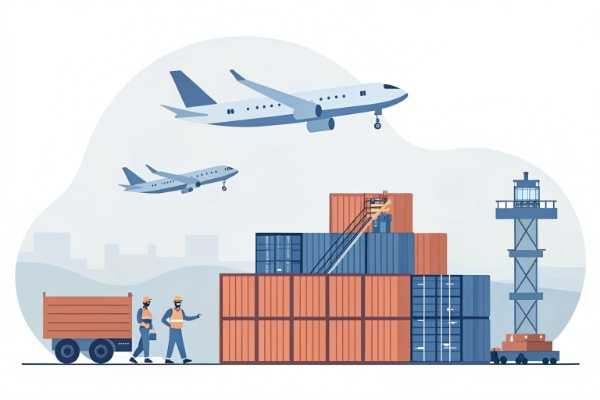
Delays can occur for various reasons. Weather disruptions, technical issues, and customs holds can all impact shipment timelines. Additionally, customs clearance can sometimes lead to complications if documentation is incomplete.
Cargo damage is another potential issue. Proper packaging is crucial to protect goods during transit. If items are not adequately secured, they may get damaged while being loaded, unloaded, or transported.
By preparing comprehensively and understanding these possible challenges, you can navigate the air freight process more effectively.
Conclusion
Understanding the air freight shipping process step by step can streamline your logistics and ensure successful deliveries.
"Air Freight: A Market Study with Implications for Landlocked Countries", https://www.worldbank.org/en/topic/transport/publication/air-freight-study. An air-cargo process reference or training source describes air freight as a sequence of operational and documentation stages, including booking, acceptance, customs handling, transport, and delivery. Evidence role: general_support; source type: institution. Supports: The air freight shipping process involves several key steps from booking to delivery.. Scope note: Process terminology and step order can vary by carrier, forwarder, and jurisdiction. ↩
"What to Know About Air Cargo Handling", https://www.iata.org/en/publications/newsletters/iata-knowledge-hub/what-to-know-about-air-cargo-handling/. IATA publishes air-cargo and dangerous-goods standards used by airlines for cargo acceptance, packaging, marking, labeling, and documentation requirements. Evidence role: expert_consensus; source type: institution. Supports: Goods prepared for air freight must meet airline and IATA requirements for packaging, labeling, and documentation.. Scope note: IATA standards are widely used in international air transport, but local laws and individual carrier rules may impose additional requirements. ↩
"Waybills: The Modern Contract of Carriage of Goods by Sea", https://docs.rwu.edu/cgi/viewcontent.cgi?article=2278&context=law_ma_jmlc. Standard air-cargo references define the air waybill as the principal transport document for air freight and as evidence of the contract of carriage between shipper and carrier. Evidence role: definition; source type: institution. Supports: An Air Waybill is a necessary core document in air freight shipping.. Scope note: Specific documentation requirements can differ for domestic shipments, electronic air waybills, and particular regulatory regimes. ↩
"[PDF] Aircraft Weight and Balance Handbook - FAA", https://www.faa.gov/sites/faa.gov/files/2023-09/Weight_Balance_Handbook.pdf. Aircraft loading references state that cargo loading must account for weight limits and center-of-gravity or balance constraints to maintain aircraft safety and performance. Evidence role: mechanism; source type: government. Supports: Ground handling teams load cargo according to aircraft weight limits and balance requirements.. Scope note: The source would support the general safety principle, not the loading plan for any specific aircraft or shipment. ↩