
Importing goods from China to Germany can seem overwhelming. But what are the actual costs involved? Understanding each cost can save you headaches and money.
When importing from China, various costs like shipping, duties, and taxes can add up. Knowing these costs helps you budget better.
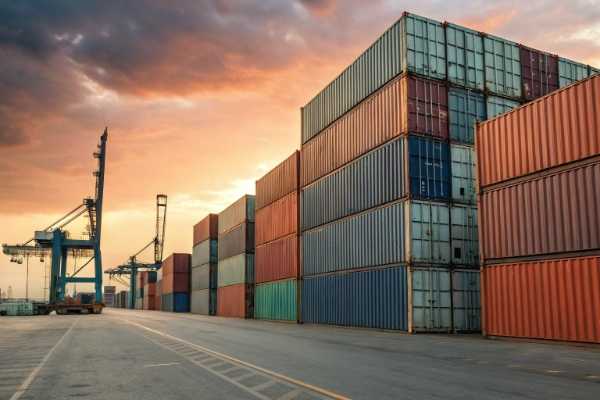
To import successfully, you need to know the total landed cost1. This includes shipping, customs duties, taxes, and any additional fees. If you're not careful, these costs can spiral, making it hard to maintain profit margins.
What Costs Should You Budget for When Importing?
Importing involves several costs that you should plan for. The primary costs include shipping (either sea or air), import duties, VAT, and additional charges. Each of these elements contributes to your total landed cost.
The main costs to consider include shipping fees, import duties, VAT, and miscellaneous charges. A clear understanding of these costs will assist in making informed decisions.

Managing these costs requires careful planning. To get a handle on these costs, break them down. Know the shipping options that fit your budget. Understand how duties and taxes are calculated. This will help you avoid surprises during the import process.
How Much Does Sea Freight from China to Germany Cost?
Sea freight is often the most cost-effective option2 for shipping goods from China to Germany. The cost generally depends on the size of your shipment. A Full Container Load (FCL) can run several thousand euros3.
Shipping a full container via sea freight is often cheaper than other methods, making it the best choice for large shipments.
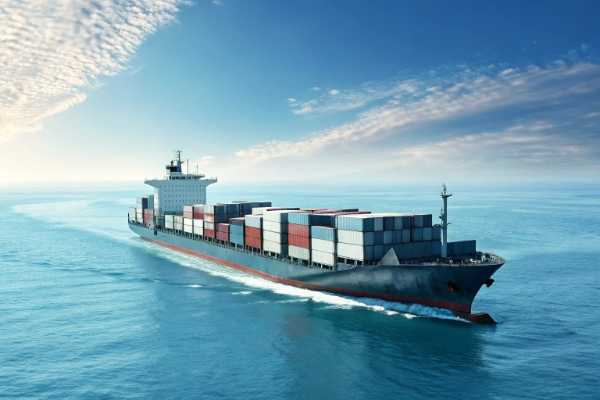
For smaller shipments, Less than Container Load (LCL) options are available. However, LCL costs can add up quickly since you are charged per cubic meter (cbm)4. Additionally, handling fees and longer transit times often come with LCL shipping. So, if you have the volume, FCL is usually the way to go.
How Much Does Air Freight Cost?
Air freight is significantly more expensive than sea freight5. Costs are charged per kilogram, and this can quickly add up for larger shipments. Depending on the weight and dimensions, air freight can be a higher-cost alternative.
While air freight is faster, it is typically much more expensive than sea shipping.
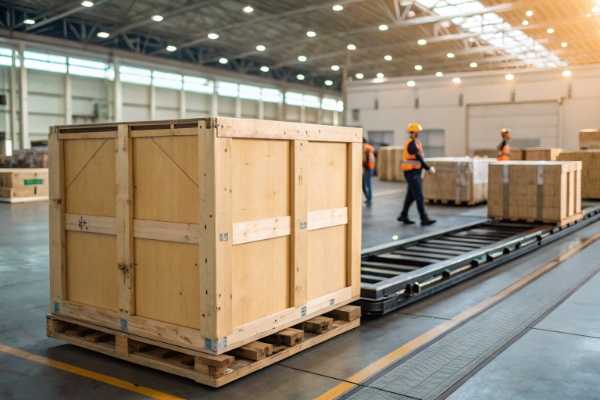
For time-sensitive goods, air freight may be necessary despite the costs. If you need rapid delivery, weigh the benefits against the higher costs. Consider using air freight only for high-value or urgent items if your budget allows.
What Import Duties and VAT Will You Pay?
Import duties in Germany are calculated using the product’s TARIC (HS) code6. The duties are applied to the customs value of the goods. German import VAT is typically 19%, with a reduced rate of 7%7 for certain products.
Understanding duties and VAT is essential, as both are calculated on the customs value plus transport and insurance costs.

The customs value includes the price paid for the goods, plus any transportation and insurance costs up to the EU port of entry8. This means you need to factor in all associated costs when calculating duties and VAT.
What Additional Charges Should You Expect?
In addition to the main costs, there are several additional charges to consider. These may include customs clearance fees, port/terminal charges, and brokerage fees9. Fuel or security surcharges may also be applicable.
Additional fees can significantly impact your total landed cost, so it’s vital to budget for them upfront.
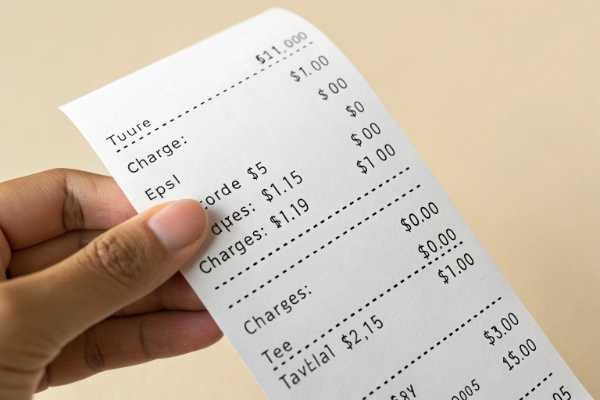
Being aware of these additional costs helps you to better prepare. It’s wise to account for potential charges when planning your budget. This can help to avoid unexpected expenses that might hit your bottom line.
Real Cost Example: Importing Goods Worth €20,000
Let’s break down a real-world example. If you are importing goods worth €20,000, you need to consider several factors. Let’s say you choose sea freight at a cost of €2,000. Then, your import duties and VAT might be around €5,000.
For a shipment valued at €20,000, you could be looking at a total landed cost of around €27,00010 when factoring in all costs, including shipping and taxes.

This example shows how costs can add up quickly. Always calculate potential duties and VAT to get a clearer picture of your total expenses.
How Can You Reduce Your Total Landed Cost?
To lower your total landed cost, consider using DDP (Delivered Duty Paid11) shipping. This option shifts VAT, duties, and customs clearance responsibility to the seller or forwarder. While this increases the seller's quoted price, it simplifies compliance for you.
Using DDP can help streamline the import process and potentially save you money in the long run.
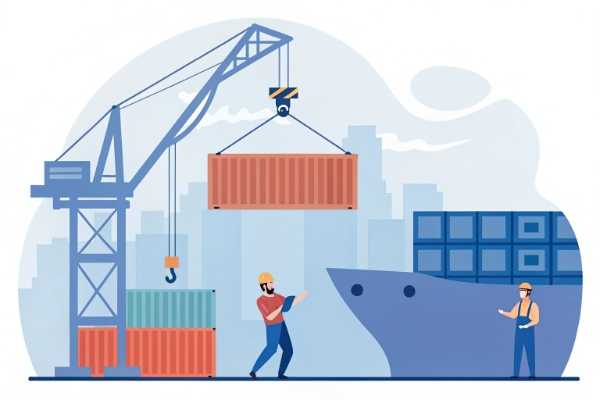
Additionally, focus on accurate product classification to prevent delays and unexpected costs. Pre-classification and complete commercial invoices can significantly reduce risks. Also, explore rail freight as a mid-cost option for time-sensitive cargo.
FAQs About Import Costs in Germany
What is the average import duty rate for goods from China?
- Duty rates vary by product and are determined by the TARIC code.
Do I have to pay VAT on all imported goods?
- Yes, most imported goods incur VAT unless exceptions apply.
What is the cheapest shipping method?
- Sea freight is generally the most cost-effective option for large shipments.
How can I avoid unexpected customs fees?
- Ensure your documentation is correct and complete to avoid penalties.
Is air freight always more expensive?
- Yes, air freight is usually more expensive than sea freight, particularly for larger shipments.
In conclusion, understanding the costs of importing from China to Germany is crucial for successful business operations. By budgeting wisely, you can navigate this process smoothly.
"Determine Total Export Price - International Trade Administration", https://www.trade.gov/determine-total-export-price. A logistics or trade source defining landed cost can support that it aggregates the purchase price with freight, insurance, duties, taxes, and other import-related charges; this supports the budgeting framework but not the specific cost levels in this article. Evidence role: definition; source type: institution. Supports: Total landed cost includes shipping, customs duties, taxes, and additional import-related fees.. Scope note: Supports the concept of landed cost, not any particular China–Germany shipment price. ↩
"Mode Choice in Freight Transport", https://www.oecd.org/content/dam/oecd/en/publications/reports/2022/02/mode-choice-in-freight-transport_667ea2c1/3e69ebc4-en.pdf. International transport references commonly describe maritime freight as the dominant and lower-cost mode for large-volume international cargo; this supports the general comparison, though rates vary with route, season, container availability, and fuel prices. Evidence role: expert_consensus; source type: institution. Supports: Sea freight is often the most cost-effective option for shipping goods from China to Germany, especially for larger shipments.. Scope note: General modal-cost comparison only; it does not prove current China–Germany sea freight rates. ↩
"Service Expertise - World Container Index - 02 Jul - Drewry", https://www.drewry.co.uk/supply-chain-advisors/supply-chain-expertise/world-container-index-assessed-by-drewry. Container freight rate indices or market reports can document that spot rates for China–Europe container moves have commonly reached several thousand euros or dollars per container; such evidence is market-contextual because rates change frequently and depend on port pair, container size, and surcharges. Evidence role: statistic; source type: research. Supports: A Full Container Load from China to Germany can cost several thousand euros.. Scope note: Rate-index data would provide a benchmark rather than a guaranteed quote for a specific shipment. ↩
"Calculate LCL Shipping: Cubic Meter (CBM) Guide", https://oceanfreightusa.com/Cubic-Meter-in-Sea-freight.aspx. Freight-forwarding and shipping documentation standards describe LCL ocean freight as being priced by weight or measurement, commonly using cubic meters for volume; this supports the pricing mechanism but not the final invoice amount. Evidence role: mechanism; source type: institution. Supports: Less than Container Load shipping is commonly charged by cubic meter or chargeable volume.. Scope note: The source would explain LCL chargeable volume rules, not individual carrier fees. ↩
"Freight transport - OECD", https://www.oecd.org/en/data/indicators/freight-transport.html. Transport economics references generally identify air cargo as faster but substantially more expensive per unit than maritime shipping; this supports the modal comparison, while exact price differences depend on commodity, route, capacity, and urgency. Evidence role: expert_consensus; source type: institution. Supports: Air freight is usually much more expensive than sea freight.. Scope note: Does not establish a fixed multiplier for China–Germany shipments. ↩
"Germany - Import Tariffs - International Trade Administration", https://www.trade.gov/country-commercial-guides/germany-import-tariffs. European Commission customs guidance states that EU customs duties are determined through tariff classification in the Combined Nomenclature/TARIC system, which is based on the Harmonized System; this directly supports the role of TARIC/HS codes in duty calculation. Evidence role: definition; source type: government. Supports: Import duties in Germany are calculated using the product’s TARIC or HS-based classification code.. ↩
"Germany - VAT | Privacy Shield", https://www.privacyshield.gov/ps/article?id=Germany-VAT. German tax authority or European Commission VAT materials identify Germany’s standard VAT rate as 19% and a reduced rate of 7% for specified supplies; this supports the stated VAT rates but not whether a particular imported product qualifies for the reduced rate. Evidence role: statistic; source type: government. Supports: German import VAT is generally 19%, with a reduced 7% rate for certain products.. Scope note: Product eligibility for the reduced rate must be checked separately. ↩
"Duty - Cost Insurance and Freight (CIF) - help.CBP.gov", https://www.help.cbp.gov/s/article/Article1126. EU customs valuation guidance explains that the customs value is normally based on the transaction value with adjustments that include transport and insurance costs up to the place of introduction into the EU customs territory; this supports the valuation rule, subject to exceptions for non-standard transactions. Evidence role: mechanism; source type: government. Supports: The customs value for imports into the EU includes the goods price plus transport and insurance costs up to the EU entry point.. Scope note: Special valuation rules may apply where transaction value is not acceptable or related-party pricing is involved. ↩
"Internet Purchases - U.S. Customs and Border Protection", https://www.cbp.gov/trade/basic-import-export/internet-purchases. Port, customs, or logistics guidance commonly lists clearance, terminal handling, and broker-related charges as ancillary costs in international container imports; this supports the existence of these cost categories but not their amount for a specific German port or broker. Evidence role: general_support; source type: institution. Supports: Importers may face additional charges such as customs clearance fees, terminal or port charges, and brokerage fees.. Scope note: Fee names and amounts vary by port, forwarder, terminal, and service contract. ↩
"How to Calculate Duties & Taxes on Imports to Germany - Traddal", https://traddal.com/resources/calculate-duties-taxes-imports-germany. Official EU customs and German VAT rules can substantiate the calculation method behind an illustrative landed-cost estimate by showing that duty and import VAT are applied to customs value and related import costs; this supports the arithmetic framework, not the exact €27,000 outcome without a specified commodity code and duty rate. Evidence role: mechanism; source type: government. Supports: A €20,000 shipment can reach an estimated landed cost around €27,000 after freight, duty, VAT, and other charges are added.. Scope note: The exact total depends on TARIC classification, duty rate, freight terms, insurance, and additional service fees. ↩
"Know Your Incoterms - International Trade Administration", https://www.trade.gov/know-your-incoterms. The ICC Incoterms definition of Delivered Duty Paid states that the seller bears responsibility for delivering goods cleared for import and paying duties and taxes where applicable; this supports the allocation of obligations under DDP, not whether DDP is cheaper in a particular transaction. Evidence role: definition; source type: institution. Supports: Under DDP, responsibility for import clearance, duties, and taxes is shifted to the seller under the agreed delivery term.. Scope note: Incoterms allocate responsibilities and risks; they do not determine the seller’s commercial markup or total economic cost. ↩