
Importing goods can be a daunting task, especially when you want to understand all the costs involved. I know how overwhelming it can be to calculate the total cost of importing from China to Australia.
The total cost of importing goods includes various fees, such as freight, duties, and taxes that can add up quickly.
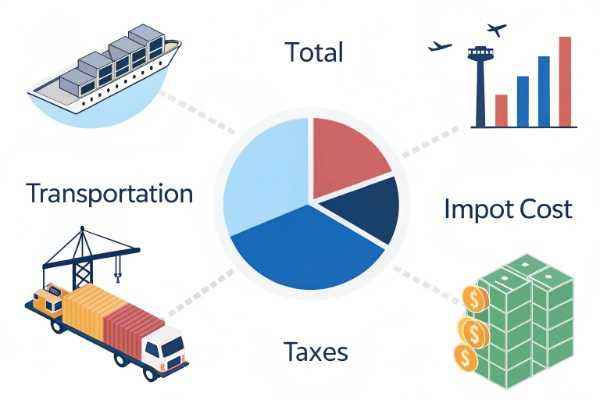
When considering all the expenses involved in importing from China to Australia, it’s crucial to understand the breakdown of costs. These costs can vary based on shipment size, method, and other factors. Often, the total landed cost can be 35% to 55% higher than the Free on Board (FOB) price1.
LOOP START
What Is the Total Cost of Importing from China to Australia?
Importing from China to Australia usually involves more than just the product cost. I’ve learned that the total cost includes several key components. First, there is the cost of the goods themselves. Then, you have to factor in freight costs, whether by air or sea.
The total landed cost typically includes inland freight in China, ocean or air freight, insurance, customs clearance, GST, possible duties, and delivery in Australia.2
To give you an idea, for many products, the total landed cost can add up significantly. For instance, if you have a shipment of goods worth AUD 20,000, the total cost can quickly escalate when you factor in all these elements. In 2026, this could mean spending an additional 35% to 55% on top of your original product cost.
LOOP END
How Much Is Sea Freight from China to Australia?
When it comes to sea freight, I find that it’s one of the most economical ways to import goods. In 2026, a 20ft sea freight container from China to Australia is often quoted around USD 1,200 to USD 1,800 for the ocean leg alone3.
LCL sea freight, which is less than container load, is priced per cubic meter.4 Rates for 2026 generally start around AUD 150 to 300 per CBM or USD 40 to 150 per CBM based on the service level.5
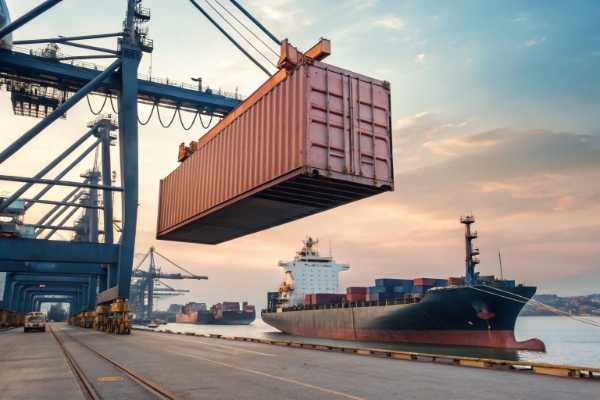
The pricing can fluctuate depending on the shipping line and the specific route taken. Therefore, it's always a good idea to shop around and get quotes from various freight forwarders.
How Much Does Air Freight Cost?
Air freight is notably more expensive than sea freight6, which is something I’ve come to understand in my experience. In 2026, the costs typically range from USD 3.8 to USD 8.0 per kilogram7. During peak seasons, these rates can surge even higher.
For businesses needing quick delivery, air freight is often the preferred choice despite the higher cost.8
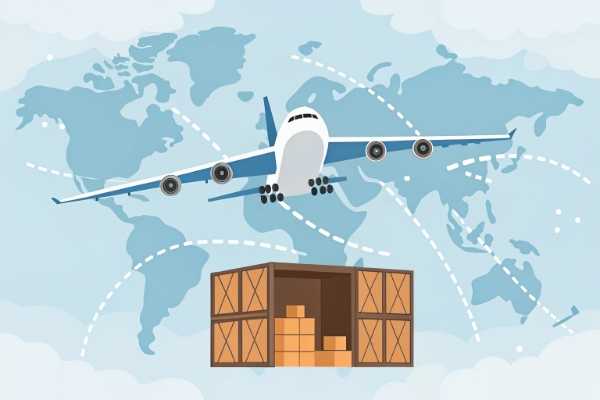
Air express services are usually better suited for smaller shipments, while those needing to ship above 2 CBM often find sea LCL to be more cost-effective.
What Import Duty Will You Pay?
One of the advantages of importing from China is that many manufactured goods fall under the China-Australia Free Trade Agreement (ChAFTA)9. For most products, the import duty into Australia is often 0%.10
However, it’s important to note that the 10% Goods and Services Tax (GST) still applies regardless of duty rates.11
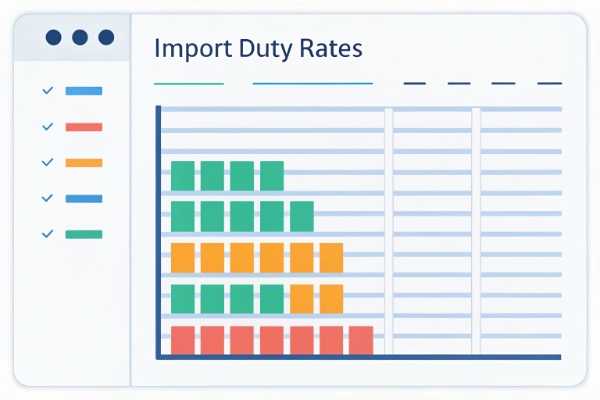
This means that while you may avoid high duties, the GST will still be a significant cost to factor into your total landed cost.
How Is GST Calculated on Imported Goods?
GST is calculated on the total value of the imported goods, including the cost, freight, and insurance.12
For example, if your shipment is valued at AUD 20,000, and the total freight and insurance come to AUD 3,000, then the GST would be calculated on AUD 23,000.

This can add a substantial amount to your total cost, so I always recommend budgeting for it ahead of time.
What Other Fees Should Importers Expect?
Aside from the main costs, there are additional fees that importers should be aware of. For instance, formal import declarations can trigger an Import Processing Charge, which is a fixed cost beyond freight, duty, and GST.
There are also potential costs involved with customs clearance, handling fees, and any fines for non-compliance.
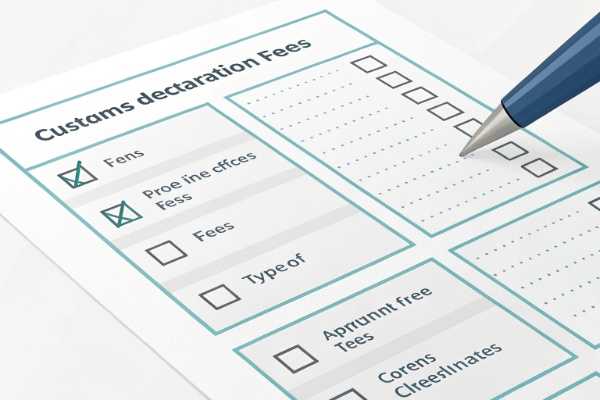
These fees can vary, so being informed is crucial to avoid surprises.
Real Cost Example: Importing Goods Worth AUD 20,000
Let’s consider a practical example. If you import goods worth AUD 20,000, the breakdown might look something like this:
| Cost Item | Estimated Cost (AUD) |
|---|---|
| FOB Cost | 20,000 |
| Sea Freight (20ft container) | 1,500 |
| Import Duty (0%) | 0 |
| GST (10% on total) | 2,350 |
| Import Processing Charge | 300 |
| Other Fees | 500 |
| Total Landed Cost | 24,650 |
In this scenario, the total landed cost would be approximately AUD 24,650. This example clearly shows how costs can accumulate quickly.
How Can You Reduce Import Costs Legally?
There are several strategies to legally reduce your import costs. First, always research and compare freight rates from multiple providers.
Consider consolidating orders to reach better pricing and use sea freight for larger volumes. Additionally, understanding and utilizing trade agreements can lead to significant savings.
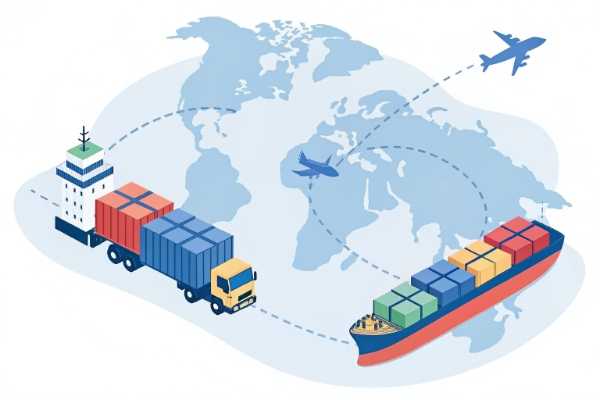
Another effective strategy is to ensure that you’re well-prepared for customs clearance to avoid delays and additional fees. Staying organized and informed can make a big difference in overall costs.
Conclusion
Understanding the costs involved in importing from China to Australia will help you plan effectively and manage your budget.
"Import Tariffs & Fees Overview and Resources", https://www.trade.gov/import-tariffs-fees-overview-and-resources. Landed-cost guidance from customs or trade institutions identifies freight, insurance, duties, taxes, and domestic delivery charges as additions to the FOB value; this supports the cost categories behind the uplift but does not independently verify the 35%–55% range for all China–Australia shipments. Evidence role: general_support; source type: institution. Supports: The total landed cost can be 35% to 55% higher than the FOB price.. Scope note: Contextual support only; the specific percentage range is shipment- and period-dependent. ↩
"Import Tariffs & Fees Overview and Resources", https://www.trade.gov/import-tariffs-fees-overview-and-resources. Customs and international trade guidance defines landed cost as the sum of the purchase value and import-related expenses such as transport, insurance, duties, taxes, and clearance charges; this supports the listed categories, although exact components vary by Incoterm and shipment arrangement. Evidence role: definition; source type: government. Supports: The total landed cost typically includes inland freight, international freight, insurance, customs clearance, GST, duties, and delivery.. Scope note: Components vary depending on Incoterms, carrier terms, and local service arrangements. ↩
"Container Shipping Cost & Rates Calculator [2026] - Freightos", https://www.freightos.com/freight-resources/container-shipping-cost-calculator-free-tool/. Container freight-rate datasets and maritime transport reports document that ocean freight prices are route- and time-specific and commonly quoted separately from destination charges; such evidence can contextualize this ocean-leg estimate but may not verify the exact 2026 China–Australia price band. Evidence role: statistic; source type: institution. Supports: A 20ft sea freight container from China to Australia is often quoted around USD 1,200 to USD 1,800 for the ocean leg alone.. Scope note: Freight rates change frequently, and neutral public datasets may not provide the exact forward-looking 2026 lane estimate. ↩
"[PDF] FREIGHT MODE CHOICE: AIR TRANSPORT VERSUS OCEAN ...", https://dspace.mit.edu/bitstreams/c4b375bb-249e-4c88-963e-0fdd8ebffd54/download. Freight-forwarding and logistics education materials describe less-than-container-load shipments as consolidated cargo commonly charged by volume or weight, supporting the statement that LCL pricing is typically volume-based. Evidence role: definition; source type: education. Supports: LCL sea freight is less than container load and is commonly priced per cubic metre.. Scope note: Actual billing may use weight-or-measure rules rather than cubic metres alone. ↩
"Sea Freight From China: 2026 Rates, Transit Time,Get a Quote", https://ddpchain.com/sea-freight-from-china/. Public freight-rate references or logistics market reports can show that LCL charges vary by route, service level, and chargeable volume; this would provide context for the quoted range but may not directly substantiate the stated 2026 starting rates. Evidence role: statistic; source type: other. Supports: LCL rates for 2026 generally start around AUD 150 to 300 per CBM or USD 40 to 150 per CBM depending on service level.. Scope note: The exact range is market-dependent and may require dated commercial rate sheets rather than neutral institutional sources. ↩
"Air Freight: A Market Study with Implications for Landlocked Countries", https://www.worldbank.org/en/topic/transport/publication/air-freight-study. International transport economics sources explain that air cargo offers faster transit at substantially higher unit transport costs than maritime shipping; this supports the cost comparison at a general level rather than a specific China–Australia quote. Evidence role: expert_consensus; source type: institution. Supports: Air freight is generally more expensive than sea freight.. Scope note: General transport-mode comparison; actual cost ratios depend on commodity, route, season, and shipment size. ↩
"Shipping from China to Australia [Updated June 2026 ] | Freightos", https://www.freightos.com/shipping-routes/shipping-from-china-to-australia/. Air-cargo market data or transport price indexes can document that international air freight is quoted by kilogram and varies with route, season, and capacity; this can contextualize the quoted range, although it may not confirm the exact 2026 China–Australia rate. Evidence role: statistic; source type: institution. Supports: Air freight costs typically range from USD 3.8 to USD 8.0 per kilogram in 2026.. Scope note: Air freight rates are volatile and route-specific, and public neutral sources may lag real-time market prices. ↩
"Air Freight: A Market Study with Implications for Landlocked Countries", https://www.worldbank.org/en/topic/transport/publication/air-freight-study. Transport and logistics references describe air cargo as a faster mode than ocean shipping and note its use for time-sensitive goods; this supports the speed-based rationale but does not prove that it is preferred by every business. Evidence role: mechanism; source type: institution. Supports: Businesses needing quick delivery often choose air freight despite its higher cost.. Scope note: Preference depends on product value, urgency, budget, and supply-chain constraints. ↩
"[PDF] China-Australia Free Trade Agreement - AgEcon Search", https://ageconsearch.umn.edu/record/285077/files/146%20-%20China-Australia%20Free%20Trade%20Agreement.pdf. Australian Government materials on the China–Australia Free Trade Agreement state that the agreement reduces or eliminates tariffs on qualifying goods traded between China and Australia, supporting the claim that many manufactured imports may receive preferential treatment. Evidence role: historical_context; source type: government. Supports: Many manufactured goods imported from China may fall under ChAFTA preferences.. Scope note: Preferential treatment depends on tariff classification and rules-of-origin compliance. ↩
"[PDF] China-Australia Free Trade Agreement - AgEcon Search", https://ageconsearch.umn.edu/record/285077/files/146%20-%20China-Australia%20Free%20Trade%20Agreement.pdf. Official ChAFTA tariff schedules and Australian customs guidance indicate that many qualifying Chinese-origin goods enter Australia at preferential duty rates, including zero rates; this supports the possibility of 0% duty but not a universal rate for all products. Evidence role: general_support; source type: government. Supports: For many qualifying products from China, Australian import duty may be 0%.. Scope note: Duty rates depend on HS classification, origin documentation, and whether the goods meet ChAFTA rules of origin. ↩
"Cost of importing goods - GST and other taxes when importing", https://www.abf.gov.au/importing-exporting-and-manufacturing/importing/cost-of-importing-goods/gst-and-other-taxes. Australian Taxation Office and Border Force guidance states that GST is generally payable on taxable importations at 10%, separately from customs duty, supporting the claim that a zero duty rate does not by itself remove GST liability. Evidence role: definition; source type: government. Supports: GST is generally charged at 10% on taxable imports even when customs duty is zero.. Scope note: Some importations may be non-taxable or covered by specific exemptions. ↩
"Cost of importing goods - GST and other taxes when importing", https://www.abf.gov.au/importing-exporting-and-manufacturing/importing/cost-of-importing-goods/gst-and-other-taxes. Australian GST importation guidance explains that GST on taxable importations is calculated on the value of the taxable importation, which includes customs value plus duty and certain transport and insurance costs; this supports the formula while clarifying that the statutory base is more specific than a simple total-value description. Evidence role: mechanism; source type: government. Supports: GST on imported goods is calculated using a base that includes the goods value and transport and insurance costs.. Scope note: The calculation may also include customs duty and other applicable taxes, and exemptions can apply. ↩