
Shipping from China to the UAE1 feels complicated and expensive. You worry about hidden fees and long delays, but it doesn't have to be that way. This guide explains it all.
Shipping from China to the UAE1 costs anywhere from a few hundred dollars for sea freight to several thousand for urgent air cargo. Sea freight2 is the cheapest but takes 20-35 days. Air freight3 is faster, around 3-7 days, making it a good balance for valuable goods.
Getting your products from a factory in China to your customers in the UAE is a critical step. The costs and timelines can seem confusing at first, with so many options available. But understanding the basics of sea, air, and express shipping is the first step toward making a smart decision for your business. This guide will walk you through everything you need to know, from pricing and timing to avoiding common pitfalls. Let's break it down so you can ship your goods with confidence and control your budget.
How Much Does Shipping to the UAE Actually Cost?
Getting a clear shipping quote can be frustrating. Prices seem to change all the time, which makes it very hard to budget for your business. Let's look at the real numbers.
Sea freight2 for a full container can cost between $1,500 and $3,000, while air freight is typically $5-$10 per kilogram. Express couriers4 are the most expensive. Your final cost depends on the shipment's size, weight, and how quickly you need it to arrive in the UAE.
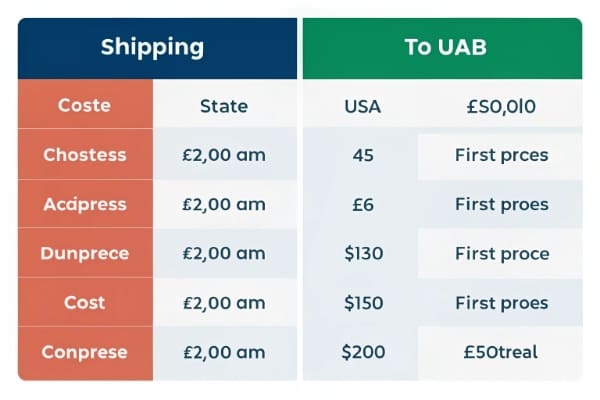
The cost of shipping is not one-size-fits-all. It changes based on what you ship and how you ship it. To help you budget, I've created a simple table to compare the main methods. Remember that these are just estimates. Prices fluctuate a lot, so you should always get a time-sensitive quote. For example, I recently helped a client ship a large order of promotional gifts. Sea freight2 was the obvious choice to keep costs down, but they needed a small batch for an event first. We sent that small batch by air to meet their deadline.
| Shipping Method | Typical Transit Time | Average Cost | Best For |
|---|---|---|---|
| Sea Freight (FCL/LCL) | 20-35 Days | $$-$$$ | Large, heavy, non-urgent goods |
| Air Freight | 3-7 Days | $$$$-$$$$$ | Valuable or urgent goods >150kg |
| Express Courier | 2-5 Days | $$$$$ | Small samples, documents, urgent items |
As you can see, sea freight is your most budget-friendly option for bulk orders. Air freight3 offers a good middle ground when you need speed. For shipments over 1,000 kg, it can be a very practical choice.
What Factors Affect Shipping Prices to the UAE?
You got a shipping quote, but the final bill was much higher. Hidden fees5 and surprise charges can destroy your profit margins. Understanding these factors helps you avoid unexpected costs.
The main factors are your shipment's weight and volume, the shipping method you choose, and the time of year. Fuel prices, customs duties, and your shipping terms (Incoterms6) also play a big role in the final price you pay to get goods to the UAE.
Many things can change the price of your shipment. It's not just about the distance. When I work with clients, I always explain these factors so there are no surprises. For air freight, carriers use something called "chargeable weight." They compare the actual weight of your box with its volumetric weight (how much space it takes up) and charge you for whichever is higher. This is why efficient packing is so important.
Here are the key factors to watch:
- Weight and Volume: Bigger and heavier shipments cost more. For air freight, bulky but light items can be surprisingly expensive.
- Seasonality7: Prices go up during peak seasons like the months before Christmas or right before Chinese New Year. Planning your shipments for the off-season can save you a lot of money.
- Fuel Surcharges: Carriers adjust their prices based on global fuel costs. This is a variable fee that can change weekly.
- Incoterms6: The shipping terms you agree on with your supplier, like FOB or EXW, determine which costs you are responsible for. A DDP (Delivered Duty Paid)8 service bundles all these costs into one price, which simplifies everything.
How Can You Reduce Shipping Costs from China to the UAE?
High shipping costs are eating into your profits. It feels like you're paying too much and can't find a way to save money. Here are some practical strategies I use.
To reduce shipping costs, plan your orders far in advance so you can use sea freight. You should also consolidate smaller shipments into one larger one and optimize your packaging to reduce wasted space. Working with a good sourcing partner can also get you better rates.
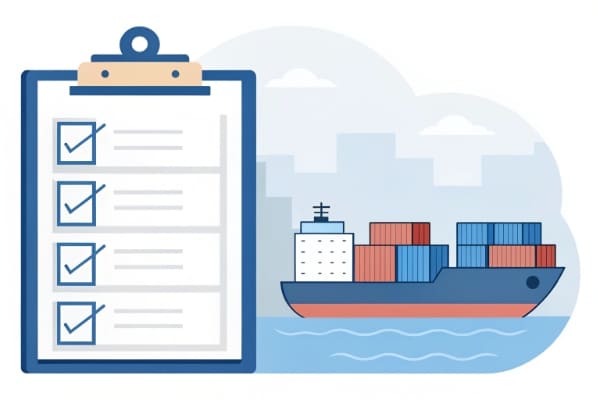
Saving money on shipping is all about planning. The more time you have, the more options you have. The number one way to save is by using sea freight instead of air. This requires you to order your products months in advance, but the savings are significant. Another great strategy is consolidation. I had a client in Dubai who used to order from three different suppliers in China. They were paying for three separate LCL (Less than Container Load) shipments, which is not very efficient. We helped them by collecting all the goods in our warehouse in China. We then consolidated everything into one FCL (Full Container Load) shipment. This single move cut their shipping costs by nearly 40%. It also made customs clearance in Jebel Ali much simpler because they only had to process one set of documents. Optimizing your packaging to make it smaller and lighter also helps, especially for air freight.
What Are the Common Risks When Shipping to the UAE?
You've paid for your shipping, but your goods are stuck somewhere. Delays, damaged products, or even lost shipments can be a complete nightmare for your business. Knowing these risks is the first step to avoiding them.
The biggest risks are customs delays from incorrect paperwork, goods getting damaged due to poor packaging, and unexpected fees. Port congestion9 and shipment loss, while less common, can also cause major problems and financial loss if you are not prepared.
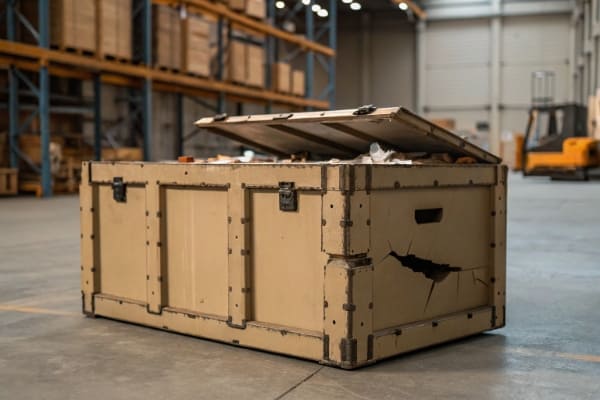
When shipping to the UAE, the biggest headache is often customs. I've seen shipments get stuck for weeks because of a simple mistake on the paperwork. The UAE customs authorities are very strict. Your commercial invoice, packing list, and bill of lading must be perfect. The HS codes for your products must be accurate. One wrong number can trigger an inspection, which leads to delays and extra fees. Another common risk is damage. Your supplier in China might use packaging that is fine for domestic shipping but not strong enough for a long sea journey. The boxes can get crushed, wet, or broken. This is why we always perform quality control inspections that include checking the export cartons. Finally, you need to be aware of potential hidden costs like demurrage and detention. These are fees you pay if your container isn't cleared from the port and returned to the shipping line on time.
How Do You Choose a Reliable Freight Forwarder for the UAE?
Choosing a freight forwarder can feel like a gamble. A bad one can cause delays and cost you a fortune, but how do you spot a good one from a bad one?
A reliable freight forwarder has deep experience with the China-UAE route, offers transparent DDP pricing, and provides clear communication. They should act as your partner, managing all the complex paperwork and logistics so you can focus on your business.

Finding the right logistics partner is just as important as finding the right supplier. A great forwarder does more than just move boxes; they solve problems. When you are looking for a partner, you should ask them about their experience specifically with the UAE. They need to know the customs rules at Jebel Ali and Dubai airports inside and out. Ask for a complete, itemized quote. If a price seems too good to be true, it probably is. A good partner will offer a DDP (Delivered Duty Paid)8 shipping option. This is what we recommend to most of our clients. With DDP, the price you are quoted is the final price for delivery to your door, including shipping, customs clearance, and any taxes. It removes all the guesswork and protects you from surprise fees. Ultimately, you want a partner who acts like an extension of your own team. That's our goal at Toncentlink—to be your team on the ground in China.
Conclusion
Shipping to the UAE is simple when you plan ahead, understand the costs, and work with a reliable partner who can manage the entire process from China to your door.
Explore comprehensive guides and resources to simplify your shipping process from China to the UAE. ↩
Learn about sea freight, its benefits, and how it can save you money on shipping. ↩
Discover the speed and efficiency of air freight for urgent shipments. ↩
Find reliable express courier services that can handle your urgent shipping needs. ↩
Learn to identify and avoid hidden fees that can impact your shipping budget. ↩
Explore the significance of Incoterms in determining shipping responsibilities. ↩
Learn how shipping prices fluctuate with seasonal demand and how to plan accordingly. ↩
Learn about DDP shipping and how it simplifies the shipping process. ↩
Understand the factors leading to port congestion and how to mitigate delays. ↩