
Importing products from China to the UAE can be complex. Many factors can impact time, cost, and compliance. Let's explore the best way to navigate these waters.
To successfully import goods to the UAE, having the right documents is essential. This ensures smooth customs clearance and minimizes delays.

Before diving in, let’s understand the key aspects of importing from China to the UAE. It’s crucial to stay informed about the requirements, costs, and restrictions involved. This will help you streamline your importing process.
What Documents Are Required to Import into UAE?
To import products into the UAE, specific documents are necessary. These documents include a valid trade license and a customs code1, essential for clearing goods through Dubai Customs. Without them, your shipment may face delays or even rejection.
Core documents for customs clearance include a commercial invoice, packing list, bill of lading (or air waybill), and certificate of origin2. Each document has its role in verifying product details and ensuring compliance with local regulations.

Having these documents ready simplifies the process and avoids headaches at the customs checkpoint. As an importer, I’ve learned that careful preparation makes all the difference.
Dive deeper into the documentation needed for UAE imports
The documents required for importing into the UAE are more than just formalities; they ensure that your shipment meets regulatory standards. The commercial invoice details the transaction, including product descriptions and values. The packing list gives a breakdown of the items, helping customs verify your shipment.
The bill of lading or air waybill transports goods from the seller to the buyer. This document serves as a receipt, proving that the carrier has received the goods. The certificate of origin assures customs that the products are from China3 and meet any relevant import agreements.
Moreover, customs may request additional documents depending on the type of goods4 you are importing. If you’re dealing with food, electronics, or pharmaceuticals, for example, expect to provide more specific permits or certificates. Always check with Dubai Customs for the latest requirements to avoid surprises.
What Import Duties and VAT Will You Pay in UAE?
When importing goods into the UAE, understanding the financial implications is crucial. The UAE typically applies a 5% customs duty on most products5, along with a 5% VAT on the total landed value6. This can significantly impact your overall import cost.
Different product categories may have specific duties or exemptions, so it's essential to classify your products accurately. Misclassification can lead to unexpected charges or compliance issues7.

Knowing the applicable duties helps you budget effectively. As an importer, I’ve learned that being transparent about costs upfront prevents unpleasant surprises later.
Dive deeper into import duties and VAT in the UAE
The customs duty in the UAE is a straightforward percentage of the total value of your goods. When you import, it’s crucial to consider not just the base price of the product but also the shipping and insurance costs. This total cost becomes the basis for calculating duties.
The 5% VAT applies to the customs value plus the duty paid. Thus, if your goods cost $1,000, and you pay $50 in duties, you owe an additional $52.50 in VAT. This can add up, especially for larger shipments.
In some cases, specific goods may be exempt from VAT or customs duty, depending on trade agreements. Always conduct thorough research or consult with a customs expert to maximize savings and ensure compliance.
What Products Are Restricted or Prohibited in UAE?
Not all products can be imported into the UAE. Certain items are restricted or prohibited. This includes but is not limited to drugs, weapons, and items deemed culturally inappropriate8.
Before importing, it's essential to verify whether your product requires special permits or approvals. This can save you time and ensure compliance with local laws.

I recall a time when I had to backtrack on a shipment due to a restricted item. It taught me the importance of checking regulations beforehand.
Dive deeper into restricted and prohibited products in the UAE
The UAE has strict regulations on importing various products. For instance, pharmaceuticals require licenses from the Ministry of Health9. Additionally, culturally sensitive items, such as adult material or products contrary to Islamic values, face outright bans.
Even seemingly innocuous items may require permits. Always classify your products accurately under the Harmonized System (HS) code10. This classification helps customs assess restrictions and ensure compliance with UAE laws.
Engaging with a freight forwarder familiar with UAE regulations can streamline this process. They can guide you through what is permissible and help secure any necessary permits before shipment.
Should You Use Air Freight, Sea Freight, or Express Shipping?
Choosing the right shipping method is vital for timely and cost-effective delivery. Sea freight is usually the most economical option for heavy or bulky cargo, while air freight suits urgent shipments that require fast delivery11.
Express shipping services are great for small, high-value items that need to arrive quickly, but they often come with higher costs.
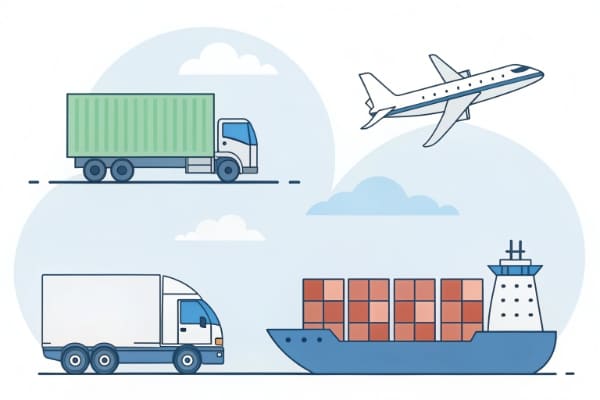
I’ve often weighed these options based on the products I’m importing. Each method has its pros and cons depending on urgency and cost constraints.
Dive deeper into shipping methods for importing to the UAE
When deciding between air freight, sea freight, and express shipping, consider factors like weight, dimensions, and urgency.
Sea Freight: Ideal for large shipments. It is cost-effective but slower. Expect longer transit times, usually several weeks.
Air Freight: Best for urgent deliveries. While it costs more, transit takes just a few days. This is beneficial for items with short shelf lives or limited promotional windows.
Express Shipping: Fastest option for time-sensitive goods. Costs can be high. It’s suitable for small orders or high-value items.
Take into account your inventory needs and customer demands. Balancing cost and speed is critical for effective supply chain management.
How Can You Avoid Shipping Delays and Hidden Charges?
Navigating shipping can be tricky. To avoid delays and hidden charges, it’s essential to clarify shipping terms upfront. Agree on Incoterms to define responsibilities concerning costs, risks, and delivery.
Unclear terms can lead to disputes and unexpected costs, so it’s crucial to communicate effectively with your freight forwarder.

From my experiences, proactive communication with your logistics provider keeps everything on track.
Dive deeper into avoiding shipping delays and hidden charges
Incoterms, or International Commercial Terms, define the responsibilities of buyers and sellers in international transactions12. Common terms include FOB (Free on Board) and CIF (Cost, Insurance, and Freight).
FOB means the seller is responsible for costs until the goods are loaded onto the ship. After that, the buyer takes on all responsibilities.
CIF includes the cost of goods, insurance, and freight. The seller bears much of the responsibility until the goods reach the port of destination.
Clarifying these terms reduces misunderstandings and helps prevent hidden fees. Always review your contract with the freight forwarder and ask questions if anything is unclear.
How to Find a Trusted China Freight Forwarder for UAE?
Finding a reliable freight forwarder is crucial for a smooth import process. Look for companies with experience in shipping to the UAE. Research their reputation and read reviews from other clients.
It's wise to ask for references and ensure they understand the specific regulations governing UAE imports.
In my journey, I’ve relied heavily on recommendations and personal connections to find trustworthy partners.
Dive deeper into selecting a freight forwarder for UAE imports
When searching for a freight forwarder, evaluate their experience with the specific products you plan to import. Ask about their service offerings, including customs clearance, warehousing, and logistics.
Consider their network in both China and the UAE. A good freight forwarder should have established relationships with carriers and customs officials. This can facilitate smoother operations and quicker resolutions to any issues that arise.
Verify their compliance with international shipping laws and their ability to handle documentation accurately. The right freight forwarder will significantly ease the importing process, helping you avoid common pitfalls and delays.
Conclusion
In 2026, the best way to import from China to the UAE involves thorough preparation, clear documentation, and choosing the right logistics partner.
"United Arab Emirates - Import Requirements and Documentation", https://www.trade.gov/country-commercial-guides/united-arab-emirates-import-requirements-and-documentation. Dubai Customs import guidance identifies importer registration requirements, including a valid trade licence and customs client code, as prerequisites for completing commercial import declarations in Dubai. Evidence role: general_support; source type: government. Supports: To import products into the UAE, importers need a valid trade license and customs code for customs clearance.. Scope note: This support is specific to Dubai Customs procedures and may not cover every UAE emirate or free-zone process. ↩
"Common Export Documents - International Trade Administration", https://www.trade.gov/common-export-documents. Dubai Customs documentation for commercial import declarations lists core supporting documents such as the commercial invoice, packing list, transport document, and certificate of origin for import clearance. Evidence role: general_support; source type: government. Supports: Core documents for UAE customs clearance include a commercial invoice, packing list, bill of lading or air waybill, and certificate of origin.. Scope note: Exact document requirements can vary by shipment type, emirate, and regulated commodity. ↩
"Certificate of origin", https://en.wikipedia.org/wiki/Certificate_of_origin. International trade references describe a certificate of origin as a document used to certify the country in which goods were produced or manufactured, which customs authorities may use for origin verification and tariff treatment. Evidence role: definition; source type: institution. Supports: A certificate of origin helps customs verify that imported products originate from China.. Scope note: A certificate of origin supports origin claims but does not by itself prove compliance with every applicable import agreement or product regulation. ↩
"United Arab Emirates - Import Requirements and Documentation", https://www.trade.gov/country-commercial-guides/united-arab-emirates-import-requirements-and-documentation. UAE customs and regulatory guidance indicates that controlled goods may require additional permits, approvals, or certificates from competent authorities in addition to standard customs documents. Evidence role: general_support; source type: government. Supports: UAE customs may request additional documents depending on the type of goods imported.. Scope note: The supporting source may describe categories of controlled goods rather than every product-specific document requirement. ↩
"United Arab Emirates - Customs Regulations", https://www.trade.gov/country-commercial-guides/united-arab-emirates-customs-regulations. UAE and GCC customs references state that the common customs tariff generally applies a 5 percent duty rate to many imported goods, while specified goods may be exempt or subject to different rates. Evidence role: statistic; source type: government. Supports: The UAE typically applies a 5% customs duty on most imported products.. Scope note: The 5 percent rate is a general tariff rule and does not apply uniformly to all products, free-zone movements, exemptions, or special categories. ↩
"VAT and Customs Duty: The Interaction at the Border", https://www.easmea.com/vat-and-customs-duty-the-interaction-at-the-border/. UAE Federal Tax Authority guidance explains that VAT is generally charged at 5 percent on taxable imports and is calculated by reference to the customs value plus applicable customs duties and certain other charges. Evidence role: statistic; source type: government. Supports: The UAE applies 5% VAT to imported goods based on landed/customs value and related charges.. Scope note: VAT treatment can differ for exempt, zero-rated, suspended, or reverse-charge import scenarios. ↩
"Harmonized System (HS) Codes - International Trade Administration", https://www.trade.gov/harmonized-system-hs-codes. World Customs Organization materials explain that Harmonized System classification determines applicable tariffs, controls, and statistical treatment, making incorrect classification a source of duty errors and regulatory non-compliance. Evidence role: mechanism; source type: institution. Supports: Incorrect product classification can result in unexpected duty charges or compliance problems.. Scope note: This is general customs classification support and does not quantify the likelihood or size of penalties in the UAE. ↩
"Restricted and Prohibited Goods - Abu Dhabi Customs", https://www.adcustoms.gov.ae/Policies-and-Regulations/Restricted-Banned-Commodities. UAE customs and government import-control materials identify narcotics, weapons, and materials contrary to public morals or religious values among goods that are prohibited or restricted for import. Evidence role: general_support; source type: government. Supports: The UAE restricts or prohibits imports including drugs, weapons, and culturally inappropriate items.. Scope note: Lists of prohibited and restricted goods are periodically updated and may distinguish between outright bans and permit-controlled imports. ↩
"MOHAP Announces the Transfer of Selected Services to Emirates ...", https://mohap.gov.ae/en/mte. UAE Ministry of Health and Prevention regulatory information describes licensing and approval requirements for pharmaceutical products and establishments involved in importing or distributing medicines. Evidence role: general_support; source type: government. Supports: Pharmaceutical imports into the UAE require licensing or approval from the Ministry of Health and Prevention.. Scope note: Specific requirements vary by medicine type, importer status, and whether the product is registered, controlled, or for personal use. ↩
"Harmonized Tariff Schedule - International Trade Commission", https://hts.usitc.gov/. The World Customs Organization describes the Harmonized System as an internationally standardized nomenclature for classifying traded goods, used by customs administrations for tariffs and trade controls. Evidence role: definition; source type: institution. Supports: Importers should classify products under the Harmonized System because HS codes are used by customs to identify goods.. Scope note: The source explains the HS framework generally; national tariff rulings still determine the exact UAE classification in disputed cases. ↩
"Air Freight: A Market Study with Implications for Landlocked ...", https://www.worldbank.org/en/topic/transport/publication/air-freight-study. International freight and trade-transport references generally distinguish ocean shipping as lower-cost for large-volume cargo and air freight as faster but higher-cost, especially for time-sensitive goods. Evidence role: expert_consensus; source type: institution. Supports: Sea freight is generally more economical for heavy or bulky cargo, while air freight is better suited to urgent shipments.. Scope note: Actual cost and transit time depend on route, season, fuel prices, service level, port congestion, and cargo characteristics. ↩
"Incoterms - Wikipedia", https://en.wikipedia.org/wiki/Incoterms. The International Chamber of Commerce defines Incoterms as standardized trade terms that allocate obligations, costs, and risks between sellers and buyers in international and domestic sales contracts. Evidence role: definition; source type: institution. Supports: Incoterms define buyer and seller responsibilities for costs, risks, and delivery in international transactions.. Scope note: Incoterms allocate delivery-related responsibilities but do not replace a full sales contract or determine title transfer unless separately agreed. ↩