
Shipping products internationally can feel overwhelming. You might wonder how to navigate the complexities of customs, costs, and delivery times.
When shipping from China to Canada, selecting the right method is key. This guide provides insights on costs, timeframes, and customs to streamline your shipping process.
The shipping landscape can be tricky. I have encountered various challenges when shipping goods across borders. Knowing the ins and outs of shipping will save you time, money, and headaches.
What Is the Cheapest Way to Ship from China to Canada?
Shipping costs can add up quickly. It is essential to find an affordable method to keep your budget intact.
The cheapest way to ship from China to Canada is typically through sea freight1, especially for larger shipments. While slower, it offers significant savings compared to air freight.
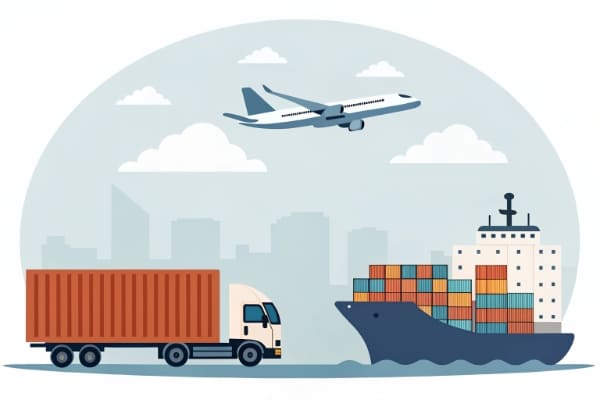
Shipping by air is fast but can be costly. Sea freight, on the other hand, is much more economical for large volumes. If you are not in a rush, this option can be a budget-friendly choice.
How Much Does Shipping from China to Canada Cost in 2025?
Shipping costs vary based on several factors. It is important to plan your budget accordingly.
In 2025, shipping costs from China to Canada will depend on the shipping method, cargo type, weight, and dimensions. On average, sea freight can range from $1,000 to $3,000 for a 20-foot container2, while air freight could range from $5 to $12 per kilogram3.
When calculating your costs, consider all aspects—port charges, handling fees, and any additional duties or taxes4. Understanding the complete picture will help avoid unpleasant surprises.
How Long Does Shipping from China to Canada Take?
Time is of the essence when shipping. Knowing how long the process takes can help you plan effectively.
Shipping times can vary significantly. Air freight can take about 2–5 days for express services5, while sea freight typically ranges from 20 to 45 days6. Factors such as the shipping route, consolidation, and potential delays will affect these timelines.
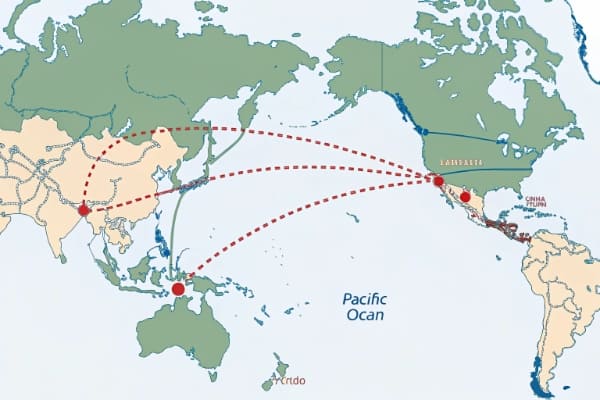
Vancouver is often the fastest port in Canada for shipments7. However, if your final destination is farther inland, like Toronto or Edmonton, expect additional transit time.
Should You Choose Air Freight or Sea Freight to Canada?
Choosing the right freight method can impact your shipping experience. It is essential to weigh your options.
Air freight is the fastest option, while sea freight is the most economical choice for larger shipments. Factors such as delivery urgency and budget will guide your decision.
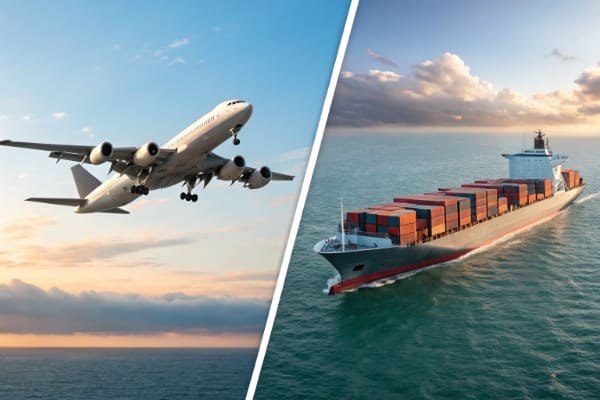
I often recommend air freight for small, urgent parcels. For bulk shipments, however, sea freight reduces costs significantly. Consider your specific needs before making a choice.
How Does DDP Shipping from China to Canada Work?
Understanding shipping terms is crucial. DDP, or Delivered Duty Paid, simplifies the process for importers.
Under DDP shipping8, the seller takes responsibility for all costs until the goods reach the buyer's location in Canada, including customs duties and taxes. This can streamline the process and reduce uncertainty for buyers.
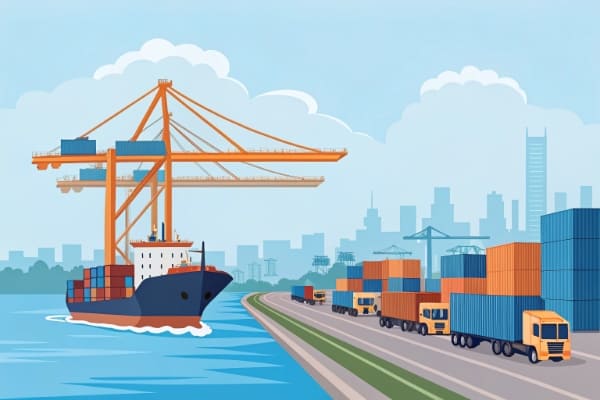
This method allows for a smoother transaction. However, ensure that the seller is reliable and experienced in handling DDP shipments to avoid pitfalls.
How to Choose a Reliable Freight Forwarder from China to Canada?
Finding a dependable freight forwarder is essential for successful shipping. Follow these steps to make the right choice.
A reliable freight forwarder should have a strong reputation, experience in your specific industry, and clear communication. Check online reviews and personal referrals. It is also beneficial to ask about their experience with customs clearance and handling sensitive goods.

A good freight forwarder acts as your partner. They will help you navigate the complexities of shipping, ensuring that your products arrive on time and in good condition.
Conclusion
Shipping from China to Canada requires careful planning and consideration of costs, time, and customs. With the right information, you can ensure a successful shipping experience.
"How to Interpret Your Results - The Market Diversification Tool", https://beta.trade.gov/How-to-Interpret-Your-Results. A neutral freight or logistics reference can support that ocean/sea freight is generally more cost-effective than air freight for large-volume international cargo, while noting that actual rates vary by lane, season, and container availability. Evidence role: general_support; source type: institution. Supports: The cheapest way to ship from China to Canada is typically through sea freight, especially for larger shipments.. Scope note: This supports the general cost relationship between sea and air freight, not a guaranteed lowest price for every China–Canada shipment. ↩
"Containerized Freight Index - Price - Chart - Historical Data - News", https://tradingeconomics.com/commodity/containerized-freight-index. A freight-rate index or market report can document recent container-rate ranges for China-to-Canada or China-to-North America lanes; such data provides market context but may not exactly match every 2025 quote or all-inclusive landed cost. Evidence role: statistic; source type: research. Supports: In 2025, sea freight from China to Canada can average about $1,000 to $3,000 for a 20-foot container.. Scope note: Container rates are volatile and may exclude destination charges, customs fees, trucking, insurance, and surcharges. ↩
"Shipping from China to Canada [Updated May 2026 ] - Freightos", https://www.freightos.com/shipping-routes/shipping-from-china-to-canada/. An air-cargo rate index or industry market report can substantiate typical per-kilogram air-freight rate ranges on China-to-North America lanes, with the caveat that rates vary by chargeable weight, service level, fuel surcharge, and market capacity. Evidence role: statistic; source type: research. Supports: Air freight from China to Canada could range from about $5 to $12 per kilogram.. Scope note: The source would provide market context for air-cargo pricing rather than a binding quote for a specific shipment. ↩
"Canada - Import Tariffs - International Trade Administration", https://www.trade.gov/country-commercial-guides/canada-import-tariffs. The Canada Border Services Agency explains that imported goods may be subject to duties, taxes, and customs requirements, supporting the need to account for charges beyond transportation costs when budgeting imports into Canada. Evidence role: general_support; source type: government. Supports: Importers should consider port charges, handling fees, duties, and taxes when calculating shipping costs from China to Canada.. Scope note: The exact amount depends on classification, origin, valuation, tax status, and the importer’s specific transaction. ↩
"Instant Freight Transit Time Calculator | Air, Ocean & Trucking", https://www.freightos.com/freight-resources/transit-time-calculator/. Carrier service guides or international air-cargo references can support that express air transport commonly operates on multi-day transit times between China and Canada, while noting that customs clearance and remote delivery areas can extend the total door-to-door timeline. Evidence role: general_support; source type: institution. Supports: Air freight express services from China to Canada can take about 2–5 days.. Scope note: This is contextual support for typical express transit time, not a universal guarantee for all services or destinations. ↩
"Instant Freight Transit Time Calculator | Air, Ocean & Trucking", https://www.freightos.com/freight-resources/transit-time-calculator/. Ocean-carrier schedules, port authority information, or maritime logistics references can support that China-to-Canada ocean freight commonly takes several weeks, with the stated 20–45 day range reflecting route, port pairing, transshipment, and inland delivery differences. Evidence role: general_support; source type: institution. Supports: Sea freight from China to Canada typically ranges from 20 to 45 days.. Scope note: The range is contextual and may change with sailing schedules, congestion, weather, customs clearance, and inland rail or truck movement. ↩
"Port of Vancouver moves record cargo in 2025, delivering more of ...", https://www.portvancouver.com/article/port-vancouver-moves-record-cargo-2025-delivering-more-what-canadians-make-mine-harvest-and. Port and trade-route information can support that Vancouver is Canada’s closest major Pacific gateway to Asia and a primary entry point for containerized trade, which helps explain why it is often faster for China-origin ocean shipments than eastern Canadian ports. Evidence role: historical_context; source type: institution. Supports: Vancouver is often the fastest Canadian port for shipments arriving from China.. Scope note: This supports the geographic and network rationale, not a definitive fastest-port ranking for every shipment or final destination. ↩
"Know Your Incoterms - International Trade Administration", https://www.trade.gov/know-your-incoterms. The International Chamber of Commerce defines Delivered Duty Paid as an Incoterms rule under which the seller bears responsibility for delivering goods to the named destination and clearing them for import, including applicable duties and taxes. Evidence role: definition; source type: institution. Supports: Under DDP shipping, the seller takes responsibility for all costs until the goods reach the buyer's location in Canada, including customs duties and taxes.. Scope note: Incoterms allocate contractual responsibilities but do not by themselves determine customs compliance, tax registration obligations, or local legal requirements. ↩