Ordering from China can be daunting, especially for those new to sourcing. The fear of scams looms large. But with the right approach, you can successfully navigate this landscape.
To order a product sample from China, you need to understand the process and avoid common pitfalls. This post will guide you through each step, ensuring you order confidently.
It's essential to grasp what a product sample is and its significance. A product sample is a prototype of what you plan to order in bulk.1 It allows you to evaluate the design, quality, and functionality before committing to a larger order.2 In my experience, getting a sample can save you time and money by ensuring you're satisfied with what you'll eventually receive.
What Is a Product Sample and Why Does It Matter?
Product samples are crucial in the sourcing process. They provide a tangible view of the product before large orders. The importance lies in verifying quality and design. Without samples, you risk receiving bulk items that do not meet your expectations.
Samples let you inspect the product's quality. This assessment is vital if you want items that reflect your brand standards.
Choosing reliable suppliers is the first step to ordering samples.3 A trustworthy supplier can make all the difference in your experience. When searching, use established B2B platforms like Alibaba or Global Sources. These platforms have features to filter for verified suppliers with positive reviews and certifications. It’s also wise to check supplier credentials, including business licenses4 and factory photos dated today, before making any payments.
How Much Does a Sample from China Really Cost?
The cost of a sample can vary widely. Factors like product type and complexity play significant roles. Generally, you should expect to pay for the sample itself and shipping5. Many suppliers charge for samples. Some may offer free samples, but this could be a red flag that you should avoid. Paying for the sample ensures that you’re dealing with a legitimate supplier and filters out scam listings.
Budgeting for sample costs is essential. This can help you manage expenses while ensuring quality.

When contacting suppliers, you must know what to include in your sample request. Clearly specify materials, dimensions, features, and any customizations. Providing detailed requirements can prevent mismatched products. It’s also beneficial to request a clear commercial invoice for proper documentation.
How to Find Reliable Chinese Suppliers for Samples?
Finding reliable suppliers involves thorough research. Use B2B platforms with supplier verification features. Look for suppliers with good reviews and industry certifications. A strong supplier should also have a proven track record of delivering quality products to international buyers.6 Additionally, contacting past clients for references can provide insights into the supplier's reliability.
Using established platforms helps ensure safer transactions. Prioritizing verified suppliers reduces the risk of scams.

Understanding who pays for shipping and import taxes is vital in this process. As a rule, you should be prepared to cover these costs7. Ensure you confirm and document all shipping, import, and handling fees in advance. This includes potential courier handling charges, even if duties are zero.
What Should You Include in a Sample Request?
When requesting a sample, clarity is key. Include specifics about your product requirements. This includes dimensions, colors, materials, and any customizations. A well-detailed request reduces misunderstandings and ensures the supplier knows exactly what you want.8
A detailed sample request helps avoid mismatched products. It sets clear expectations from the outset.
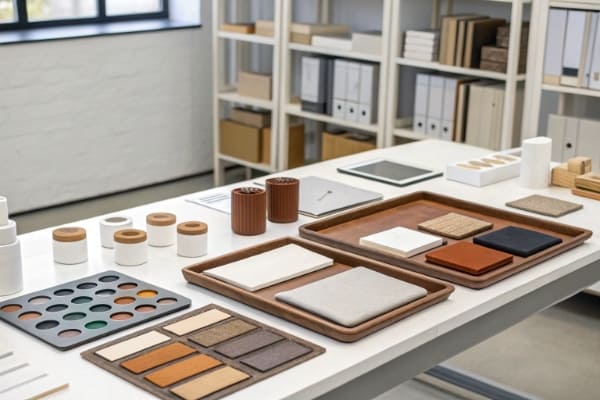
Once you receive the sample, how do you check its quality? Inspect the sample rigorously against your written specifications.9 Test its functionality and verify that it matches the intended production batch. Pay attention to details like color accuracy and material quality. Comparing the sample with your requirements can save you from future headaches.
How to Check If the Sample Quality Is Good?
Checking the sample's quality is crucial. Ensure that it meets all your specifications and expectations. Inspect each aspect, from materials to functionality. If the sample fails to meet your standards, address the issues with your supplier immediately. In my experience, a quick resolution can often lead to better outcomes in future orders.
Rigorous inspection of the sample helps ensure it aligns with your brand's quality standards.

One common issue I’ve noticed is that some samples look better than bulk orders. This can happen due to variations in manufacturing processes.10 Sometimes, suppliers use higher-quality materials for samples, then switch to cheaper options for bulk production.11 To avoid this, discuss the materials used in the sample and confirm they will be consistent in mass production.
Why Do Some Samples Look Better Than Bulk Orders?
The quality discrepancy between samples and bulk orders can stem from various factors. Sometimes, suppliers want to impress with a great sample. They may use different materials or methods in production. This inconsistency can lead to frustration when the bulk order arrives and does not meet your expectations.
Understanding this risk can help you establish clear guidelines with your supplier. Ensure they commit to maintaining the same quality for both the sample and bulk orders.

Beginners often make mistakes when ordering samples. One of the biggest errors is ordering too many samples from different suppliers simultaneously. This approach can increase exposure to fraud. It’s wiser to limit the number of samples ordered per supplier and stagger requests across multiple shortlisted vendors. This strategy minimizes risk while ensuring you still have options.
What Are the Biggest Sample Ordering Mistakes Beginners Make?
Another mistake is neglecting to establish a written agreement or at least a detailed email record confirming sample terms. A clear agreement helps prevent misunderstandings and sets expectations.12 Consider documenting responsibilities, refund or credit conditions, and shipping details.
Protecting yourself with clear documentation can prevent future disputes. Always confirm the terms before shipping.

Before you proceed to mass production, it’s crucial to approve the sample. Take your time to review it thoroughly. If everything meets your standards, you can give the go-ahead for bulk production. Conversely, if you notice any discrepancies, address these issues with your supplier. Open communication is essential for a successful partnership.
How to Approve a Sample Before Mass Production?
Approving the sample is a significant step in the sourcing process. Ensure you check every detail against your specifications. If the sample passes your inspection, communicate your approval to the supplier clearly and promptly. Having everything documented is also beneficial, so both parties are on the same page regarding the next steps.
Approval of the sample solidifies the path to mass production. Ensure both you and your supplier agree on the details.

After the sample is approved, the production phase begins. At this point, maintain regular communication with your supplier. This helps ensure that production stays on track and meets your quality standards. It’s also wise to schedule periodic check-ins during this phase to address any issues before they escalate.
What Happens After the Sample Is Approved?
After approving the sample, your supplier should start production. Stay engaged throughout this process. Regular updates keep you informed and allow you to catch any issues early. A good partnership thrives on communication. It ensures that you achieve the desired outcome.
Continuous communication after sample approval is key to a successful order. It allows you to manage the production process effectively.
In conclusion, ordering your first sample from China doesn’t have to be stressful. With careful planning and attention to detail, you can avoid scams and ensure quality products.
"What is a Prototype? - The Advanced Manufacturing Center", https://umaine.edu/amc/2013/08/07/what-is-a-prototype/. A source on product development or prototyping can support that samples/prototypes are preliminary physical representations used before full-scale production; this is a general definition and may vary by industry. Evidence role: definition; source type: education. Supports: A product sample is a prototype of the item intended for a later bulk order.. Scope note: The support is definitional and may not cover every sourcing category or supplier practice. ↩
"Novice designers' use of prototypes in engineering design - PMC - NIH", https://pmc.ncbi.nlm.nih.gov/articles/PMC5793937/. Research or educational material on prototyping can support that prototypes and samples are used to evaluate design, functionality, and quality before production decisions; it does not guarantee that sample approval prevents later production defects. Evidence role: mechanism; source type: education. Supports: Product samples allow buyers to evaluate design, quality, and functionality before placing a larger order.. Scope note: The evidence would support the general purpose of sampling, not the outcome of any specific China sourcing transaction. ↩
"Assessing the Best Supplier Selection Criteria in Supply Chain ...", https://pmc.ncbi.nlm.nih.gov/articles/PMC9102987/. Supplier-selection literature identifies supplier reliability and quality performance as central criteria in procurement decisions, supporting the importance of supplier choice before ordering; the source would provide general procurement context rather than China-specific proof. Evidence role: expert_consensus; source type: paper. Supports: Reliable supplier selection is a foundational step before ordering product samples.. Scope note: The support is general procurement evidence and may not address sample ordering specifically. ↩
"U.S. Export Licenses: Navigating Issues and Resources", https://www.trade.gov/us-export-licenses-navigating-issues-and-resources. Government or trade-agency guidance on importing and supplier due diligence can support checking business registration and credentials before payment; it cannot verify the authenticity of a particular supplier’s documents. Evidence role: general_support; source type: government. Supports: Buyers should check supplier credentials, such as business licenses, before making payments.. Scope note: The source would support due diligence as a risk-control practice, not prove that checking credentials eliminates fraud. ↩
"[PDF] Importation of Commercial Samples", https://www.cbp.gov/sites/default/files/documents/icp066_3.pdf. Customs and postal/courier guidance can support that shipped commercial goods commonly involve transportation charges and, depending on value and classification, may involve customs costs; it does not establish a universal rule that all samples require payment. Evidence role: general_support; source type: government. Supports: Buyers commonly need to budget for both the sample and shipping when ordering internationally.. Scope note: Costs depend on supplier terms, shipping method, customs classification, declared value, and destination country. ↩
"Background: An Analysis of Supplier Evaluation", https://scm.ncsu.edu/scm-articles/article/background-an-analysis-of-supplier-evaluation. Procurement research on supplier selection supports using prior performance, delivery reliability, and quality history as supplier evaluation criteria; it does not independently verify any individual supplier’s track record. Evidence role: expert_consensus; source type: paper. Supports: A supplier’s past quality and delivery performance is relevant when assessing whether it is reliable.. Scope note: The evidence would support the evaluation criterion generally, not the reliability of a specific Chinese supplier. ↩
"Customs Duty Information - U.S. Customs and Border Protection", https://www.cbp.gov/travel/international-visitors/know-before-you-visit/customs-duty-information. Customs authorities generally state that importers or recipients may be responsible for duties, taxes, and carrier or handling charges on imported goods; the exact liability depends on the sales terms, shipment value, classification, and destination law. Evidence role: general_support; source type: government. Supports: A buyer ordering samples internationally should be prepared for shipping, import, and handling charges.. Scope note: The source would establish general importer responsibility but not the cost outcome for every sample shipment. ↩
"[PDF] Getting requirements right: avoiding the top 10 traps.", https://www.utdallas.edu/~chung/SYSM6309/Getting_requirements_right-avoiding_the_top_10_traps.pdf. Requirements-engineering and quality-management literature supports that clear, documented specifications reduce ambiguity and improve shared understanding; this is contextual evidence and does not prove that misunderstandings will always be avoided. Evidence role: mechanism; source type: paper. Supports: Detailed written sample requirements reduce ambiguity between buyer and supplier.. Scope note: The evidence supports the communication mechanism, not a guaranteed result in supplier negotiations. ↩
"ISO 9001 and 9002 Requirements by Section", https://faculty-web.msoe.edu/tritt/be4xx/iso9000sum.html. Quality-management standards and inspection guidance support verifying products against specified requirements as part of quality control; they do not prescribe the exact inspection checklist for a particular consumer product sample. Evidence role: mechanism; source type: institution. Supports: Samples should be inspected against written specifications to assess conformity.. Scope note: The source would support the principle of inspection against requirements, not the specific inspection procedure for every product category. ↩
"Reducing Variation with SPC | Center for Quality and Applied Statistics", https://www.rit.edu/processimprovement/reducing-variation-spc. Manufacturing and quality-control literature documents process variation as a source of differences in product characteristics, supporting the possibility that samples and production units may differ; it does not show that variation is the cause in any specific supplier case. Evidence role: mechanism; source type: paper. Supports: Differences between samples and bulk orders can result from manufacturing process variation.. Scope note: The evidence would support process variation generally, not prove intentional or negligent supplier behavior. ↩
"[PDF] Change in API Supplier: Drug Substance Quality Tips - FDA", https://www.fda.gov/media/168952/download. Academic and trade-policy discussions of supplier quality degradation or material substitution can provide contextual support that production quality may decline after approval samples; such sources may not prove that this practice is common across all Chinese suppliers. Evidence role: case_reference; source type: paper. Supports: Approved samples may not always match mass production if materials or processes are changed later.. Scope note: The support is likely contextual or case-based and should not be framed as proof of a universal supplier practice. ↩
"[PDF] Contract Management Handbook - UNT System Finance Homepage", https://finance.untsystem.edu/sites/default/files/contract_management_handbook_jan_2019_update.pdf. Contract-management and international trade guidance supports that written agreements clarify obligations, responsibilities, and expectations between parties; it cannot guarantee that disputes will not occur. Evidence role: general_support; source type: institution. Supports: Written sample terms help clarify responsibilities and reduce misunderstandings.. Scope note: The source would support the risk-reduction function of written terms, not eliminate the need for enforcement or dispute resolution. ↩