
Importing goods from China to New Zealand can be a complex process. If you’re not prepared for the costs involved, you might find yourself facing unexpected expenses. Let's break down the costs you should expect when importing from China.
When importing from China to New Zealand, you should expect various costs including freight, import duties, and other fees1. Understanding these will help you budget accurately for your shipments.
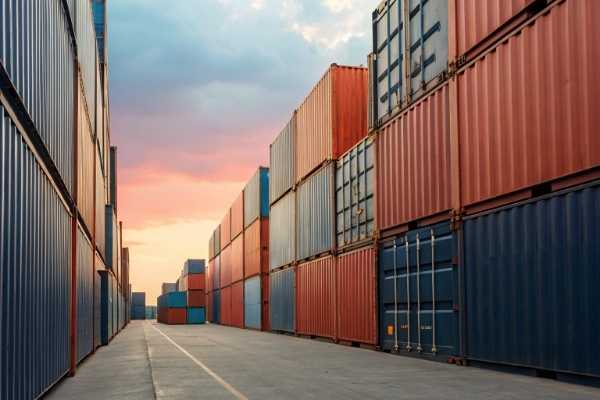
When you start importing, it's easy to focus solely on the product price. However, the total cost of importing involves several layers of expenses. You need to consider sea or air freight rates, customs duties, GST, and other fees. Remember, each element contributes to the total landed cost of your goods2. If you miss any of these details, you might end up over budget or facing delays.
LOOP START
What Costs Should You Expect When Importing from China?
Importing goods entails various costs. The key components include:
- Sea freight or air freight: This is the transport cost from China to New Zealand.
- Import duties and GST: These are taxes applied to your shipment upon arrival.
- Customs clearance: Fees charged by agents for handling paperwork.
- Handling and delivery fees: Costs incurred for transporting goods from the port to your location.
Understanding these costs is crucial for accurate budgeting.

To dive deeper into these costs, let's break them down further. Sea freight is generally the most economical option for bulk shipments.3 Full-container loads (FCL) offer the lowest per-unit cost.4 On the other hand, less-than-container loads (LCL) are often more expensive per unit due to higher handling fees5. If you're importing large volumes, FCL is the way to go.
Air freight, while quickest, is much more expensive per kilogram. It is best for urgent shipments. You should factor in these costs when deciding how to import.
LOOP END
How Much Does Sea Freight from China to New Zealand Cost?
Sea freight costs can vary based on shipment size and route. For full-container shipments, the price is usually lower per unit. A typical rate for a 40HQ container can range from NZ$2,000 to NZ$4,000, depending on various factors like the time of year and demand.
Sea freight is typically the most cost-effective option for bulk shipments from China to New Zealand.
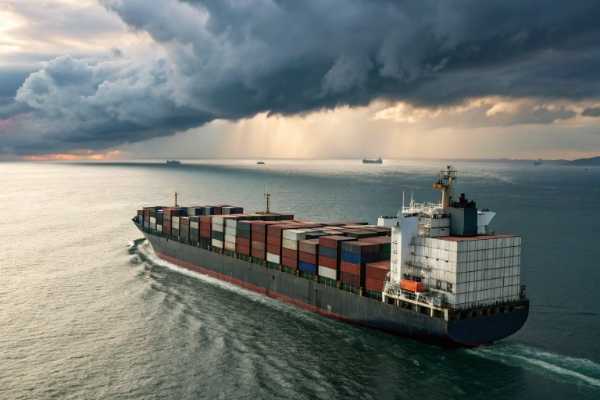
When considering sea freight, it's important to get quotes from different freight forwarders. They can provide you with competitive rates and help you navigate the complexities of shipping. Keep in mind that additional charges may apply, such as terminal handling charges and peak season surcharges. These can add up, so always ask for a comprehensive breakdown of costs.
LOOP START
How Much Does Air Freight Cost?
Air freight is the fastest way to ship goods, but it comes with a higher price tag.6 Typical rates range from NZ$5 to NZ$10 per kilogram7, making it a more expensive option.
Air freight is justifiable for high-value, urgent shipments due to its speed.
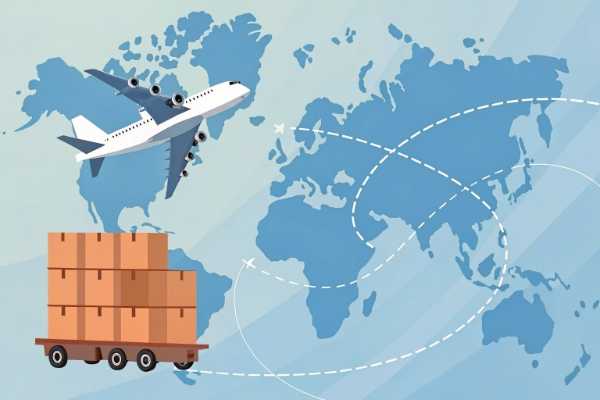
When utilizing air freight, you should evaluate the urgency of your shipment. If timing is critical, air freight might be worth the cost. You should also explore express couriers for small packages. These can offer competitive rates for urgent deliveries. However, if you can afford to wait, consider sea freight for better cost efficiency.
LOOP END
What Import Duties and GST Will You Pay?
In New Zealand, all imported goods are subject to GST (Goods and Services Tax) of 15%8. This tax is calculated based on the customs value of the goods, which includes the cost, insurance, and freight (CIF)9.
GST is a significant part of your total landed cost calculations.
You'll also need to pay import duties, which depend on the product classification. Each product has a specific tariff code that determines the duty rate.10 Getting this right is crucial. Incorrect classifications can lead to unexpected duty bills and delays.11
Proactive validation of HS codes and pre-import rulings can help mitigate these risks12. It's worth investing time upfront to ensure compliance and avoid surprises later.
LOOP START
What Other Import Fees Should You Budget For?
Beyond freight and duties, there are additional predictable fees to consider. These may include:
- Customs clearance agent charges
- Port security and handling fees
- Documentation fees
- Local delivery costs
These costs can materially increase the total amount you pay for importing your goods.

To avoid unexpected costs, ask your freight forwarder for a complete list of potential fees. It's also wise to set aside a buffer in your budget for any unforeseen expenses. This way, you won't be caught off guard when your shipment arrives.
LOOP END
Real Cost Example: Importing Goods Worth NZ$30,000
Let’s consider a real example. If you are importing goods worth NZ$30,000, the costs might look like this:
- Sea freight (FCL): NZ$3,000
- Duties: NZ$1,500 (depending on product classification)
- GST: NZ$4,500 (15% of CIF)
- Customs clearance fees: NZ$300
- Additional handling fees: NZ$200
In total, you might spend around NZ$39,500 for a NZ$30,000 shipment.

This breakdown gives you an idea of what to expect. Always ensure you have a complete understanding of all expenses involved for accurate budgeting.
LOOP END
How Can You Reduce Your Total Landed Cost?
There are several strategies you can use to lower your landed costs. Consolidating multiple SKUs into full-container shipments can significantly reduce your logistics costs. Negotiating long-term contracts with freight forwarders can also yield better rates.
Choosing the right Incoterms can change who pays for freight and customs clearance, which affects cash flow and risk exposure.

Additionally, ensuring the accuracy of your product classification can reduce unexpected duties. Proactive inventory and demand planning can help balance slower sea transit against lower freight costs. This often yields the lowest total landed cost when safety stock and financing costs are included.
LOOP END
FAQs About Import Costs in New Zealand
What is the cheapest way to import goods from China? Sea freight is usually the cheapest option for bulk shipments.
Are there hidden costs when importing? Yes, customs clearance, handling fees, and documentation costs can add up.
How do I calculate GST on imports? GST is calculated as 15% of the customs value, which includes the cost, insurance, and freight.
Can I reduce my duties? Ensuring accurate product classification and checking for applicable free trade agreements can help.
What are Incoterms? Incoterms define the responsibilities of buyers and sellers in international shipping, impacting who pays for freight and insurance.

Conclusion
Understanding the costs involved in importing from China to New Zealand is essential for successful budgeting and planning.
"Duty and allowances - New Zealand Customs Service", https://www.customs.govt.nz/sending-and-receiving/duty-and-gst/duty-and-allowances. New Zealand Customs guidance identifies transport and insurance costs, customs duties, GST, import transaction fees, and related border charges as components that may be payable when goods are imported into New Zealand. Evidence role: general_support; source type: government. Supports: Importing from China to New Zealand can involve freight, import duties, and other fees.. Scope note: The exact charges vary by commodity, shipment value, and entry type. ↩
"Determine Total Export Price - International Trade Administration", https://www.trade.gov/determine-total-export-price. Trade and customs guidance commonly treats landed cost as the sum of the goods’ value plus international transport, insurance, duties, taxes, and local handling costs needed to bring goods to the buyer’s location. Evidence role: definition; source type: institution. Supports: The total cost of importing includes several layers of expenses that contribute to the landed cost.. Scope note: Definitions differ by accounting practice and contract terms, so the source should be used to support the concept rather than a single universal formula. ↩
"Fathoming Shipping Costs: An Exploration", https://documents1.worldbank.org/curated/en/099436104042241280/pdf/IDU0c20d2ae90046304ca009ab508217e50747bd.pdf. International transport literature notes that maritime freight is generally more cost-efficient than air freight for large-volume, non-urgent cargo because ships carry much larger loads at lower unit transport costs. Evidence role: expert_consensus; source type: research. Supports: Sea freight is generally the most economical option for bulk shipments.. Scope note: This supports the general mode comparison, not a specific China–New Zealand price quote. ↩
"LCL vs FCL , one decision that can double your shipping cost if ...", https://www.instagram.com/reel/DSSrGSmCPZV/. Logistics references explain that full-container-load shipping can reduce unit costs when cargo volume is sufficient because container and port charges are spread over more units and cargo requires less consolidation handling than LCL. Evidence role: mechanism; source type: education. Supports: FCL can offer lower per-unit cost than smaller or consolidated shipments when volume is high enough.. Scope note: The advantage depends on utilization, route, commodity, and market freight rates. ↩
"Less than Container Load (LCL) Ocean Freight - DHL", https://www.dhl.com/us-en/home/global-forwarding/products-and-solutions/ocean-freight/less-than-container-load.html. Freight and logistics teaching materials describe LCL cargo as requiring consolidation, deconsolidation, and additional handling, which can increase per-unit or per-cubic-metre charges compared with a sufficiently utilized full container. Evidence role: mechanism; source type: education. Supports: LCL shipments are often more expensive per unit because of additional handling and consolidation processes.. Scope note: LCL can still be cheaper in total for small shipments, so the support is limited to per-unit cost at comparable shipment volumes. ↩
"Air Freight: A Market Study with Implications for Landlocked Countries", https://www.worldbank.org/en/topic/transport/publication/air-freight-study. International freight guidance and transport studies generally characterize air cargo as much faster than maritime transport but substantially more expensive, reflecting aircraft operating costs and capacity constraints. Evidence role: expert_consensus; source type: institution. Supports: Air freight is faster than sea freight but usually more expensive.. Scope note: The source should support the general trade-off, not route-specific pricing for China to New Zealand. ↩
"WorldACD Weekly Air Cargo Trends 2025 - week 46", https://www.worldacd.com/trend-reports/weekly/worldacd-weekly-air-cargo-trends-2025-week-46/. Air-cargo market data or freight-rate indexes can provide contemporaneous benchmark ranges for air freight rates; such data would support whether a NZ$5–NZ$10 per kilogram estimate is reasonable for the relevant period and lane. Evidence role: statistic; source type: research. Supports: Typical air freight rates for the relevant shipment context may fall around NZ$5 to NZ$10 per kilogram.. Scope note: Freight rates change frequently by season, fuel price, capacity, weight break, airport pair, and service level; a source may only give contextual benchmarks rather than a direct China–New Zealand rate. ↩
"Non-resident businesses and GST - Inland Revenue", https://www.ird.govt.nz/international-tax/business/non-resident-businesses-and-gst. New Zealand Inland Revenue and Customs state that GST is charged at 15% and applies to many imported goods when they enter New Zealand. Evidence role: statistic; source type: government. Supports: Imported goods into New Zealand are generally subject to GST at 15%.. Scope note: Exemptions and special rules can apply, particularly for certain low-value goods, gifts, or non-commercial imports. ↩
"Duty and allowances - New Zealand Customs Service", https://www.customs.govt.nz/sending-and-receiving/duty-and-gst/duty-and-allowances. New Zealand Customs guidance explains how import charges are calculated using the customs value and amounts such as duty, freight, and insurance; a citation should verify the precise base used for GST and any distinction between customs value and CIF/VFD calculations. Evidence role: definition; source type: government. Supports: GST on imports is calculated using the customs value and associated transport, insurance, and duty components.. Scope note: This point may require careful wording because New Zealand’s GST calculation base is not always described simply as “customs value equals CIF.” ↩
"Tariff classifications and rates - New Zealand Customs Service", https://www.customs.govt.nz/business/tariffs/tariff-classifications-and-rates. New Zealand Customs uses tariff classifications based on the Harmonized System to identify goods and apply the corresponding duty rates listed in the Working Tariff Document of New Zealand. Evidence role: mechanism; source type: government. Supports: Product classification through tariff or HS codes determines the applicable duty rate.. Scope note: The HS code determines the tariff line, but preferential rates, concessions, and free-trade agreements may alter the duty payable. ↩
"[PDF] Incorporating the Border Executive Board Annual Report 2022", https://www.customs.govt.nz/media/tbbbiuzi/2022-annual-report-print.pdf. Customs compliance materials explain that incorrect tariff classification can result in reassessment of duties, penalties, additional documentation requirements, or release delays at the border. Evidence role: general_support; source type: government. Supports: Incorrect tariff classification can cause extra duty liabilities and customs delays.. Scope note: The specific consequence depends on the nature of the error, whether it was voluntary disclosed, and the enforcement approach in the case. ↩
"Customs rulings - New Zealand Customs Service", https://www.customs.govt.nz/business/import/customs-rulings. New Zealand Customs provides tariff rulings and valuation or origin guidance that can give importers advance certainty about how goods will be treated for customs purposes before importation. Evidence role: mechanism; source type: government. Supports: Obtaining pre-import or advance rulings can reduce the risk of duty surprises related to classification.. Scope note: Advance rulings reduce classification uncertainty but do not eliminate all compliance risks, such as changes in facts, documentation errors, or biosecurity requirements. ↩