When it comes to sourcing products, getting the right sample is crucial. Many buyers face challenges when ordering samples from China. Knowing the process can save time and money.
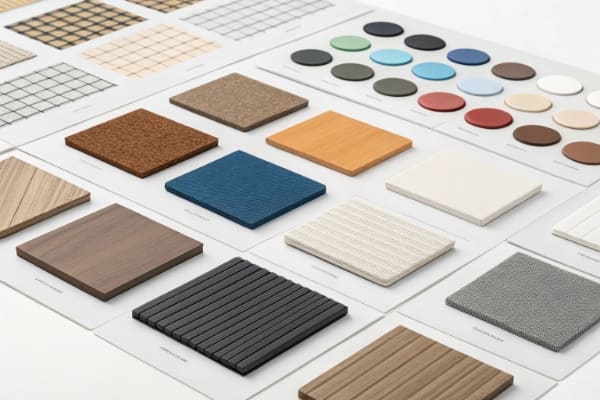
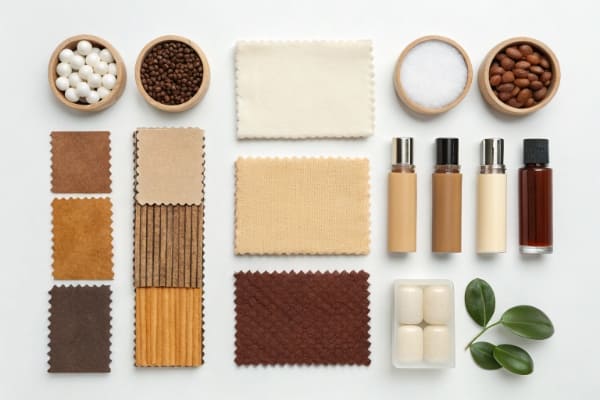
To order samples from China effectively, you must start by clearly defining your product specifications1. Materials, size, color, features, and customizations should all be detailed before contacting any supplier.
It's easy to get lost in the details, but a step-by-step approach can simplify the process. Let’s explore this together.
What Is the Best Way to Order Samples from China?
To order samples, begin by finding pre-vetted suppliers2. Make sure they are on reputable platforms like Alibaba, 1688, or Global Sources3. This reduces the risk of dealing with unreliable suppliers4.
The best way to order samples is by being specific about what you want. The more details you provide, the better the samples will match your needs.5
Communicate your requirements clearly. Once you select a supplier, confirm their business license and check reviews. This will help ensure that you’re working with a credible partner.
Dive deeper into the platforms available for sourcing.
Alibaba vs. 1688 vs. Sourcing Agent
Alibaba is often the go-to for international buyers. It connects you with a wide range of suppliers. Conversely, 1688 caters mostly to Chinese buyers6, so prices may be lower. However, language barriers can be an issue7.
Using a sourcing agent can simplify the process. They understand the local market and can negotiate better terms for you. Choose based on your comfort level with each platform and your needs.

When deciding between these options, consider how much support you want. A sourcing agent can guide you through the complexities of the local market.
How Long Does Sample Shipping Take from China?
Shipping times for samples can vary significantly. Express shipping via DHL, FedEx, or UPS usually ranges from 3 to 7 days8, but it can take longer during peak seasons.
Be prepared for delays, especially if you need multiple samples from different suppliers. Understanding shipping timelines helps you plan better.
Shipping costs can add up, so factor those into your budget. Communicate with your supplier about shipping options and choose what works best for you.
How Much Should You Expect to Pay for Samples?
Sample fees vary based on the complexity of the product. Typically, expect to pay a fee that reflects the production cost.
In addition to the sample fee, consider shipping costs. It's essential to confirm whether the sample comes from a live production run, as this affects its quality9.

When negotiating, consider asking if your sample fee can be credited against your first order. This can help you lower your initial costs.
How to Communicate Clearly with Chinese Factories?
Clear communication is vital. Use simple language and be direct with your requirements. Avoid jargon or technical terms that may not translate well.
Document all communications. This creates a reference point and minimizes misunderstandings.

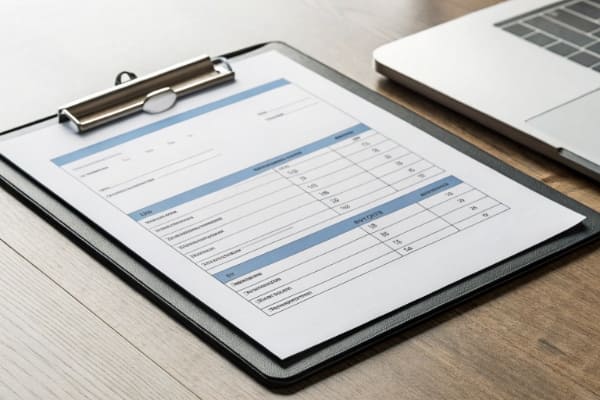
When discussing specifications, provide a checklist that includes materials, dimensions, and packaging. Sharing visuals can also help clarify your expectations.
What If the Sample Does Not Match Your Requirements?
If the sample does not meet your standards, document the discrepancies.
Inspect the sample against your written specifications. Test its functionality and note any defects before approving mass production.

Don’t hesitate to communicate issues with your supplier. A good supplier will want to address your concerns and work towards a resolution.
How to Avoid Quality Problems in Mass Production?
To prevent quality issues, standardize a sample-approval checklist covering all critical aspects. This should include materials, dimensions, packaging, and compliance symbols.
Using a neutral third-party inspection service can help verify sample consistency before scaling orders.10

By implementing this process, you create a quality assurance system that can significantly reduce risks during mass production.
When Should You Place Your First Bulk Order?
After approving samples, it's time to lock in pricing, MOQs, lead times, and payment terms.
Get everything documented in a proforma invoice. This ensures clarity and prevents misunderstandings later.

Before committing to large volumes, consider a small-batch trial order. This allows you to stress-test production quality and logistics before scaling up.
Conclusion
Sourcing product samples from China requires careful planning and clear communication. Following these steps can lead to a successful purchasing experience.
"How to Write Purchase Specifications", https://procurement.ofa.ncsu.edu/how-to-write-equipment-specifications/. Product requirements/specification documents are used in product development and procurement to define expected attributes and acceptance criteria, supporting the need to specify materials, dimensions, features, and other requirements before supplier engagement. Evidence role: general_support; source type: education. Supports: Buyers should clearly define product specifications before contacting suppliers for samples.. Scope note: This support is contextual; it establishes the role of specifications generally, not a China-specific sample-ordering rule. ↩
"Risk factors in the assessment of suppliers - PMC - NIH", https://pmc.ncbi.nlm.nih.gov/articles/PMC9342744/. Supplier selection literature identifies supplier evaluation, qualification, and verification as common risk-reduction practices in purchasing decisions, supporting the use of vetted suppliers before placing sample orders. Evidence role: expert_consensus; source type: paper. Supports: Starting with pre-vetted suppliers helps reduce sourcing risk when ordering samples.. Scope note: The source may address supplier selection generally rather than the specific platforms named in the article. ↩
"Alibaba Group - Wikipedia", https://en.wikipedia.org/wiki/Alibaba_Group. Independent reference sources describe Alibaba.com, 1688.com, and Global Sources as business-to-business sourcing or wholesale trade platforms, supporting their identification as common channels for finding suppliers. Evidence role: definition; source type: encyclopedia. Supports: Alibaba, 1688, and Global Sources are reputable or commonly used platforms for supplier sourcing.. Scope note: This establishes the nature of the platforms, not that every supplier on them is reliable or pre-vetted. ↩
"Due diligence for responsible business conduct - OECD", https://www.oecd.org/en/topics/due-diligence-for-responsible-business-conduct.html. Procurement risk-management guidance treats supplier assessment and due diligence as measures that can reduce exposure to supplier performance and reliability risks. Evidence role: mechanism; source type: institution. Supports: Using vetted or reputable supplier channels can reduce the risk of unreliable suppliers.. Scope note: The support is for supplier due diligence in general and does not prove that any particular online marketplace eliminates unreliable suppliers. ↩
"Requirements establishment for complex product development ...", https://ui.adsabs.harvard.edu/abs/2010ieem.conf..517Z/abstract. Quality-management and requirements-engineering sources note that clear, complete requirements help align delivered outputs with customer expectations, supporting the link between detailed specifications and sample conformity. Evidence role: mechanism; source type: education. Supports: Detailed requirements improve the likelihood that supplier samples match buyer needs.. Scope note: This is a general requirements-management principle and may not quantify the improvement for product samples from China. ↩
"Alibaba Group - Wikipedia", https://en.wikipedia.org/wiki/Alibaba_Group. Public descriptions of 1688.com identify it as a domestic Chinese wholesale marketplace within Alibaba Group, supporting the claim that the platform primarily serves China’s internal buyer market. Evidence role: definition; source type: encyclopedia. Supports: 1688 mainly serves Chinese domestic buyers.. Scope note: This does not independently establish current user demographics or exact proportions of Chinese versus international buyers. ↩
"Overcoming Cultural Barriers in Negotiations and the Importance of ...", https://www.pon.harvard.edu/daily/international-negotiation-daily/bridging-the-cultural-divide-in-international-business-negotiations/. Cross-cultural business communication research identifies language differences as a source of misunderstanding and transaction friction in international business, supporting the claim that language barriers may affect sourcing through China-focused platforms. Evidence role: expert_consensus; source type: paper. Supports: Language barriers can create problems when sourcing from platforms aimed at Chinese users.. Scope note: The evidence is general to international business communication and may not specifically measure language barriers on 1688. ↩
"DHL FedEx UPS International Fastest Express Shipping 3-5 Days ...", https://www.alibaba.com/product-detail/DHL-Fedex-UPS-international-Fastest-Express_1600116199979.html. Express courier service descriptions commonly list international delivery windows of several business days for priority shipments, providing contextual support for a 3–7 day estimate for China sample shipments. Evidence role: statistic; source type: other. Supports: Express sample shipping from China by major couriers commonly takes about 3 to 7 days.. Scope note: Carrier delivery estimates vary by origin, destination, service level, customs clearance, and season; a source may support a typical range rather than guarantee it for all China shipments. ↩
"Questions and Answers on Current Good Manufacturing Practice", https://www.fda.gov/drugs/guidances-drugs/questions-and-answers-current-good-manufacturing-practice-regulations-production-and-process. Manufacturing quality literature distinguishes prototype, pre-production, and production samples and notes that process conditions affect product conformity, supporting the relevance of whether a sample is made under normal production conditions. Evidence role: mechanism; source type: paper. Supports: Whether a sample is made during actual production can affect how representative its quality is.. Scope note: The source may explain production-representative sampling generally rather than the specific phrase “live production run.” ↩
"Conformity Assessment Basics | NIST", https://www.nist.gov/standardsgov/conformity-assessment-basics. Inspection and conformity-assessment standards describe third-party inspection as an independent activity for determining whether products, processes, or services meet specified requirements, supporting its use for checking sample consistency before larger orders. Evidence role: expert_consensus; source type: institution. Supports: Neutral third-party inspection can help verify consistency against specifications before mass production.. Scope note: This supports the function of third-party inspection but does not guarantee that any inspection service will detect every defect. ↩