

Shipping products from China to Qatar in 2026 has become a complex but necessary aspect of international trade. Understanding the costs involved can save businesses time and money.
In 2026, shipping rates to Qatar have changed mainly due to varying demand, global logistics challenges, and shifts in fuel prices. Knowing these factors is essential for importers looking to budget accurately.

Shipping from China to Qatar isn't a straightforward process. It's influenced by many variables like the choice of shipping method, container size, and the type of goods. This article breaks down shipping costs and methods, helping you make an informed decision for your business.
Why Have Shipping Rates to Qatar Changed in 2026?
Shipping rates to Qatar have faced numerous changes in 2026. Factors such as fluctuating fuel prices, global demand, and the ongoing effects of the pandemic have all played a role in these rising costs. As the world recovers from disruptions, logistics networks are still adjusting, causing rates to change unpredictably.
In 2026, supply chain challenges, increased fuel costs, and changes in trade policies have all contributed to rising shipping rates to Qatar from China. Understanding these factors is crucial for planning your shipping budget.
So, what exactly has caused these changes? Increased demand for goods from China has led to higher shipping rates. The pandemic highlighted weaknesses in global supply chains, making businesses more cautious. As a result, companies are now facing higher costs for logistics and transportation. It's important to stay informed about these trends to anticipate future shipping expenses.
What Is the Air Freight Cost from China to Qatar?
Air freight is often the fastest method for shipping goods. It typically takes around 2–5 days for airport-to-airport transit. In 2026, air freight rates generally range from USD 3.30 to USD 5.00 per kilogram. The rate can decrease as the shipment weight increases, benefiting businesses that send larger quantities.
Air freight rates from China to Qatar in 2026 start around USD 3.30 to USD 5.00 per kg, with lower rates for heavier shipments. This makes air freight a viable option for urgent deliveries.
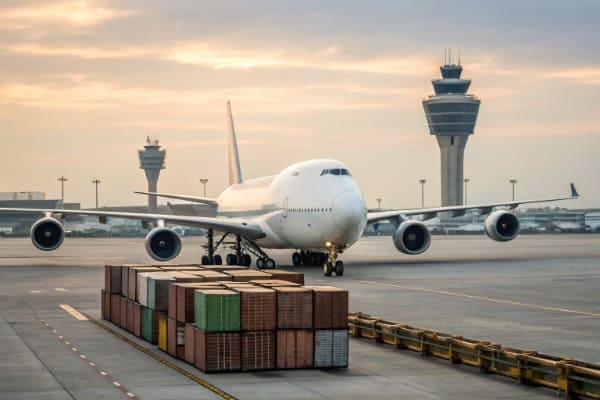
When considering air freight, businesses must evaluate urgency versus cost. Air freight is suitable for high-value or lightweight goods that need quick delivery. However, for bulk shipments, other methods may be more economical. It’s advisable to weigh the pros and cons before deciding.
What Is the Sea Freight Cost from China to Qatar?
Sea freight is the go-to choice for bulk shipments. It's significantly more cost-effective for heavy and bulky cargo than air freight. A 20ft container from China to Qatar typically costs between USD 3,258 and USD 4,441. The final price depends on factors like the port of departure, carrier, and chosen route.
In 2026, shipping a 20ft container from China to Qatar costs about USD 3,258 to USD 4,441, making sea freight a cost-effective option for larger shipments.

Transit times for sea freight can vary, usually taking about 19 to 33 days. If direct routes are available, shipments can arrive faster than those requiring transshipment. For many businesses, sea freight offers the best balance of cost and speed, especially for large orders.
Which Shipping Method Is More Cost-Effective?
Determining the most cost-effective shipping method depends on various factors. For small parcels, express courier options may be the best choice. They are efficient and reliable, especially for samples. DDP shipping is ideal when you want customs clearance and final delivery handled seamlessly.
Generally, sea freight proves to be the most cost-effective option for larger shipments, while air freight is better for urgent, high-value, or lightweight goods.
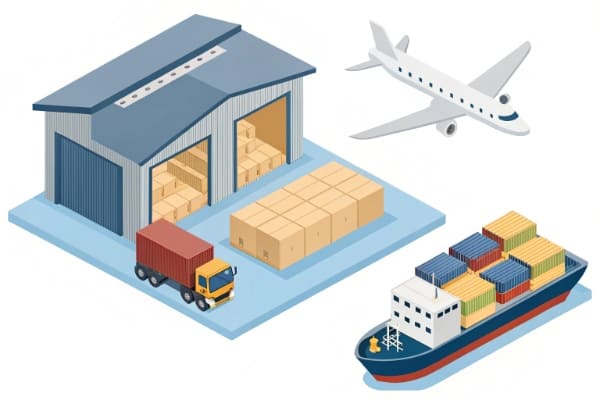
Each method has its advantages. Sea freight is cheaper for large shipments, while air freight saves time. Businesses should assess their needs and delivery timelines to select the right option. Understanding these differences can significantly impact shipping budgets.
What Additional Charges Should Importers Expect?
Importers should also be aware of additional charges beyond freight costs. Qatar typically imposes a 5% customs duty on most imports based on the CIF (Cost, Insurance, and Freight) value. This means the landed cost is often higher than just the freight expense alone.
Importers can expect a 5% customs duty on most goods based on CIF value, increasing the total landed cost significantly beyond the freight cost.
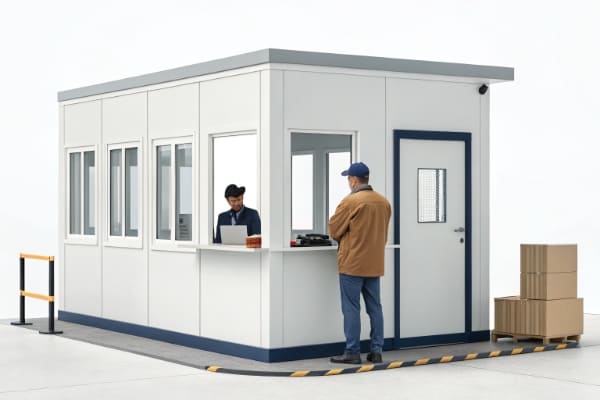
Other potential costs include cargo valuation fees, service levels, and specific product types that may incur added charges. For air freight, the chargeable weight may exceed the actual weight, leading to higher costs. Being aware of these additional costs can help businesses prepare for their total expenses.
How Can You Reduce Shipping Costs to Qatar?
There are several strategies to reduce shipping costs. Consolidating shipments can save money by maximizing container space. By grouping smaller orders, businesses can benefit from lower per-unit rates. Additionally, selecting the right shipping method based on urgency and weight can also lead to cost savings.
To optimize shipping costs to Qatar, consider consolidating shipments, choosing the right shipping method, and planning ahead for customs duties and additional fees.

It's also wise to negotiate rates with shipping companies. Building relationships with logistics providers can lead to better rates and service. Being proactive about shipping choices can greatly impact overall costs, making it easier to manage budgets effectively.
Conclusion
Shipping costs from China to Qatar in 2026 vary based on many factors, but understanding these can lead to smarter financial decisions for your business.