
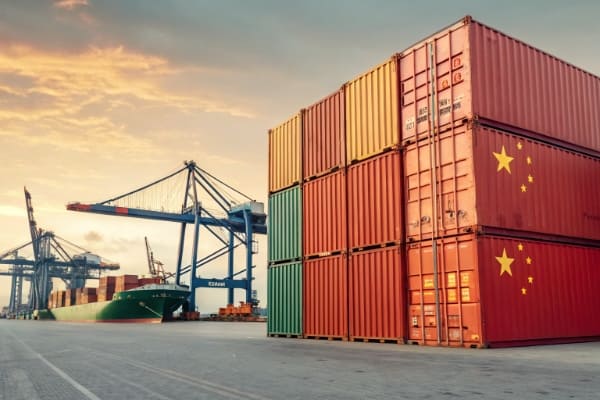
Shipping from China to Germany has become a hot topic. As businesses grow globally, understanding shipping costs is crucial. Let's explore the factors affecting shipping rates in 2026.
Shipping costs from China to Germany have changed significantly in 2026.1 Factors like global supply chain disruptions, fuel prices, and shipping demand impact these rates. Analyzing these factors helps businesses plan better.
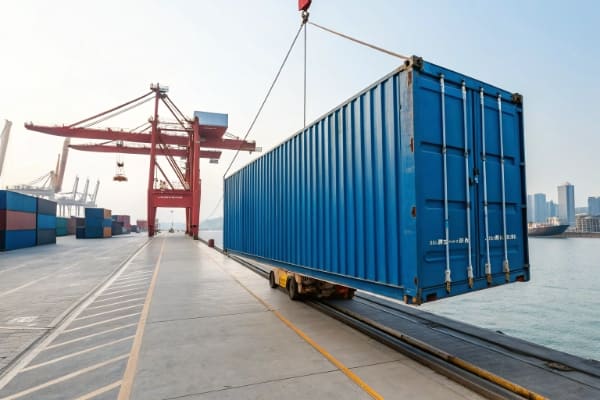
In the fast-paced world of international trade, costs can fluctuate rapidly. If you're looking to ship goods from China to Germany, knowing what influences shipping rates can save you money and headaches. This article will dive into the various shipping options available, their costs, and tips to reduce overall expenses.
Why Have Shipping Rates to Germany Changed in 2026?
Shipping rates to Germany have changed in 2026 due to multiple factors. The global economy continues to evolve. Increased demand for goods has strained shipping capacities.2 Shipping companies are adjusting their rates to meet this demand.
Additionally, fuel prices have surged3. This increase directly affects shipping costs.4 New regulations and customs procedures in the EU also play a role.5 They add extra steps and costs for importers. Understanding these changes is essential for businesses. It helps them budget more accurately for their shipping expenses.

As businesses navigate these new challenges, they must adapt. Developing strategies to manage shipping expenses is crucial. This includes understanding the shipping options available and how they affect overall costs.
What Is the Air Freight Cost from China to Germany?
Air freight is one of the fastest shipping options. In 2026, air freight rates vary based on weight and service level. Generally, prices range from $4 to $15 per kg.6 Heavier shipments often benefit from lower rates.
For example, shipments between 150 and 500 kg benefit from standard air freight rates. This option is often more cost-effective for mid-sized shipments. However, air freight is still considerably more expensive than sea freight.
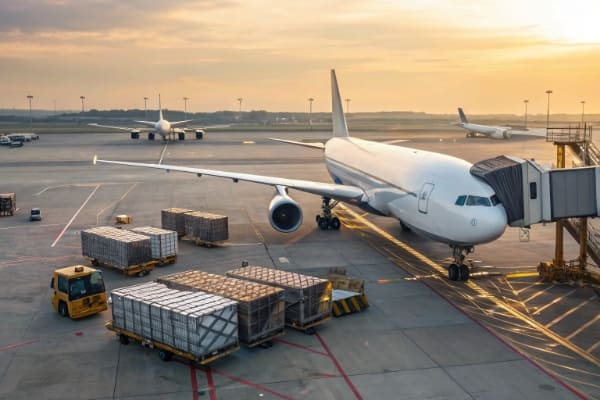
Air freight typically takes about 5-10 days for delivery.7 This speed can be crucial for businesses needing rapid delivery. However, the higher costs associated with air freight may not make it the best option for everyone, particularly for larger shipments.
What Is the Sea Freight Cost from China to Germany?
Sea freight is usually the cheapest option for large shipments from China to Germany. A 20ft FCL (Full Container Load) typically costs between $1,500 and $3,000.8 For a 40ft FCL, the costs range from $2,500 to $4,500.
Ocean transit time is around 30-40 days, depending on the route.9 Some routes average between 36-42 days.
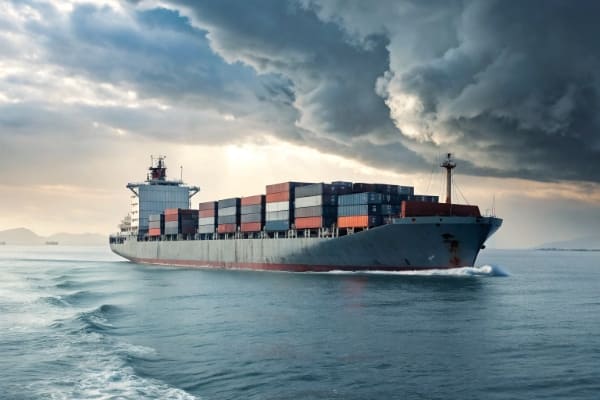
If your shipment is large, sea freight is likely the most economical choice. While it takes longer than air freight, the cost savings can be significant. Businesses should weigh their options carefully, considering both cost and delivery time when deciding.
Is Rail Freight Cheaper Than Air Freight?
Rail freight is an alternative to air freight. It offers a middle ground for businesses. Rail freight typically takes about 12-18 days. Rates generally range from $2.80 to $5.00 per kg.
In many cases, rail freight can be cheaper than air freight, especially for medium-sized shipments. However, it is more expensive than sea freight.

Businesses should consider rail freight when timing is not as critical as cost savings. Understanding the nuances of shipping options will help businesses choose the best method based on their needs.
What Additional Charges Should Importers Expect?
Import costs for shipments to Germany go beyond transport fees. Germany imposes a 19% import VAT on most commercial shipments.10 This tax can significantly increase overall costs.
Additionally, shipments over 150 EUR may face customs duties. These rates vary based on the product category and HS code. Therefore, businesses need to consider these additional costs when calculating the total landed cost.

For small parcels, the landed cost can rise sharply in 2026. New EU rules introduce extra fees and tighter customs treatments. This change can catch businesses off guard if they are not prepared.
How Can You Reduce Shipping Costs to Germany?
Reducing shipping costs to Germany requires strategic planning. Businesses can save money through various means. First, consider the shipping method. For large shipments, sea freight is often the best choice.
Additionally, consolidating shipments can lead to significant savings. By combining multiple orders into one shipment, businesses can optimize their costs. Working with a reliable logistics partner can also help. They can provide insights and strategies to minimize expenses.
It's important to keep an eye on market trends. Staying informed about changes in shipping rates can allow businesses to make timely decisions. By understanding the shipping landscape, businesses can navigate costs more effectively and maintain healthy profit margins.
Conclusion
Shipping costs from China to Germany in 2026 require careful planning and awareness of various factors affecting rates.
"Shipping from China to Germany [Updated May 2026 ] | Freightos", https://www.freightos.com/shipping-routes/shipping-from-china-to-germany/. Freight-rate index data for China–Europe ocean and air cargo lanes can document year-over-year rate movements, supporting the assertion that China–Germany shipping costs changed materially in 2026; the evidence should be treated as lane-level market context rather than proof of every carrier’s quoted rate. Evidence role: statistic; source type: other. Supports: Shipping costs from China to Germany have changed significantly in 2026.. Scope note: Freight indices usually report benchmark lanes and averages, not every China-origin city or German destination. ↩
"[PDF] The impact of container shipping costs on import and consumer prices", https://www.oecd.org/content/dam/oecd/en/publications/reports/2025/08/the-impact-of-container-shipping-costs-on-import-and-consumer-prices_dfc467b3/957f0c0c-en.pdf. UNCTAD or OECD shipping-market analysis can show how changes in trade demand and vessel or air-cargo capacity affect freight-market tightness, providing contextual support for the claim that higher goods demand can strain shipping capacity. Evidence role: mechanism; source type: institution. Supports: Increased demand for goods has strained shipping capacities.. Scope note: Such sources may discuss global or regional capacity pressures rather than China-to-Germany shipments specifically. ↩
"Low-sulfur bunker fuel sales have decreased since 2020 - EIA", https://www.eia.gov/todayinenergy/detail.php?id=66544. International energy price data, such as marine bunker-fuel or jet-fuel price series, can substantiate whether fuel costs rose over the relevant period; this supports the cost-driver claim but does not by itself quantify the pass-through to each freight quote. Evidence role: statistic; source type: institution. Supports: Fuel prices have surged and contributed to higher shipping costs.. Scope note: Fuel-price movements vary by fuel type, port, and contract structure. ↩
"Fuel Prices - World Bank", https://www.worldbank.org/en/programs/global-fuel-pricing-and-subsidy-policies/fuel-prices. Academic and institutional transport-cost studies describe fuel as a major variable input in maritime and air freight pricing, supporting the mechanism that fuel-price increases can raise shipping costs; the source may not establish the exact magnitude for China–Germany shipments. Evidence role: mechanism; source type: paper. Supports: Higher fuel prices directly affect shipping costs.. Scope note: The degree of fuel-cost pass-through depends on carrier pricing, fuel surcharges, contracts, and mode of transport. ↩
"Germany - Import Requirements and Documentation | Privacy Shield", https://www.privacyshield.gov/ps/article?id=Germany-Import-Requirements-and-Documentation. European Commission customs documentation on EU import control systems, VAT rules, and customs procedures can support the statement that regulatory and customs requirements affect import processing for goods entering Germany; this is contextual evidence and may not prove a specific cost increase for every shipment. Evidence role: general_support; source type: government. Supports: New EU regulations and customs procedures influence shipping and import costs to Germany.. Scope note: EU customs rules apply by commodity, value, origin, and procedure, so their cost impact varies by shipment. ↩
"Shipping from China to Germany [Updated May 2026 ] | Freightos", https://www.freightos.com/shipping-routes/shipping-from-china-to-germany/. Air-cargo rate benchmarks for Asia–Europe lanes can provide market evidence for typical per-kilogram price ranges, supporting the stated air-freight range as an indicative market estimate rather than a guaranteed tariff. Evidence role: statistic; source type: other. Supports: Air freight from China to Germany generally ranges from $4 to $15 per kilogram.. Scope note: Air-freight rates vary by airport pair, chargeable weight, season, fuel surcharge, and service level. ↩
"Instant Freight Transit Time Calculator | Air, Ocean & Trucking", https://www.freightos.com/freight-resources/transit-time-calculator/. Carrier-independent logistics or air-cargo guidance can substantiate typical international air-freight transit windows, supporting the stated 5–10 day delivery estimate for China–Germany shipments as a general operational benchmark. Evidence role: general_support; source type: institution. Supports: Air freight from China to Germany typically takes about 5–10 days.. Scope note: Actual delivery time depends on airport pair, customs clearance, pickup and final-mile delivery, and whether the service is express or standard air freight. ↩
"Shipping from China to Germany [Updated May 2026 ] | Freightos", https://www.freightos.com/shipping-routes/shipping-from-china-to-germany/. Container-freight benchmark data for Shanghai-to-Northern Europe or China-to-Germany lanes can support the stated 20-foot FCL cost range as an indicative spot-market estimate; it may not reflect contracted rates, inland haulage, surcharges, or port-specific fees. Evidence role: statistic; source type: other. Supports: A 20ft FCL from China to Germany typically costs between $1,500 and $3,000.. Scope note: Many indices quote 40-foot equivalent containers, so a 20-foot FCL estimate may require careful interpretation or a source that reports 20-foot rates directly. ↩
"Shipping from China to Germany [Updated May 2026 ]", https://www.freightos.com/shipping-routes/shipping-from-china-to-germany/. Published port-to-port sailing schedules or maritime-route references can substantiate typical China-to-Germany ocean transit times, supporting the 30–40 day estimate as a general range rather than a guaranteed delivery period. Evidence role: general_support; source type: institution. Supports: Ocean freight from China to Germany usually takes around 30–40 days depending on route.. Scope note: Transit time varies by origin port, destination port, transshipment, carrier schedule reliability, congestion, and inland transport. ↩
"Import VAT in Germany explained - Tax - Stripe", https://stripe.com/resources/more/import-tax-germany. Official German or European Commission tax guidance can verify that Germany’s standard VAT rate is 19% and that import VAT generally applies to goods imported into Germany, supporting the stated import-tax claim. Evidence role: definition; source type: government. Supports: Germany applies a 19% import VAT to most commercial shipments.. Scope note: Reduced VAT rates and exemptions may apply to certain goods or transactions. ↩