
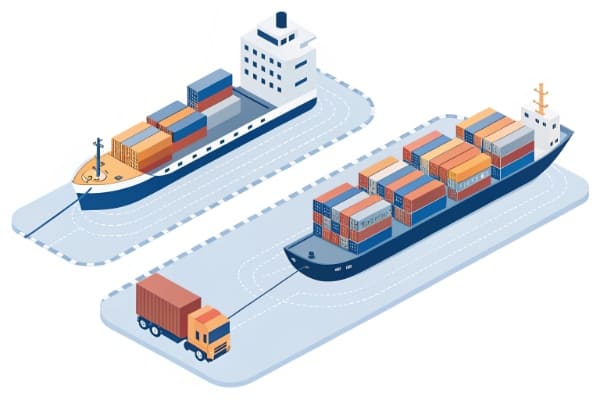
In the fast-paced world of global trade, understanding DDP shipping is crucial. If you're importing from China to Germany, you might feel overwhelmed. But knowing how DDP works can ease your worries and enhance your business.
DDP shipping means the seller takes care of everything, including customs clearance and taxes in Germany.1 This approach simplifies things for you, the buyer.
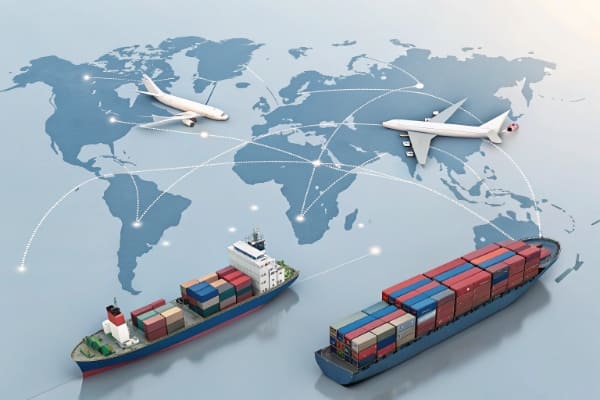
As we explore DDP shipping to Germany, remember that every detail matters. It's essential to grasp the different aspects to help you navigate your imports smoothly.
What Is Included in DDP Shipping to Germany?
The DDP shipping model is more than just a delivery method. It's a comprehensive service that covers several critical aspects. When you opt for DDP shipping, you can expect the seller to oversee the entire import process2. This includes customs clearance, payment of duties, and handling taxes like VAT in Germany.
DDP shipping includes the seller as the Importer of Record. This means they manage all customs formalities and ensure compliance with German regulations, making your life significantly easier.
Understanding what’s included in DDP shipping is vital. For instance, German VAT compliance is crucial.3 This involves not only paying the VAT but also maintaining accurate records and filing periodic returns. Moreover, if the seller acts as the importer, they need to have an EORI number to clear customs4.
To put it simply, DDP shipping provides transparency and eases the complexities of international trade.
How Much Does DDP Shipping from China to Germany Cost?
When it comes to costs, DDP shipping can be a bit tricky. The expenses involved typically include freight charges, customs duties, VAT, and any handling fees5. When you receive a quote for DDP shipping, ensure that it covers all these costs.
The total cost can vary widely based on several factors, such as the size of your shipment, the method of shipping, and any additional services required.6
In 2026, expect to see changes in the cost structure. From July 1st, low-value parcels entering the EU will face a new flat customs duty structure.7 This change could significantly impact many DDP shipments from China to Germany, making thorough compliance more important than ever.
It's crucial to treat DDP quotes as all-inclusive only when they explicitly include freight, customs clearance, duties, VAT, and final delivery. Cheaper-looking offers may hide compliance risks, which could lead to costly delays or penalties.
How Long Does DDP Shipping to Germany Take?
Timing is often a big concern for many importers. DDP shipping can take varying lengths of time depending on the chosen method. Air freight is the fastest option, typically taking one to two weeks.8 This is ideal if you need your products quickly.
If you opt for rail or sea shipping, expect longer transit times9. These methods are more cost-effective for larger or less urgent shipments but can take several weeks or sometimes even months.
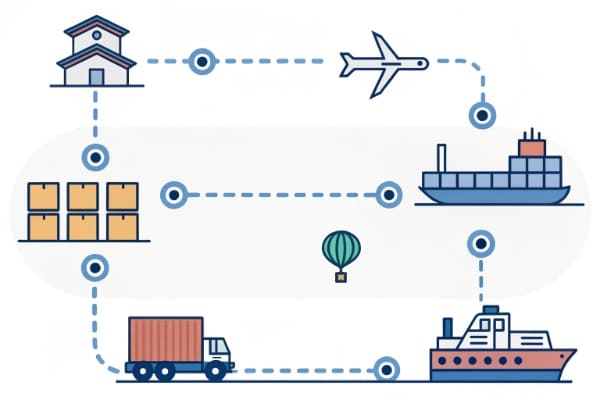
The exact duration can depend on factors such as the shipping route, customs processing times, and the season. It's good practice to communicate with your supplier about expected delivery timelines to manage your inventory and customer expectations effectively.
Is DDP Shipping Better Than FOB or CIF?
When comparing DDP with other shipping methods like FOB (Free On Board) or CIF (Cost, Insurance, and Freight), the choice depends on your business needs. DDP offers the advantage of having the seller manage all aspects of the shipping process, which is appealing for many.
DDP is particularly beneficial if you're not familiar with import regulations or customs processes in Germany. It reduces the stress of compliance and logistics management.
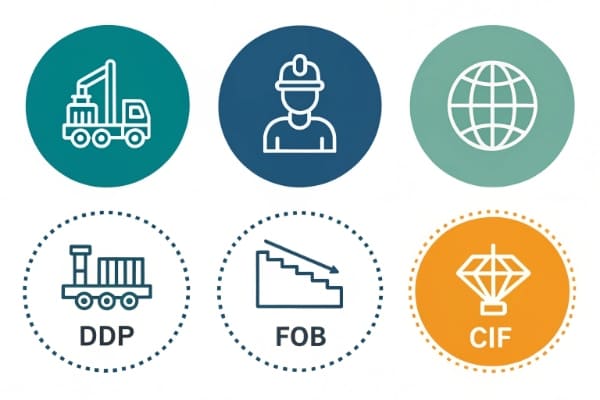
On the other hand, with FOB, the buyer assumes more responsibility once the goods are on board the shipping vessel10. CIF includes freight charges and insurance but doesn't cover customs duties and VAT.11 Therefore, the choice between these methods often hinges on how much control and responsibility you want over the shipping process.
What Products Can Be Shipped DDP to Germany?
Nearly any product can be shipped DDP to Germany, but there are specific requirements to keep in mind. For example, electronics may require compliance with WEEE regulations12, which could lead to marketplace checks and potential delisting if you fail to register.
Additionally, packaging sold into Germany typically requires LUCID registration to avoid compliance issues. E-commerce marketplaces are strict about these registrations, so it's necessary to stay updated on regulations.
When planning your DDP shipment, be sure to check the specific requirements for the products you wish to import. Understanding these regulations can save you time and money in the long run by avoiding compliance issues and delays.
How to Avoid Customs Delays and VAT Problems in Germany?
Customs delays can be frustrating and costly for any business. To avoid these issues, first ensure that you provide accurate and complete documentation. This includes the correct HS codes and declared origin on your shipment.
Moreover, it’s also essential to register for the necessary VAT and EORI numbers if you are acting as the importer under DDP. Keeping track of VAT compliance and ensuring all documentation is in order helps streamline the customs process.
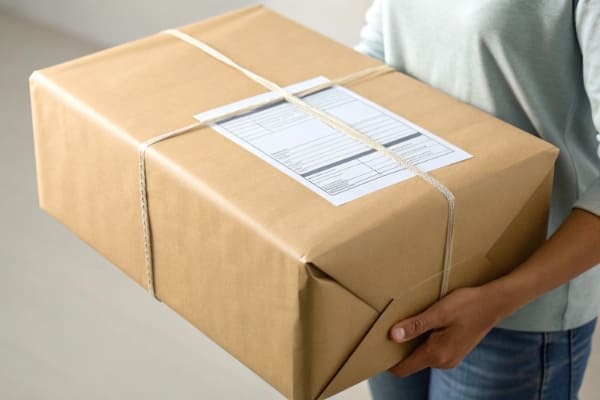
Additionally, consider working closely with a reliable logistics provider who understands the German market. They can help you navigate the complexities of DDP shipping and manage compliance effectively.
In a nutshell, staying informed and proactive can significantly reduce your risks and ensure a smoother import process.
Conclusion
Understanding DDP shipping to Germany in 2026 helps you navigate international trade smoothly while ensuring compliance and reducing risks.
"Know Your Incoterms - International Trade Administration", https://www.trade.gov/know-your-incoterms. Incoterms 2020 defines Delivered Duty Paid as requiring the seller to deliver goods cleared for import and to bear duties, taxes, and other charges payable upon importation. Evidence role: definition; source type: institution. Supports: DDP shipping means the seller is responsible for customs clearance and import taxes in Germany.. Scope note: Incoterms allocate contractual responsibilities between seller and buyer; they do not by themselves establish whether a seller is legally able to act as importer in a specific jurisdiction. ↩
"Know Your Incoterms - International Trade Administration", https://www.trade.gov/know-your-incoterms. Authoritative summaries of Incoterms state that under DDP the seller bears the maximum obligation, including delivery to the named destination and import clearance responsibilities. Evidence role: definition; source type: institution. Supports: Under DDP, the seller oversees the import process rather than leaving import clearance to the buyer.. Scope note: This supports the allocation of responsibilities under the DDP rule generally, not the operational performance of any particular seller or freight forwarder. ↩
"Germany - VAT | Privacy Shield", https://www.privacyshield.gov/ps/article?id=Germany-VAT. German and EU tax guidance describes import VAT and VAT reporting obligations for taxable persons importing or selling goods in Germany, indicating that VAT treatment is a material compliance issue in import transactions. Evidence role: general_support; source type: government. Supports: VAT compliance is an important requirement when goods are imported into or sold in Germany.. Scope note: The source would support the importance of VAT compliance generally, not quantify the risk for any individual DDP shipment. ↩
"EORI number - Wikipedia", https://en.wikipedia.org/wiki/EORI_number. EU customs guidance states that economic operators involved in customs activities in the European Union require an EORI number for customs identification and declarations. Evidence role: definition; source type: government. Supports: A seller acting as importer for customs purposes generally needs an EORI number to clear goods through EU/German customs.. Scope note: The requirement depends on the party actually lodging or being represented in customs declarations; a customs representative may also be involved. ↩
"What Small Business Owners Need to Know About Landed ...", https://www.avalara.com/us/en/learn/whitepapers/small-business-sellers-need-know-landed-cost.html. Trade and customs references describe landed import cost as commonly including transport charges, customs duties, import VAT or taxes, and service or handling charges associated with clearance and delivery. Evidence role: general_support; source type: government. Supports: DDP shipping costs typically include freight, customs duties, VAT, and handling-related fees.. Scope note: The exact cost components vary by contract, product classification, route, and service provider, so the source would support the general categories rather than a fixed price formula. ↩
"[PDF] ESTIMATING FREIGHT COSTS OVER A MULTI-MODAL NETWORK", https://nctspm.gatech.edu/sites/default/files/u60/moore_amy_m_201305_mast.pdf. Logistics and transport economics sources identify shipment size or weight, mode of transport, route, and ancillary services as major determinants of freight and total logistics cost. Evidence role: mechanism; source type: education. Supports: DDP shipping costs vary because freight and logistics costs depend on shipment size, transport mode, and additional services.. Scope note: Such sources explain cost drivers generally and may not provide China-to-Germany DDP-specific price estimates. ↩
"EU introduces customs duties on low-value e-commerce ...", https://ec.europa.eu/commission/presscorner/detail/es/ip_25_3045. EU customs reform materials discuss proposed changes to customs treatment for e-commerce and low-value consignments, including changes to duty collection and simplified tariff treatment. Evidence role: historical_context; source type: government. Supports: Low-value parcels entering the EU are expected to be affected by customs reform involving simplified or changed duty treatment.. Scope note: Because EU reform timelines and legislative details may change, the source should be checked for whether the July 1, 2026 date and flat-duty structure are enacted rather than merely proposed. ↩
"Shipping Cost & Time from China to Germany: 4 Main Methods", https://jingsourcing.com/b-shipping-from-china-to-germany/. International freight guidance and transport references generally identify air freight as faster than sea or rail freight for intercontinental shipments, with typical door-to-door timelines often measured in days to one or two weeks depending on routing and clearance. Evidence role: general_support; source type: institution. Supports: Air freight is usually the fastest shipping mode for China-to-Germany DDP shipments and often takes about one to two weeks door to door.. Scope note: The exact China-to-Germany transit time depends on origin and destination cities, carrier schedules, consolidation, customs clearance, and last-mile delivery. ↩
"China-Europe freight transportation under the first wave of COVID ...", https://pmc.ncbi.nlm.nih.gov/articles/PMC9682051/. Transport references describe maritime freight and Eurasian rail freight as slower than air freight for Asia-Europe cargo, while generally serving larger or less time-sensitive shipments. Evidence role: general_support; source type: research. Supports: Rail and sea shipping from China to Germany generally take longer than air freight.. Scope note: This supports the relative timing of modes, but individual services can vary substantially by route, port congestion, and border or customs delays. ↩
"Know Your Incoterms - International Trade Administration", https://www.trade.gov/know-your-incoterms. Incoterms references define Free on Board as transferring risk from seller to buyer when the goods are loaded on board the vessel at the port of shipment. Evidence role: definition; source type: institution. Supports: Under FOB, the buyer takes on key responsibility after the goods are loaded on board the vessel.. Scope note: FOB risk transfer does not necessarily describe all cost, insurance, or regulatory responsibilities unless read together with the full Incoterms rule and the sales contract. ↩
"Know Your Incoterms - International Trade Administration", https://www.trade.gov/know-your-incoterms. Incoterms references define Cost, Insurance and Freight as requiring the seller to contract carriage and insurance to the named destination port while import clearance and import duties or taxes are normally for the buyer unless otherwise agreed. Evidence role: definition; source type: institution. Supports: CIF covers freight and insurance to the destination port but does not normally include import duties and VAT.. Scope note: The exact commercial allocation can be modified by contract, and CIF applies only to sea and inland waterway transport under Incoterms. ↩
"Applying for WEEE-registration at stiftung ear", https://www.stiftung-ear.de/en/guides/applying-for-weee-registration/. EU and German environmental compliance guidance explains that producers or distributors placing electrical and electronic equipment on the German market may have obligations under WEEE rules, including registration and take-back responsibilities. Evidence role: general_support; source type: government. Supports: Electronics shipped to Germany may be subject to WEEE compliance obligations.. Scope note: Whether a specific electronics shipment is covered depends on the product category, role of the seller or importer, and whether the goods are placed on the German market. ↩