
The process of importing goods can seem overwhelming. But with the right knowledge, it can be straightforward and manageable.
To import goods into Australia, you need to understand the regulations and paperwork involved. Knowing what is required can save you time and money.
When you think about importing goods, it's easy to get lost in the details. But understanding the basic requirements can simplify the process. This guide will walk you through the essential steps to import goods from China to Australia, ensuring you are well-prepared for your import journey.
Do You Need an Import License in Australia?
Importing goods into Australia is easier than many think. Surprisingly, no general import license is required to import goods1. This makes the process accessible to many businesses and individuals wanting to access products from overseas.
However, while you don’t need a general import license, you must comply with other regulations and requirements2.

For specific goods, certain permits may be necessary. These products may include food items, agricultural products, and therapeutic goods3. It’s essential to verify if your goods fall into these categories. Always check the regulations before proceeding with your import plans to avoid unexpected complications later.
Dive deeper into this area. Understanding the types of goods that might require permits is crucial. Some products, like food and agricultural items, need permits to ensure they meet safety and health standards. This is to protect both consumers and the environment. It’s best to consult the Australian Government's Department of Agriculture, Water and the Environment (DAWE) for a detailed list of these goods.
What Documents Are Required for Customs Clearance?
When importing goods, documentation is key. For customs clearance, several essential documents are needed. You will need a commercial invoice, a packing list, and a bill of lading or airway bill4.
These documents help customs verify the contents and value of your shipment5. Proper documentation is crucial to avoid delays.
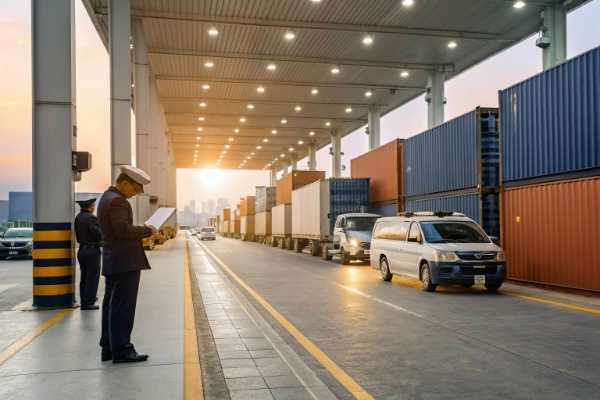
The commercial invoice details the transaction between the exporter and importer. The packing list includes information about the quantities and descriptions of the goods shipped. The bill of lading or airway bill serves as a receipt of the shipment.
Moreover, if your goods exceed the low-value threshold of A$1,000, you will need to provide an import declaration6. This includes correct HS codes7 and the customs value of your goods. Using the correct HS codes is vital for accurate tariff classification and valuation. Errors here can lead to penalties or delays in clearance8.
Dive deeper into the documentation process. It's helpful to understand why each document is necessary. The commercial invoice acts as proof of purchase and is crucial for tax purposes. The packing list provides customs with the detail they need to inspect the goods effectively. The bill of lading, on the other hand, is essential for the shipping process, serving as a contract between you and the carrier.
How Do Australian Customs Calculate Import Taxes?
Import taxes can be a complicated aspect of the process. Australian customs calculates import taxes based on the customs value of the goods9. This includes the cost of the goods, shipping, and insurance costs.
Goods valued at A$1,000 or less are generally exempt from customs duty and GST10. Understanding this threshold can help you save money.
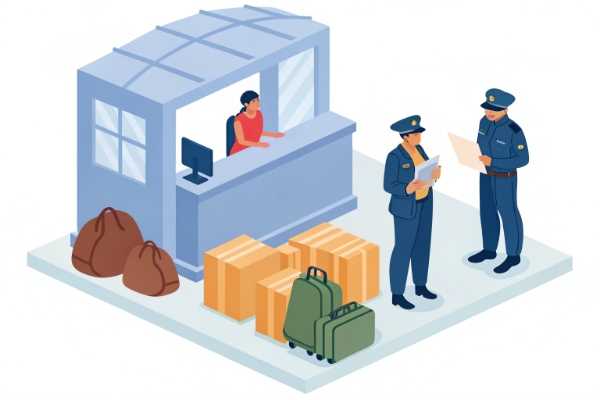
When your goods exceed the low-value threshold, you must calculate the applicable customs duty and GST. This emphasizes the importance of accurate valuation. Incorrect valuations can lead to paid excess taxes or penalties.
Dive deeper into how customs taxes work. Understanding the customs value is necessary to prevent surprises. Make sure to account for all costs involved in getting your goods to Australia, including shipping and insurance. This ensures you correctly calculate your landed costs.
Which Products Require Special Permits?
As mentioned earlier, not all products can enter Australia without permits. Certain categories require special permits or licenses. This includes food items, agricultural products, chemicals, and therapeutic goods11.
Before you import these items, you must obtain the necessary permits. This is essential to ensure compliance with Australian regulations.
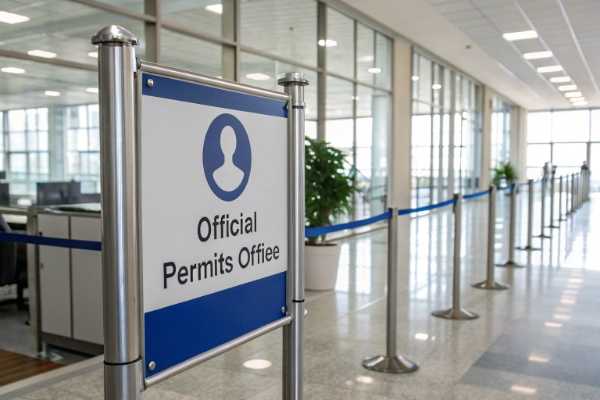
The need for permits is based on health, safety, and environmental concerns. It’s important to research your products ahead of time. Consult relevant authorities to get the correct permits before your goods arrive.
Dive deeper into the implications of special permits. Knowing which products require permits not only prevents delays but also saves costs associated with non-compliance. Failing to secure the right permits can lead to significant fines or even the destruction of your goods upon arrival12.
How Long Does Customs Clearance Take?
The duration of customs clearance can vary based on several factors. Generally, clearance can take anywhere from a few hours to several days.
Factors affecting the clearance time include the complexity of your shipment and the accuracy of your documentation.
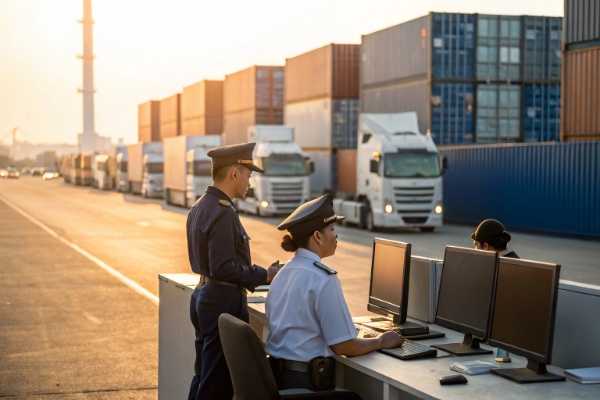
If your documentation is complete and accurate, clearance will be quicker. However, if customs finds discrepancies, it can lead to additional delays.
Dive deeper into factors that influence clearance times. It's essential to ensure that all documents are accurate and submitted promptly. This includes pre-shipment inspections, especially for biosecurity-related goods. Arranging these inspections beforehand can help avoid unnecessary delays during customs clearance.
What Happens If Your Shipment Is Held by Customs?
If customs holds your shipment, it can be a stressful experience. Common reasons for holds include incomplete documentation, issues with permits, or problems related to compliance.
When customs holds your shipment, they will inform you of the reasons and the necessary steps to resolve the issue.
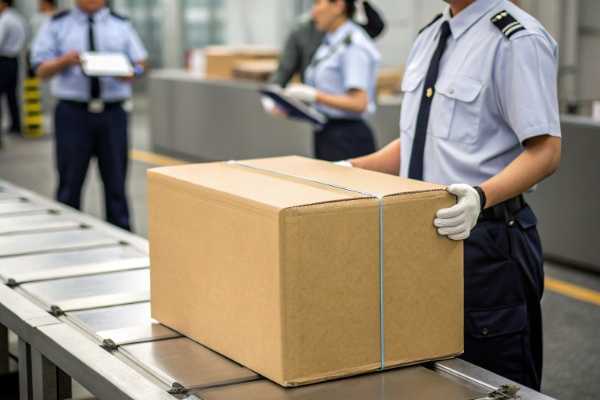
To expedite the process, you must address the specific issues raised by customs. Sometimes, you may need to provide additional documentation or clarify details in your import declaration.
Dive deeper into handling holds by customs. Staying in communication with customs is vital. They can provide guidance on resolving the issue. Use this time to ensure your documentation and permits are in order for future shipments to minimize the risk of holds.
Can a Freight Forwarder Handle Everything for You?
Using a freight forwarder can be a wise choice, especially for complex shipments. A freight forwarder can manage logistics, paperwork, and compliance on your behalf.
They help streamline the process and reduce the burden on you.
A licensed customs broker can also assist with customs clearance and ensure you meet all regulations. This can speed up clearances and minimize risks associated with non-compliance.
Dive deeper into the advantages of using a freight forwarder. They have expertise in navigating the complexities of international shipping and customs regulations. Their knowledge can save you time and prevent costly mistakes.
Conclusion
Importing goods from China to Australia involves understanding the regulations and preparing proper documentation.
"Australia - Import Requirements and Documentation", https://www.trade.gov/country-commercial-guides/australia-import-requirements-and-documentation. Australian Border Force guidance states that Australia does not require a general licence to import goods, while noting that some goods are controlled or prohibited and may require permits. Evidence role: expert_consensus; source type: government. Supports: Australia does not require a general import licence for importing goods.. Scope note: This supports the general import-licence point but does not remove product-specific permit or quarantine obligations. ↩
"Prohibited goods - List of prohibited items - Australian Border Force", https://www.abf.gov.au/importing-exporting-and-manufacturing/prohibited-goods/list-of-items. Australian government import guidance explains that, although a general import licence is not required, importers remain responsible for customs, biosecurity, tax, and product-specific regulatory requirements. Evidence role: general_support; source type: government. Supports: Importers must comply with other Australian regulations even when no general import licence is required.. Scope note: The source will likely list categories of obligations rather than assess compliance for a particular shipment. ↩
"Australia - Prohibited & Restricted Imports", https://www.trade.gov/country-commercial-guides/australia-prohibited-restricted-imports. Australian government agencies identify food and agricultural products as subject to biosecurity and food-import controls, and the Therapeutic Goods Administration regulates the importation of therapeutic goods. Evidence role: definition; source type: government. Supports: Food, agricultural products, and therapeutic goods may require additional permits or regulatory approvals when imported into Australia.. Scope note: Different products within these categories may have different permit, inspection, or exemption rules. ↩
"Australia - Import Requirements and Documentation", https://www.trade.gov/country-commercial-guides/australia-import-requirements-and-documentation. Australian Border Force import-declaration guidance describes the commercial and transport documents commonly used to substantiate imported goods, including invoices and bills of lading or air waybills. Evidence role: general_support; source type: government. Supports: Commercial invoices, packing lists, and transport documents are commonly needed for customs clearance.. Scope note: Required documents can vary by transport mode, cargo type, and whether a formal import declaration is required. ↩
"Import declarations - Australian Border Force", https://www.abf.gov.au/imports/Pages/How-to-import/Import-declarations.aspx. Customs guidance indicates that import documents provide evidence of the description, quantity, transaction value, origin, and transport of goods for assessment and clearance purposes. Evidence role: mechanism; source type: government. Supports: Import documents help customs assess the contents and value of an imported shipment.. Scope note: The source may describe the function of documents generally rather than this exact set of documents as a mandatory bundle. ↩
"Buying online - Australian Border Force", https://www.abf.gov.au/buying-online/buying-online. Australian Border Force guidance states that goods valued over AUD 1,000 generally require a formal import declaration before they can be cleared for home consumption. Evidence role: definition; source type: government. Supports: Imported goods valued above AUD 1,000 generally require an import declaration in Australia.. Scope note: Exceptions and special entry processes can apply for certain goods or circumstances. ↩
"Harmonized Tariff Schedule", https://hts.usitc.gov/. The World Customs Organization explains that the Harmonized System provides internationally standardized commodity codes used for customs tariffs and trade statistics; Australian tariff classification applies this system for imported goods. Evidence role: definition; source type: institution. Supports: HS codes are used to classify imported goods for tariff and customs purposes.. Scope note: The WCO source explains the international coding system, while an Australian tariff source is needed for specific duty outcomes. ↩
"Import declarations - Australian Border Force", https://www.abf.gov.au/imports/Pages/How-to-import/Import-declarations.aspx. Australian Border Force compliance material notes that incorrect declarations or false or misleading information can result in compliance action, penalties, and delayed cargo release. Evidence role: general_support; source type: government. Supports: Incorrect HS classification or valuation can cause penalties or delays in customs clearance.. Scope note: The severity depends on the nature of the error, intent, and whether the importer corrects the declaration. ↩
"Cost of importing goods - GST and other taxes when importing", https://www.abf.gov.au/importing-exporting-and-manufacturing/importing/cost-of-importing-goods/gst-and-other-taxes. Australian Border Force guidance explains that duty is generally calculated by applying the relevant duty rate to the customs value of imported goods, while GST on taxable importations uses a broader value that includes additional amounts such as duty and transport-related costs. Evidence role: mechanism; source type: government. Supports: Import duty and GST calculations depend on the customs value and related valuation rules.. Scope note: This source supports the tax-calculation framework but may show that duty and GST use different valuation bases. ↩
"GST on low value imported goods | Australian Taxation Office", https://www.ato.gov.au/businesses-and-organisations/international-tax-for-business/gst-for-non-resident-businesses/gst-on-low-value-imported-goods. Australian tax and border guidance explains the treatment of low-value imported goods valued at AUD 1,000 or less, including that customs duty is generally not collected at the border and that GST may instead apply under low-value imported goods rules. Evidence role: definition; source type: government. Supports: Australia has special low-value imported goods rules for goods valued at AUD 1,000 or less.. Scope note: The article’s wording may be too broad because GST can apply to low-value imported goods through vendor, platform, or redeliverer collection rules rather than at the border. ↩
"Basics of importing and manufacturing chemicals", https://www.industrialchemicals.gov.au/business/getting-started-registration-importing-and-manufacturing/basics-importing-and-manufacturing-chemicals. Australian regulatory guidance shows that industrial chemicals are regulated under the Australian Industrial Chemicals Introduction Scheme and therapeutic goods under the Therapeutic Goods Administration, with import obligations depending on product type and use. Evidence role: definition; source type: government. Supports: Chemicals and therapeutic goods can require special regulatory compliance before importation into Australia.. Scope note: The need for a permit or approval varies by chemical, therapeutic classification, intended use, and exemption status. ↩
"[PDF] Imported goods - Biosecurity risk treatment guide", https://www.agriculture.gov.au/sites/default/files/sitecollectiondocuments/biosecurity/import/general-info/qtfp/biosecurity-risk-treatment-guide.pdf. Australian biosecurity and customs enforcement materials state that non-compliant imported goods may be directed for treatment, export, or destruction, and that penalties can apply for breaches of import and biosecurity laws. Evidence role: general_support; source type: government. Supports: Failure to meet Australian import permit or biosecurity requirements can result in penalties or destruction of goods.. Scope note: Destruction and penalties are enforcement options, not automatic outcomes for every missing permit or documentation error. ↩