Incoterms play a crucial role in global trade. Understanding them is essential for any importer looking to navigate the complexities of shipping and logistics.
Incoterms 2026, while often referenced, will not have a separate edition. The current set from 2020 remains the official guideline.1 Familiarity with this set is vital for importers to ensure smooth operations.
Every sales contract must clearly state the exact Incoterm used, the named delivery location, and specify “Incoterms® 2020.”2 This clarity prevents misunderstandings and disputes down the line.
What Are Incoterms 2026 and Why Are They Important for Importers?
Incoterms are internationally recognized rules that define the responsibilities of sellers and buyers in shipping contracts.3 They outline who is responsible for transportation, handling costs, customs duties, and risk during transit.4 For importers, understanding these terms is vital to avoid unexpected costs and liabilities.
Knowing Incoterms helps importers manage shipping logistics effectively. This ensures that both parties are clear about their obligations, reducing the risk of costly mistakes.
Incoterms can affect everything from costs to risk management. As an importer, having a grasp of these terms can mean the difference between a successful shipment and a logistical nightmare.
How Many Incoterms Rules Are There in 2026?
As of 2026, there are 11 official Incoterms.5 Each has its specific applications and implications for shipping. Importers must familiarize themselves with each rule to understand how it affects their transactions.
The 11 Incoterms rules are crucial for defining responsibilities in international trade. Knowing which rules apply to your situation is essential for smooth operations.
The rules include EXW, FCA, CPT, CIP, DAP, DPU, DDP, FAS, FOB, CFR, and CIF. Each term is tailored to meet different needs in the shipping process.
What Are the Main Differences Between the 11 Incoterms Rules?
The main differences between the Incoterms revolve around the allocation of costs, risks, and responsibilities. For instance, with EXW (Ex Works), the seller’s responsibility is minimal, while with DDP (Delivery Duty Paid), the seller assumes nearly all responsibility.6
Understanding these differences is crucial for importers. The choice of Incoterm directly affects who bears the costs and risks at each stage of shipping.7
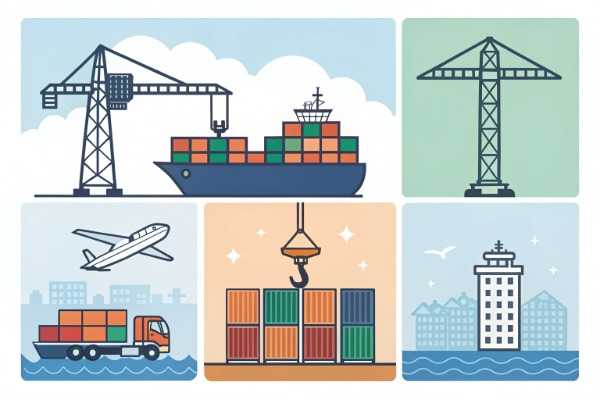
Here’s a quick table to summarize the key differences:
| Incoterm | Transport Mode | Seller's Responsibility | Buyer's Responsibility |
|---|---|---|---|
| EXW | Any Mode | Minimal | All |
| FCA | Any Mode | Delivery at carrier | Freight costs |
| CPT | Any Mode | Transport costs to destination | Risk transfer at first carrier |
| CIP | Any Mode | Transport + insurance to destination | Risk transfer at first carrier |
| DAP | Any Mode | Delivery to destination | Import clearance |
| DPU | Any Mode | Delivery + unloading | Local compliance |
| DDP | Any Mode | Full responsibility | None |
| FAS | Sea | Delivery at port | Freight costs |
| FOB | Sea | Delivery to ship | Freight costs |
| CFR | Sea | Transport to destination | Risk transfer at ship |
| CIF | Sea | Transport + insurance to destination | Risk transfer at ship |
How Do Incoterms Determine Costs, Risks, and Responsibilities?
Incoterms dictate who is responsible for various aspects of shipping. This includes transportation arrangements, freight costs, customs clearance, and risk transfer points. For example, under CPT, the seller pays for carriage but risk transfers to the buyer when the goods are handed to the first carrier.8
Understanding these responsibilities helps importers avoid disputes and ensures smooth transactions. Knowing who is liable at each stage can save time and money.

Incoterms effectively divide various responsibilities between the seller and buyer, paving the way for clearer communication and smoother operations.
Which Incoterms Are Best for Importers Buying from China?
When importing from China, choosing the right Incoterm is vital. Terms like DDP are appealing as they simplify delivery but can pose risks due to the seller's responsibility for customs clearance and duties.
For instance, DAP can also be a good option. The seller manages shipping, but the buyer takes on import duties and taxes. This allows importers to have more control over costs.
Importers should consider their capabilities in managing customs and logistics when selecting an Incoterm. The right choice can significantly impact the efficiency of the supply chain.
How Do Incoterms Affect Shipping and Customs Clearance?
Incoterms directly influence shipping processes and customs clearance. Different terms determine who handles customs duties, paperwork, and compliance. For example, under DAP, the seller arranges shipping, but the buyer is responsible for import clearance.
It's essential for importers to understand their responsibilities regarding shipping and customs. This knowledge can prevent delays and additional costs during the import process.
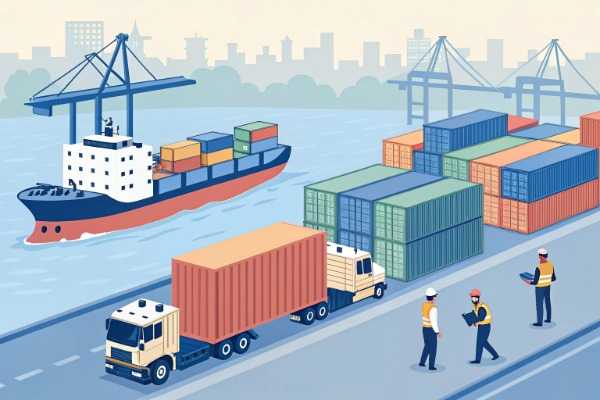
Navigating customs can be complex, but understanding Incoterms helps streamline these processes and ensures compliance with regulations.
What Are the Most Common Incoterms Used in China Sourcing?
In China sourcing, the most common Incoterms include FOB, CIF, and DDP.9 FOB is popular because it allows buyers more control over shipping once the goods are loaded onto the vessel. Conversely, DDP is attractive for those wanting a hassle-free experience.
Understanding which Incoterms are most commonly used can help importers avoid pitfalls and improve their shipping strategy.
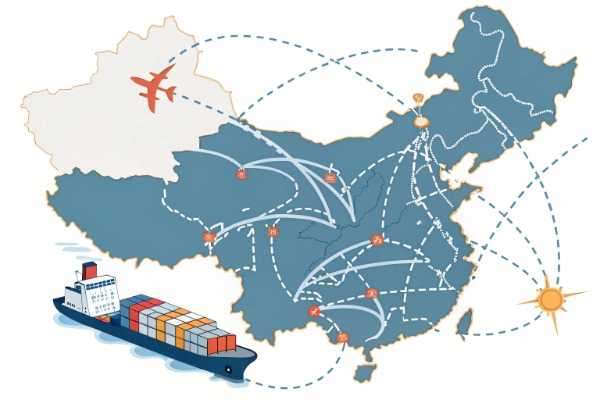
These terms are not just popular; they come with unique implications for cost and responsibility that importers need to consider carefully.
What Common Mistakes Should Importers Avoid When Using Incoterms?
Many importers make mistakes when interpreting Incoterms. One common error is assuming that an Incoterm covers everything related to the transaction. However, it does not define payment terms, liability for defective goods, or other key aspects.10
Importers should ensure their contracts explicitly outline these elements alongside the chosen Incoterm. This prevents misunderstandings and potential disputes in the future.

Being aware of these common pitfalls can save importers from costly errors and help ensure smoother transactions.
How Do You Choose the Right Incoterm for Your International Shipment?
Choosing the right Incoterm involves assessing who can best handle the various responsibilities. Consider who has more expertise in freight procurement, cargo insurance, and customs compliance. The goal is to align the chosen term with the party that can effectively manage these tasks.
This strategic alignment can improve efficiency and reduce risks in the shipping process. Importers should also consider their own capacity to manage these elements.

A well-considered choice of Incoterm can streamline operations and enhance the overall import experience.
Conclusion
In summary, understanding Incoterms is crucial for successful importing. They define roles, responsibilities, and risks in shipping, ensuring smoother transactions.
"Incoterms® 2020 - ICC", https://iccwbo.org/business-solutions/incoterms-rules/incoterms-2020/. The International Chamber of Commerce identifies Incoterms® 2020 as the current edition of its trade terms and does not publish a separate Incoterms 2026 edition. Evidence role: historical_context; source type: institution. Supports: There is no separate official Incoterms 2026 edition, and Incoterms® 2020 remains the governing set.. Scope note: This supports the official status of the 2020 rules; it does not prove that informal market references to “Incoterms 2026” are absent. ↩
"Know Your Incoterms - International Trade Administration", https://www.trade.gov/know-your-incoterms. ICC guidance explains that contracts should identify the chosen Incoterms® rule, the named place or port, and the applicable Incoterms® 2020 version to avoid ambiguity. Evidence role: expert_consensus; source type: institution. Supports: Contracts using Incoterms should specify the exact rule, named place, and Incoterms® 2020 version.. Scope note: The source provides drafting guidance rather than a universal legal requirement for every sales contract. ↩
"Know Your Incoterms - International Trade Administration", https://www.trade.gov/know-your-incoterms. The ICC describes Incoterms® rules as globally used trade terms that allocate obligations, costs, and risks between buyers and sellers in sales contracts. Evidence role: definition; source type: institution. Supports: Incoterms are internationally recognized rules defining buyer and seller responsibilities in shipping-related sales contracts.. Scope note: Incoterms apply when incorporated into a contract; they are not automatically applicable to all international sales. ↩
"Know Your Incoterms - International Trade Administration", https://www.trade.gov/know-your-incoterms. Official Incoterms® explanations state that the rules allocate delivery obligations, transport-related costs, customs formalities, and the point at which risk transfers between seller and buyer. Evidence role: definition; source type: institution. Supports: Incoterms allocate transportation, cost, customs-clearance, and risk responsibilities between buyer and seller.. Scope note: Incoterms do not regulate every contractual issue and address customs duties differently depending on the selected term. ↩
"Know Your Incoterms - International Trade Administration", https://www.trade.gov/know-your-incoterms. ICC materials for Incoterms® 2020 list eleven official rules: EXW, FCA, CPT, CIP, DAP, DPU, DDP, FAS, FOB, CFR, and CIF. Evidence role: definition; source type: institution. Supports: There are 11 official Incoterms rules under the current Incoterms® 2020 framework.. Scope note: This supports the count under Incoterms® 2020; it depends on no new ICC revision being issued before or during 2026. ↩
"Know Your Incoterms - International Trade Administration", https://www.trade.gov/know-your-incoterms. Incoterms® 2020 summaries describe EXW as placing minimal delivery obligations on the seller and DDP as placing extensive delivery, import-clearance, and duty-payment obligations on the seller. Evidence role: definition; source type: institution. Supports: EXW gives the seller minimal obligations, while DDP places broad delivery and import-related obligations on the seller.. Scope note: The phrase “nearly all responsibility” is a simplified comparison; specific obligations still depend on the contract and applicable law. ↩
"Know Your Incoterms", https://www.trade.gov/know-your-incoterms. Incoterms® 2020 defines the allocation of costs and the point of risk transfer for each rule, so selecting a rule changes which party bears specified costs and transit risks. Evidence role: mechanism; source type: institution. Supports: Selecting a particular Incoterm changes the allocation of shipping costs and risks between buyer and seller.. Scope note: Incoterms address defined delivery, cost, and risk issues, but they do not determine every financial or legal responsibility in the transaction. ↩
"Know Your Incoterms - International Trade Administration", https://www.trade.gov/know-your-incoterms. Incoterms® 2020 explanations of CPT state that the seller contracts and pays for carriage to the named destination, while risk transfers when the goods are delivered to the carrier. Evidence role: definition; source type: institution. Supports: Under CPT, the seller pays for carriage, but risk transfers when goods are handed to the carrier.. Scope note: The source supports the standard CPT rule; parties may add contract terms that further define documents, timing, or delivery evidence. ↩
"Know Your Incoterms - International Trade Administration", https://www.trade.gov/know-your-incoterms. Studies and trade-practice discussions of China export sourcing commonly identify FOB and CIF as frequent maritime trade terms, while DDP is discussed as a seller-managed delivery arrangement in cross-border purchasing. Evidence role: general_support; source type: paper. Supports: FOB, CIF, and DDP are commonly used Incoterms in China sourcing.. Scope note: Neutral sources may support these terms as common in practice but may not provide comprehensive market-share statistics for all China sourcing transactions. ↩
"Know Your Incoterms - International Trade Administration", https://www.trade.gov/know-your-incoterms. ICC and legal commentary note that Incoterms® rules govern delivery obligations, costs, and risk transfer, but do not determine price, payment method, title transfer, or remedies for nonconforming goods. Evidence role: definition; source type: institution. Supports: Incoterms do not cover payment terms, defective-goods liability, and other broader contract issues.. Scope note: The exact list of excluded issues varies by explanatory source, but the general limitation is a standard feature of Incoterms guidance. ↩