
Shipping goods from China to Australia can be confusing. With various options available, understanding the costs and timeframes is essential for any business.
How Much Does Shipping to Australia Cost? Shipping costs can vary widely based on multiple factors. On average, sea freight for a full container (FCL) from China to major Australian ports ranges from 1,000 to 1,800 USD for a 20-foot container1. If you need a larger 40-foot container, expect to pay about 60-80% more2.
For those not shipping a full container, less than container load (LCL) rates typically fall between 13 and 45 USD per cubic meter3, excluding additional destination charges and customs fees. Air freight options generally range from 4.5 to 6.1 USD per kilogram4, with costs tightening for consolidated shipments. If you opt for express courier services like DHL or FedEx, expect charges of around 6 to 15 USD per kilogram, depending on the parcel profile.

Transit time varies too. Sea freight usually takes between 16 to 35 days5, while air freight often delivers within 3 to 15 days6. Premium express services can even get your small parcels door-to-door in just 1 to 3 days.
What Factors Affect the Total Cost? Several factors influence the total shipping cost from China to Australia. Peak-season surcharges can add 15 to 30% to standard rates7. Fuel adjustments also affect pricing, especially on air and sea routes. The size and weight of your shipment are critical as well. For very light or small parcels, specialized postal services can be a cost-effective option, offering rates 20-40% lower than standard express carriers8 while maintaining delivery times of 7 to 14 days.
Using DDP (Delivered Duty Paid) pricing can help minimize hidden costs. This method bundles the 10% GST9, customs, and clearance fees into one quoted price, making budgeting easier. In contrast, port-to-port quotes may lead to unexpected additional expenses10.
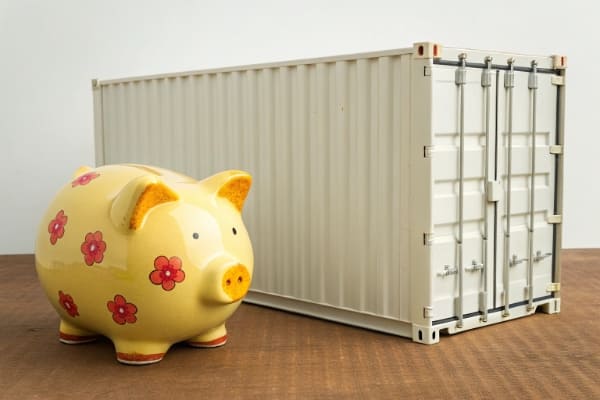
How to Reduce Shipping Costs? Reducing shipping costs requires strategic planning. First, consider consolidating shipments to maximize space and minimize costs. Regular or consolidated air shipments often come with lower rates. Also, take advantage of DDP solutions to avoid hidden fees.
Another approach is to evaluate shipping frequencies. If you can afford to wait, opting for sea freight rather than air can significantly cut expenses. Additionally, partnering with a reliable freight forwarder can lead to more competitive rates through their established relationships with carriers.
Lastly, exploring different shipping options can yield savings. For instance, specialized courier services may offer better rates for small parcels than standard express options.
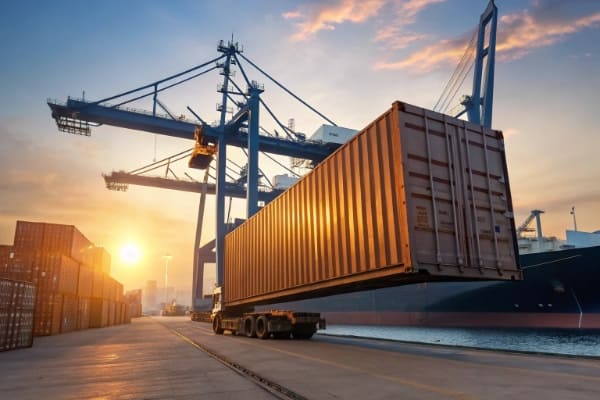
What Are the Common Shipping Risks? Shipping goods comes with inherent risks. Delays are common, and they can stem from customs clearance issues or unforeseen transport disruptions. It's vital to stay informed about potential delays and to have contingency plans in place.
Damage to goods during transit is another risk. Ensuring proper packaging and choosing reliable carriers can mitigate this concern. Verify that your shipping insurance covers damage and loss to protect your investment.
Cost fluctuations also pose a risk. Factors like fuel price changes and sudden surcharges can impact your final expenses. Tracking market trends and maintaining flexibility in your shipping strategy can help you navigate these challenges.
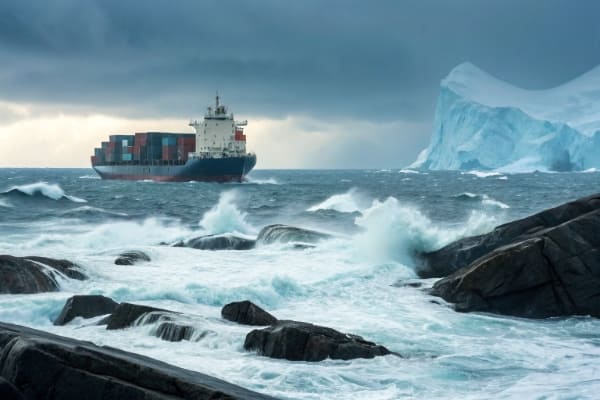
How to Choose a Reliable Freight Forwarder? Choosing the right freight forwarder is crucial. Start by checking their experience in shipping goods from China to Australia. Look for partners who have a good reputation and positive customer reviews.
Evaluate their service offerings. A comprehensive service that includes customs clearance, warehousing, and logistics management can streamline your operations. Transparency in pricing is also essential. Ensure they provide clear cost structures, avoiding hidden fees and unexpected charges.
Communication is key. A freight forwarder should be responsive and able to provide updates during the shipping process. This transparency will give you peace of mind and help you manage your shipments effectively.
Lastly, consider their network. A freight forwarder with established relationships in both China and Australia can offer better rates and more reliable service.
Conclusion
Understanding shipping costs and options from China to Australia is crucial for any business. By considering these factors, you can make informed decisions, reduce costs, and choose reliable partners.
"Freight Rates per 40-foot Container for East Bound and West Bound ...", https://www.bts.gov/browse-statistical-products-and-data/info-gallery/freight-rates-40-foot-container-east-bound-and. A contemporary container-freight benchmark or port-market report documents indicative China–Australia FCL spot-rate levels for 20-foot containers, supporting the stated cost range as a market estimate rather than a fixed tariff. Evidence role: statistic; source type: institution. Supports: Sea freight for a full 20-foot container from China to major Australian ports averages about USD 1,000–1,800.. Scope note: Freight rates fluctuate by date, port pair, carrier, and surcharge structure, so the source would support an indicative range only. ↩
"Shipping from China to Australia [Updated April 2026 ] - Freightos", https://www.freightos.com/shipping-routes/shipping-from-china-to-australia/. Container-rate data comparing 20-foot and 40-foot equipment on similar lanes supports the general premium for 40-foot containers, while not establishing a universal multiplier across all ports and seasons. Evidence role: statistic; source type: institution. Supports: A 40-foot container commonly costs about 60–80% more than a 20-foot container on China–Australia sea-freight lanes.. Scope note: The 40-foot premium depends on equipment availability, route, and carrier pricing; the evidence would be contextual rather than universally predictive. ↩
"Sea Freight From China: 2026 Rates, Transit Time,Get a Quote - ddpchain", https://ddpchain.com/sea-freight-from-china/. LCL freight-rate schedules or market benchmarks for China–Australia lanes provide contextual support for per-cubic-meter pricing, excluding destination charges and customs costs. Evidence role: statistic; source type: institution. Supports: LCL rates from China to Australia typically range from USD 13 to USD 45 per cubic meter before destination and customs charges.. Scope note: LCL rates vary substantially by origin, destination, minimum charge, commodity, and local charges, so the range should be treated as indicative. ↩
"Shipping from China to Australia [Updated April 2026 ] - Freightos", https://www.freightos.com/shipping-routes/shipping-from-china-to-australia/. Air-cargo rate benchmarks for Asia–Pacific lanes can substantiate indicative China–Australia per-kilogram freight costs, but they do not necessarily include all handling, fuel, or security surcharges. Evidence role: statistic; source type: institution. Supports: Air freight from China to Australia generally costs about USD 4.5–6.1 per kilogram.. Scope note: Air-freight rates change frequently and depend on chargeable weight, service level, airline capacity, and surcharges. ↩
"Instant Freight Transit Time Calculator | Air, Ocean & Trucking", https://www.freightos.com/freight-resources/transit-time-calculator/. Published ocean-carrier schedules or port-to-port transit-time references support typical China–Australia sea-freight durations, though actual door-to-door delivery can be longer due to origin, port, and customs processes. Evidence role: statistic; source type: institution. Supports: Sea freight from China to Australia usually takes about 16–35 days.. Scope note: Transit time varies by origin and destination ports, transshipment, sailing frequency, congestion, and customs clearance. ↩
"Instant Freight Transit Time Calculator | Air, Ocean & Trucking", https://www.freightos.com/freight-resources/transit-time-calculator/. Air-cargo service guides and international freight references support the general observation that air freight is substantially faster than ocean freight on China–Australia routes, with delivery windows commonly measured in days rather than weeks. Evidence role: statistic; source type: institution. Supports: Air freight from China to Australia often delivers within 3–15 days.. Scope note: The range may include airport-to-airport and door-to-door services; customs, consolidation, and final delivery can extend the timeframe. ↩
"What Is a Peak Season Surcharge (PSS)? - Shapiro", https://www.shapiro.com/resources/what-is-a-peak-season-surcharge-pss/. Freight-market analyses of peak-season surcharges document that carriers may impose temporary additional charges during high-demand periods, supporting the mechanism and approximate magnitude of rate increases as contextual market evidence. Evidence role: statistic; source type: institution. Supports: Peak-season surcharges can add 15–30% to standard shipping rates.. Scope note: The exact percentage varies by year, carrier, lane, and capacity conditions; evidence may support the phenomenon more strongly than the specific 15–30% range. ↩
"Remuneration - Universal Postal Union", https://www.upu.int/en/universal-postal-union/activities/physical-services/remuneration. Comparative studies of international parcel and postal delivery pricing can support the claim that postal or economy parcel services are often cheaper than express courier services for small low-weight shipments. Evidence role: statistic; source type: institution. Supports: Specialized postal services can cost 20–40% less than standard express carriers for very light or small parcels.. Scope note: The specific 20–40% savings depends on parcel weight, delivery speed, tracking level, and origin-destination pair; evidence may be comparative rather than China–Australia-specific. ↩
"Goods and services tax (Australia) - Wikipedia", https://en.wikipedia.org/wiki/Goods_and_services_tax_(Australia). Australian Taxation Office guidance states that the goods and services tax is generally 10%, supporting the tax-rate component referenced in DDP import-cost calculations. Evidence role: definition; source type: government. Supports: Australia applies a 10% GST relevant to imported goods and DDP pricing calculations.. ↩
"Know Your Incoterms - International Trade Administration", https://www.trade.gov/know-your-incoterms. Incoterms and international shipping guidance explain that port-to-port or terminal-based freight quotations may exclude inland transport, customs clearance, duties, taxes, and destination handling charges, supporting the risk of additional costs beyond the quoted ocean freight. Evidence role: definition; source type: institution. Supports: Port-to-port freight quotes may omit destination, customs, tax, and inland delivery costs, creating additional expenses for the shipper or consignee.. Scope note: The statement is generally true for many quotation structures, but the actual inclusions depend on the contract terms and quotation wording. ↩