
Shipping containers are the backbone of global trade.1 They help transport goods across oceans and land. Understanding the different types of shipping containers is crucial for anyone involved in logistics or shipping.
Shipping containers come in various types, each designed for specific cargo needs and handling requirements. Knowing these types can help you choose the right container for your shipment.
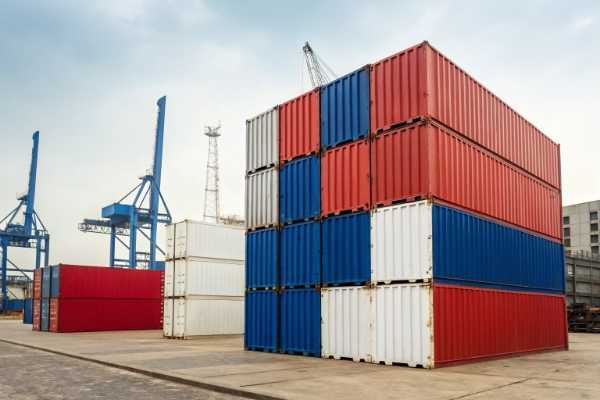
When we think about shipping containers, we often picture the standard ones. Yet, there are many types that serve different purposes. Some containers are designed for temperature-sensitive cargo, while others are meant for heavy or oversized items. Each type has unique features that cater to specific shipping needs. Let’s explore these different types of containers and what makes them special.
What Are the Different Types of Shipping Containers?
Shipping containers come in various forms. Each type serves a unique purpose, making shipping more efficient. Here are some common types:
- Standard Dry Containers: These are the most common type. They transport general cargo that does not need temperature control.
- Reefer Containers: These are refrigerated and maintain a specific temperature for perishable goods.
- Open Top Containers: Used for oversized cargo, these containers have an open roof.
- Flat Rack Containers: Designed for heavy or irregular cargo, they come without sides or a roof.
- Open Side Containers: These allow for easy access to the cargo from the side.
- Tank Containers: These are specifically for liquids, including chemicals and food products.
- Special Purpose Containers: Tailored for specific cargo types, offering enhanced protection or fitting.
Choosing the right shipping container requires understanding your cargo's size, weight, and handling method.
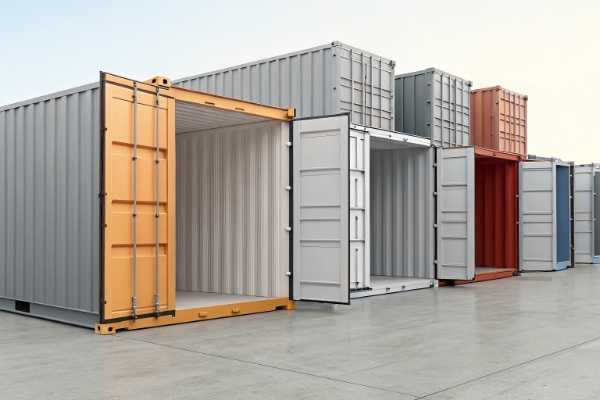
Different shipping containers have their own features. I find it important to match the container to the cargo. In my experience, using the right type not only protects the goods but also optimizes shipping costs and efficiency.
What Is a Standard Dry Container?
A standard dry container is the most widely used type of shipping container. It typically comes in 20-foot and 40-foot sizes. These containers are designed for general cargo and do not have temperature control.
Standard dry containers are strong, weather-resistant, and can hold a variety of goods. They are ideal for non-perishable items like electronics, textiles, and household goods.
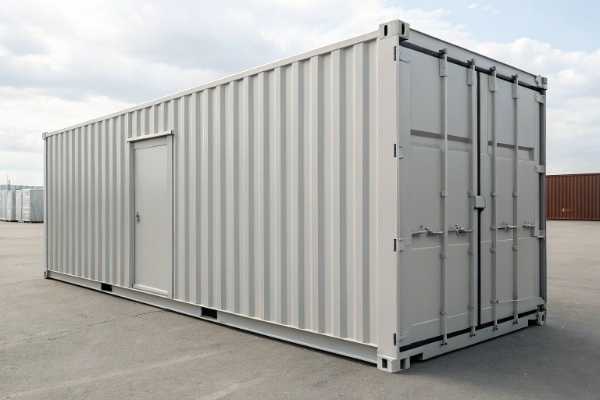
Standard containers are suitable for most businesses. They can be stacked, which is efficient for shipping. Their design makes loading and unloading easy. I often recommend these containers for clients who need cost-effective solutions for general cargo.
What Is the Difference Between 20ft, 40ft, and 40ft High Cube Containers?
The main differences between these containers are their size and internal height. A 20-foot container typically has a height of 8 feet. A 40-foot container is also 8 feet high. The 40-foot high cube container, however, offers an extra foot of height.
This additional space is useful for bulky items that need extra room. High cube containers are especially beneficial for businesses with larger products.
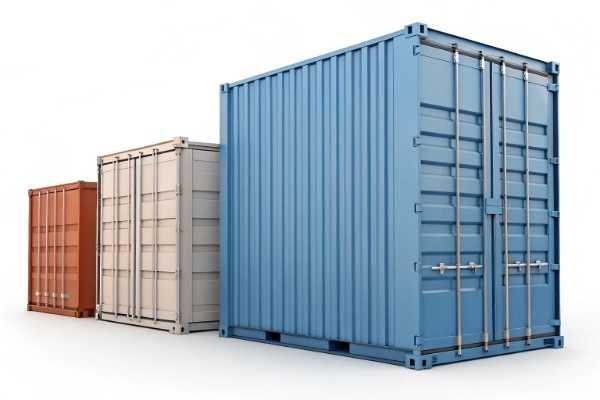
In my work, I've seen how important it is to choose the right size. If you underestimate your cargo size, you might face challenges during shipping. High cube containers can save you from those risks, especially if you're dealing with larger items that don’t fit well in standard containers.
What Is a Refrigerated Container (Reefer Container)?
Reefer containers are temperature-controlled shipping units.2 They are essential for transporting perishable goods such as food, flowers, and pharmaceuticals.3 These containers maintain a specific temperature to ensure the products remain fresh during transit.
Reefer containers are equipped with a cooling unit, which keeps the internal temperature consistent. This is crucial for products that cannot tolerate temperature fluctuations.
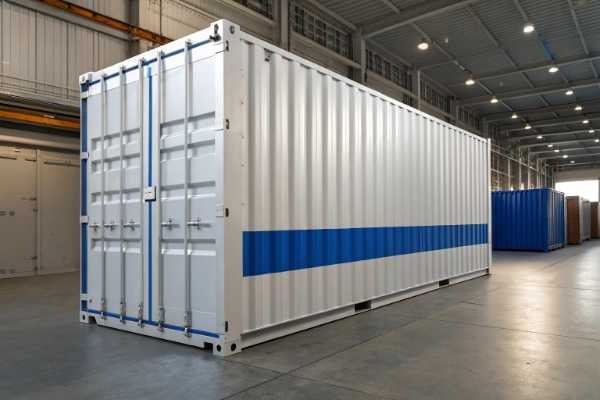
Using reefer containers is vital for businesses in the food industry. I have witnessed the importance of maintaining the right temperature for goods. Without proper refrigeration, products can spoil and lead to substantial losses.
What Is an Open Top Container?
Open top containers are designed for oversized cargo. They have an open roof, allowing for loading from above. This feature is essential for items that cannot fit through standard doors.
These containers are great for transporting heavy machinery, pipes, and other large items.
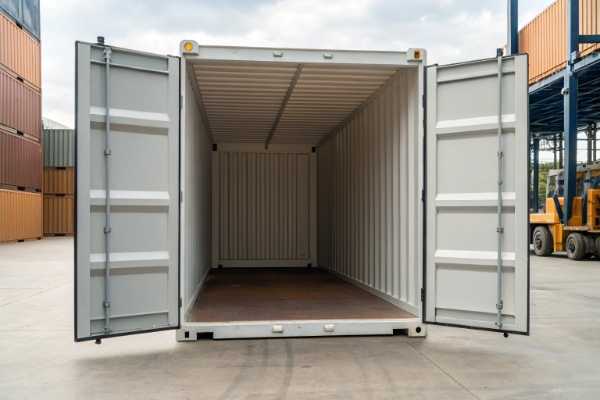
In my experience, open top containers serve a specific niche in the shipping market. They are excellent for companies that deal with heavy or oversized items. Proper loading techniques are essential to ensure stability during transport.
What Is a Flat Rack Container?
Flat rack containers have no sides or a roof.4 They are designed for heavy, oversized, or irregular cargo such as machinery, vehicles, and construction materials.
These containers can be loaded from the sides and ends, which makes them versatile for various shipping needs.
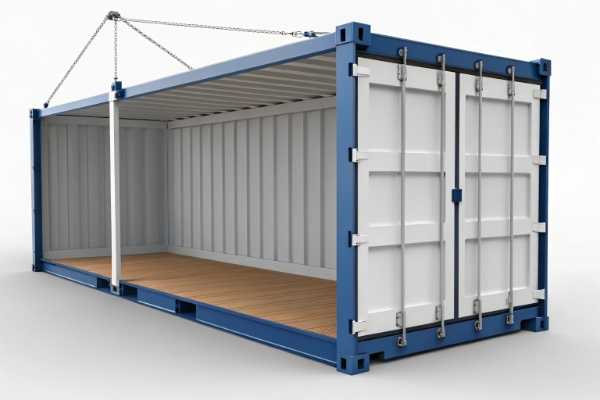
Flat racks are useful for businesses that need to ship large or heavy items. I often suggest this type for transporting construction equipment. They provide a stable base for loading and unloading.
What Is an Open Side Container?
Open side containers allow for loading through the side, which is helpful for cargo that is difficult to fit through end doors. This feature makes them adaptable for various types of cargo.
These containers are great for long or wide items, as they provide easier access.
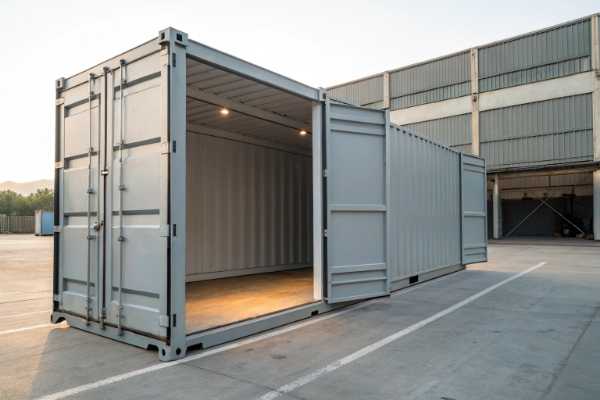
Open side containers can simplify the loading process. I have seen many businesses benefit from using them when dealing with bulk items that need quick access.
What Is a Tank Container?
Tank containers are specifically built for transporting liquids and gases.5 They can handle both hazardous and non-hazardous bulk cargo. The structure of these containers ensures safe and secure transit of liquids.
Tank containers are vital for chemical, food, and beverage industries. They come with safety features for hazardous materials.
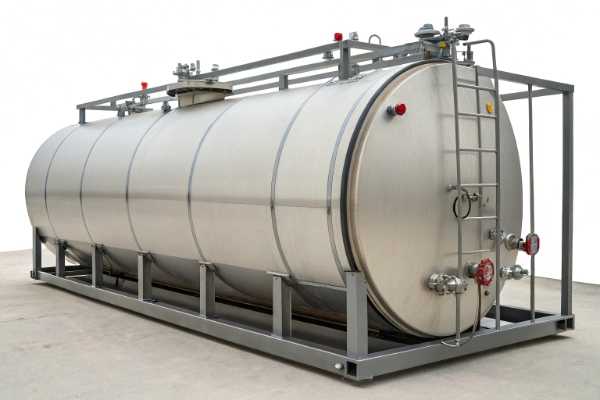
In my work, I have come across many companies needing tank containers for shipping liquids. They offer a reliable way to transport sensitive materials securely and efficiently.
What Is a Special Purpose Container?
Special purpose containers are designed for unique cargo needs. They may have specialized features for certain types of goods, offering improved fit and protection. However, these containers usually cost more and are less widely available than standard dry containers.
They can include custom-built containers for specific products, ensuring safe transport.
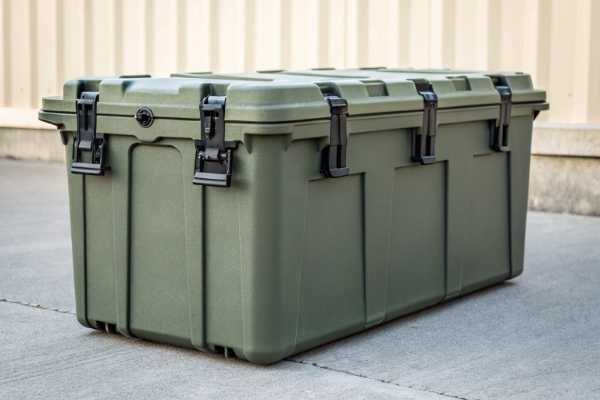
Specialized containers can be a great investment. I have seen businesses use them to protect delicate items. However, it’s crucial to weigh the costs and availability against your shipping needs.
How Do You Choose the Right Shipping Container for Your Cargo?
When choosing a shipping container, consider several factors. First, assess the size and weight of your cargo. Second, think about how the cargo will be handled during loading and unloading.
Don’t just look at overall volume; consider the specific requirements of your goods. Matching the container type to your cargo’s needs is essential for efficient shipping.
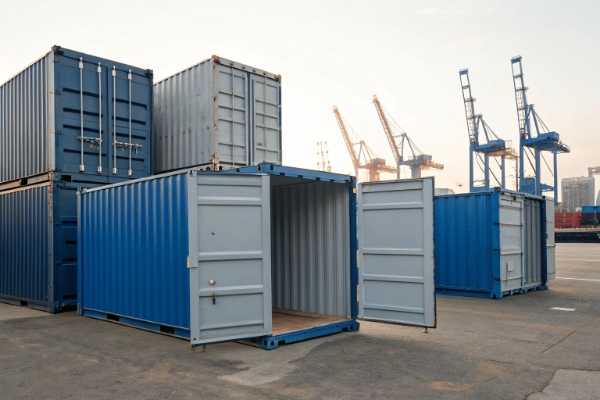
In my experience, the right container choice can make a significant difference in shipping efficiency and cost. Always consult with professionals who can guide you through the selection process. Choosing wisely can save time and reduce potential issues during transport.
Conclusion
Understanding different types of shipping containers helps ensure your cargo's safety and efficiency during transport. Choose wisely for the best results.
"Shipping and Ports", https://www.worldbank.org/ext/en/topic/transport/shipping-and-ports. UNCTAD maritime transport statistics show that containerized shipping is a major component of seaborne trade and global supply chains, providing contextual support for describing containers as central to global trade. Evidence role: statistic; source type: institution. Supports: Shipping containers are central to global trade.. Scope note: This supports the importance of containerized shipping broadly, but it does not prove the metaphorical phrase “backbone.” ↩
"Refrigerated container", https://en.wikipedia.org/wiki/Refrigerated_container. Technical references on refrigerated containers describe reefers as insulated intermodal containers equipped with refrigeration systems to control internal temperature during transport. Evidence role: definition; source type: education. Supports: Reefer containers are temperature-controlled shipping units.. Scope note: Specific temperature ranges vary by equipment model and cargo requirement. ↩
"Overview of Food Preservation and Traceability Technology in ... - PMC", https://pmc.ncbi.nlm.nih.gov/articles/PMC10417803/. Cold-chain logistics literature explains that refrigerated transport is used to preserve temperature-sensitive goods such as foods, cut flowers, and pharmaceuticals, providing contextual support for the role of reefer containers in these shipments. Evidence role: mechanism; source type: paper. Supports: Reefer containers are important for transporting perishable goods including food, flowers, and pharmaceuticals.. Scope note: The source supports the need for temperature-controlled transport generally, not that every such shipment must use a reefer container specifically. ↩
"Flat rack container", https://en.wikipedia.org/wiki/Flat_rack_container. Intermodal container references describe flat-rack containers as platforms with end walls but without permanent side walls or a roof, supporting the structural description in the article. Evidence role: definition; source type: encyclopedia. Supports: Flat rack containers generally lack sides and a roof.. Scope note: Some flat racks have collapsible or fixed ends, so details differ by model. ↩
"Tank container", https://en.wikipedia.org/wiki/Tank_container. ISO tank-container references describe tank containers as intermodal units consisting of a pressure vessel within a frame and used for transporting bulk liquids, gases, and powders, supporting the claim about their intended cargo. Evidence role: definition; source type: institution. Supports: Tank containers are built to transport liquids and gases.. Scope note: Tank specifications depend on the substance carried and applicable dangerous-goods regulations. ↩