Incoterms define the rules of trade, but many find them confusing. Understanding how they work is crucial for anyone involved in international shipping.
Incoterms clearly outline the responsibilities of buyers and sellers in international trade.1 They set rules for logistics tasks, risk transfer, and customs obligations.2
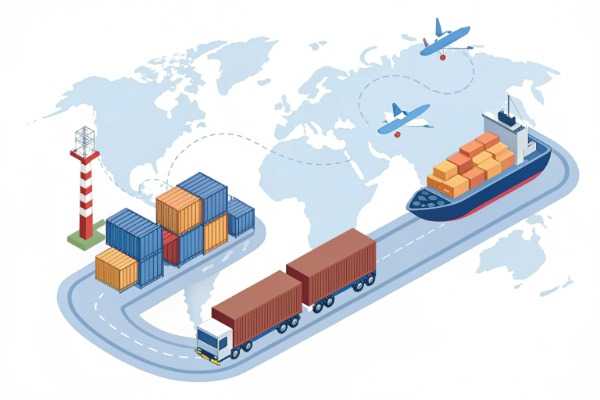
Understanding Incoterms can be complex. They define who is responsible for what, from the moment the goods leave the seller's warehouse to when they reach the buyer. These rules help avoid misunderstandings and disputes, making trade smoother.3
How Do Incoterms Define Buyer and Seller Responsibilities?
Incoterms establish clear guidelines for both buyers and sellers. They specify who is responsible for various tasks like transportation, insurance, and customs clearance.4
By clarifying responsibilities, Incoterms help prevent conflicts between buyers and sellers.5 This ensures that both parties know their obligations from the start.
When I first started dealing with international shipping, I learned the hard way how important it is to define roles. I once had a shipment delayed because the seller assumed I would handle customs clearance. That misunderstanding cost us both time and money.
Here's a simple table to illustrate the responsibilities under different Incoterms:
| Incoterm | Seller’s Responsibilities | Buyer’s Responsibilities |
|---|---|---|
| EXW | Deliver goods at their premises | All tasks including transport and customs |
| DDP | Handle all tasks, including transport and customs | Receive goods at their location |
| FCA | Deliver goods to a specified location | Assume responsibility once goods are delivered |
How Do Incoterms Determine When Risk Transfers?
Incoterms specify the point at which the risk of loss or damage transfers from the seller to the buyer.6 This point can vary based on the chosen Incoterm.
Understanding when risk transfers is vital.7 It helps both parties manage their insurance and liability appropriately.

I remember a situation where I had to explain to a client why they were responsible for damage that occurred during transit. We had selected an Incoterm that transferred risk once the goods left the seller’s warehouse. It was a learning moment for both of us.
The table below summarizes when risk transfers based on different Incoterms:
| Incoterm | Risk Transfer Point |
|---|---|
| EXW | At seller's premises8 |
| DDP | At buyer's delivery location9 |
| FOB | At the ship's rail10 |
How Do Incoterms Allocate Shipping Costs?
Incoterms also clarify who pays for shipping costs. Depending on the selected term, either the seller or the buyer can bear these costs.
Allocating shipping costs correctly prevents disputes and ensures smooth transactions.
During one of my projects, I encountered a client who thought shipping costs were included in the price. We had agreed on an Incoterm that required them to pay those costs separately. This misunderstanding led to unexpected expenses that could have been avoided.
Shipping costs can be summarized as follows:
| Incoterm | Seller Pays | Buyer Pays |
|---|---|---|
| DDP | Yes | No |
| FOB | No | Yes |
| CIF | Yes | Yes |
How Do Incoterms Affect Export and Import Customs Clearance?
Incoterms play a crucial role in customs clearance processes. They define who is responsible for customs duties and formalities.
Knowing who handles customs ensures that shipments are not delayed at borders. It is essential for smooth international trade.

A few years ago, I learned the importance of customs responsibilities. I had a shipment stuck at customs because the seller thought I would manage clearance. This oversight delayed the delivery and upset our customer.
Here’s how different Incoterms affect customs:
| Incoterm | Customs Responsibility |
|---|---|
| DDP | Seller |
| EXW | Buyer |
| CIF | Seller for export; Buyer for import |
How Do Incoterms Work from the Seller's Warehouse to the Buyer?
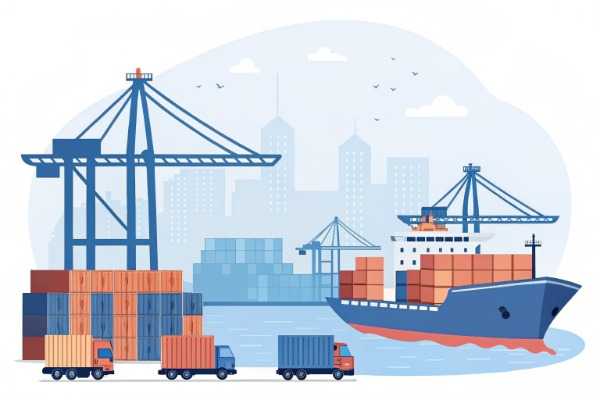
The journey of goods typically starts at the seller's warehouse. Incoterms define the entire process, from loading to delivery.
Understanding every step in this process helps ensure that goods are transported securely and efficiently.
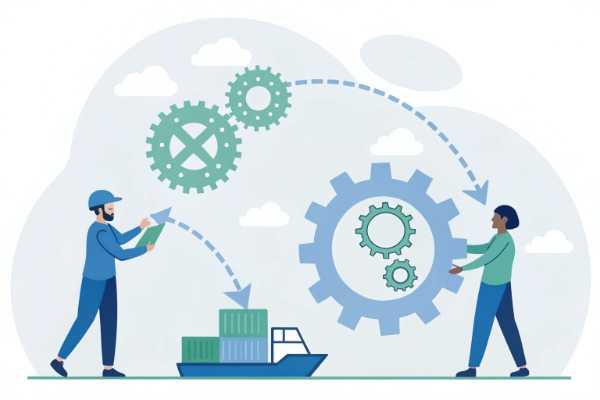
In one instance, I was managing a shipment that involved multiple stops. Each stop required coordination. Knowing the Incoterms allowed me to plan effectively and avoid logistics hiccups.
The journey can be broken down into phases:
- Seller's Warehouse: Goods are packaged and ready for shipment.
- Transportation: Based on the Incoterm, either the buyer or seller arranges transport.
- Customs Clearance: Documents and duties are handled as per the agreed terms.
- Delivery: Goods reach the buyer’s location.
How Do Incoterms Apply to Different Modes of Transport?
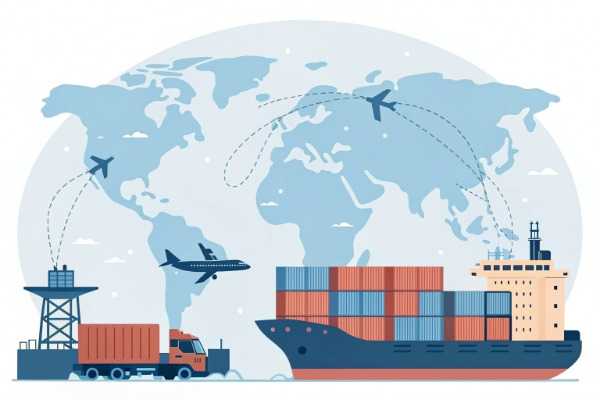
Different modes of transport require specific considerations under Incoterms. Some Incoterms are applicable to all transport modes, while others are limited to sea transport.11
Choosing the right Incoterm for the transport mode is critical for efficient logistics.

I had a client who was shipping goods by air but selected an Incoterm designed for sea transport. This mistake led to complications and delays. It reinforced the need to understand the connection between transport mode and Incoterms.
Here’s a quick overview:
| Incoterm | Modes of Transport |
|---|---|
| DDP | All modes |
| CIF | Sea transport only |
| FCA | All modes |
What Is the Difference Between Cost Transfer and Risk Transfer?
Cost transfer and risk transfer are two different aspects of Incoterms.12 While risk transfer refers to liability for damage or loss, cost transfer concerns who pays for various logistics tasks.
Understanding these differences helps parties negotiate better agreements.
In my experience, clients often confuse these terms. I once had to clarify that just because they were responsible for costs didn’t mean they were liable for risks at all points. Clear communication is key in these situations.
| Aspect | Cost Transfer | Risk Transfer |
|---|---|---|
| Definition | Who pays for shipping | Who bears liability for loss |
| Timing | Based on agreed Incoterm | Defined by delivery point |
How Can Importers Use Incoterms When Shipping from China?
Importers can leverage Incoterms to streamline their shipments from China. Selecting the right term can simplify logistics and reduce risks.
Using Incoterms wisely can save time and money during the import process.

When I first started importing from China, I made selections based solely on cost. Over time, I learned that picking the right Incoterm was more important than just the price. It helped me manage risks and ensure timely deliveries.
Importers should consider factors like:
- Customs capabilities: Can they handle all customs processes?
- Bargaining power: Do they have leverage over shipping costs?
- Operational control: Who needs to manage logistics?
What Should You Check Before Agreeing to an Incoterm?
Before settling on an Incoterm, parties should verify specific details to avoid misunderstandings.
A clear agreement prevents issues that could arise later in the shipping process.
In one instance, I had to revisit an agreement because the specified delivery point was unclear. This created confusion and nearly delayed the shipment. Ensuring clarity is vital.
Key considerations include:
- Exact location: Specify the terminal, warehouse, or delivery address.
- Version: Always refer to the latest Incoterms version, like Incoterms® 2020.
- Insurance coverage: Confirm that cargo insurance matches the risk transfer point.
Conclusion
Understanding how Incoterms work is essential for successful international trade. They define responsibilities, transfer risks, and allocate costs effectively.
"Know Your Incoterms - International Trade Administration", https://www.trade.gov/know-your-incoterms. The International Chamber of Commerce describes Incoterms® rules as standardized trade terms that allocate obligations between sellers and buyers in international and domestic sales contracts. Evidence role: definition; source type: institution. Supports: Incoterms outline the responsibilities of buyers and sellers in international trade.. ↩
"Know Your Incoterms", https://www.trade.gov/know-your-incoterms. Authoritative descriptions of Incoterms® 2020 explain that the rules allocate transport-related obligations, costs, risk of loss or damage, and export/import clearance responsibilities between contracting parties. Evidence role: definition; source type: institution. Supports: Incoterms set rules for logistics tasks, risk transfer, and customs obligations.. Scope note: Incoterms govern delivery obligations under sales contracts but do not replace the full contract of sale, customs law, or carriage contracts. ↩
"Know Your Incoterms", https://www.trade.gov/know-your-incoterms. Trade guidance from international institutions presents Incoterms® as standardized commercial terms intended to reduce ambiguity in delivery, cost, and risk allocation, which can lessen misunderstandings in cross-border transactions. Evidence role: general_support; source type: institution. Supports: Incoterms help avoid misunderstandings and disputes in trade.. Scope note: Such sources support the purpose of reducing ambiguity; they do not prove that every transaction using Incoterms avoids disputes. ↩
"Know Your Incoterms - International Trade Administration", https://www.trade.gov/know-your-incoterms. Incoterms® 2020 explanatory materials identify which party must arrange carriage, obtain insurance where required, and handle export or import clearance under each rule. Evidence role: definition; source type: institution. Supports: Incoterms specify responsibility for transportation, insurance, and customs clearance.. Scope note: Insurance is expressly required only under certain Incoterms, such as CIF and CIP; other rules may leave insurance to the parties’ commercial decision. ↩
"Know Your Incoterms", https://www.trade.gov/know-your-incoterms. Standard references characterize Incoterms® as internationally recognized rules that clarify delivery obligations between buyers and sellers, thereby reducing uncertainty in contract performance. Evidence role: expert_consensus; source type: institution. Supports: Clarifying responsibilities through Incoterms can help prevent conflicts between buyers and sellers.. Scope note: The evidence supports a conflict-prevention rationale through clearer allocation of obligations, not a measured reduction in legal disputes. ↩
"Know Your Incoterms", https://www.trade.gov/know-your-incoterms. Incoterms® 2020 rules define the delivery point for each trade term, and that delivery point determines when the risk of loss of or damage to the goods passes from seller to buyer. Evidence role: mechanism; source type: institution. Supports: Incoterms specify when the risk of loss or damage transfers from seller to buyer.. Scope note: The rules address risk allocation between the seller and buyer and do not determine liability of carriers or insurers under separate contracts. ↩
"Know Your Incoterms - International Trade Administration", https://www.trade.gov/know-your-incoterms. Guidance on Incoterms® emphasizes that the point of risk transfer affects which party bears loss or damage to goods during transit, making it material to insurance and liability planning. Evidence role: mechanism; source type: institution. Supports: Understanding when risk transfers is important for managing insurance and liability.. Scope note: The importance of risk-transfer knowledge may vary by transaction value, route, and insurance arrangements. ↩
"Know Your Incoterms - International Trade Administration", https://www.trade.gov/know-your-incoterms. Under Ex Works in Incoterms® 2020, delivery occurs when the seller places the goods at the buyer’s disposal at the seller’s premises or another named place, with risk passing at that point. Evidence role: definition; source type: institution. Supports: Under EXW, risk transfers at the seller’s premises when that is the named place of delivery.. Scope note: The precise place must be named in the contract; additional loading arrangements may alter practical responsibilities if separately agreed. ↩
"Know Your Incoterms", https://www.trade.gov/know-your-incoterms. Under Delivered Duty Paid in Incoterms® 2020, the seller delivers when the goods are placed at the buyer’s disposal at the named destination, so the seller bears risk up to that delivery point. Evidence role: definition; source type: institution. Supports: Under DDP, risk transfers at the buyer’s named delivery location.. Scope note: Unloading at destination is not automatically the seller’s obligation unless the parties agree otherwise. ↩
"[PDF] INCOTERMS 2010 - Insight @ Dickinson Law", https://insight.dickinsonlaw.psu.edu/cgi/viewcontent.cgi?article=1170&context=psilr. Incoterms® 2020 defines FOB delivery as occurring when the goods are placed on board the vessel at the named port of shipment; modern rules no longer use the older 'ship’s rail' formulation as the operative risk-transfer point. Evidence role: historical_context; source type: institution. Supports: The article’s FOB risk-transfer wording needs verification because current Incoterms define the point as goods being on board the vessel, not at the ship’s rail.. Scope note: This citation would contextualize and likely require updating the article wording rather than simply supporting the current phrase. ↩
"Know Your Incoterms - International Trade Administration", https://www.trade.gov/know-your-incoterms. Incoterms® 2020 groups the rules into those usable for any mode or modes of transport and those reserved for sea and inland waterway transport, including FOB, CFR, CIF, and FAS. Evidence role: definition; source type: institution. Supports: Some Incoterms apply to all transport modes, while others are limited to sea and inland waterway transport.. Scope note: The classification addresses formal applicability of the rules, not whether a particular mode is commercially optimal for a shipment. ↩
"Know Your Incoterms - International Trade Administration", https://www.trade.gov/know-your-incoterms. Incoterms® commentary distinguishes the allocation of costs from the passing of risk, noting that a seller may pay certain transport costs even after risk has passed to the buyer under some rules. Evidence role: mechanism; source type: institution. Supports: Cost transfer and risk transfer are distinct concepts under Incoterms.. Scope note: The exact separation of cost and risk depends on the selected Incoterm and the named place or port in the contract. ↩